Lymphedema Therapy: How It Works, Results and What to Expect
Lymphedema therapy manages swelling and symptoms; it may not permanently cure the underlying lymphatic problem. Complete decongestive therapy is the main non-surgical approach and includes compression, exercise, skin care and specialist guidance.
Key Takeaways
- Lymphedema therapy manages swelling and symptoms; it may not permanently cure the underlying lymphatic problem.
- Complete decongestive therapy is the main non-surgical approach and includes compression, exercise, skin care and specialist guidance.
- Results can begin during the intensive phase, but continued self-care is important to maintain them.
- New, rapidly worsening or painful swelling should be assessed promptly to rule out other causes.
- Treatment plans are individualized according to the affected area, severity, skin condition, mobility and medical history.
Lymphedema therapy is a personalized treatment plan that helps manage persistent swelling caused by reduced lymphatic drainage. It usually combines compression, movement, skin care, education and, for some people, manual lymphatic drainage to control symptoms and protect long-term health.
Lymphedema Therapy: How It Works
Lymphedema therapy is a structured approach to reducing and controlling swelling that occurs when lymph fluid cannot move through the lymphatic system effectively. The aim is not simply to make a limb smaller. Therapy also supports comfort, movement, skin health, confidence in daily activities and prevention of complications such as recurrent skin infection.
The main evidence-based approach is called complete decongestive therapy (CDT), also known as decongestive lymphatic therapy. It typically combines compression, tailored exercise, skin care, education and, when appropriate, manual lymphatic drainage. A trained lymphedema therapist adapts these elements to the person’s symptoms, affected body area, mobility and underlying health condition.
Lymphedema may be primary, meaning it results from an inherited or developmental difference in the lymphatic system. It may also be secondary, developing after lymph node surgery, radiation therapy, infection, trauma, venous disease or cancer treatment. People affected after cancer care may also benefit from information about breast cancer follow-up and rehabilitation when it is relevant to their care plan.
Who May Benefit and How Assessment Is Performed
Lymphedema therapy may be suitable for people with confirmed lymphedema or swelling that is strongly suspected to be lymphatic in origin. Common signs include persistent swelling in an arm, leg, hand, foot, trunk, breast, face or genital area; a feeling of heaviness or tightness; reduced flexibility; and skin that feels thickened over time. Early assessment is helpful because treatment is often easier before swelling and tissue changes become more established.
Before treatment begins, a clinician or certified lymphedema therapist takes a medical history and examines the affected area. They may measure limb circumference or volume, assess skin condition, mobility and function, and review factors that may worsen swelling. Tests may be needed if the diagnosis is uncertain or if another condition, such as a blood clot, heart, kidney or vein problem, needs to be excluded.
Compression and manual techniques are not appropriate in every situation. Active infection, uncontrolled heart failure, suspected deep vein thrombosis and severe arterial circulation problems require medical assessment and may change the treatment plan. A person should share all current conditions, medications and cancer-treatment history with their care team.
What Happens During Lymphedema Therapy
Many treatment plans have an initial intensive phase followed by a maintenance phase. During the intensive phase, appointments may be more frequent for a limited period, depending on the degree of swelling and the individual’s goals. The therapist teaches techniques that can be continued safely at home.
Manual lymphatic drainage is a gentle, specialized skin-stretching massage technique. It is different from deep-tissue massage. The therapist uses light movements intended to encourage fluid to move toward areas where the lymphatic system can absorb it more effectively. It is often combined with compression rather than used as a stand-alone treatment.
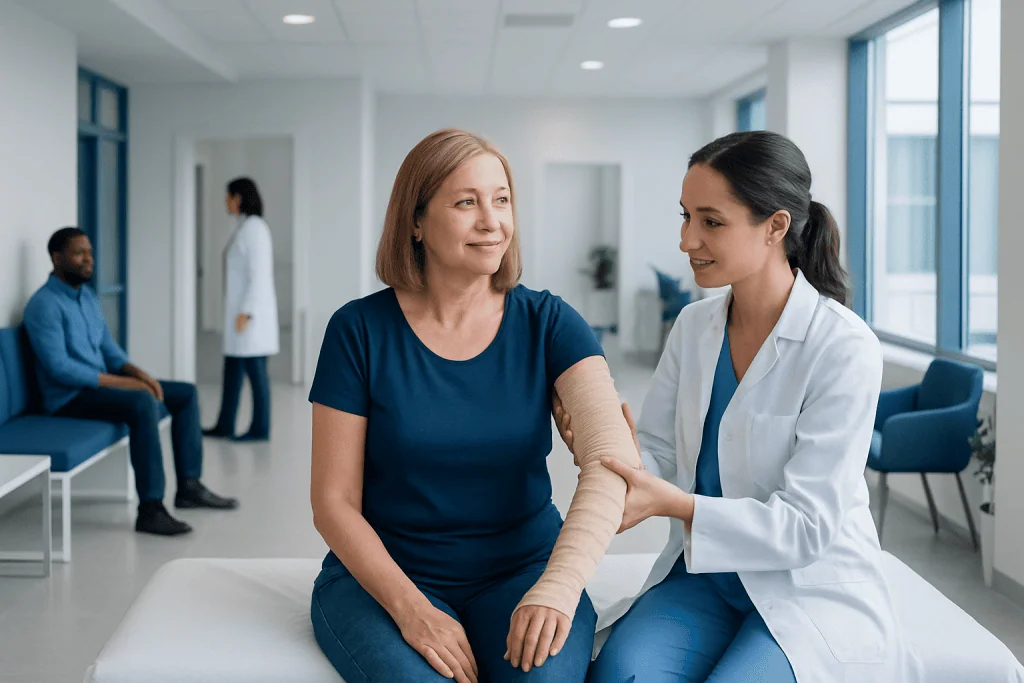
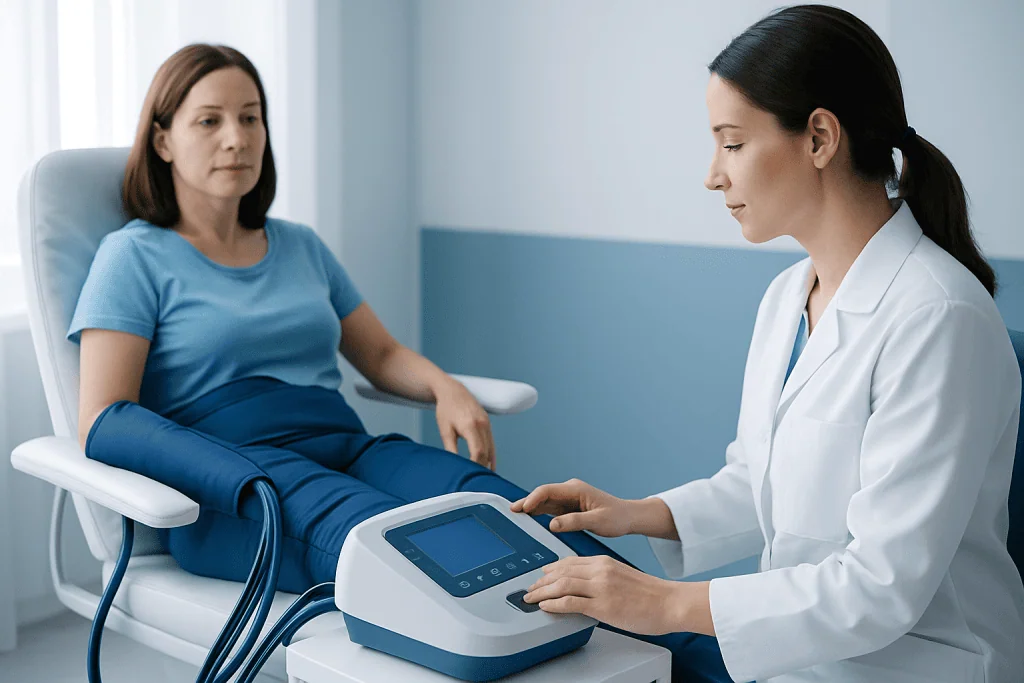
Compression is central to care. Depending on the body part and treatment stage, it may involve multilayer bandaging, adjustable wraps or properly fitted compression garments. These create external support for tissues and work with muscle movement to assist fluid return. People should use compression only as advised, since a poor fit or inappropriate level of compression can cause discomfort or skin problems.
Therapeutic exercises are usually gentle and individualized. Movement of the muscles helps support lymph flow, and the program may include breathing exercises, range-of-motion work, walking, strengthening or activity-specific guidance. Skin care education is also essential and includes moisturizing, checking for cuts or irritation, and reducing infection risk.
How Long After Taking Lymphatic Drainage Do You See Results?
Some people notice a temporary sense of lightness, less tightness or improved comfort soon after a manual lymphatic drainage session. Visible reduction in swelling is more variable. It depends on the amount of fluid and tissue change present, the body area involved, the cause of lymphedema, use of compression and consistency with the overall treatment plan.
When manual lymphatic drainage is part of an intensive CDT program, measurable changes may develop over days to weeks. For others, the most meaningful result is better symptom control, improved movement or greater ability to manage swelling rather than a dramatic immediate change in size. The therapist will monitor progress using symptoms, measurements and functional goals.
A single session is unlikely to provide lasting control without the other elements of lymphedema therapy. Compression, exercise and regular self-management generally have the greatest role in maintaining improvements between appointments.
Benefits, Limitations and Possible Risks
Potential benefits of lymphedema therapy include reduced fluid-related swelling, less heaviness and discomfort, improved ability to move, better fit of clothing or footwear, and improved confidence with daily self-care. Consistent treatment can also help protect the skin and lower the likelihood of complications associated with poorly controlled swelling.
Results differ from person to person. Lymphedema is commonly a long-term condition, particularly when lymph vessels or nodes have been permanently affected. Therapy can be highly worthwhile even when it does not return the area completely to its previous size, because maintaining a stable condition may prevent progression and support quality of life.
When delivered by trained professionals and matched to the person’s medical needs, therapy is generally well tolerated. Possible issues include temporary tenderness, skin irritation, pressure marks from poorly fitted compression, or discomfort from bandaging. New redness, warmth, pain, fever, sudden swelling or shortness of breath should not be managed with massage or compression alone and needs urgent medical assessment.
Is Lymphedema Treatment Worth It?
For many people, lymphedema treatment is worth it because it provides practical tools for controlling a chronic condition. The value of treatment is not limited to reducing measurements. It may include improved comfort, mobility, skin protection, participation in work or exercise, and greater confidence in managing symptoms independently.
The right plan should be realistic and person-centered. A therapist can help set meaningful goals, such as reducing a feeling of heaviness, fitting a garment comfortably, returning to a preferred activity or avoiding repeated flare-ups. Treatment may need adjustment over time as health needs, weight, activity level, travel plans or swelling patterns change.
For selected people with persistent symptoms despite expert conservative care, specialist assessment may include discussion of lymphedema treatment options, including surgical approaches. Surgery is not a replacement for careful assessment or self-management, and suitability depends on the type and stage of lymphedema.
How Long Does It Take for Lymphedema to Heal? Can Lymphedema Go Back to Normal?
There is no single healing timeline. If swelling is caused by a short-term trigger and the lymphatic system recovers, it may improve substantially. However, established lymphedema is often chronic because lymphatic transport has been reduced or damaged. In this setting, the focus is long-term control rather than expecting a quick cure.
Some people achieve major reduction in swelling and have few day-to-day symptoms with consistent therapy. Others may have a degree of ongoing swelling but can still improve comfort, movement and skin condition. Earlier treatment, regular compression when prescribed, physical activity, weight management where appropriate and prompt attention to skin concerns can all support better control.
It is helpful to think of lymphedema management as an ongoing partnership with the care team. Follow-up is particularly important when a garment no longer fits, swelling changes, skin problems develop or a person’s usual routine no longer controls symptoms.
When to Seek Medical Care
A person should arrange medical assessment for new or unexplained swelling, especially if it affects one arm or leg, worsens quickly or develops after surgery, radiation or cancer treatment. Not all swelling is lymphedema, and identifying the cause is important before starting treatment.
Urgent medical care is needed for swelling accompanied by sudden pain, chest pain, breathlessness, fainting, a cold or pale limb, or symptoms that could suggest a blood clot. Redness, warmth, tenderness, fever, chills or rapidly spreading skin changes may indicate infection and also require prompt care.
Acibadem International’s multidisciplinary specialists and JCI-accredited hospitals assess and treat lymphedema for international patients. Care may involve rehabilitation, vascular, oncology, plastic surgery and other relevant teams, based on the individual cause and treatment needs.
Frequently asked questions
What is the most effective lymphedema therapy?
Complete decongestive therapy is widely used as the main non-surgical treatment approach. It combines compression, exercise, skin care, education and, when indicated, manual lymphatic drainage. The most effective plan is individualized and followed consistently.
Is manual lymphatic drainage painful?
Manual lymphatic drainage should be gentle and is not intended to be painful. It uses light pressure on the skin rather than deep muscle massage. A person should tell the therapist if treatment feels uncomfortable or causes pain.
Do compression garments have to be worn forever?
Many people with chronic lymphedema need ongoing compression in some form to help maintain results. The schedule depends on the affected area, severity of swelling, activity level and response to treatment. A clinician or lymphedema therapist should advise when and how to wear the garment.
Can exercise make lymphedema worse?
Appropriately selected exercise is usually helpful because muscle movement supports fluid return and general health. Exercise should begin gradually and be tailored to the person’s symptoms, fitness and compression plan. Sudden increases in intensity or repetitive strain may worsen symptoms in some people.
What should people avoid with lymphedema?
People are generally advised to avoid skin injuries, untreated cuts, burns and overly tight clothing or jewelry on the affected area. They should also avoid relying on unproven treatments or using aggressive massage techniques. Individual restrictions vary, so advice should come from the treating clinician.
Can lymphedema come back after treatment?
Swelling can increase again if compression, skin care and other maintenance measures are stopped or if there is an infection, injury, weight change or change in health status. This does not mean treatment failed; it may mean the plan needs review. Early contact with the care team can help address changes before they become more difficult to manage.
References
- International Society of Lymphology
- National Cancer Institute
- American Cancer Society
- National Health Service
- Mayo Clinic
This article is for general information only and is not a substitute for professional medical advice. Please consult a qualified doctor about your individual situation.
Explore treatments in Turkey — costs, top hospitals & a free quote
JCI-accredited · board-certified surgeons · reply within 24h