Macroadenoma Pituitary Treatment: How It Works, Results and What to Expect

A pituitary macroadenoma is a pituitary tumor measuring 1 centimeter or more. Treatment aims to protect vision, relieve pressure symptoms, control excess hormone production, and preserve normal pituitary function.
Key Takeaways
- A pituitary macroadenoma is a pituitary tumor measuring 1 centimeter or more.
- Treatment aims to protect vision, relieve pressure symptoms, control excess hormone production, and preserve normal pituitary function.
- Many macroadenomas are treated with endoscopic surgery through the nose, while prolactin-secreting tumors often respond well to medication.
- Recovery includes monitoring for fluid and hormone changes as well as follow-up MRI scans and visual assessments.
- Long-term outcomes depend on tumor type, size, invasion of nearby structures, and whether hormone production is involved.
Macroadenoma pituitary treatment is tailored to the tumor’s size, hormone activity, effects on vision, and overall health. Options can include careful monitoring, medication, minimally invasive surgery, radiation therapy in selected cases, and long-term hormone follow-up.
Overview: How Macroadenoma Pituitary Treatment Works
Macroadenoma pituitary treatment works by addressing the specific problems caused by a pituitary tumor that is 1 centimeter or larger. The plan may aim to remove or shrink the tumor, ease pressure on the optic nerves, reduce excessive hormone production, and replace hormones when the normal pituitary gland is not making enough. The best approach depends on the tumor’s hormone pattern, position, growth, symptoms, and the person’s health needs.
Most pituitary macroadenomas are benign, meaning they are not cancer. However, their location at the base of the brain means that a growing tumor can affect nearby structures, particularly the optic nerves and normal pituitary tissue. A team commonly includes an endocrinologist, neurosurgeon, neuroradiologist, ophthalmologist or neuro-ophthalmologist, and radiation specialist when needed.
Not every macroadenoma requires immediate surgery. Small or stable nonfunctioning tumors without vision concerns may be monitored with MRI scans, blood tests, and visual field examinations. When a tumor is producing prolactin, medicines called dopamine agonists are often the first treatment and can substantially lower prolactin levels and reduce tumor size.
Symptoms, Causes and Who May Need Treatment
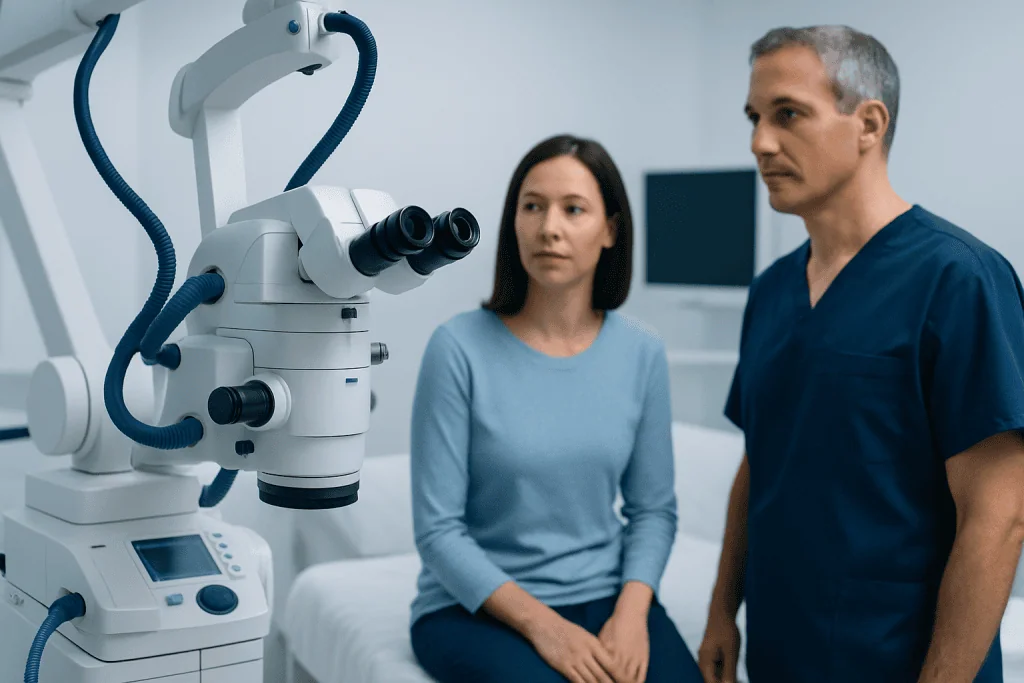
Pituitary macroadenomas may be found after symptoms develop or incidentally during imaging for another reason. Pressure-related symptoms can include headaches, reduced side vision, blurred or double vision, and, less commonly, problems with eye movements. Loss of peripheral vision can occur when the tumor presses on the optic chiasm, where important visual pathways cross.
Symptoms can also result from hormone overproduction or underproduction. Depending on the tumor type, a person may experience irregular periods, infertility, breast milk production unrelated to pregnancy, reduced libido, changes in body size or facial features, easy bruising, high blood pressure, weight changes, tiredness, or changes in thyroid and adrenal function. A nonfunctioning macroadenoma can still cause hormone deficiency by compressing the healthy pituitary gland.
In most people, the cause of a pituitary adenoma is not known. A small proportion occur in the setting of inherited syndromes, so clinicians may ask about a family history of pituitary tumors or certain endocrine conditions. Treatment is generally considered when a tumor affects vision, causes significant symptoms, produces certain hormones, grows on monitoring, or creates a meaningful risk of complications.
Candidacy and Assessment Before Treatment

Before deciding on macroadenoma pituitary treatment, clinicians confirm the tumor type and assess its effects. MRI with dedicated pituitary imaging shows the tumor’s size, shape, and relationship to the optic nerves, cavernous sinus, and nearby blood vessels. Blood and sometimes urine tests assess pituitary hormones and identify whether the tumor is functioning.
A formal visual field examination is especially important when the tumor is close to or touching the optic chiasm. The care team may also check visual acuity and eye movements. If surgery is being considered, preoperative review may include general health assessment, anesthesia evaluation, and planning for hormone replacement if adrenal or thyroid hormone levels are low.
Surgery is often recommended for a macroadenoma causing visual loss or clear compression of the optic pathways, for tumors that produce growth hormone or ACTH in many circumstances, and for selected nonfunctioning tumors. Medication is usually preferred initially for prolactinomas. Radiation is generally reserved for residual, recurrent, or persistent hormone-secreting tumors when surgery and medication have not achieved adequate control.
Pituitary Macroadenoma Surgery: Step by Step
The most common operation is endoscopic transsphenoidal surgery. It is performed through the nostrils and sphenoid sinus, an air space behind the nose, rather than through a large opening in the skull. Using a camera and specialized instruments, the surgical team reaches the pituitary gland, removes as much tumor as can be done safely, and works to protect normal pituitary tissue, optic structures, and blood vessels.
The operation is performed under general anesthesia. In many cases, an ear, nose, and throat surgeon works alongside a neurosurgeon, particularly when nasal access or reconstruction is required. If tissue is removed, a pathologist examines it to help classify the adenoma and guide future follow-up.
Complete removal may not be possible when a tumor extends into areas such as the cavernous sinus, where important nerves and arteries are located. In that situation, safe partial removal can still relieve optic nerve pressure and improve hormone control. Remaining tumor may be monitored, treated with medication when appropriate, or considered for focused radiation treatment later.
For patients considering an operative approach, pituitary tumor surgery can be discussed with a neurosurgical and endocrine team after imaging, hormone testing, and visual assessment.
Benefits, Risks and Recovery Timeline
The main benefits of treatment may include improved or protected vision, relief of pressure symptoms, lower hormone levels in functioning tumors, and better control of tumor growth. Surgery can provide rapid decompression when the optic nerves are under pressure. Medication can be highly effective for many prolactin-secreting macroadenomas and may avoid or delay surgery.
All treatments have possible risks. Surgical risks can include bleeding, infection, leakage of cerebrospinal fluid, nasal discomfort, and injury to nearby structures, although these are uncommon in experienced centers. Hormone-related complications can include temporary or permanent pituitary hormone deficiency, diabetes insipidus causing excessive thirst and urination, or low sodium levels after surgery. The individual risk depends on tumor size, extension, hormone type, prior treatments, and anatomy.
After surgery, hospital observation is commonly needed for several days so clinicians can monitor fluid balance, sodium levels, adrenal function, vision, and symptoms of cerebrospinal fluid leakage. Nasal congestion, fatigue, and headache can occur early on. Many people gradually resume light daily activities within a few weeks, but the exact timeline varies and strenuous activity or nose blowing may be limited temporarily.
Follow-up commonly includes hormone blood tests, a postoperative MRI at a time chosen by the team, and repeated scans thereafter. Some people need ongoing hormone replacement or additional treatment. Regular follow-up is important because some tumors can persist or regrow over time.
What Is the Success Rate of Pituitary Macroadenoma Surgery?
There is no single success rate for pituitary macroadenoma surgery because success is measured differently for different tumors. For a tumor pressing on the optic nerves, successful surgery may mean restoring or stabilizing vision. For a hormone-secreting tumor, it may mean achieving normal hormone levels, while for a nonfunctioning tumor it may mean safely reducing pressure and controlling future growth.
Outcomes are generally most favorable when the tumor can be fully removed and has not extensively grown into nearby structures. Larger tumors, prior operations, and invasion into the cavernous sinus can make complete removal more difficult. Even when total removal is not possible, surgery may still provide an important benefit by relieving compression and creating a safer situation for monitoring or additional treatment.
Clinicians review likely goals based on the individual MRI findings, hormone results, visual testing, and tumor subtype. An experienced pituitary team can explain whether the expected priority is vision preservation, hormone remission, tumor control, symptom relief, or a combination of these outcomes.
What Should I Expect After Pituitary Macroadenoma Surgery?
Immediately after pituitary macroadenoma surgery, patients are monitored for neurological changes, vision, urine output, thirst, blood pressure, and hormone-related changes. Blood tests are used to check sodium and cortisol, among other values. Some people need temporary steroid replacement while the adrenal-pituitary system recovers, and the team explains how and when medications should be adjusted.
During the first weeks, nasal stuffiness, tiredness, mild headache, and a reduced sense of smell may occur. Follow-up appointments may include nasal examination, endocrine testing, and a review of symptoms. Patients should follow their surgical team’s instructions about activity, nasal care, driving, work, and medications.
Urgent medical advice is needed for a clear, persistent watery nasal discharge, fever, worsening severe headache, confusion, fainting, significant vision changes, excessive thirst with very frequent urination, or repeated vomiting. These symptoms do not always mean a complication, but prompt assessment is important after pituitary surgery.
Is Pituitary Macroadenoma Curable and How Long Does Medication Take to Shrink It?
Many pituitary macroadenomas can be effectively controlled, and some can be completely removed or brought into long-term hormone remission. Whether a tumor is considered curable depends on its type, whether it has spread into nearby structures, and whether all visible tumor can be safely removed. A residual tumor does not necessarily cause symptoms or require immediate additional treatment, but it does require planned follow-up.
For prolactinomas, dopamine agonist medication often lowers prolactin promptly and can begin reducing tumor size over the following weeks to months. The pace varies between individuals and tumors, so clinicians use symptoms, hormone levels, and repeat MRI scans to judge the response. Medication may need to continue long term, and changes should only be made with specialist guidance.
Other functioning macroadenomas may need surgery first, followed by medication or radiation if hormone levels remain elevated. Acibadem International’s multidisciplinary specialists and JCI-accredited hospitals assess pituitary tumors for international patients using coordinated endocrine, imaging, visual, and neurosurgical care.
Frequently asked questions
What is a pituitary macroadenoma?
A pituitary macroadenoma is a usually benign tumor of the pituitary gland measuring at least 1 centimeter. It may make excess hormones, reduce normal hormone production, or press on nearby structures such as the optic nerves.
Does every pituitary macroadenoma need surgery?
No. Some stable nonfunctioning macroadenomas can be monitored with MRI scans, hormone tests, and visual assessments. Prolactin-secreting macroadenomas are often treated first with medication, while surgery is more likely when vision is affected or another tumor type requires removal.
What is the success rate of pituitary macroadenoma surgery?
Success depends on the tumor type and the treatment goal, such as relieving optic nerve pressure, normalizing hormone levels, or controlling tumor growth. Complete removal is more likely for tumors that are well defined and have not grown into nearby structures, but partial removal can still be beneficial.
What should I expect after pituitary macroadenoma surgery?
Early recovery usually includes hospital monitoring for fluid balance, sodium levels, vision, and pituitary hormone function. Nasal congestion, fatigue, and mild headaches can occur, while follow-up blood tests and MRI scans help guide longer-term care.
Is pituitary macroadenoma curable?
Some macroadenomas can be completely removed or controlled long term, especially when they are localized and do not invade nearby structures. Others may require ongoing monitoring, medication, hormone replacement, or additional treatment to maintain control.
How long does it take to shrink a pituitary tumor with medication?
For prolactin-secreting tumors, medication can lower prolactin levels quickly and tumor shrinkage may become evident over weeks to months. The response varies, so specialists monitor symptoms, hormone results, and MRI scans rather than relying on a fixed timeline.
References
- Endocrine Society
- Pituitary Society
- National Institute of Diabetes and Digestive and Kidney Diseases
- American Association of Neurological Surgeons
- Mayo Clinic
This article is for general information only and is not a substitute for professional medical advice. Please consult a qualified doctor about your individual situation.
Oncology care in Turkey — second opinion and treatment plan
JCI-accredited · board-certified surgeons · reply within 24h
Add us as a Preferred Source to see more of our trusted health content across Google Search, AI Overviews and Discover.
Check your numbers in seconds
BMI, calories, due date, blood pressure and 30+ more clinical calculators — free, instant, doctor-reviewed ranges.