Male Ejaculation: What Patients Need to Know

Male ejaculation is a normal reflex involving the brain, nerves, hormones, pelvic muscles, and reproductive organs. Timing, semen volume, sensation, and force can vary from person to person and may change with age, stress, or health conditions.
Key Takeaways
- Male ejaculation is a normal reflex involving the brain, nerves, hormones, pelvic muscles, and reproductive organs.
- Timing, semen volume, sensation, and force can vary from person to person and may change with age, stress, or health conditions.
- Common ejaculation concerns include premature ejaculation, delayed ejaculation, painful ejaculation, low semen volume, and retrograde ejaculation.
- Evaluation may involve a medical history, physical exam, urine or semen tests, and sometimes hormone or imaging studies.
- Treatment depends on the cause and may include lifestyle changes, counseling, pelvic floor support, or medical care from a urology specialist.
Male ejaculation is the release of semen from the penis, usually during orgasm. It is a normal body function, but changes in timing, volume, force, pain, or fertility can sometimes signal a treatable health issue.
Overview
Male ejaculation is the release of semen from the penis, most often during orgasm. It is part of sexual function and reproduction, but it is not controlled by one organ alone. Instead, it depends on coordination between the brain, spinal cord, nerves, pelvic floor muscles, prostate, seminal vesicles, and testicles.
In everyday terms, ejaculation usually happens in two phases. First, sperm and fluid move into the urethra, the tube that carries urine and semen. Then rhythmic muscle contractions push semen out through the penis. Although orgasm and ejaculation often happen together, they are not exactly the same process, and in some situations they can occur separately.
There is a wide range of normal. Semen volume, force, timing, and sensation differ between individuals and can change over time. Age, stress, fatigue, relationship factors, certain medicines, and medical conditions can all influence male ejaculation. A change is not always a sign of disease, but ongoing symptoms deserve attention if they cause distress, pain, or fertility concerns.
How Male Ejaculation Works
Male ejaculation begins with sexual stimulation, which may be physical, mental, or both. Signals from the brain and spinal cord activate nerves that coordinate the reproductive tract. Testosterone supports sexual desire and sperm production, while healthy blood flow and nerve function help maintain normal sexual response.
During the first phase, called emission, sperm travel from the testicles and epididymis through the vas deferens. Fluid from the seminal vesicles and prostate mixes with sperm to form semen. At the same time, the opening to the bladder closes so semen does not usually flow backward into it.
During the second phase, called expulsion, pelvic floor and urethral muscles contract rhythmically to move semen out of the penis. This is usually experienced as ejaculation. The sensation of orgasm commonly overlaps with this phase, but a person may notice differences in intensity, timing, or pleasure depending on physical and emotional factors.
Understanding this sequence helps explain why ejaculation problems can have many causes. A change may relate to nerves, hormones, pelvic muscles, emotional stress, medication side effects, or conditions affecting the prostate or urinary tract.
What Is Considered Normal

There is no single standard for what male ejaculation should feel like or how often it should occur. Some men ejaculate quickly with little stimulation, while others take longer. Semen volume can vary depending on age, hydration, time since last ejaculation, and overall reproductive health. The force of ejaculation also differs naturally.
Occasional changes are common. Stress, poor sleep, alcohol use, relationship tension, and anxiety can affect timing or sensation. Temporary changes after illness, surgery, or a new medicine may also occur. These do not always indicate a serious problem, especially if they improve.
It can help to focus less on comparison and more on whether ejaculation is comfortable, predictable enough for the person and partner, and aligned with fertility goals if conception is desired. A medical evaluation may be useful when symptoms are persistent, cause distress, or are associated with pain, blood, infertility, or erection problems.
- Normal variation includes differences in timing, volume, and intensity.
- Changes with age are common, including lower semen volume or less forceful ejaculation.
- One-time changes are often less concerning than symptoms that continue or worsen.
Common Ejaculation Problems and Symptoms
Ejaculation concerns are common and can affect confidence, relationships, and fertility. One of the best-known is premature ejaculation, in which ejaculation happens sooner than desired, often with limited control. Another is delayed ejaculation, where ejaculation takes much longer than expected or does not happen despite adequate stimulation. Both can have physical and psychological contributors.
Some men notice painful ejaculation, burning, or pelvic discomfort. This may be linked to infection, inflammation, pelvic floor tension, prostate issues, or irritation in the urinary tract. Others may see reduced semen volume, weak force, or a “dry orgasm,” where very little or no semen comes out. In retrograde ejaculation, semen goes backward into the bladder instead of exiting the penis.
Blood in semen can be alarming, but it is often caused by inflammation or a minor condition. Even so, it should be assessed, especially if it recurs. Ejaculation changes may also happen together with difficulty getting or keeping an erection, reduced sexual desire, or concerns about fertility. In some cases, the underlying issue relates to erectile dysfunction or another men’s health condition rather than ejaculation itself.
- Ejaculation that happens too soon or much later than desired
- Pain, burning, or pelvic pressure with ejaculation
- Low semen volume, weak force, or no visible semen
- Cloudy urine after orgasm, which can suggest retrograde ejaculation
- Blood in semen or trouble conceiving
Causes and Risk Factors
Ejaculation problems can result from more than one factor at the same time. Stress, performance anxiety, depression, and relationship strain can influence arousal and control. Past sexual experiences, fear of failure, or limited communication with a partner may also play a role, especially in premature or delayed ejaculation.
Physical causes include diabetes, nerve disorders, spinal cord conditions, pelvic surgery, prostate disease, hormonal imbalance, infection, and side effects from medicines such as some antidepressants or blood pressure treatments. Reduced testosterone may affect desire and overall sexual function, although it does not explain every ejaculation concern. Problems in the bladder neck or prostate can contribute to retrograde ejaculation or painful ejaculation.
Lifestyle factors matter too. Smoking, heavy alcohol use, recreational drugs, chronic sleep deprivation, and low physical activity can affect nerve function, circulation, and sexual wellbeing. Age can bring gradual changes in semen volume and force, but sudden or severe changes are less likely to be normal aging alone.
When fertility is a concern, doctors may also consider sperm production, semen transport, prior infections, varicocele, or obstruction. In some cases, evaluation overlaps with broader male infertility assessment because ejaculation and semen quality both affect the chance of conception.
How Doctors Diagnose Ejaculation Concerns
Diagnosis starts with a careful conversation. A doctor may ask when the problem began, whether it happens every time or only sometimes, and whether there are related symptoms such as pain, erection changes, low desire, urinary symptoms, or fertility difficulty. Medication use, chronic conditions, surgery history, and emotional stress are also important.
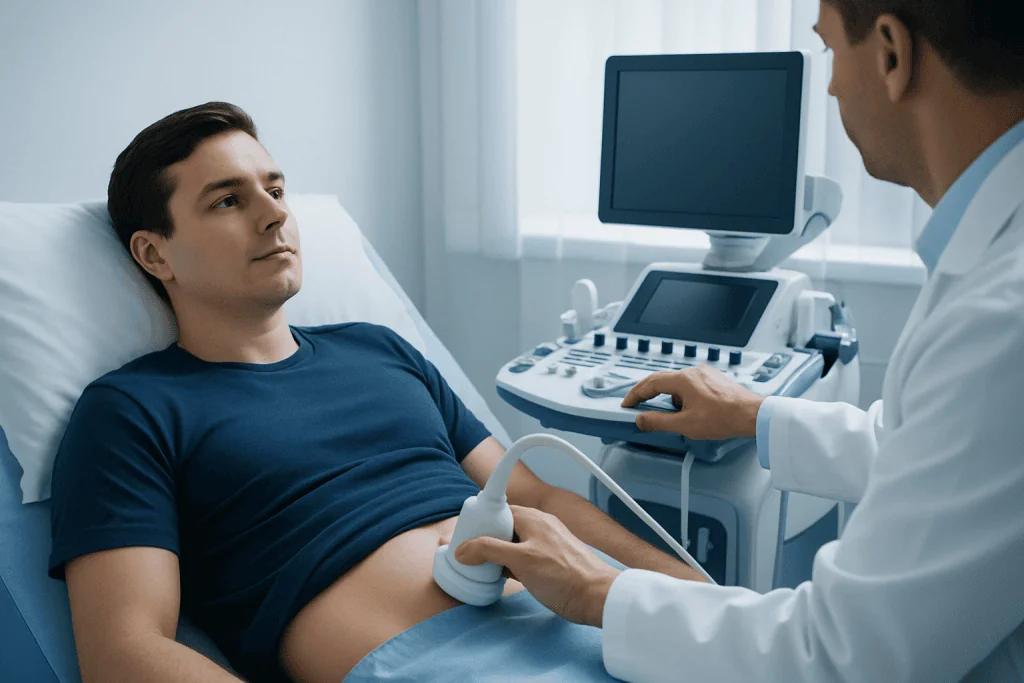
A physical examination may include the genitals, prostate, and sometimes the pelvic floor area. Depending on the symptoms, tests may include urine testing, semen analysis, hormone tests, or blood sugar evaluation. If retrograde ejaculation is suspected, the doctor may check urine after orgasm for sperm. These steps help identify whether the cause is more likely to be neurologic, hormonal, urologic, or psychological.
Some people benefit from specialized evaluation by a urologist or sexual medicine expert. If fertility is part of the concern, fertility treatment evaluation may be discussed after the male partner has been assessed. Men with urinary, prostate, or structural symptoms may need a more focused urology assessment or imaging to guide treatment.
Treatment Options and Self-Care
Treatment for male ejaculation depends on the cause and on the patient’s goals. If a medicine is contributing, a doctor may consider alternatives. If infection, inflammation, diabetes, or hormone imbalance is involved, treating that condition may improve symptoms. Pelvic floor therapy may help some men with pain, muscle tension, or control concerns.
For premature ejaculation, approaches may include behavioral strategies, counseling, and in some cases medical treatment prescribed by a clinician. Delayed ejaculation may improve by addressing medication effects, emotional factors, or neurologic and hormonal causes. Retrograde ejaculation treatment depends on why it occurs, and fertility-focused options may be considered if conception is desired.
Self-care can also make a meaningful difference. Reducing alcohol, stopping smoking, managing stress, getting regular exercise, and improving sleep support sexual health overall. Open communication with a partner can lower pressure and improve satisfaction. Men who experience erection difficulties along with ejaculation concerns may need evaluation and, when appropriate, erectile dysfunction treatment as part of a broader care plan.
Near the end of the care journey, some patients benefit from coordinated support across urology, endocrinology, fertility, and mental health. Acibadem International’s multidisciplinary specialists and JCI-accredited hospitals diagnose and treat these concerns for international patients when specialist care is needed.
When to Seek Medical Care
Medical care is appropriate when a change in male ejaculation is persistent, distressing, painful, or affecting fertility or relationships. It is also sensible to seek help if symptoms begin suddenly, follow surgery, or occur together with urinary problems, pelvic pain, or erection difficulties. Many causes are treatable, and assessment can also provide reassurance when the variation is benign.
Prompt evaluation is especially important for blood in semen that recurs, severe pain with ejaculation, fever, genital swelling, or symptoms of infection. Men trying to conceive should also seek care if ejaculation seems abnormal or if pregnancy is not occurring as expected. A qualified doctor can determine whether the issue is mainly physical, psychological, or both and recommend the most suitable next steps.
Frequently asked questions
Is male ejaculation the same as orgasm?
Not exactly. Orgasm is the pleasurable sensation linked to sexual climax, while ejaculation is the physical release of semen. They usually happen together, but in some situations they can occur separately.
Can male ejaculation change with age?
Yes. With age, some men notice lower semen volume, less forceful ejaculation, or a longer time needed to reach ejaculation. Gradual changes can be normal, but sudden, painful, or severe changes should be evaluated.
What causes little or no semen to come out?
Low semen volume or no visible semen can happen for several reasons, including recent ejaculation, dehydration, medication effects, obstruction, or retrograde ejaculation. It may also be linked to prostate, bladder neck, or fertility issues. A doctor can help determine the cause.
Is painful ejaculation normal?
Painful ejaculation is not considered a normal finding, although it does not always mean something serious. It can be related to infection, inflammation, pelvic floor tension, or prostate and urinary tract conditions. Persistent pain should be assessed by a clinician.
When should a man worry about blood in semen?
A single episode may be caused by a minor inflammatory problem, but recurring blood in semen should be checked. Medical review is especially important if it happens with pain, fever, urinary symptoms, or age-related prostate concerns.
Can stress or anxiety affect male ejaculation?
Yes. Stress, performance anxiety, depression, and relationship strain can affect arousal, timing, control, and overall sexual satisfaction. Because emotional and physical factors often overlap, effective treatment may address both.
References
- American Urological Association
- National Institute of Diabetes and Digestive and Kidney Diseases
- Mayo Clinic
- National Health Service
- European Association of Urology
This article is for general information only and is not a substitute for professional medical advice. Please consult a qualified doctor about your individual situation.
IVF & fertility treatment in Turkey — success rates and costs
JCI-accredited · board-certified surgeons · reply within 24h
Add us as a Preferred Source to see more of our trusted health content across Google Search, AI Overviews and Discover.

More from the Health Library

B Cells: An Evidence-Based Guide for Patients

Nicotine Poisoning: What Patients Need to Know

Urine in Pee Male — Explained by Medical Evidence, Not Myths

Acne Retin — Explained by Medical Evidence, Not Myths

Average Mile Time: An Evidence-Based Guide for Patients