Mandela Effect: What Patients Need to Know

The mandela effect describes a shared false memory among a group of people. It is usually linked to normal memory processes, attention, suggestion, and repeated exposure to incorrect information.
Key Takeaways
- The mandela effect describes a shared false memory among a group of people.
- It is usually linked to normal memory processes, attention, suggestion, and repeated exposure to incorrect information.
- Having one or two false memories does not by itself mean a person has dementia or another brain disease.
- Sudden confusion, major memory loss, personality change, or trouble with daily tasks should be evaluated by a doctor.
- Sleep, stress management, and careful fact-checking can help reduce everyday memory errors.
The mandela effect is when many people remember the same event, detail, or wording differently from what records show. In most cases, it reflects normal limits of human memory rather than a medical disorder, but new or worsening memory problems deserve professional attention.
Overview: What the Mandela Effect Means
The mandela effect is a term used when many people remember the same fact, image, phrase, or event in a way that does not match reliable records. Patients often ask whether this means something is wrong with their brain. In most situations, the answer is no: the mandela effect is better understood as a feature of how human memory works than as a disease.
Memory is not a perfect recording. The brain stores pieces of information, then reconstructs them when needed. During that reconstruction, details can be influenced by expectations, similar memories, emotion, repeated retelling, and things heard from other people. When the same mistaken version spreads widely, a shared false memory can develop.
This topic matters in healthcare because people may become worried when they notice memory mistakes in themselves or loved ones. It can be reassuring to know that occasional false memories are common. At the same time, persistent or progressive memory change should not be dismissed, especially if it affects safety, work, relationships, or daily living.
How Memory Creates Shared False Memories
Human memory is reconstructive, not photographic. When a person recalls something, the brain fills in gaps using meaning, patterns, and prior knowledge. This usually helps day-to-day functioning, but it can also create errors. For example, a familiar phrase may be remembered in a more “logical” form even if that is not how it originally appeared.
Shared false memories often arise because people are exposed to the same cues. News coverage, social media, conversations, memes, and repeated retellings can all reinforce a mistaken detail. Once a version feels familiar, it may also feel true, even when records show otherwise.
Psychologists also describe the role of suggestion and source confusion. A person may remember hearing a detail but forget where it came from, later assuming it was part of the original event. This does not mean the person is careless or dishonest; it is a normal cognitive shortcut that can affect anyone.
- Expectation: the brain favors details that fit a known pattern.
- Familiarity: repeated exposure makes information seem more believable.
- Source confusion: people may mix up what they saw, heard, or inferred.
- Group influence: others’ memories can shape an individual’s recall.
Is the Mandela Effect a Medical Problem?

By itself, the mandela effect is not considered a medical diagnosis. Remembering a movie quote, logo, spelling, or public event incorrectly does not automatically suggest dementia, psychosis, or another neurological illness. Occasional memory errors are part of normal cognition.
However, context is important. If memory changes are frequent, new, worsening, or accompanied by confusion, difficulty speaking, problems managing medications or finances, personality change, or loss of independence, a medical evaluation is appropriate. Clinicians look at the whole picture rather than one isolated memory mistake.
Some health conditions can affect memory and thinking. These include sleep deprivation, anxiety, depression, certain medications, vitamin deficiencies, thyroid problems, head injury, neurological disease, and substance use. If there are broader symptoms, doctors may assess for conditions such as Alzheimer’s disease or other causes of cognitive change.
Possible Causes and Risk Factors for Memory Distortion
Several factors make false memories more likely. Stress can narrow attention at the time of an event, leaving fewer details to recall later. Poor sleep can impair concentration and memory consolidation. Multitasking and information overload also reduce accurate encoding of details from the start.
Mood and mental health can play a role as well. Anxiety may increase self-doubt about what was remembered, while depression can affect concentration and retrieval. Social pressure and highly emotional discussions can strengthen confidence in inaccurate recollections. In these situations, the problem is often not memory loss alone but the way information was first processed and later reconstructed.
Age can influence memory style, but false memories occur at all ages. In older adults, clinicians may pay closer attention if errors come with functional decline or confusion. In children and teenagers, suggestion from peers or adults may have a stronger effect. When symptoms are concerning, specialists may recommend a clinical assessment and, if needed, neuropsychological testing to examine attention, memory, language, and executive function in more detail.
How Doctors Evaluate Concerning Memory Symptoms
When a patient seeks help for memory concerns, the first step is a careful medical history. A doctor will ask when the problem started, how often it happens, whether it is worsening, and how it affects everyday life. Information from a family member can be helpful because close contacts may notice patterns the patient does not.
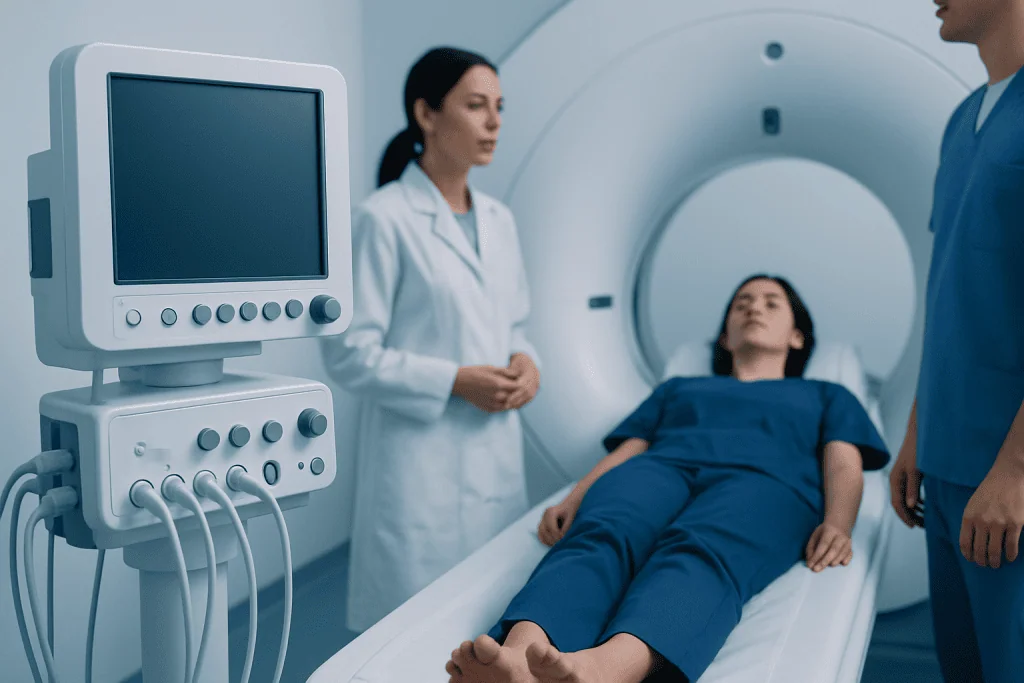
The evaluation may include a physical and neurological examination, basic cognitive screening, and a review of medications, alcohol use, sleep quality, mood, and medical conditions. Blood tests may be used to look for treatable causes such as vitamin deficiency, infection, metabolic problems, or thyroid disease. If there are red flags, imaging such as MRI may be recommended to assess structural causes.
Further assessment depends on the clinical picture. Some patients benefit from specialist care in neurology, psychiatry, geriatrics, or sleep medicine. If symptoms suggest seizures, head trauma, or a disorder affecting cognition, targeted testing may be needed. The aim is not simply to label memory errors, but to identify whether there is a reversible issue, a mental health concern, or a neurological condition that needs treatment.
Treatment and Support: What Helps If Memory Problems Are Real
There is no treatment for the mandela effect itself because it is not a disease. If shared false memories are simply causing curiosity or mild concern, education is often enough. Understanding that memory is reconstructive can reduce anxiety and help people approach uncertain memories more carefully.
When a genuine health issue is affecting memory, treatment depends on the cause. Managing depression, anxiety, sleep disorders, medication side effects, vitamin deficiencies, or thyroid disease may improve concentration and recall. If there is a neurological disorder, care may involve targeted medication, rehabilitation, counseling, safety planning, and follow-up with specialists.
Some patients may also need structured support such as cognitive rehabilitation, psychotherapy, or memory strategies for daily life. In selected cases, doctors may evaluate concerns related to epilepsy or other neurological conditions that can affect awareness and memory. Near the end of the care pathway, international patients may choose centers such as Acibadem International, where multidisciplinary specialists in JCI-accredited hospitals evaluate and treat neurological and cognitive concerns.
Self-Care and Ways to Reduce Everyday Memory Errors
Healthy routines can improve attention and make memory more reliable. Good sleep is especially important because the brain consolidates information during sleep. Regular physical activity, balanced nutrition, stress reduction, and limiting alcohol can also support cognitive performance.
Practical strategies help as well. Writing things down, using calendars or reminders, focusing on one task at a time, and checking original sources before repeating a fact can reduce confusion. In conversations, it may help to say “I may be remembering this wrong” when details are uncertain.
If a person notices frequent mistakes, it can be useful to track when they happen. Are they worse during stress, after poor sleep, or while taking a new medication? This kind of symptom diary can provide useful information for a clinician. If memory concerns are significant, referral for neurology rehabilitation or cognitive support may be part of a broader treatment plan.
When to Seek Medical Care
A person should seek medical advice if memory changes are new, worsening, or interfering with daily life. Warning signs include repeated forgetting of important information, getting lost in familiar places, difficulty following conversations, missed medications, trouble handling money, or noticeable changes in judgment, mood, or personality.
Urgent medical care is needed for sudden confusion, sudden trouble speaking, weakness on one side, severe headache, loss of consciousness, or symptoms after a head injury. These may point to conditions that require immediate assessment rather than a simple memory error.
Families should also pay attention when a loved one minimizes symptoms but functioning is clearly changing. Early evaluation can identify treatable causes and help with planning, safety, and support. A qualified doctor can distinguish normal memory lapses from problems that need further investigation.
Frequently asked questions
What is the mandela effect in simple terms?
The mandela effect is when many people remember the same detail incorrectly, even though records show something different. It is a type of shared false memory and usually reflects normal memory processes rather than disease.
Does the mandela effect mean someone has dementia?
No, not by itself. Remembering a quote, name, logo, or event incorrectly is common and does not automatically suggest dementia. Concern rises when memory problems are frequent, progressive, or affecting daily life.
Why do many people share the same false memory?
People are often exposed to the same incorrect information through conversations, media, and repeated retellings. The brain also tends to fill in gaps using patterns and expectations, which can make the same mistake seem convincing to many people.
Can stress or poor sleep make memory errors worse?
Yes. Stress can reduce attention when information is first learned, and poor sleep can interfere with memory consolidation. Both can make everyday recall less reliable and increase the chance of confusion.
How can someone tell the difference between normal memory mistakes and a medical problem?
Normal mistakes are usually occasional and do not disrupt independence. A medical problem is more likely when memory changes are new, worsening, or accompanied by confusion, personality changes, language problems, or difficulty managing daily tasks.
What kind of doctor should a person see for troubling memory changes?
A primary care doctor is often the best first step. Depending on symptoms, the patient may be referred to a neurologist, psychiatrist, geriatric specialist, or neuropsychologist for further evaluation.
References
- National Institute on Aging
- National Institute of Neurological Disorders and Stroke
- American Psychological Association
- Mayo Clinic
- World Health Organization
This article is for general information only and is not a substitute for professional medical advice. Please consult a qualified doctor about your individual situation.
Explore treatments in Turkey — costs, top hospitals & a free quote
JCI-accredited · board-certified surgeons · reply within 24h
Add us as a Preferred Source to see more of our trusted health content across Google Search, AI Overviews and Discover.