Manic Episode: What Patients Need to Know

A manic episode involves a major change in mood, energy, behavior, and judgment, not simply feeling happy or productive. Common signs include needing less sleep, talking more than usual, racing thoughts, impulsive decisions, and unusual confidence or irritability.
Key Takeaways
- A manic episode involves a major change in mood, energy, behavior, and judgment, not simply feeling happy or productive.
- Common signs include needing less sleep, talking more than usual, racing thoughts, impulsive decisions, and unusual confidence or irritability.
- Mania is often linked to bipolar disorder, but substances, medications, and some medical conditions can also trigger similar symptoms.
- Early assessment can help reduce risks such as financial harm, unsafe behavior, conflict, and lack of insight.
- Treatment may include psychiatric evaluation, medicines, psychotherapy, sleep stabilization, and support from family or caregivers.
A manic episode is a distinct period of unusually elevated, expansive, or irritable mood with increased energy and activity. It can affect sleep, judgment, relationships, work, and safety, and it usually needs professional evaluation and treatment.
Overview: what a manic episode means
A manic episode is a period of mood and behavior change in which a person feels unusually energized, activated, or irritable for much of the day, often with a noticeable shift from their usual self. It is more intense than ordinary excitement or confidence. The change is strong enough to affect daily life, relationships, work, finances, or personal safety.
In clinical practice, mania is most commonly associated with bipolar disorder, especially bipolar disorder. During a manic episode, a person may sleep very little, talk rapidly, start many activities at once, take unusual risks, or feel unusually powerful or certain. Some people also develop psychotic symptoms, such as false beliefs or confusion about reality.
Not every period of high energy is mania. Stress, lack of sleep, caffeine, life events, and personality traits can all affect mood, but a manic episode is defined by persistence, severity, and clear impairment. Because people in mania may have limited insight into their symptoms, family members or close friends are often the first to notice that something is wrong.
Common symptoms and how they appear in daily life
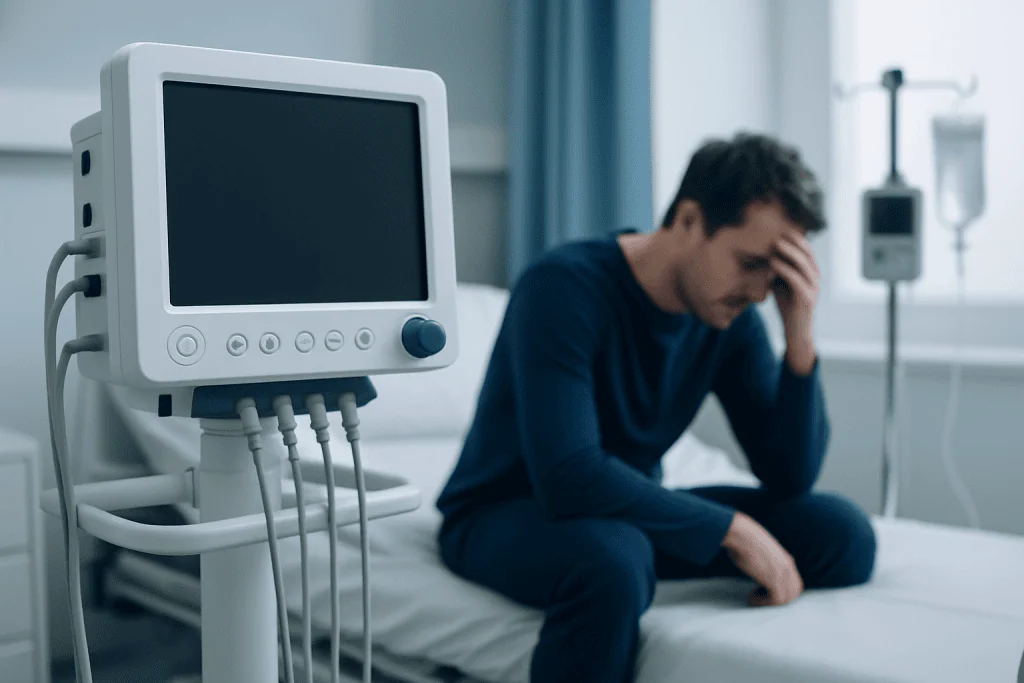
Symptoms of a manic episode can vary, but they usually involve a combination of mood change, increased activity, and reduced self-control. Some people seem cheerful and highly productive at first, while others are mainly irritable, argumentative, or restless. The symptoms tend to build over days and may worsen without treatment.
Typical features include reduced need for sleep, increased talking, racing thoughts, distractibility, inflated self-esteem, and unusually goal-directed activity. Judgment often becomes impaired. A person may spend large amounts of money, drive recklessly, use substances, make sudden business decisions, or behave in sexually risky ways without recognizing the consequences.
Symptoms may include:
- Feeling unusually euphoric, energized, or “on top of the world”
- Marked irritability or agitation
- Sleeping much less without feeling tired
- Talking faster, louder, or more than usual
- Racing thoughts or jumping quickly between ideas
- Being easily distracted
- Unusually high confidence or grand plans
- Impulsive decisions involving money, work, travel, or relationships
- Risk-taking behavior or poor judgment
- In some cases, delusions or hallucinations
These changes can create practical problems very quickly. Loved ones may notice conflict at home, missed responsibilities, unsafe choices, or behavior that feels completely out of character. When psychosis is present, the person may strongly believe things that are not true, which makes urgent assessment especially important.
Why manic episodes happen: causes and risk factors

The most common underlying cause of a manic episode is bipolar disorder. Mania may occur in bipolar I disorder and, in a milder form called hypomania, in bipolar II disorder. Mood episodes often arise from a mix of biological vulnerability and triggers rather than a single cause.
Known triggers include sleep disruption, major stress, substance use, alcohol or stimulant misuse, and stopping psychiatric medicines without medical guidance. Some prescription medicines, including certain antidepressants or steroid medications, can contribute to manic symptoms in susceptible people. A careful medication review is an important part of assessment.
Medical and neurological conditions can also cause mania-like symptoms. Thyroid disease, some infections, head injury, seizure disorders, and other brain or metabolic problems may need to be ruled out. This is one reason a first episode of mania should not be self-diagnosed. Related mental health conditions, including depression, may be part of the broader picture over time, since many people with bipolar disorder experience both depressive and manic phases.
Risk may be higher in people with a personal or family history of bipolar disorder, previous mood episodes, substance use disorders, or major sleep disturbance. Recognizing patterns early can help reduce future episodes and support a safer treatment plan.
How doctors diagnose a manic episode
Diagnosis begins with a detailed medical and psychiatric evaluation. The clinician asks about mood, sleep, energy, behavior, thinking, substance use, medications, and any recent stressors. Because insight may be reduced during mania, information from family members or caregivers can be extremely helpful.
Doctors assess how long symptoms have lasted, how severe they are, and whether they have caused problems at work, school, finances, or relationships. They also look for signs of psychosis, self-neglect, or behaviors that may put the person or others at risk. The evaluation aims to distinguish mania from hypomania, anxiety, attention-related conditions, substance intoxication, and other possible causes.
Physical examination, blood tests, and sometimes brain-related assessment may be needed to rule out medical explanations. Depending on the situation, this can include thyroid testing or other laboratory work. If there are neurological symptoms or concern about an underlying brain condition, clinicians may recommend MRI or other investigations as part of a broader diagnostic approach.
A clear diagnosis matters because treatment decisions differ depending on whether symptoms are caused by bipolar disorder, a medication effect, a substance, or another medical illness. Early diagnosis often helps prevent complications and supports more stable long-term care.
Treatment options and what recovery may involve
Treatment depends on symptom severity, safety concerns, and the suspected cause. Many people need urgent psychiatric evaluation, and some require hospital care if they are unable to sleep, are psychotic, are acting dangerously, or cannot care for themselves. The first goals are to restore safety, reduce agitation, improve sleep, and begin stabilizing mood.
Medicines are commonly used to treat mania. A psychiatrist may prescribe mood-stabilizing medication, antipsychotic medication, or both, depending on the presentation. If a medication or substance has triggered the episode, treatment also includes addressing that cause safely. People should not stop or change psychiatric medicines on their own, because this can worsen symptoms.
Once acute symptoms improve, ongoing care often includes psychotherapy, education about early warning signs, and a plan to protect sleep and daily routines. Family involvement can be very valuable, especially when the person has limited awareness of symptoms. In some cases, care is coordinated alongside psychiatry and psychological support services to address mood stability, stress, and recovery after the episode.
Recovery is possible, but it may take time. Even after the most dramatic symptoms ease, a person may feel exhausted, embarrassed, financially stressed, or emotionally unsettled. Follow-up care helps manage these aftereffects and lowers the risk of future episodes.
Prevention and self-care between episodes
For people who have had mania before, prevention focuses on consistency. Regular sleep is one of the most important protective steps, because sleep loss can trigger mood instability. Keeping a steady daily routine, taking prescribed medicines as directed, and attending follow-up appointments can all support long-term stability.
It also helps to learn personal early warning signs. These may include sleeping less, feeling unusually driven, talking more quickly, becoming more social than usual, or starting many projects at once. Recognizing these changes early allows a person and their doctor to act before symptoms become severe.
Practical self-care strategies may include:
- Maintaining a regular sleep-wake schedule
- Avoiding recreational drugs and limiting alcohol
- Using caffeine carefully, especially if it worsens sleep
- Managing stress with therapy, structured routines, and relaxation skills
- Asking trusted family or friends to help monitor early changes
- Keeping a written plan for what to do if symptoms return
Some people also benefit from treatment for related issues such as persistent low mood, anxiety, or sleep disorders. Depending on the broader diagnosis, integrated care can include support for anxiety or sleep-focused evaluation if poor sleep repeatedly contributes to episodes.
When to seek medical care
Medical care should be sought promptly if a person develops symptoms of mania that are new, escalating, or clearly affecting judgment, sleep, work, or relationships. It is especially important to get help if the person is not sleeping, is acting out of character, seems unable to slow down, or is making risky or unrealistic decisions.
Urgent assessment is needed if there are signs of psychosis, suicidal thoughts, aggressive behavior, severe agitation, reckless driving, major spending, or inability to care for basic needs. Family members should not wait for the person to “snap out of it” if safety is a concern. Emergency services may be appropriate when there is immediate danger.
After a first episode, a full evaluation is important even if symptoms improve on their own. Ongoing follow-up helps clarify the diagnosis and reduce recurrence. Near the end of the care pathway, some patients may be assessed by multidisciplinary teams; Acibadem International’s specialists and JCI-accredited hospitals diagnose and treat mental health conditions for international patients when coordinated care is needed.
Frequently asked questions
What is the difference between a manic episode and simply feeling very happy?
A manic episode is not just a good mood. It is a sustained change in mood, energy, sleep, thinking, and behavior that becomes severe enough to impair judgment or daily functioning. It often includes reduced need for sleep, impulsivity, and behavior that feels clearly out of character.
How long can a manic episode last?
The length can vary from person to person. Some episodes develop over days and continue for longer if not treated. Early medical care can help shorten the episode and reduce complications.
Is a manic episode always caused by bipolar disorder?
Not always. Bipolar disorder is a common cause, but similar symptoms can also be triggered by substances, certain medications, or medical conditions such as thyroid problems or neurological illness. That is why a professional evaluation is important, especially for a first episode.
Can someone have a manic episode and not realize it?
Yes. Reduced insight is common during mania, and a person may feel unusually confident or believe nothing is wrong. Family members, partners, or friends often notice the changes before the person does.
What should family members do if they think a loved one is manic?
They should encourage prompt medical assessment and stay calm, clear, and practical. It can help to document recent changes in sleep, spending, behavior, and speech to share with the doctor. If there is danger, severe agitation, psychosis, or inability to care for basic needs, urgent or emergency help is appropriate.
Can manic episodes be prevented?
Prevention is often possible, especially after diagnosis. Taking prescribed treatment consistently, protecting sleep, avoiding drugs, limiting alcohol, and recognizing early warning signs can lower the risk. Regular follow-up with a qualified clinician is an important part of prevention.
References
- National Institute of Mental Health
- American Psychiatric Association
- National Health Service
- Mayo Clinic
- World Health Organization
This article is for general information only and is not a substitute for professional medical advice. Please consult a qualified doctor about your individual situation.
Explore treatments in Turkey — costs, top hospitals & a free quote
JCI-accredited · board-certified surgeons · reply within 24h
Add us as a Preferred Source to see more of our trusted health content across Google Search, AI Overviews and Discover.

More from the Health Library

Wharton’s Duct: An Evidence-Based Guide for Patients

Powassan Virus — Explained by Medical Evidence, Not Myths

Staphylococcus: A Complete Medical Overview

Mutual Mastur: A Complete Medical Overview

Eustress: An Evidence-Based Guide for Patients