Masterbait: A Complete Medical Overview

Masterbait usually means masturbation, a common and generally normal sexual behavior. Masturbation does not typically cause physical harm when done gently and hygienically.
Key Takeaways
- Masterbait usually means masturbation, a common and generally normal sexual behavior.
- Masturbation does not typically cause physical harm when done gently and hygienically.
- Medical attention may be helpful if there is genital pain, bleeding, injury, or symptoms of infection.
- Support from a doctor or mental health professional can help if sexual behavior feels compulsive or distressing.
- Feelings of guilt or anxiety often come from personal, cultural, or relationship factors rather than from the act itself.
Masterbait is commonly used online as a misspelling of masturbation. Medically, masturbation is a normal sexual behavior for many people, and it is usually only a health concern when it leads to pain, injury, emotional distress, or problems in daily life.
Overview: what “masterbait” means medically
The term masterbait is usually a misspelling of masturbation, which means stimulating one’s own genitals for sexual pleasure, often leading to orgasm. From a medical perspective, masturbation is considered a common part of human sexuality across different ages and life stages. For most people, it is not harmful and does not cause disease, infertility, or sexual weakness.
Questions about masturbation often come with worry, especially because myths about it are widespread. A patient-friendly medical view is simple: masturbation is usually normal, private sexual behavior. It becomes a health issue mainly when it causes physical injury, intense guilt or distress, interferes with work, school, sleep, or relationships, or is linked to other symptoms that need assessment.
People may also ask whether masturbation affects hormones, mental health, sexual performance, or future fertility. In general, there is no good medical evidence that typical masturbation causes lasting physical harm. However, if a person has persistent sexual concerns, painful symptoms, or anxiety about sexual function, a doctor can help evaluate whether another issue is present, including erectile dysfunction or other sexual health conditions.
What is considered normal
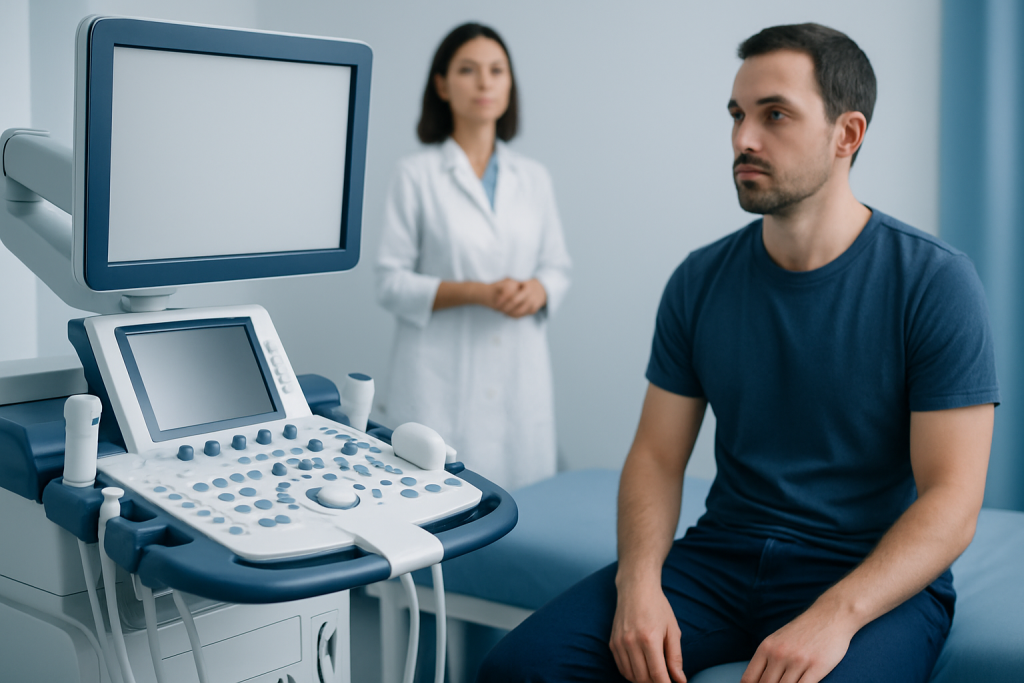
There is no single “normal” frequency for masturbation. Some people masturbate often, some rarely, and some not at all. Normal varies with age, libido, relationship status, stress levels, privacy, culture, religious beliefs, and overall health. What matters medically is less about how often it happens and more about whether it is voluntary, comfortable, and not causing harm.
Masturbation is generally considered within a healthy range when it is a personal choice, does not cause pain, and does not disrupt daily functioning. It can be a way to explore sexual response, release tension, or better understand what feels comfortable. For some individuals, it may also be part of managing sexual needs during times when partnered sex is not desired or available.
Concerns can arise if the behavior feels difficult to control, is used in a way that repeatedly causes friction or injury, or becomes the main source of coping for emotional distress. In those situations, support may be helpful not because masturbation itself is inherently unhealthy, but because the pattern may point to stress, anxiety, compulsive behavior, or a treatable sexual health problem.
Possible effects, myths, and common concerns

Many people worry that masturbation causes weakness, hair loss, infertility, low sperm count, penis shrinkage, acne, or permanent sexual problems. These claims are not supported by mainstream medical evidence. Typical masturbation does not damage the body in these ways. Temporary tiredness or mild genital sensitivity can happen after orgasm, but these effects are usually short-lived and not dangerous.
Some people notice temporary skin irritation, redness, or soreness if there is too much friction, prolonged stimulation, or not enough lubrication. This is usually mild and improves with rest and gentler technique. If there is marked swelling, skin tearing, severe pain, or difficulty urinating, medical assessment is important because an injury or irritation may need treatment.
Another common concern is whether masturbation affects partnered sex. For many people, it does not. In some cases, however, very frequent stimulation with a highly specific technique or strong pressure may make it harder to reach orgasm during partnered intimacy. This does not necessarily mean there is permanent dysfunction. A clinician may suggest reviewing sexual habits, stress levels, relationship factors, or evaluation for related issues such as premature ejaculation when symptoms are ongoing.
When masturbation may become a problem
Masturbation may need attention when it causes distress rather than comfort. Warning signs can include feeling unable to reduce the behavior despite wanting to, missing responsibilities because of it, using it in risky settings, or feeling intense shame, anxiety, or low mood afterward. These concerns may reflect a compulsive pattern, emotional coping difficulty, or another mental health issue rather than a simple problem with sexual desire.
Physical problems are another reason to seek guidance. Repeated vigorous friction can irritate the genital skin, and in rare cases trauma can affect tissues of the penis or surrounding area. If there is penile curvature after injury, a painful lump, or persistent pain with erections, a urologic evaluation may be needed to rule out conditions such as Peyronie’s disease.
Sometimes the main issue is not masturbation itself but a broader sexual health concern. For example, a person may masturbate frequently because of heightened anxiety, sleep problems, pornography overuse, or relationship stress. Others may avoid masturbation because of pain, numbness, or difficulty becoming aroused. In these situations, a doctor can help identify whether there is a medical, hormonal, neurological, or psychological contributor.
- Persistent genital pain, bleeding, or skin injury
- Loss of control over sexual behavior
- Interference with work, school, relationships, or sleep
- Distress, guilt, or anxiety that does not improve
- Changes in erections, ejaculation, or orgasm that are ongoing
How doctors evaluate concerns related to masterbait
Evaluation starts with a private and respectful discussion. A doctor may ask about symptoms, frequency, any pain or injury, sexual function, mood, stress, medications, and other health conditions. This conversation is meant to understand the full picture, not to judge. Honest answers usually help the most.
A physical examination may be recommended if there is pain, swelling, discharge, curvature, a skin lesion, or problems with erections or urination. Depending on symptoms, testing may include screening for infections, urine tests, or blood tests to look at hormones or general health. Most people do not need extensive testing unless there are clear warning signs.
If emotional distress or compulsive sexual behavior is the main concern, the assessment may include mental health screening. This can help identify anxiety, depression, obsessive-compulsive symptoms, trauma-related concerns, or behavioral patterns that may benefit from counseling. In some cases, a patient may be referred for psychiatric assessment and support or to specialists in urologic evaluation when symptoms point to a physical sexual health issue.
Treatment and support options
Treatment depends on the problem, not on masturbation alone. If the issue is friction-related irritation, care may be simple: a short period of rest, gentler technique, avoiding harsh soaps, and using a suitable lubricant if needed. Skin infections, lesions, or significant injuries should be treated according to the cause, which may require prescription medication or follow-up with a specialist.
If masturbation is linked to pain, erection changes, ejaculation concerns, or genital injury, treatment focuses on the underlying diagnosis. This may involve sexual health counseling, medication review, management of a dermatologic problem, or a structured plan for conditions affecting erectile function. For some patients, a doctor may recommend treatment for erectile dysfunction if symptoms suggest a broader sexual function problem.
When the main difficulty is distress or feeling out of control, psychological support can be very helpful. Cognitive behavioral strategies, stress management, treatment of anxiety or depression, and relationship counseling may reduce symptoms and improve well-being. Near the end of the care journey, some patients also benefit from psychological counseling to build healthier coping habits and reduce shame around sexual health.
Acibadem International’s multidisciplinary specialists and JCI-accredited hospitals diagnose and treat sexual health, urologic, and mental health concerns for international patients when further medical evaluation is needed.
Self-care, prevention, and healthy sexual habits
For most people, simple self-care is enough. Gentle touch, clean hands, and attention to comfort can reduce irritation. If friction is a problem, slowing down and avoiding overly forceful pressure may help. It is also useful to pay attention to patterns: if masturbation is mainly happening during stress, boredom, or loneliness, finding other coping tools may create better balance.
Healthy sexual habits include respecting privacy, consent, and personal boundaries. It can help to avoid comparing one’s sexual behavior to myths, social media claims, or unrealistic expectations from pornography. A calm, factual understanding of sexual health often reduces unnecessary anxiety.
Emotional self-care matters too. If guilt comes from cultural or personal values, some people benefit from speaking with a trusted healthcare professional, counselor, or therapist who can discuss concerns in a respectful and nonjudgmental way. The goal is not to pathologize normal behavior, but to support physical comfort, emotional well-being, and informed choices.
When to seek medical care
Medical care is appropriate if masturbation leads to significant physical symptoms or emotional distress. A person should arrange an appointment if there is persistent pain, swelling, bleeding, discharge, rash, a new lump, penile bending after injury, or changes in erection or ejaculation that do not improve. These signs do not always mean a serious condition, but they deserve proper evaluation.
Prompt care is especially important after a genital injury, if severe pain occurs during or after an erection, or if urination becomes difficult. It is also wise to seek help when sexual behavior feels compulsive, interferes with everyday life, or is closely tied to worsening anxiety, depression, or relationship strain. A qualified clinician can help clarify what is normal, what may need treatment, and what next steps are safest.
Frequently asked questions
Is masterbait the same as masturbation?
In most online searches, yes. “Masterbait” is commonly used as a misspelling or slang form of masturbation, which means self-stimulation of the genitals for sexual pleasure. Medical information about the term usually refers to masturbation.
Is masturbation medically normal?
For many people, masturbation is a normal part of sexual health. There is no single normal frequency, and it is usually not a medical problem unless it causes pain, distress, or disruption in daily life.
Can masturbation cause weakness or infertility?
Typical masturbation does not cause physical weakness or infertility. Common myths linking masturbation to major long-term harm are not supported by mainstream medical evidence. If fertility or sexual performance is a concern, a doctor can assess for other causes.
When should someone worry about compulsive masturbation?
Concern is reasonable when the behavior feels hard to control, causes distress, or interferes with work, sleep, relationships, or responsibilities. In these cases, support from a doctor or mental health professional can help identify triggers and offer practical treatment.
Can masturbation injure the penis or genital area?
Minor irritation or soreness can happen if there is too much friction or rough handling. More significant injury is uncommon, but severe pain, swelling, bruising, bleeding, or a change in penile shape should be checked by a doctor promptly.
Does masturbation affect erections or partnered sex?
For most people, it does not cause long-term erection problems. However, if someone develops a very specific stimulation pattern or notices ongoing difficulty with arousal, orgasm, or erections, a sexual health or urology evaluation may be helpful.
This article is for general information only and is not a substitute for professional medical advice. Please consult a qualified doctor about your individual situation.
Explore treatments in Turkey — costs, top hospitals & a free quote
JCI-accredited · board-certified surgeons · reply within 24h
Add us as a Preferred Source to see more of our trusted health content across Google Search, AI Overviews and Discover.

More from the Health Library

Nuclara — Explained by Medical Evidence, Not Myths

Salmon Oil: What Patients Need to Know

Lean Body Mass — Explained by Medical Evidence, Not Myths

White Vinegar — Explained by Medical Evidence, Not Myths

The Seven Year Itch — Explained by Medical Evidence, Not Myths