Medical Weight Loss vs Bariatric Surgery: How Doctors Decide the Best Option

Medical weight loss usually combines nutrition, physical activity, behavior change, and sometimes prescription medicines. Bariatric surgery is generally considered for people with severe obesity or obesity-related illnesses when non-surgical treatment is unlikely to be enough.
Key Takeaways
- Medical weight loss usually combines nutrition, physical activity, behavior change, and sometimes prescription medicines.
- Bariatric surgery is generally considered for people with severe obesity or obesity-related illnesses when non-surgical treatment is unlikely to be enough.
- Doctors assess BMI, waist size, metabolic health, sleep apnea, diabetes, heart risk, and past treatment history before recommending an option.
- The best choice depends on long-term health goals, safety, readiness for lifestyle change, and whether the expected benefits outweigh the risks.
- Both approaches work best with regular follow-up and a multidisciplinary care team.
Medical weight loss and bariatric surgery can both help treat obesity, but they are not interchangeable. Doctors decide between them by looking at body weight, related health conditions, previous weight-loss attempts, personal preferences, and overall surgical risk.
Overview: Two Evidence-Based Paths to Weight Treatment
When doctors compare medical weight loss vs bariatric surgery, the goal is not simply to help a person weigh less. The main aim is to improve health, function, and quality of life by treating obesity as a chronic medical condition. Excess body fat can affect blood sugar, blood pressure, sleep, joints, fertility, and liver health, so treatment decisions focus on overall risk rather than appearance alone.
Medical weight loss is a structured, non-surgical approach. It may include nutrition counseling, exercise planning, sleep and stress support, behavior therapy, and prescription anti-obesity medicines when appropriate. This route is often the first step for many adults, especially if they have mild to moderate obesity or are not ready for surgery.
Bariatric surgery, also called metabolic or weight-loss surgery, changes the digestive system to support larger and more durable weight loss. It may also improve conditions such as type 2 diabetes, obstructive sleep apnea, and fatty liver disease. Surgery is not a shortcut; it is a medical treatment used when the expected benefits are greater than the risks and when long-term follow-up is possible.
In practice, doctors do not view these options as opponents. They are part of the same continuum of care. Some people succeed with medical treatment alone, while others benefit most from bariatric surgery after careful evaluation. In some cases, medical weight loss is also used before or after surgery to improve safety and long-term results.
How Doctors Decide: The Main Factors They Review
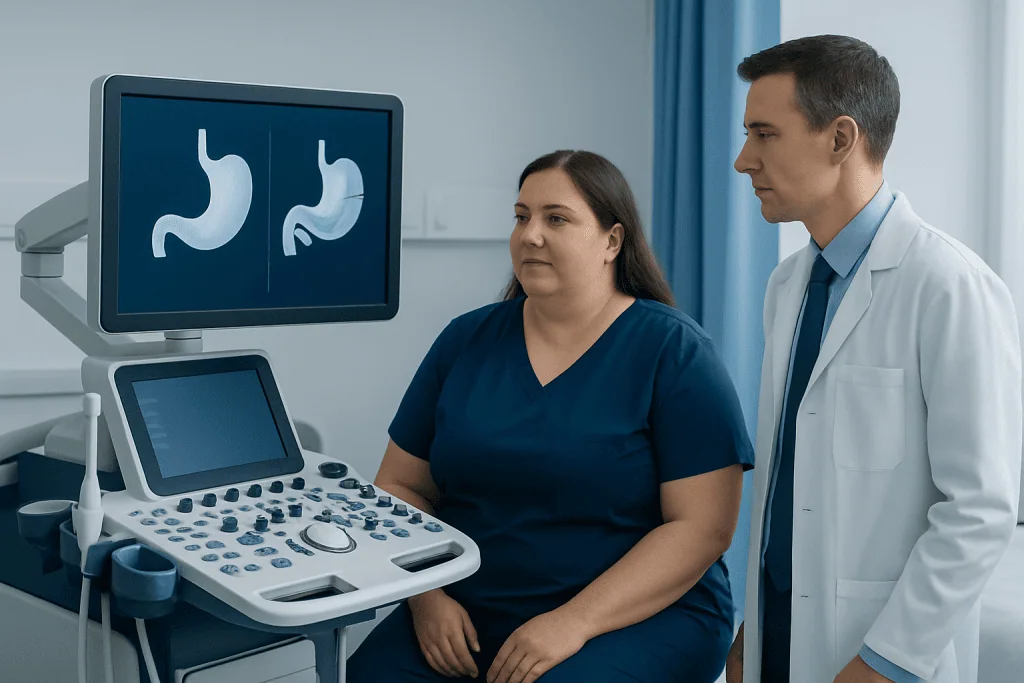
The decision starts with a full medical assessment. Doctors review body mass index, waist circumference, weight history, eating patterns, activity level, medications, sleep, mental health, and family history. They also look for obesity-related complications such as type 2 diabetes, high blood pressure, abnormal cholesterol, joint pain, reflux, infertility, and obesity-related health problems.
One of the strongest decision points is severity. In general, the higher the BMI and the more serious the related conditions, the more likely surgery will be discussed. However, BMI is only one part of the picture. A person with a lower BMI but severe metabolic disease may need more intensive treatment than someone with a higher BMI and fewer complications.
Doctors also consider what has already been tried. If a patient has followed supervised nutrition and exercise plans and still has persistent obesity or significant weight regain, the care team may recommend escalating treatment. The question is not whether the person has enough willpower; it is whether the current treatment is medically sufficient for a chronic disease that often resists simple lifestyle measures.
Readiness matters too. Bariatric surgery requires lifelong vitamin monitoring, dietary changes, and follow-up visits. Medical weight loss also requires consistency and long-term support. Doctors help patients weigh practical issues such as motivation, work and family responsibilities, medication tolerance, and personal values before making a recommendation.
When Medical Weight Loss May Be the Best First Option

Medical weight loss is often recommended first for people who want a non-surgical path, have lower surgical tolerance, or do not yet meet common criteria for bariatric procedures. It is also appropriate for patients who need to address eating habits, sleep problems, inactivity, or weight-promoting medications before considering more invasive treatment.
A medical program is usually comprehensive rather than a simple diet sheet. It may include individualized meal planning, realistic activity goals, behavior-change techniques, and treatment of contributing conditions such as hypothyroidism, depression, polycystic ovary syndrome, or poor sleep. For suitable patients, doctors may prescribe medical weight loss treatment that supports appetite control or improves metabolic health.
This approach can be especially helpful for people who prefer gradual change or who need time to build sustainable habits. It may also be used in adolescents or older adults when surgery is not the best first choice, although treatment always depends on individual assessment. Close follow-up is important because obesity tends to recur if support is removed too early.
Even when surgery may eventually be needed, non-surgical treatment still has value. Losing some weight before an operation can improve liver size, blood sugar, blood pressure, and mobility, which may make surgery safer. It also helps patients practice the dietary and behavioral changes they will need later.
When Bariatric Surgery May Be Recommended
Bariatric surgery is usually considered for people with severe obesity, especially when it is already causing major health problems or when previous non-surgical treatment has not produced enough lasting benefit. Common procedures include sleeve gastrectomy and gastric bypass. Doctors explain how each option works, what kind of weight loss may be expected, and what long-term nutritional follow-up is required.
Surgery may be favored when a patient has obesity together with difficult-to-control type 2 diabetes, significant sleep apnea, advanced fatty liver disease, heart risk factors, or severe joint limitations. In these situations, delaying effective treatment may allow complications to worsen. For some people, surgery offers the best chance of meaningful and sustained improvement.
However, surgery is not suitable for everyone at the same moment. Doctors first assess anesthesia risk, heart and lung health, nutritional status, gastrointestinal symptoms, and any untreated psychological conditions that could affect recovery. Smoking, alcohol misuse, uncontrolled eating disorders, or inability to attend follow-up may need to be addressed before moving ahead.
Patients often ask whether surgery is the “last resort.” Today, many specialists see it instead as a well-studied treatment for selected patients with chronic obesity. The decision is based on whether the likely benefits, including better control of type 2 diabetes and other complications, outweigh the surgical and long-term lifestyle demands.
Tests and Specialist Assessments Before Choosing a Treatment
Before recommending a plan, doctors usually order tests to understand the patient’s metabolic health and to rule out conditions that may affect treatment. These may include blood glucose or HbA1c, cholesterol levels, liver and kidney function, thyroid testing, vitamin levels, and sometimes hormone studies. Blood pressure, body composition, and waist circumference may also be measured.
Many patients are screened for complications that can be missed in routine care. These can include sleep apnea, fatty liver disease, reflux, fertility concerns, depression, anxiety, or binge-eating symptoms. Depending on symptoms, a person may need assessment by endocrinology, cardiology, pulmonology, gastroenterology, psychology, or dietetics before the team reaches a final decision.
For people considering surgery, the work-up is often broader. A doctor may request heart tests, respiratory evaluation, or imaging if there are concerns about operative safety. Nutritional counseling is essential because deficiencies in iron, vitamin B12, folate, vitamin D, or protein can affect recovery and long-term wellbeing after certain procedures.
This evaluation stage is important because the “best” option is not always the most aggressive one. A careful work-up may show that a patient would benefit most from intensive lifestyle and medication support first, or it may show that surgery offers the strongest health advantage. The decision should be shared, informed, and individualized.
Comparing Benefits, Risks, and Long-Term Expectations
Medical weight loss and bariatric surgery both have benefits and limitations. Non-surgical treatment avoids an operation and may be a good fit for patients who prefer flexibility or need to address modifiable habits first. It can improve blood sugar, blood pressure, and mobility, especially when medications and regular follow-up are included. The main challenge is that the body often resists weight loss biologically, making regain common without ongoing care.
Bariatric surgery generally leads to greater average weight loss and can produce stronger improvement in obesity-related diseases, particularly metabolic conditions. At the same time, surgery carries risks such as bleeding, infection, blood clots, anesthesia complications, reflux changes, or nutritional deficiencies depending on the procedure. These risks are carefully reviewed in preoperative counseling.
Long-term success with either option depends on follow-up. Patients need realistic expectations: neither medicines nor surgery replaces healthy eating, movement, sleep, and regular monitoring. Some people need treatment adjustments over time, including medication changes, additional nutrition support, or evaluation for weight regain after an operation.
Doctors often explain that the right choice is the one that offers the best balance of effectiveness, safety, and sustainability for that individual. In specialized centers, a multidisciplinary team may discuss all suitable options, including gastric sleeve surgery or gastric bypass when these are clinically appropriate.
Self-Care, Preparation, and Questions to Ask the Doctor
Whether treatment is medical or surgical, preparation improves outcomes. Patients are often encouraged to keep a food and symptom diary, review current medications, improve sleep, increase daily movement gradually, and reduce ultra-processed foods and sugary drinks. Stopping smoking and limiting alcohol are especially important if surgery may be considered.
It also helps to think about practical and emotional readiness. Long-term weight treatment usually works best when family support, meal planning, and regular appointments can be built into daily life. Mental health support may be useful if stress, depression, trauma, or emotional eating has influenced weight patterns.
Patients can prepare questions such as:
- What is causing or maintaining the weight gain in this case?
- What amount of weight loss would meaningfully improve health?
- Would medication, structured medical treatment, or surgery likely work best, and why?
- What follow-up, vitamin monitoring, or lifestyle changes will be needed long term?
For international patients seeking coordinated care, Acibadem International’s multidisciplinary specialists in JCI-accredited hospitals evaluate obesity and related conditions and offer both medical and surgical treatment plans based on individual needs.
When to Seek Medical Advice Promptly
A doctor’s review is important whenever excess weight is affecting blood sugar, blood pressure, breathing during sleep, fertility, mobility, or day-to-day wellbeing. Medical advice is also worthwhile for anyone who has tried to lose weight repeatedly but experiences regain, increasing health problems, or side effects from unsupervised diets and supplements.
Prompt assessment is especially useful if symptoms suggest obesity complications. These include loud snoring with daytime sleepiness, chest discomfort on exertion, worsening shortness of breath, swelling in the legs, severe heartburn, rapidly rising blood sugar, or signs of fatty liver disease. These problems do not always mean surgery is needed, but they do mean treatment should not be delayed.
People considering bariatric surgery should also seek professional guidance rather than relying on social media or before-and-after stories. A qualified team can explain realistic results, possible risks, nutrition needs, and whether surgery is suitable now, later, or not at all. Shared decision-making leads to safer and more satisfying care.
In short, medical weight loss vs bariatric surgery is not a one-size-fits-all question. The best option is the one chosen after a thorough assessment, clear discussion of benefits and risks, and a long-term plan that the patient can realistically follow with professional support.
Frequently asked questions
What is the difference between medical weight loss and bariatric surgery?
Medical weight loss is a non-surgical program that may include nutrition counseling, exercise guidance, behavior therapy, and prescription medicines. Bariatric surgery changes the digestive system to support larger and often more durable weight loss. Both can be effective, but they are used for different clinical situations.
How do doctors know if someone should consider bariatric surgery?
Doctors look at BMI, obesity-related conditions, previous weight-loss attempts, and overall surgical risk. Surgery is more likely to be discussed when obesity is severe or when complications such as type 2 diabetes or sleep apnea are present. The decision is individualized and usually made with a multidisciplinary team.
Can medical weight loss work without surgery?
Yes, many people benefit from structured medical weight loss, especially when treatment includes regular follow-up and, if appropriate, prescription medication. It can improve metabolic health and quality of life even if weight loss is gradual. However, some patients with severe obesity may still need surgery for the best long-term health outcome.
Is bariatric surgery safer than people think?
Modern bariatric surgery is generally considered safe when performed in experienced centers, but it is still major medical treatment and carries real risks. Safety depends on the patient’s overall health, the type of procedure, and good preoperative assessment. Long-term follow-up is essential to monitor nutrition and recovery.
Will a person still need diet and exercise after bariatric surgery?
Yes. Surgery helps with weight loss and appetite regulation, but healthy eating, physical activity, and medical follow-up remain necessary. Patients also need vitamin and nutrient monitoring after many procedures.
Can someone try medication first and have surgery later?
Yes, this is common. Doctors may recommend medical treatment first to improve health, prepare for surgery, or see whether non-surgical treatment is sufficient. If results are limited or complications remain significant, surgery can still be considered later.
References
- World Health Organization
- National Institute of Diabetes and Digestive and Kidney Diseases
- American Society for Metabolic and Bariatric Surgery
- Centers for Disease Control and Prevention
- National Institutes of Health
This article is for general information only and is not a substitute for professional medical advice. Please consult a qualified doctor about your individual situation.
Bariatric Surgery in Turkey — costs, top hospitals & a free quote
JCI-accredited · board-certified surgeons · reply within 24h
Add us as a Preferred Source to see more of our trusted health content across Google Search, AI Overviews and Discover.
Check your numbers in seconds
BMI, calories, due date, blood pressure and 30+ more clinical calculators — free, instant, doctor-reviewed ranges.

Bariatric & Metabolic Surgery
Surgical and endoscopic treatments for obesity and metabolic conditions.