Memory Disorders in Older Adults: Causes, Diagnosis, and Treatment Options

Mild forgetfulness can occur with aging, but persistent or worsening memory problems should be assessed by a doctor. Memory disorders may be caused by dementia, stroke, depression, medication effects, sleep problems, vitamin deficiencies, or other medical conditions.
Key Takeaways
- Mild forgetfulness can occur with aging, but persistent or worsening memory problems should be assessed by a doctor.
- Memory disorders may be caused by dementia, stroke, depression, medication effects, sleep problems, vitamin deficiencies, or other medical conditions.
- Early diagnosis can help identify reversible causes and support better long-term planning and treatment.
- Treatment often includes managing underlying conditions, cognitive support, lifestyle measures, and caregiver education.
- Urgent medical attention is needed if memory changes appear suddenly or are accompanied by confusion, weakness, speech problems, or personality changes.
Memory disorders in older adults are not all the same. Some changes are part of normal aging, while others may signal a medical condition that needs diagnosis, treatment, and ongoing support.
Overview: What Memory Disorders Mean in Older Adults
Memory disorders in older adults describe a range of problems that affect remembering, learning, attention, language, and day-to-day thinking. These changes may be mild and slow to develop, or they may be more noticeable and interfere with normal activities such as managing medicines, paying bills, keeping appointments, or following conversations.
Not every memory lapse means dementia. It is common for older adults to occasionally misplace items, forget a name for a moment, or need more time to learn new information. Normal aging can slow processing speed, but it does not usually cause major confusion, loss of independence, or severe difficulty recognizing familiar people and places.
When memory problems become frequent, worsen over time, or affect safety and daily function, a medical evaluation is important. Some causes are progressive, such as Alzheimer’s disease, while others may be treatable or partly reversible, including medication side effects, thyroid disorders, vitamin deficiencies, depression, infection, or sleep problems.
Because memory disorders can have many causes, early assessment helps families understand what is happening and what support may be needed. A clear diagnosis can guide treatment, help maintain quality of life, and allow practical planning for the future.
Symptoms and Signs to Watch For
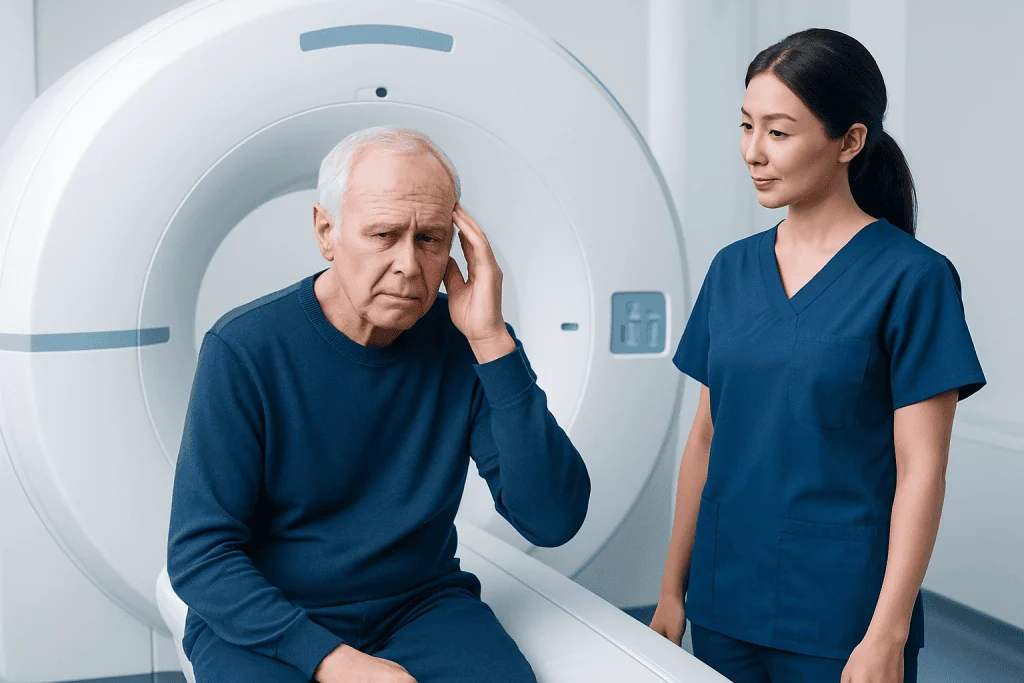
The most obvious symptom is forgetfulness, but memory disorders often involve more than memory alone. An older adult may repeat the same questions, forget recent conversations, miss appointments, get lost in familiar places, or struggle to remember important information that was recently learned.
Other symptoms may affect thinking and behavior. These can include difficulty finding words, problems following instructions, poor judgment, confusion with time or place, reduced attention, slower problem-solving, and trouble performing familiar tasks such as cooking or using household devices. Family members may notice personality changes, irritability, withdrawal, or loss of interest in usual activities.
Symptoms can vary depending on the cause. For example, some people mainly have short-term memory problems, while others first show changes in language, planning, movement, or mood. Conditions such as vascular dementia may produce a stepwise decline, especially after strokes or small vessel disease, whereas degenerative disorders may progress more gradually.
Warning signs that need prompt medical attention include sudden confusion, new disorientation, weakness on one side of the body, slurred speech, severe headache, fever, or a rapid change in alertness. These symptoms may point to an urgent problem rather than a slowly developing memory disorder.
Common Causes and Risk Factors

Memory disorders in older adults can result from many different conditions. Neurodegenerative diseases are one major cause and include Alzheimer’s disease, Lewy body dementia, and frontotemporal disorders. Vascular changes in the brain, including past strokes and chronic small vessel disease, can also affect memory and thinking.
Not all causes are permanent. Reversible or treatable contributors include depression, anxiety, poor sleep, dehydration, thyroid disease, vitamin B12 deficiency, hearing or vision loss, medication side effects, alcohol misuse, and infections. Delirium, which is a sudden change in attention and awareness, is especially important because it can be triggered by illness, surgery, hospitalization, or new medications and needs prompt medical care.
Several risk factors make memory problems more likely with age. These include increasing age, a family history of dementia, high blood pressure, diabetes, high cholesterol, smoking, physical inactivity, social isolation, untreated hearing loss, and previous stroke or traumatic brain injury. Poorly controlled heart and blood vessel conditions can reduce healthy blood flow to the brain over time.
In many people, more than one factor is involved. For example, a person may have mild Alzheimer-type changes combined with depression, sleep apnea, or medication effects. This is one reason why a careful, broad evaluation is so important before assuming that memory decline is due to aging alone.
How Memory Disorders Are Diagnosed
Diagnosis begins with a detailed medical history. The doctor will ask when symptoms started, how they have changed, whether daily life is affected, and whether there have been changes in mood, sleep, walking, or behavior. Information from a family member or caregiver is often helpful because the person affected may not notice all of the changes.
A physical and neurological examination is usually followed by cognitive testing. These tests assess memory, attention, language, orientation, and executive function. The goal is not only to measure memory but also to look for patterns that may suggest specific causes. Blood tests may be done to check for treatable medical problems such as vitamin deficiencies, thyroid disease, infection, or metabolic disorders.
Brain imaging is often part of the evaluation, especially when symptoms are new, worsening, unusual, or associated with neurological signs. Depending on the situation, the care team may recommend an MRI scan or a CT scan to look for stroke, bleeding, tumors, hydrocephalus, or patterns of brain atrophy. In some cases, more specialized testing or referral to neurology, geriatrics, psychiatry, or neuropsychology may be appropriate.
The aim of diagnosis is to determine whether symptoms reflect normal aging, mild cognitive impairment, dementia, delirium, depression-related cognitive problems, or another medical condition. A clear diagnosis helps guide treatment and allows families to better understand what to expect.
Treatment Options and Ongoing Care
Treatment depends on the cause of the memory disorder. If a reversible factor is found, such as low vitamin B12, thyroid imbalance, sleep apnea, infection, or a medication problem, treating that issue may improve symptoms. When depression or anxiety contributes to memory complaints, appropriate mental health care can also make a meaningful difference.
For progressive conditions such as Alzheimer’s disease or other dementias, treatment usually focuses on slowing decline where possible, managing symptoms, preserving function, and supporting quality of life. This may include prescription medicines, cognitive stimulation, routines that reduce confusion, physical activity, and occupational strategies that help with dressing, eating, communication, and home safety. In selected situations, specialist assessment such as a neurology consultation can help clarify the diagnosis and care plan.
Non-drug care is just as important as medication. Helpful approaches include using calendars and reminders, simplifying daily tasks, improving lighting, correcting hearing and vision problems, and addressing sleep, pain, constipation, or dehydration. Caregivers also need support, since memory disorders often affect the whole family.
For some people, a structured rehabilitation plan can be useful after stroke, brain injury, or a hospital stay. Depending on the cause, doctors may recommend therapies that support strength, balance, communication, or cognitive function, including cognitive rehabilitation when appropriate. The best care plans are individualized and reviewed regularly as needs change.
Prevention and Self-Care
Not all memory disorders can be prevented, but healthy habits may reduce risk and help support brain function with age. Controlling blood pressure, diabetes, and cholesterol is important because vascular health and brain health are closely connected. Regular physical activity, smoking cessation, and limiting alcohol can also support healthier aging.
Mental and social activity may help maintain cognitive resilience. Reading, conversation, hobbies, music, learning new skills, and staying socially engaged can all be beneficial. Good sleep matters as well, since chronic sleep problems can worsen attention, mood, and memory.
Practical self-care strategies can make daily life easier for those already experiencing memory changes. Keeping a regular routine, placing important items in the same location, using medication organizers, and writing down appointments and tasks can reduce frustration. Family members can help by giving one instruction at a time and speaking calmly and clearly.
Hearing tests, vision checks, medication reviews, and routine medical care should not be overlooked. Sometimes memory problems seem worse simply because a person cannot hear well, is overwhelmed by too many medicines, or is dealing with untreated pain or low mood. Small adjustments can make a meaningful difference.
When to See a Doctor
A doctor should be consulted if memory loss is frequent, worsening, or affecting daily life. Warning signs include getting lost in familiar places, forgetting to take medicines, difficulty managing finances, repeating the same questions often, missing important appointments, or becoming increasingly confused about time, place, or familiar routines.
Medical review is also important if relatives notice personality changes, suspiciousness, unusual withdrawal, poor judgment, or a decline in language and problem-solving. Even when symptoms appear mild, early evaluation can identify treatable causes and allow planning before problems become more disruptive.
Urgent care is needed for sudden memory changes or confusion, especially if they appear over hours or days. Immediate assessment is also needed if symptoms occur with fever, falls, weakness, facial drooping, speech difficulty, severe drowsiness, chest pain, or shortness of breath. These may indicate delirium, stroke, infection, or another emergency.
Older adults with memory concerns often benefit from coordinated, multidisciplinary care. Near the end of the diagnostic and treatment journey, families may seek evaluation in centers with neurology, geriatrics, imaging, rehabilitation, and supportive services together; Acibadem International’s multidisciplinary specialists and JCI-accredited hospitals provide diagnosis and treatment for international patients with memory-related conditions.
Frequently asked questions
Is memory loss always a sign of dementia?
No. Some mild forgetfulness can happen with normal aging, and memory problems may also be related to stress, poor sleep, depression, medication side effects, or medical conditions that can be treated. Dementia is considered when cognitive changes are persistent, progressive, and interfere with independence.
What is the difference between normal aging and a memory disorder?
Normal aging may involve slower recall or occasionally forgetting a name and remembering it later. A memory disorder is more likely when a person repeatedly forgets important information, becomes disoriented, struggles with familiar tasks, or shows changes that affect daily life and safety.
Can memory problems in older adults be reversed?
Sometimes, yes. If memory changes are caused by problems such as vitamin deficiency, thyroid disease, infection, dehydration, depression, or medication effects, treatment may improve symptoms. Progressive neurodegenerative conditions are usually not reversible, but their symptoms can often be managed and supported.
What tests are used to diagnose memory disorders?
Doctors usually begin with a history, physical examination, and cognitive assessment. Blood tests may look for treatable causes, and brain imaging such as MRI or CT may be used to check for stroke, structural changes, or other neurological problems.
When should a family member be worried about forgetfulness?
Concern is reasonable when memory problems become frequent, worsen over time, or interfere with daily tasks such as taking medicines, paying bills, driving, or keeping appointments. Sudden confusion or memory change should be treated as urgent, especially if it comes with weakness, speech changes, or fever.
Can lifestyle changes help protect memory?
Healthy habits may support brain health and lower risk. Regular exercise, blood pressure and diabetes control, good sleep, social connection, hearing care, and mentally stimulating activities can all be beneficial. These steps do not prevent every condition, but they support overall cognitive well-being.
References
- World Health Organization
- National Institute on Aging
- Alzheimer's Association
- Centers for Disease Control and Prevention
- American Academy of Neurology
This article is for general information only and is not a substitute for professional medical advice. Please consult a qualified doctor about your individual situation.
Explore treatments in Turkey — costs, top hospitals & a free quote
JCI-accredited · board-certified surgeons · reply within 24h
Add us as a Preferred Source to see more of our trusted health content across Google Search, AI Overviews and Discover.
Check your numbers in seconds
BMI, calories, due date, blood pressure and 30+ more clinical calculators — free, instant, doctor-reviewed ranges.