Merkel Cell Skin Cancer Treatment: How It Works, Results and What to Expect
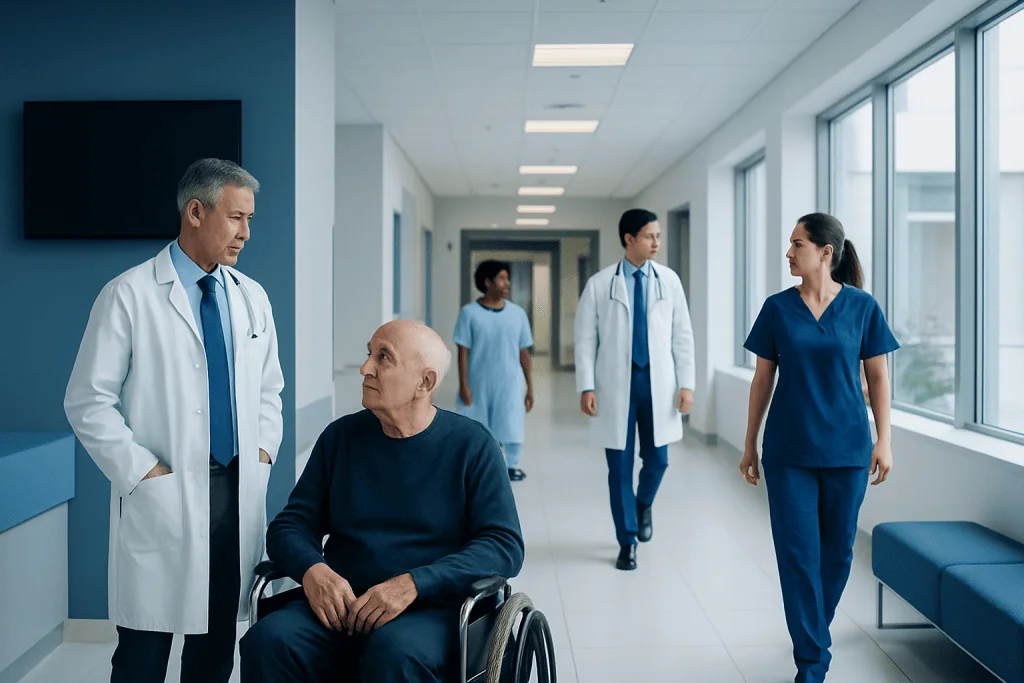
Merkel cell carcinoma is a rare but fast-growing type of skin cancer that needs prompt specialist assessment. Treatment may include surgery, sentinel lymph node biopsy, radiation therapy and immunotherapy.
Key Takeaways
- Merkel cell carcinoma is a rare but fast-growing type of skin cancer that needs prompt specialist assessment.
- Treatment may include surgery, sentinel lymph node biopsy, radiation therapy and immunotherapy.
- The best plan depends on the cancer stage, tumour location, lymph node findings and a person’s general health.
- Follow-up is essential because Merkel cell carcinoma can return or spread, especially in the first few years after treatment.
- Many people are successfully treated, particularly when the cancer is found before it has spread.
Merkel cell skin cancer treatment is tailored to the size, location and stage of the cancer, and commonly includes surgery and radiation therapy. For cancer that has spread or cannot be removed, immunotherapy is often an important treatment option and may help the immune system control the disease.
Overview: How Merkel Cell Skin Cancer Treatment Works
Merkel cell skin cancer treatment aims to remove or control the cancer, reduce the chance of recurrence and preserve function and appearance wherever possible. Merkel cell carcinoma is an uncommon skin cancer that usually develops as a firm, painless, fast-growing nodule on sun-exposed skin, such as the face, scalp, neck, arms or legs. It can also occur on areas with less sun exposure.
Because this cancer may spread to nearby lymph nodes or distant organs, care is usually planned by a multidisciplinary team. This may include dermatologists, surgical oncologists, plastic or reconstructive surgeons, radiation oncologists, medical oncologists, radiologists and pathologists. The treatment plan is based on staging, which describes whether the cancer is confined to the skin, has reached lymph nodes or has spread elsewhere in the body.
For a localised tumour, surgery to remove the lesion is commonly followed by radiation therapy. If the disease is advanced, immunotherapy may be used to help the immune system recognise and attack cancer cells. Not every person needs every treatment; decisions are individual and should be made with an experienced cancer team.
Assessment and Candidacy for Treatment
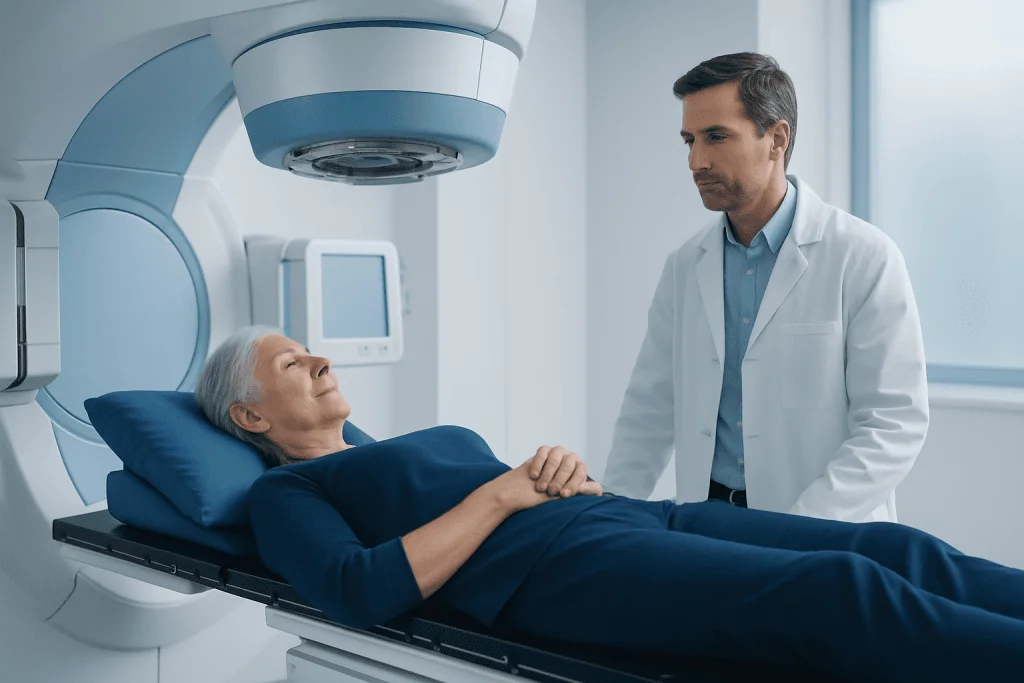
Most people with a confirmed Merkel cell carcinoma are candidates for active treatment, although the type and intensity of treatment vary. A clinician considers the size and depth of the tumour, its location, whether surgical removal can be performed safely, lymph node results, scan findings, immune status and other health conditions. Age alone does not determine whether treatment is appropriate.
Before treatment begins, a biopsy is reviewed by a pathologist to confirm the diagnosis. Imaging tests, such as CT, PET-CT or MRI scans, may be recommended when there is concern that the cancer has spread. A sentinel lymph node biopsy is also frequently advised for apparently localised disease. This procedure checks the first lymph node or nodes likely to receive drainage from the tumour area and can identify microscopic spread.
People who take medicines that suppress the immune system, have had an organ transplant, have certain blood cancers or have a weakened immune system may require particularly careful planning. The team will balance cancer control with the safety of surgery, radiation or systemic treatment and will coordinate with other specialists where needed.
Treatment Step by Step
Surgery is often the first treatment for a tumour that can be removed. The surgeon removes the cancer together with a margin of surrounding normal-looking tissue. Depending on where the tumour is located, wound closure may involve stitches, a skin graft, a flap or reconstructive surgery. A sentinel lymph node biopsy may be performed during the same operation or as a separate procedure.
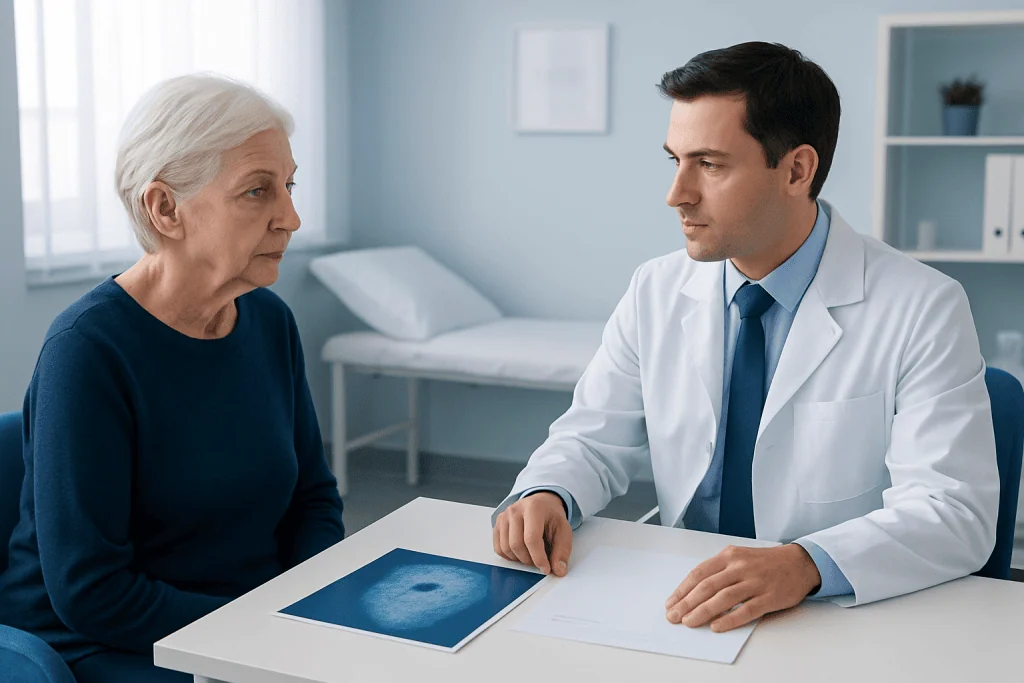
Radiation therapy uses precisely targeted high-energy radiation to destroy remaining cancer cells in the treated area. It is commonly recommended after surgery because Merkel cell carcinoma has a meaningful risk of returning locally or in nearby lymph nodes. Treatment is usually delivered as outpatient sessions over several weeks, though the exact schedule depends on the treatment goal and individual circumstances. Radiation therapy may also be used when surgery is not suitable or to help control symptoms from advanced disease.
Immunotherapy is a systemic treatment, meaning it works throughout the body. Immune checkpoint inhibitors can release natural immune responses that cancer cells may otherwise suppress. They are often used for metastatic or unresectable Merkel cell carcinoma and may sometimes be considered in clinical trial settings at other stages. Immunotherapy is given under medical supervision, with regular monitoring for immune-related side effects.
Chemotherapy is less commonly used than immunotherapy for advanced disease, but may still have a role when immunotherapy is unsuitable, has stopped working or needs to be combined with another approach. Some patients may be offered a clinical trial, which can provide access to carefully studied new strategies while contributing to medical knowledge.
Benefits, Risks and Recovery Timeline
The main potential benefit of treatment is long-term control or cure when Merkel cell carcinoma is diagnosed at an early stage. Even when cancer has spread, treatment can reduce tumour burden, slow disease progression and relieve symptoms. Results differ between individuals, so clinicians use pathology results, staging and response to treatment to discuss outlook in a realistic and personalised way.
After surgery, mild pain, swelling, bruising and temporary restrictions on movement are common. Many people return to light daily activities within days to a few weeks, while recovery from reconstruction or lymph node surgery may take longer. Possible surgical risks include bleeding, infection, wound-healing problems, scarring, numbness and, after lymph node surgery, swelling of a limb known as lymphoedema.
Radiation side effects are usually limited to the treatment area. They can include redness, dryness, itching, fatigue, temporary hair loss in the field of treatment and later skin colour or texture changes. Immunotherapy can cause inflammation in healthy organs, resulting in symptoms such as rash, diarrhoea, cough, breathlessness, thyroid changes or fatigue. New or worsening symptoms should be reported promptly, as early treatment of side effects is important.
Follow-up visits usually include skin and lymph node examinations and may include imaging in people at higher risk of recurrence. The schedule is individual, but visits are generally closer together in the first years after treatment, when recurrence is more likely to be detected.
How Long Does It Take for Merkel Cell Carcinoma to Spread?
Merkel cell carcinoma can spread more quickly than many other skin cancers, but there is no reliable timetable for an individual person. Some tumours remain localised at diagnosis, while others have already reached nearby lymph nodes or more distant sites. Growth rate and spread are influenced by tumour size, location, immune health and biological features that cannot be judged from appearance alone.
A new, enlarging, firm or changing skin nodule should be assessed without delay. Prompt biopsy and staging help clinicians understand the extent of disease and begin appropriate treatment. Early evaluation does not mean that cancer has spread; it is the safest way to avoid unnecessary delay and obtain clear information.
Regular follow-up after treatment is also important. Examinations can identify a local recurrence, enlarged lymph nodes or new suspicious skin lesions early, when further treatment options may be more effective.
How Long Do You Live With Merkel Cell Cancer?
Life expectancy with Merkel cell cancer varies widely and cannot be predicted accurately from the diagnosis alone. The most important factors include the stage at diagnosis, whether lymph nodes or distant organs are involved, whether treatment removes or controls all known disease, immune status and overall health. A person with localised cancer that is fully treated may have a very different outlook from someone with metastatic disease.
Clinicians usually avoid giving a single survival estimate because population data cannot describe one individual’s response to treatment. Instead, they can explain what the stage means, review pathology and scan results, and update the discussion as treatment progresses. Advances in immunotherapy have expanded treatment options for some people with advanced Merkel cell carcinoma.
Emotional support is an important part of care. Patients may find it helpful to bring a trusted person to appointments, write down questions and ask their team about specialist nursing, counselling, rehabilitation or support groups.
Has Anyone Ever Survived Merkel Cell Carcinoma? Can You Beat Merkel Cell Cancer?
Yes. Many people survive Merkel cell carcinoma, especially when it is found and treated before it has spread beyond the original skin site. The word “beat” can mean different things to different people, but clinicians may use terms such as complete response, no evidence of disease, remission or long-term disease control. These outcomes are possible, although continued follow-up remains important.
For more advanced cancer, a durable response can also occur with immunotherapy in some patients. However, responses vary, and the medical team will monitor scans, examinations and symptoms to determine how well treatment is working. If one approach is not effective or is not tolerated, other treatments, supportive care and clinical trials may be considered.
People can support their care by attending follow-up appointments, protecting skin from ultraviolet exposure, checking their skin and lymph node areas as advised, and reporting new symptoms promptly. These steps cannot replace treatment, but they can help with early detection of concerns and overall wellbeing.
When to Seek Medical Care
A person should arrange prompt medical assessment for a new skin lump that grows over weeks or months, especially if it is firm, dome-shaped, red, purple, blue or skin-coloured and does not hurt. Medical advice is also important for a changing lesion, unexplained enlarged lymph node, a lump near a previous skin cancer site or a sore that does not heal as expected.
Anyone previously treated for Merkel cell carcinoma should contact their cancer team if they notice a new nodule, persistent swelling, unexplained weight loss, worsening fatigue, new bone pain, persistent cough, breathlessness, neurological symptoms or other ongoing changes. These symptoms often have causes other than cancer, but they deserve timely review.
Acibadem International’s multidisciplinary specialists and JCI-accredited hospitals support international patients with diagnosis and treatment planning for Merkel cell carcinoma. A coordinated review may include skin examination, pathology, imaging, surgery, radiation oncology and medical oncology input according to the person’s needs.
Frequently asked questions
What is the first-line treatment for Merkel cell skin cancer?
For a localised Merkel cell carcinoma, treatment commonly starts with surgery to remove the tumour. Radiation therapy is often recommended after surgery to lower the chance of cancer returning in the treated area or nearby lymph nodes. The exact plan depends on tumour location, lymph node findings and overall stage.
Is radiation always needed after Merkel cell carcinoma surgery?
Radiation is commonly advised because Merkel cell carcinoma can recur locally or in regional lymph nodes. However, it is not always needed, particularly in selected people with very small, low-risk tumours that have been completely removed. A radiation oncologist can explain the expected benefit and possible side effects for the individual situation.
What immunotherapy is used for Merkel cell carcinoma?
Immune checkpoint inhibitors are commonly used for Merkel cell carcinoma that cannot be removed with surgery or has spread to distant areas. These medicines help the immune system respond to cancer, but they are not suitable for everyone. The oncology team will consider medical history, immune status, treatment goals and potential side effects.
Can Merkel cell carcinoma come back after treatment?
Yes, Merkel cell carcinoma can recur after treatment, which is why scheduled follow-up is important. Recurrence may occur in the original skin area, nearby lymph nodes or more distant parts of the body. Regular clinical examinations and, when appropriate, imaging can help identify concerns early.
What should I expect after Merkel cell cancer surgery?
Recovery depends on the size and location of the operation and whether reconstruction or lymph node surgery was needed. The care team will provide wound-care instructions, activity guidance and information about signs of infection or other complications. Follow-up appointments review healing, pathology results and whether additional treatment is recommended.
Can sun protection prevent Merkel cell carcinoma?
Ultraviolet exposure is one recognised risk factor, so regular sun protection is sensible for skin health. This includes seeking shade, wearing protective clothing and using broad-spectrum sunscreen as appropriate. Sun protection cannot prevent every case because other factors, including immune suppression and age, may also contribute.
References
- National Cancer Institute
- American Cancer Society
- National Comprehensive Cancer Network
- European Society for Medical Oncology
- Merkel Cell Carcinoma Group
This article is for general information only and is not a substitute for professional medical advice. Please consult a qualified doctor about your individual situation.
Skin Cancer in Turkey — costs, top hospitals & a free quote
JCI-accredited · board-certified surgeons · reply within 24h
Add us as a Preferred Source to see more of our trusted health content across Google Search, AI Overviews and Discover.