

Polydactyly Treatment: How It Works, Results and What to Expect

Polydactyly is a congenital difference in which a person is born with one or more extra fingers or toes. Treatment depends on where the extra digit is located and whether it contains bone, joints, tendons, nerves or blood vessels.
Key Takeaways
- Polydactyly is a congenital difference in which a person is born with one or more extra fingers or toes.
- Treatment depends on where the extra digit is located and whether it contains bone, joints, tendons, nerves or blood vessels.
- Reconstructive surgery is often planned in infancy or early childhood, but treatment can also be appropriate later in life.
- Recovery commonly includes wound care, a protective dressing or splint, and follow-up to monitor healing and function.
- Polydactyly can occur on its own or, less commonly, as part of a genetic syndrome.
Polydactyly treatment is individualized: some small, loosely attached extra digits can be managed simply, while more developed fingers or toes usually need reconstructive surgery. The goal is not only removal of the extra digit, but also creating the best possible alignment, stability, appearance and long-term function.
Polydactyly Treatment: How It Works
Polydactyly treatment addresses an extra finger or toe present from birth. For a small soft-tissue digit attached by a narrow stalk, treatment may be relatively straightforward. When the extra digit has bones, joints, tendons, nerves or a shared blood supply, surgery is more carefully planned to preserve or improve the function of the remaining digit.
The central aim is reconstructive rather than simply cosmetic. A hand surgeon, plastic and reconstructive surgeon, orthopedic surgeon or pediatric specialist evaluates the shape and stability of the hand or foot, then decides whether observation, simple removal, reconstruction, or a combination of procedures is most suitable. Polydactyly surgery may involve removing the extra digit and reshaping ligaments, tendons, skin, nail tissue or bone to support normal use and growth.
Many children with isolated polydactyly develop well and have good function after appropriate care. The expected result depends on the anatomy before treatment, especially when two partially formed digits share structures. Families benefit from discussing the likely functional and cosmetic outcome, possible future procedures and follow-up needs with the surgical team.
How Doctors Assess Candidacy and Plan Treatment
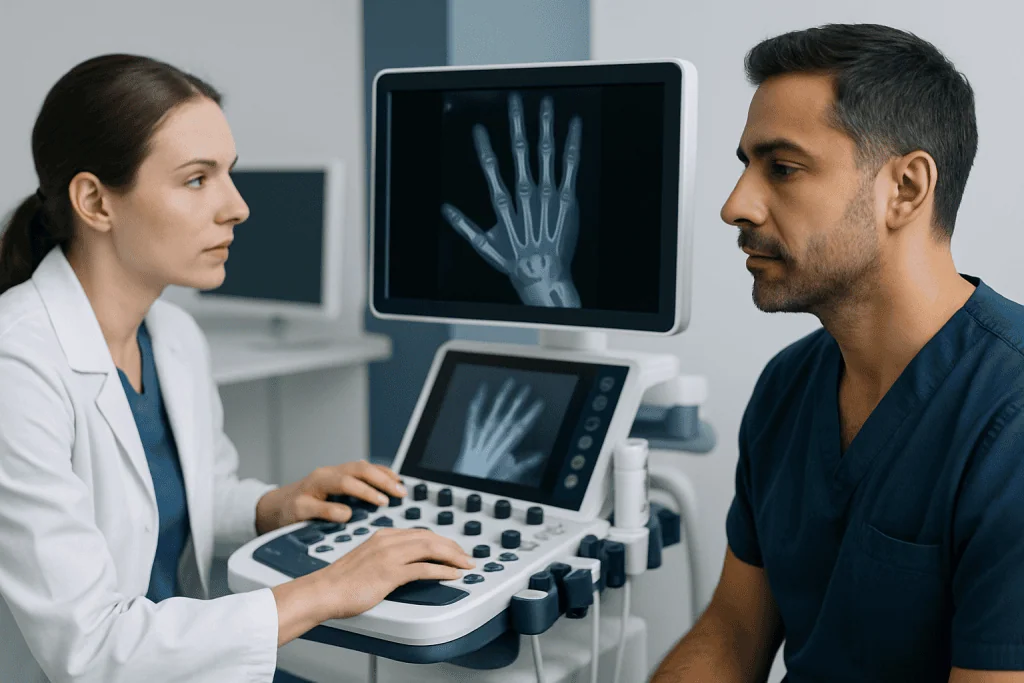
Anyone with polydactyly can benefit from an assessment, although not every extra digit requires immediate intervention. Treatment may be considered if the extra finger or toe affects grasping, shoe wear, walking, hand development, comfort, skin integrity or self-confidence. Some people seek care later because an untreated extra digit becomes inconvenient or painful with activity.
The evaluation begins with a physical examination. The clinician looks at the location of the extra digit, its movement, circulation, nail development and relationship to neighboring fingers or toes. X-rays are often used to show bones and joints and help identify whether a digit is fully formed, duplicated or joined to another digit.
Polydactyly may be on the thumb or big-toe side, the little-finger or little-toe side, or centrally between other digits. This classification helps guide the reconstructive approach. If there are other birth differences, a family history of similar findings, or concerns about growth and development, the care team may recommend genetic counseling or additional medical evaluation.
What Happens During Polydactyly Surgery

The details of surgery depend on the type of polydactyly. A small, nonfunctional soft-tissue digit may be removed with a short procedure. In contrast, a more developed duplicated finger or toe usually requires formal reconstructive surgery in an operating room. Children commonly receive general anesthesia so they remain asleep and comfortable; the anesthesia plan is reviewed with parents in advance.
During the operation, the surgeon carefully separates and removes the tissue that will not be retained. They may reshape bone, repair or rebalance tendons, reconstruct joint-supporting ligaments, adjust nerves and blood vessels, and use local skin flaps to obtain durable coverage. If both duplicated digits contribute useful structures, selected portions of each may be combined to create one better-functioning digit.
The wound is closed with sutures and covered by a dressing. A small splint or cast may be used to protect the reconstructed area, particularly after thumb, toe or joint reconstruction. Most procedures are performed as day surgery, but the recommendation varies with the child’s age, anesthesia needs and complexity of reconstruction.
Parents and adult patients should ask the surgeon what function is realistically expected, whether a staged approach may be needed, and how future growth could affect the result. Clear preoperative planning helps set appropriate expectations.
Recovery Timeline, Results and Follow-Up
Immediately after surgery, mild swelling, bruising and discomfort are expected. Pain is usually managed with medications recommended by the surgical team. Keeping the hand or foot elevated when practical and protecting the dressing can help reduce swelling. The care team provides specific instructions about bathing, dressing care, activity and signs that require contact.
A follow-up visit is often arranged within one to two weeks to assess healing and remove or review the dressing. Sutures may dissolve or be removed depending on the type used. Splints or casts, when needed, may remain in place for several weeks. Children are generally encouraged to return gradually to ordinary play once the surgeon confirms that the area is adequately protected and healing well.
Functional recovery continues beyond skin healing. Some patients need hand therapy, occupational therapy, physiotherapy or home exercises to support movement, strength and coordination. This is more likely after complex reconstruction. The final appearance and function may continue to evolve as swelling resolves and, in children, as the hand or foot grows.
Long-term review can be important for complex cases because growth may reveal joint deviation, nail changes, stiffness or ligament imbalance. Further reconstruction is not always necessary, but early review of emerging concerns gives the care team an opportunity to recommend the most appropriate next step.
Benefits and Possible Risks of Polydactyly Treatment
Potential benefits of treatment include improved grip, pinch, dexterity, shoe comfort, walking mechanics, balance of the hand or foot and ease with daily activities. For some people, treatment also reduces unwanted attention or self-consciousness. In a well-planned reconstruction, preserving stable joints and useful movement is usually more important than achieving a perfectly typical appearance.
As with any operation, risks include bleeding, infection, wound-healing problems, scarring, sensitivity changes and reactions to anesthesia. Specific reconstructive risks can include stiffness, reduced motion, an unstable or angled digit, tendon imbalance, nail irregularity, circulation concerns, or the need for additional surgery. These risks vary considerably according to the underlying anatomy.
Careful surgical planning, appropriate postoperative protection and follow-up reduce avoidable problems but cannot eliminate all risk. The surgeon should explain the individual anatomy, alternatives to surgery and expected trade-offs before treatment. A second opinion from a specialist in congenital hand or foot differences may be helpful when reconstruction is complex.
What Is the Best Age for Polydactyly Surgery?
There is no single best age for every child. For many cases involving a fully formed extra finger or toe, surgeons often plan reconstruction in infancy or early childhood, when the child is large enough for anesthesia and surgery but before the difference significantly affects developing hand use, walking or footwear. The exact timing depends on the digit involved and how complex the reconstruction will be.
A small extra digit connected only by soft tissue may be treated earlier in selected cases. However, tying off an extra digit at home is not recommended because it can cause bleeding, infection, an incomplete result or a painful nerve remnant. Assessment by an experienced clinician is the safest way to determine the appropriate approach.
Later surgery may still be appropriate for adolescents and adults. Timing is individualized around symptoms, function, personal goals, work or school activities and the anticipated complexity of treatment. Delaying surgery does not automatically mean that a good outcome is impossible.
Are There Any Benefits to Having Polydactyly?
Some people with polydactyly have an extra digit that is mobile and may provide additional contact, grip support or balance. In everyday life, however, the practical benefit depends entirely on the digit’s structure and position. An extra digit may instead interfere with grasping, gloves, footwear, sports or certain tasks.
Polydactyly is a natural congenital variation, and not everyone views it as a problem requiring correction. When the extra digit does not cause symptoms or functional limitations, observation can be a reasonable option after specialist assessment. The decision should respect the person’s needs and, for children, consider future function as well as family preferences.
Even if surgery is not chosen, periodic review may be useful when there are concerns about growth, skin irritation, footwear or hand function. A clinician can explain whether the anatomy is likely to remain stable over time.
Is There a Connection Between Polydactyly and Autism?
Polydactyly does not cause autism, and autism does not usually cause polydactyly. Most people with isolated polydactyly do not have autism. These conditions have different developmental and genetic pathways, although both may occasionally be present in a person with a broader genetic syndrome.
When polydactyly occurs alongside multiple congenital differences, developmental concerns or a known family pattern, a doctor may suggest genetic counseling. This does not mean a syndrome is present; it is a way to understand the full clinical picture and discuss whether testing would be useful.
Families with questions about a child’s communication, social development or behavior should discuss those concerns directly with a pediatrician or developmental specialist. Early assessment and support are valuable whenever developmental needs are identified, regardless of whether polydactyly is present.
Frequently asked questions
Can polydactyly be treated without surgery?
Sometimes observation is appropriate, particularly if an extra digit does not interfere with function, footwear, comfort or skin health. However, a specialist should assess the anatomy because a digit that appears small may still contain important nerves, vessels or bone. Home removal methods should not be used.
Is polydactyly surgery painful?
The procedure is performed with anesthesia, so the patient should not feel pain during surgery. Some discomfort, swelling and tenderness are expected afterward, but these are usually managed with the postoperative plan provided by the surgical team. Children may also need reassurance while adjusting to a dressing or splint.
How much does polydactyly surgery cost?
The cost varies by country, hospital, surgeon, anesthesia needs, imaging, procedure complexity, therapy and follow-up care. Simple removal and complex reconstruction have very different resource needs. A hospital’s international patient or financial services team can provide an individualized estimate after clinical assessment.
Will a child need therapy after polydactyly surgery?
Many children recover well with routine surgical follow-up and normal use encouraged at the appropriate time. Hand therapy, occupational therapy or physiotherapy may be advised after more complex reconstruction, stiffness or reduced movement. The need for therapy depends on the affected digit and surgical repair.
Can polydactyly run in families?
Yes. Polydactyly can occur sporadically or be inherited in families, and the inheritance pattern varies by type and underlying cause. A genetic counselor may be helpful when there is a family history, polydactyly affects more than one area, or other congenital differences are present.
When should someone seek medical care for polydactyly?
A medical assessment is appropriate after polydactyly is identified, ideally during infancy for a newborn. Prompt care is important if the digit becomes red, swollen, painful, injured, blue or pale, or if there is drainage or fever. Older children and adults should seek advice if the extra digit affects daily activities, walking, footwear or causes discomfort.
References
- American Society for Surgery of the Hand
- American Academy of Orthopaedic Surgeons
- National Institute of Arthritis and Musculoskeletal and Skin Diseases
- MedlinePlus
- Orphanet
This article is for general information only and is not a substitute for professional medical advice. Please consult a qualified doctor about your individual situation.
Joint and spine care in Turkey — expert assessment & treatment
JCI-accredited · board-certified surgeons · reply within 24h
Add us as a Preferred Source to see more of our trusted health content across Google Search, AI Overviews and Discover.

More from the Health Library


Related Specialists

Assoc. Prof. Dr. Hakan Hasdemir
Cardiology
Asst. Prof. Dr. Müjde Arapoğlu
Pediatrics
Prof. Dr. Ayşe Sarioğlu
Pediatric Cardiology
Dr. Hatice Coşgün
Thoracic Surgery