Mesna in Chemotherapy: How It Works, Results and What to Expect

Mesna is most often used with ifosfamide and, in some circumstances, high-dose cyclophosphamide. It binds harmful chemotherapy breakdown products in the urine, helping protect the bladder lining.
Key Takeaways
- Mesna is most often used with ifosfamide and, in some circumstances, high-dose cyclophosphamide.
- It binds harmful chemotherapy breakdown products in the urine, helping protect the bladder lining.
- Mesna may be given by vein or by mouth on a timed schedule around chemotherapy treatment.
- Drinking fluids and following the prescribed mesna schedule are important parts of bladder protection.
- Blood in the urine, pain with urination, fever, or inability to pass urine should be reported promptly.
Mesna in chemotherapy is a protective medicine used with certain anticancer drugs to reduce the risk of bladder irritation and bleeding. It does not treat cancer directly or make chemotherapy stronger; instead, it helps patients receive selected chemotherapy medicines more safely.
Overview: What Is Mesna in Chemotherapy?
Mesna in chemotherapy is a supportive medication that helps protect the bladder when specific chemotherapy medicines can create irritating substances in the urine. It is commonly used with ifosfamide and may also be used with certain cyclophosphamide treatment plans, particularly when doses are high. Mesna is not a chemotherapy drug itself and does not destroy cancer cells.
During treatment, the body breaks down some medicines into compounds that can pass through the kidneys and collect in the bladder. Without protection, these compounds may irritate the bladder lining and can cause inflammation or bleeding, known as hemorrhagic cystitis. Mesna lowers this risk when it is given correctly and combined with the hydration plan recommended by the oncology team.
Its use is planned individually. The cancer type, chemotherapy regimen, dose, kidney function, ability to drink fluids, and previous treatment effects can all influence how and when mesna is prescribed.
How Mesna Works and Why It Is Given With Chemotherapy
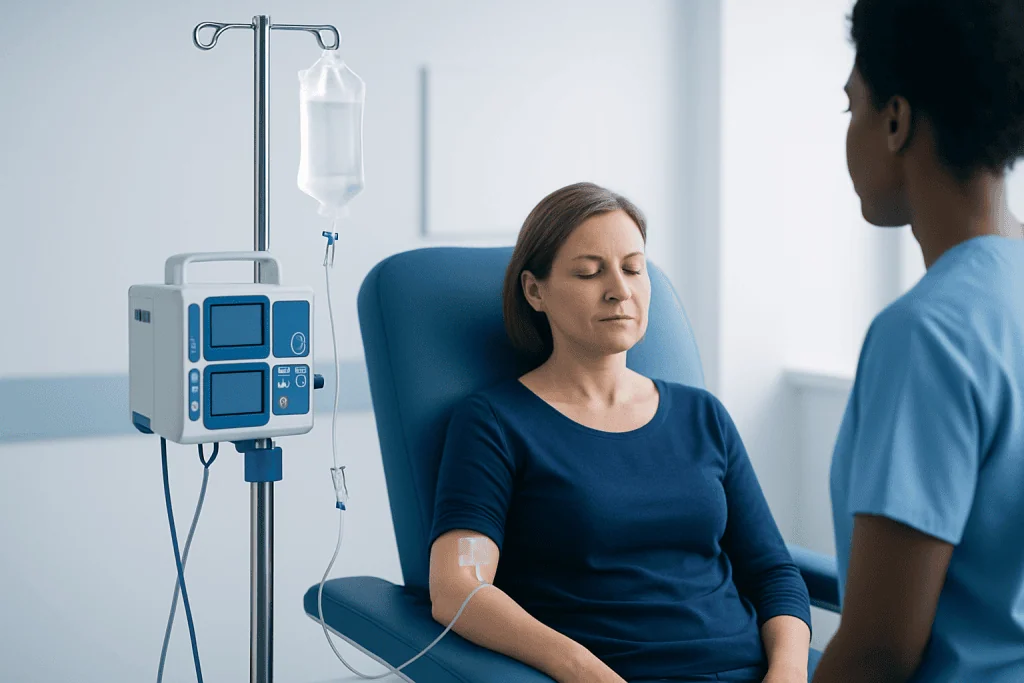
Why is mesna given with chemotherapy? Certain chemotherapy medicines, especially ifosfamide, are broken down into a substance called acrolein. Acrolein leaves the body in urine and may damage the bladder lining. Mesna enters the urine and binds to this substance, making it less harmful before it can irritate the bladder.
Because the bladder is exposed to chemotherapy breakdown products over time, mesna is given on a carefully timed schedule. It may be administered before chemotherapy, during the infusion, and at scheduled intervals afterward. Some regimens use intravenous mesna, while others use oral doses after an intravenous starting dose. The exact approach depends on the medicine being used and the treatment protocol.
Mesna protects against bladder toxicity but does not prevent every possible side effect of chemotherapy. It does not replace blood tests, hydration, infection precautions, or other supportive treatments that may be needed during cancer care.
Who May Need Mesna and How Treatment Is Planned

Mesna is considered for people receiving chemotherapy regimens that include ifosfamide and for selected cyclophosphamide regimens associated with a meaningful risk of bladder injury. It may be used in treatment for several cancers, including some sarcomas, lymphomas, leukemias, and other malignancies, depending on the protocol selected by the oncologist.
Before treatment begins, the care team usually reviews the person’s medical history, current medicines, allergies, kidney and liver function, urinary symptoms, and previous cancer treatments. Urine testing may be arranged when clinically appropriate, particularly if there is a history of bladder problems or blood in the urine.
Patients should tell their team if they have difficulty drinking fluids, frequent vomiting, reduced urine output, a urinary catheter, kidney disease, or a previous reaction to mesna. These factors do not always prevent mesna use, but they can affect monitoring and supportive care planning.
Mesna is part of a broader chemotherapy treatment plan designed by medical oncology specialists. The treatment plan may also include anti-sickness medicines, infection-risk monitoring, nutrition support, and follow-up testing.
What Happens Step by Step During Mesna Treatment?
Before chemotherapy, a nurse or clinician confirms the treatment schedule, reviews symptoms and medicines, and checks any required blood or urine results. Patients may receive advice about fluid intake and are encouraged to ask how many mesna doses are planned and whether they will be given by vein, by mouth, or both.
If mesna is given intravenously, it is usually delivered through the same intravenous line, cannula, or central venous access device used for chemotherapy. It may be administered as a short injection or infusion at specific times around the chemotherapy dose. When oral mesna is used, it must be taken exactly at the times prescribed because timing is central to maintaining bladder protection.
During the appointment, the team observes for infusion reactions and chemotherapy-related symptoms. After treatment, patients are commonly asked to continue drinking fluids unless their clinician has advised fluid restriction. They should also urinate regularly rather than holding urine for prolonged periods.
If an oral mesna dose is vomited soon after being taken, the patient should contact the oncology team promptly. They may need advice about whether the dose should be repeated or replaced with intravenous mesna; they should not make this decision alone.
Benefits, Recovery Timeline and What to Expect After Treatment
The main benefit of mesna is reducing the likelihood of chemotherapy-related bladder inflammation and bleeding. This can help prevent painful urinary symptoms, avoid interruptions to treatment, and reduce the chance that additional bladder-focused care will be needed. Its protective effect is strongest when all scheduled doses are received and hydration guidance is followed.
Mesna itself does not usually require a separate recovery period. The timing of recovery after a chemotherapy session depends mainly on the anticancer medicines received, the dose, the treatment cycle, and the person’s overall health. Some people feel tired or nauseated on the day of treatment or during the first few days afterward, while other effects may appear later.
What are the hardest days after chemo? This varies greatly by regimen. For many people, the first few days can be difficult because of fatigue, nausea, appetite changes, constipation, or steroid-related sleep changes. For some chemotherapy plans, blood counts reach their lowest point approximately one to two weeks after treatment, which can increase vulnerability to infection. The oncology team can explain the expected pattern for the individual regimen.
What are good signs that chemo is working? Symptoms may improve for some people, but symptoms alone cannot reliably show whether cancer is responding. The most dependable assessment comes from planned examinations, blood tests, imaging scans, and sometimes other tests such as tumor markers or biopsy results. A person should continue treatment and follow-up as advised even if they do not notice a visible change.
What Are the Side Effects of Mesna?
What are the side effects of mesna? Many people tolerate mesna well, and some symptoms experienced during a treatment cycle may be caused by chemotherapy rather than mesna. Possible mesna-related effects include nausea, vomiting, diarrhea, headache, fatigue, flushing, changes in taste, and injection-site discomfort when it is given intravenously.
Less commonly, mesna can cause skin rash, itching, fever, muscle or joint aches, or low blood pressure. Rarely, a serious allergic or skin reaction can occur. The treatment team should be informed about any previous reaction to mesna or to medicines containing sulfur-related compounds, although individual reactions cannot be predicted solely from this history.
Urine may have a distinctive odor after mesna, which is usually not harmful. However, visible blood in urine, burning or pain during urination, lower abdominal pain, very dark urine, markedly reduced urine output, or new difficulty passing urine should not be assumed to be a normal medication effect and should be reported promptly.
- Take each scheduled oral dose exactly as instructed.
- Follow the individual fluid-intake advice from the oncology team.
- Keep a record of vomiting, urinary symptoms, fever, and medicines taken.
- Ask before using over-the-counter medicines, supplements, or herbal products.
When to Seek Medical Care
Patients should contact their oncology team promptly if they develop blood in the urine, painful urination, frequent urgency to urinate, inability to urinate, persistent vomiting, or signs of dehydration such as dizziness or very little urine. These symptoms may need assessment even when mesna has been used.
Urgent medical care is important for fever at or above the temperature threshold provided by the cancer team, chills, shortness of breath, chest pain, fainting, facial swelling, widespread rash, blistering skin, or severe weakness. During chemotherapy, fever can sometimes be the first sign of an infection requiring rapid treatment.
Patients should use the emergency contact instructions given by their treatment center, including after-hours numbers. They should not wait for their next appointment if concerning symptoms arise, and they should not stop chemotherapy or mesna without speaking to their oncology clinician unless emergency professionals advise otherwise.
Acibadem International’s multidisciplinary specialists and JCI-accredited hospitals support international patients receiving cancer diagnosis and treatment, including monitoring and supportive care throughout chemotherapy.
Frequently asked questions
Is mesna chemotherapy?
No. Mesna is a supportive medicine used alongside selected chemotherapy drugs. It helps protect the bladder from harmful breakdown products but does not treat cancer directly.
Why is mesna given with chemotherapy?
Mesna is given to reduce bladder damage caused by certain chemotherapy medicines, particularly ifosfamide. It neutralizes a bladder-irritating breakdown product in the urine and helps lower the risk of bleeding and inflammation.
How long does mesna stay in the body?
Mesna is processed and cleared relatively quickly, which is why it is often administered in several timed doses around chemotherapy. The exact schedule depends on the chemotherapy medicine, dose, and route of administration.
What are the side effects of mesna?
Possible side effects include nausea, vomiting, diarrhea, headache, tiredness, flushing, rash, or discomfort at an injection site. Serious allergic reactions are uncommon, but breathing difficulty, facial swelling, widespread rash, or blistering require urgent medical assessment.
What are good signs that chemo is working?
Improved symptoms can sometimes be encouraging, but they are not a reliable measure of treatment response on their own. Oncologists assess response using scheduled scans, examinations, blood tests, and other tests appropriate to the cancer type.
What are the hardest days after chemo?
The most difficult days differ by treatment regimen and person. Symptoms such as tiredness and nausea may be strongest in the first few days, while low blood counts can occur later in the cycle. The oncology team can explain the likely timing for the specific chemotherapy plan.
References
- National Cancer Institute
- American Cancer Society
- National Comprehensive Cancer Network
- European Society for Medical Oncology
- U.S. National Library of Medicine
This article is for general information only and is not a substitute for professional medical advice. Please consult a qualified doctor about your individual situation.
Chemotherapy in Turkey — costs, top hospitals & a free quote
JCI-accredited · board-certified surgeons · reply within 24h
Add us as a Preferred Source to see more of our trusted health content across Google Search, AI Overviews and Discover.

Medical Oncology Department
Medical treatment of cancer with chemotherapy, immunotherapy and targeted therapies under a multidisciplinary tumor board.
60 specialists in this unit