Mesothelioma Treatment Centers: How It Works, Results and What to Expect

Mesothelioma care is best planned by a multidisciplinary team with experience in this uncommon cancer. Treatment may include surgery, systemic therapy, radiation therapy and symptom-focused supportive care, depending on the cancer type and stage.
Key Takeaways
- Mesothelioma care is best planned by a multidisciplinary team with experience in this uncommon cancer.
- Treatment may include surgery, systemic therapy, radiation therapy and symptom-focused supportive care, depending on the cancer type and stage.
- Not every person is a candidate for major surgery; overall health, disease extent and personal goals are central to planning.
- There is no universal "best" hospital, but experience, team coordination, diagnostic expertise and access to appropriate trials matter.
- Early evaluation of new or worsening breathlessness, chest pain, abdominal swelling or unexplained weight loss can support timely care.
Mesothelioma treatment centers coordinate specialist assessment, accurate staging and individualized care for a rare cancer usually linked to past asbestos exposure. The most suitable center has experience with mesothelioma and brings thoracic surgery, medical oncology, radiation oncology, pathology, imaging and supportive-care teams together to guide each decision.
Mesothelioma Treatment Centers: How Care Works
Mesothelioma treatment centers are hospitals or cancer programs that assess and manage mesothelioma through a coordinated team of specialists. Because mesothelioma is uncommon and can resemble other chest or abdominal conditions, care usually begins with confirming the diagnosis, identifying where the cancer began and determining how far it has spread. This information helps the team recommend treatment that fits the individual’s health, cancer characteristics and priorities.
Most mesothelioma starts in the lining around the lungs (pleural mesothelioma). Less commonly, it develops in the lining of the abdomen (peritoneal mesothelioma), around the heart or around the testicles. A specialized center can review tissue samples, imaging and previous treatment records, which is especially useful when a diagnosis was made elsewhere or remains uncertain.
Care is not limited to cancer-directed treatment. Effective programs also address breathing difficulties, pain, nutrition, fatigue, emotional wellbeing, rehabilitation and practical needs. Supportive and palliative care can be introduced at any stage alongside active treatment; it is intended to improve comfort and quality of life, not to mean that treatment has stopped.
Who May Be a Candidate for Specialized Mesothelioma Care?
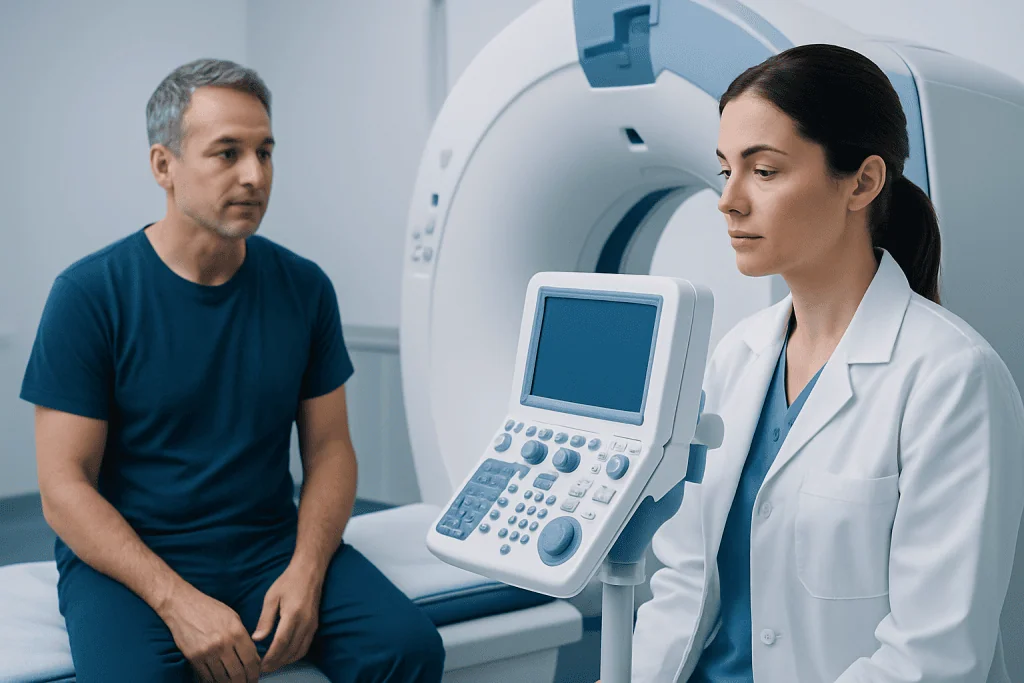
Anyone with a confirmed or suspected mesothelioma may benefit from review at a center with relevant expertise. Referral is particularly valuable before a major operation, when pathology findings are unclear, when the disease has returned after treatment, or when a person wants to discuss all available approaches, including clinical trials.
Suitability for a particular treatment depends on several factors. These include the location and cell type of mesothelioma, disease stage, whether it appears removable with surgery, lung and heart function, kidney function, previous treatments and a person’s day-to-day activity level. Age alone does not determine eligibility, but it is considered alongside overall health and recovery capacity.
During planning, clinicians should discuss the potential benefits, limitations and burdens of each option in clear terms. The person receiving care may also wish to involve family members or caregivers and ask about second opinions. Decisions can change over time if symptoms, scan findings or personal goals change.
Assessment and Treatment Planning: Step by Step

The first step is usually a detailed consultation and record review. The team asks about symptoms, work and environmental history, including possible asbestos exposure, smoking history and other medical conditions. A pathologist with mesothelioma experience may re-examine the biopsy to confirm the diagnosis and identify the subtype.
Next, doctors use imaging such as chest or abdominal CT, PET-CT and sometimes MRI to understand the location and extent of disease. Additional tests may assess breathing capacity, heart health and fitness for anesthesia if surgery is being considered. Fluid around the lungs or abdomen may be sampled or drained when clinically appropriate.
The case is then discussed in a multidisciplinary meeting. This may involve medical oncologists, thoracic or abdominal surgeons, radiation oncologists, radiologists, pathologists, pulmonologists, anesthesiologists, specialist nurses and palliative-care clinicians. The group develops a proposed plan and explains alternatives, expected treatment sequence and monitoring schedule.
For international patients, Acibadem International’s multidisciplinary specialists and JCI-accredited hospitals can evaluate and treat mesothelioma, with care coordinated across diagnostic and oncology services. A written medical summary, imaging files and pathology materials can help make a consultation more efficient.
Mesothelioma Treatment Options, Benefits and Risks
Treatment may involve one approach or a combination. Systemic therapy travels through the bloodstream and may include chemotherapy, immunotherapy or other medicines selected by the oncology team. It may be used before or after surgery, as the main treatment when surgery is not appropriate, or to help control cancer that has recurred. Possible side effects vary by medicine but can include fatigue, nausea, appetite changes, lowered blood counts, infection risk, skin reactions or immune-related inflammation.
Surgery may be considered for carefully selected people, most often when disease is limited enough that an operation may remove visible tumor or reduce tumor burden. Operations for pleural mesothelioma can be extensive and may involve removal of the tumor lining and, in some cases, nearby tissue. Surgery can offer local disease control for some people, but it carries meaningful risks, including bleeding, infection, blood clots, breathing complications, prolonged air leak and a lengthy recovery.
Radiation therapy may be used after surgery, for selected sites of disease or to relieve symptoms such as pain. It is carefully planned to protect nearby organs. Short-term effects can include tiredness and skin irritation, while risks depend on the area treated and may involve irritation of nearby lung, esophagus, bowel or other tissues.
Fluid-management procedures can ease breathlessness or abdominal pressure when fluid accumulates. Symptom care may also include pain management, pulmonary rehabilitation, dietary support and counseling. The right plan balances potential cancer control with safety, expected side effects and what matters most to the individual.
Recovery Timeline and Follow-Up
Recovery varies substantially by treatment. After a biopsy, drainage procedure or outpatient systemic treatment, many people resume light activities within days, although fatigue can last longer. Following major surgery, hospitalization may last days to weeks depending on the procedure and recovery, with additional weeks or months needed to rebuild stamina and breathing capacity.
Recovery plans commonly include pain control, breathing exercises, early mobilization, prevention of blood clots, nutrition support and follow-up with the surgical and oncology teams. Patients should report fever, worsening shortness of breath, chest pain, new swelling, uncontrolled pain, dehydration or difficulty eating and drinking promptly, as these can need medical assessment.
Follow-up appointments generally include symptom review, physical examination and scheduled imaging. The timing depends on the treatment received and the individual’s condition. If scans show disease progression or if treatment side effects become difficult, the team can reconsider the plan and prioritize symptom relief and function.
How Close Are We to a Cure for Mesothelioma?
At present, there is no reliable cure for mesothelioma that applies to everyone. Some people with early, localized disease who are suitable for intensive combined treatment may achieve long periods without evidence of active cancer, but recurrence remains possible. For more advanced disease, treatment often focuses on slowing growth, reducing symptoms and preserving quality of life.
Research continues into combinations of surgery, systemic treatment, radiation therapy and newer medicines. Clinical trials may be appropriate for some patients, depending on the cancer type, prior treatments, overall health and trial availability. A specialist center can explain whether a trial is relevant, what participation involves and how it compares with standard care.
What Is the Best Hospital for Mesothelioma?
There is no single best hospital for every person with mesothelioma. The most appropriate choice is usually a center with clinicians who regularly evaluate mesothelioma, experienced pathology and imaging review, a multidisciplinary tumor board, access to thoracic or abdominal surgery when needed, and strong supportive-care services.
Patients may find it useful to ask how the diagnosis will be confirmed, which specialists will participate in planning, whether the center treats the specific type of mesothelioma involved, and how treatment complications and symptom needs are managed. It is also reasonable to ask whether clinical trials or second-opinion reviews are available. Travel distance, communication needs and support from family or caregivers are important practical considerations.
How Long Can You Live With Mesothelioma With Treatment?
Life expectancy with mesothelioma varies widely, so an individual timeline cannot be accurately predicted from the diagnosis alone. Outcomes are influenced by where the cancer started, stage, cell type, response to treatment, general health and whether surgery is feasible. Population estimates cannot show what will happen for one person.
A treating oncologist can provide the most meaningful outlook after reviewing pathology, imaging and treatment response over time. It can help to ask about the aim of treatment, what signs will indicate benefit, what side effects may limit treatment and how comfort and independence will be supported. Honest prognostic conversations can be paired with active symptom management and practical planning.
How Painful Is Mesothelioma?
Mesothelioma is not equally painful for everyone. Some people have little or no pain initially, while others develop persistent chest, shoulder, back or abdominal discomfort as tumor or fluid affects surrounding tissues. Breathlessness, cough, fatigue and pressure from fluid buildup can also affect wellbeing.
Pain should not be accepted as unavoidable. Clinicians can assess its cause and combine approaches such as medicines, drainage of fluid, radiation therapy for selected painful areas, nerve-focused procedures, physiotherapy and psychological support. Reporting pain early and describing where it occurs, how severe it is and what makes it better or worse helps the team tailor relief safely.
When to Seek Medical Care
Medical assessment is important for persistent or worsening shortness of breath, chest pain, ongoing cough, unexplained weight loss, marked fatigue, abdominal pain or increasing abdominal swelling. These symptoms have many possible causes and do not necessarily indicate mesothelioma, but they deserve evaluation, particularly in someone with known past asbestos exposure.
Urgent medical care is needed for sudden severe breathing difficulty, coughing up a significant amount of blood, severe chest pain, fainting, confusion, or symptoms of a serious treatment reaction such as high fever with chills. People already receiving treatment should use the urgent contact instructions provided by their care team.
Asbestos exposure is the main preventable risk factor for mesothelioma. People should avoid disturbing materials that may contain asbestos and use trained, regulated professionals for inspection or removal where required. There is no routine screening test proven to prevent mesothelioma deaths in all asbestos-exposed people, but a doctor can advise on individualized follow-up when there has been substantial exposure.
Frequently asked questions
What happens at a first appointment with a mesothelioma treatment center?
The first appointment usually includes a review of symptoms, medical history, possible asbestos exposure, scans and biopsy results. The team may recommend additional imaging, pathology review or fitness tests before making a treatment recommendation. Patients can bring questions, medication lists and a support person if they wish.
Do all people with mesothelioma need surgery?
No. Surgery is appropriate only for selected patients after careful assessment of disease extent, overall health and expected benefit. Many people are treated with systemic therapy, symptom-directed procedures, radiation therapy or a combination of approaches instead.
Can mesothelioma treatment be given close to home?
Some treatments and follow-up may be delivered locally in coordination with a specialized center. However, it can be useful to obtain a specialist opinion before major decisions, especially before extensive surgery. The feasibility of shared care depends on the treatment plan and local services.
Why is a pathology review important in mesothelioma?
Mesothelioma can be difficult to distinguish from other cancers or noncancerous conditions affecting the lining of the lung or abdomen. An experienced pathologist can review tissue and specialized laboratory tests to help confirm the diagnosis and subtype. Accurate pathology supports appropriate treatment planning.
Can palliative care be used while receiving cancer treatment?
Yes. Palliative care can be provided alongside chemotherapy, immunotherapy, surgery or radiation therapy. It focuses on symptoms such as pain and breathlessness, emotional support and help with practical decisions, with the aim of improving quality of life.
Should someone with past asbestos exposure have regular scans?
There is no universal recommendation for routine mesothelioma screening scans for every person with past asbestos exposure. The most suitable follow-up depends on the amount and type of exposure, smoking history and other health factors. A clinician can provide individualized advice and assess any new symptoms promptly.
References
- World Health Organization
- National Cancer Institute
- American Cancer Society
- European Society for Medical Oncology
- National Comprehensive Cancer Network
This article is for general information only and is not a substitute for professional medical advice. Please consult a qualified doctor about your individual situation.
Oncology care in Turkey — second opinion and treatment plan
JCI-accredited · board-certified surgeons · reply within 24h
Add us as a Preferred Source to see more of our trusted health content across Google Search, AI Overviews and Discover.