Metal Implant: An Evidence-Based Patient Guide

Metal implants include joint replacements, plates, screws, rods, dental implants, pacemakers and vascular stents. Most orthopedic implants are made from titanium alloys, stainless steel, cobalt-chromium alloys or specialized ceramics and polymers used alongside metal components.
Key Takeaways
- Metal implants include joint replacements, plates, screws, rods, dental implants, pacemakers and vascular stents.
- Most orthopedic implants are made from titanium alloys, stainless steel, cobalt-chromium alloys or specialized ceramics and polymers used alongside metal components.
- A metal implant does not automatically prevent MRI, but MRI safety must always be checked before scanning.
- Benefits can include improved stability, pain relief and mobility, while risks vary by implant type and procedure.
- New or worsening pain, swelling, fever, wound drainage or changes in function should be assessed promptly by a clinician.
A metal implant is a device placed in the body to repair, stabilize or replace a damaged structure, most often bone or a joint. Modern implants are selected through evidence-based planning to balance strength, tissue compatibility and long-term function for the individual patient.
Metal Implant Definition and Common Examples
A metal implant is a medical device that is placed inside the body to support, repair, replace or help monitor a body structure or function. It may be temporary, such as a plate used while a broken bone heals, or designed to remain in place for many years, such as a hip replacement. The term describes many different devices rather than one single treatment.
Common metal implant examples include bone plates, screws, pins, rods and intramedullary nails used after fractures; artificial hip, knee and shoulder joints; spinal rods and screws; dental implants; cardiac pacemakers and defibrillators; vascular stents; and some surgical clips. Their material and design depend on where the device is used, the forces it must withstand and the surrounding tissues.
Orthopedic implants commonly use titanium alloys, stainless steel or cobalt-chromium alloys. These materials have a long history of medical use because they are strong and generally resistant to corrosion. Some joint implants also contain ceramic or durable plastic components, while implanted electronic devices contain carefully protected metal and electronic parts.
How Implant Treatment Planning and the Procedure Work
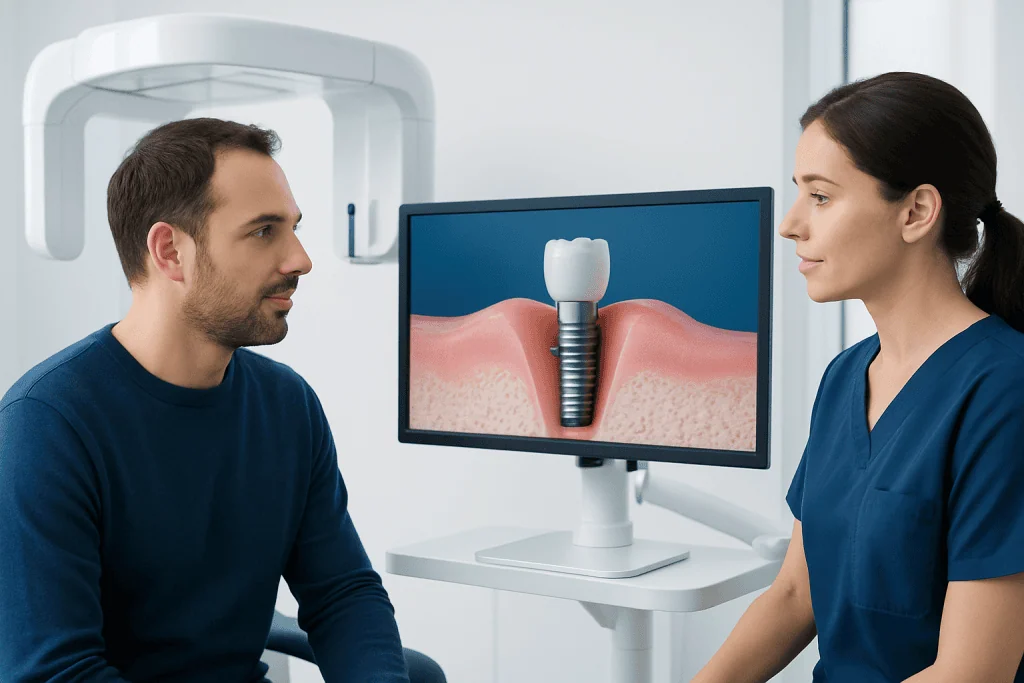
Evidence-based implant treatment planning and clinical protocols begin with a clear diagnosis. The clinician considers symptoms, examination findings, imaging, bone quality, general health, activity needs and the likely benefits of non-surgical care. For a fracture, this may mean determining whether the bone can heal in a stable position without surgery. For joint disease, it may involve assessing how pain and loss of function affect daily life.
If surgery is appropriate, the surgical team chooses an implant size, shape and fixation method suited to the anatomy and condition. X-rays, CT scans or other planning tools may help guide this decision. The aim is to restore alignment and stability while protecting nearby nerves, blood vessels, tendons and healthy tissue.
During an orthopedic operation, anesthesia is used so the patient is comfortable. The surgeon makes an incision, prepares the bone or joint, positions the implant and confirms alignment, often with imaging. The wound is then closed and covered. The details differ substantially between fracture fixation, joint replacement surgery and spinal procedures, so the care team explains the individual plan before treatment.
Candidacy is individualized. Factors such as uncontrolled infection, severe medical illness, poor bone quality, smoking, circulation problems, medication use and the ability to participate in rehabilitation may affect timing or the recommended approach. These factors do not always rule out treatment, but they may need to be addressed to improve safety and healing.
Benefits, Recovery and Long-Term Follow-Up
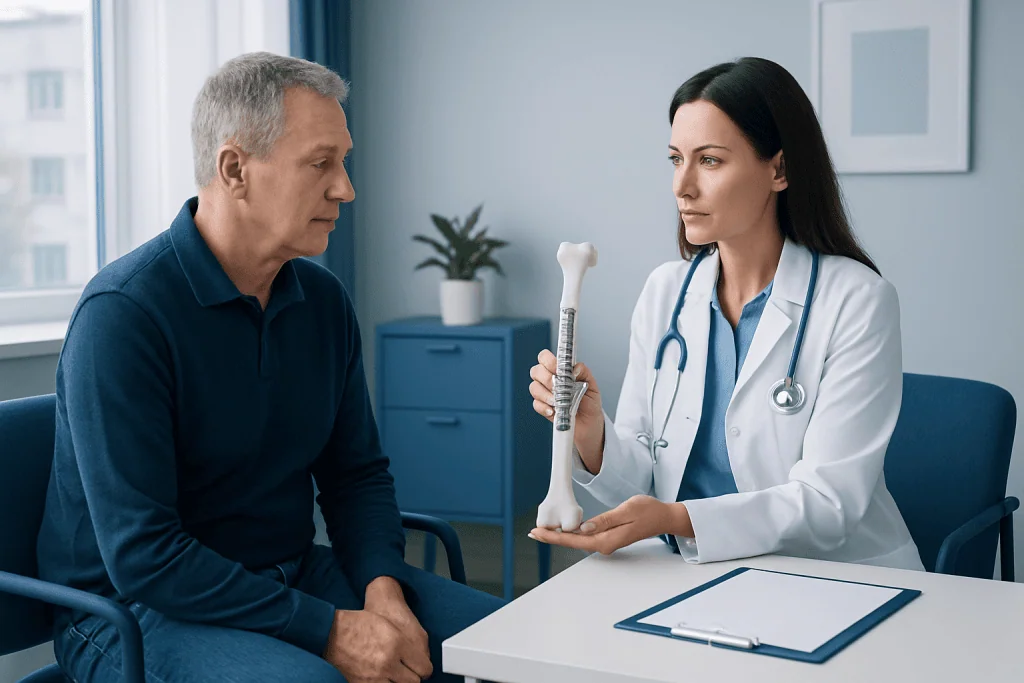
The potential benefits of a metal implant depend on its purpose. Fracture fixation can hold bone fragments in an appropriate position while healing occurs. Joint replacement may reduce pain and improve movement when severe joint damage has not responded adequately to conservative treatment. Spinal implants may help stabilize a segment of the spine when instability or deformity requires surgical correction.
Recovery is not identical for every implant. After a straightforward fixation procedure, early movement of nearby joints may be encouraged while weight-bearing is limited until healing progresses. After joint replacement, rehabilitation commonly begins soon after surgery and focuses on safe mobility, strength and range of motion. Recovery may take weeks to months, and full improvement can continue over a longer period.
Follow-up appointments allow the team to assess the wound, symptoms, movement and implant position. X-rays may be used to monitor bone healing or the position of orthopedic components. Rehabilitation plans should be followed carefully, including guidance on activity, wound care, pain management and return to work, driving or sport.
Long-term follow-up can be especially important after joint replacement or complex fracture treatment. An implant may function well for many years, but it can still require monitoring for wear, loosening or changes in the surrounding bone. New symptoms should not be assumed to be a normal part of having an implant.
What Are the Potential Side Effects of Metal Implants?
Potential side effects of metal implants are usually related to the operation, healing process or the device itself. Short-term effects after surgery may include pain, bruising, swelling, stiffness, fatigue and temporary limitations in movement. These are common parts of recovery for many people, but their intensity and duration vary according to the procedure and the individual.
Less common complications can include wound problems, infection, bleeding, blood clots, nerve or blood-vessel injury, delayed bone healing, implant movement, breakage or loosening. With joint implants, wear of components, stiffness, instability or persistent pain can occasionally develop over time. Surgical teams take measures to reduce these risks, but no procedure is entirely risk-free.
True allergy or sensitivity to metals is uncommon, and symptoms attributed to metal sensitivity need careful medical assessment because many other causes are more likely. In selected situations, a surgeon may consider a different implant material or refer the patient for further evaluation. Patients should report previous reactions to jewelry, watches, belt buckles or prior implants during preoperative planning.
Concern about metal ions is most relevant to particular implant designs and clinical situations, not to every metal implant. If there are symptoms or imaging findings that raise concern, the treating specialist can decide whether further blood tests, imaging or follow-up are appropriate. Patients should not arrange testing or seek implant removal without specialist advice.
Metal Implant and MRI: Is Imaging Safe?
A metal implant and MRI can often be compatible, but safety depends on the exact device, where it is located and when it was placed. MRI uses a powerful magnetic field and radiofrequency energy. Some implants are classified as MRI safe, MRI conditional under specified conditions, or MRI unsafe. This classification must be confirmed before the scan.
Many modern orthopedic plates, screws and joint replacements are made from materials that are not strongly magnetic and can usually be scanned under appropriate conditions. However, they may create image distortion, called artifact, near the implant. This can make it harder to evaluate the nearby area, although MRI techniques can sometimes reduce this effect.
Implanted electronic devices, including certain pacemakers, defibrillators, neurostimulators and pumps, need particular attention. Some are designed for MRI under carefully controlled protocols, while others may not be suitable. The MRI department must know about every implant before booking and again before scanning.
Patients should bring any available implant information to appointments. This may include an implant card, operative report or device details in a patient portal. If documentation is unavailable, the treating hospital, surgeon or device manufacturer may be able to help identify the device. An MRI should never be delayed in an emergency without clinical advice, but the radiology team must assess safety first.
Do You Need a Card to Fly If You Have Metal in Your Body?
Most people do not need a special card to fly simply because they have metal in their body. Airport security procedures vary by country and airport, and an implant may or may not activate a screening device. Security staff use their own screening methods and make the final decisions about additional checks.
Metal implant cards can be useful as medical information, particularly when they identify the implant type, manufacturer and date of placement. However, they are not universally accepted as a substitute for airport screening, and they do not guarantee that further screening will not be needed. Travelers should allow additional time and follow the instructions of security personnel.
For people with implanted electronic devices, carrying device identification is particularly helpful. A treating clinician can also advise about travel after recent surgery, as the timing depends on the procedure, healing, mobility, clot risk and any individual health concerns. Airline travel soon after surgery should be discussed with the surgical team.
What Percentage of People Have Metal Implants?
There is no single, reliable percentage that applies to all people worldwide because implant use differs by age, country, access to healthcare and the definition of an implant. Studies in individual populations have estimated that a substantial minority of adults have at least one implanted medical device, but the proportion changes significantly across groups.
Metal implants become more common with increasing age because fractures, joint replacement procedures, dental implants and cardiovascular conditions are more frequent later in life. Younger people may also have implants after sports injuries, accidents, congenital conditions or dental treatment. Devices may be visible on X-ray even when they do not cause symptoms.
Because estimates depend on the population and device types included, it is more useful for individual care to identify the exact implant rather than rely on a general prevalence figure. Accurate device information supports safer imaging, future surgery and emergency care.
Can You Feel Metal Implants and When to Seek Medical Care
Most people cannot directly feel the metal itself once the incision and deeper tissues have healed. They may, however, feel stiffness, tightness, altered sensation around a scar or awareness of the area during certain movements. An implant close to the skin, such as a plate near the collarbone or ankle, may sometimes be more noticeable to touch.
Cold weather, changes in activity or surrounding soft-tissue sensitivity may make an implanted area feel different for some people. These experiences do not necessarily mean that the implant has a problem. Persistent discomfort, new pain or reduced function should nevertheless be discussed with a clinician rather than attributed automatically to weather or the presence of metal.
Medical care should be sought promptly for fever, increasing redness or warmth around a wound, drainage, rapidly worsening swelling, severe or escalating pain, a new deformity, numbness, weakness, loss of circulation, chest pain or shortness of breath. These symptoms can have several causes and require timely assessment. After an injury to the area of an implant, medical review is also sensible, especially if function has changed.
For planned care, specialists at Acibadem International’s multidisciplinary teams and JCI-accredited hospitals can assess implant-related concerns and arrange appropriate orthopedic, radiology, rehabilitation or other specialist input for international patients. Ongoing follow-up should remain coordinated with the clinician who knows the implant and the person’s overall health history.
Frequently asked questions
Are metal implants permanent?
Some metal implants are intended to remain in the body permanently, while others may be removed after healing if they cause symptoms or no longer serve a purpose. Removal is not routine and involves its own surgical risks. The decision should be made with the treating surgeon based on symptoms, implant location and the original condition.
Can a metal implant set off an airport metal detector?
It can, but many implants do not trigger airport screening equipment. Screening technology and procedures differ between airports. An implant card can provide useful device information, but it does not replace required security screening.
Can someone with a metal implant have an MRI scan?
Many people with orthopedic implants can have MRI safely, but this must be checked for the exact device and scan conditions. Electronic implants and certain older or specialized devices require additional precautions. The MRI team should be told about all implants before the examination.
Do metal implants cause pain in cold weather?
Some people notice more discomfort around a previously operated area in cold conditions, although the reasons are not fully understood and may involve surrounding tissues, nerves or changes in activity. Cold-related discomfort alone does not prove that an implant is failing. A new, persistent or worsening pattern should be assessed by a clinician.
Can metal implants be rejected by the body?
The body does not usually reject a metal implant in the way it can reject a transplanted organ. Complications such as infection, loosening, poor bone healing, inflammation or uncommon metal sensitivity can occur. Evaluation by the treating specialist is needed to identify the cause of symptoms.
How do I find out what metal implant I have?
The operative report, implant card, discharge paperwork or medical record may list the implant manufacturer and model. The hospital or surgeon who performed the procedure may also be able to provide this information. Keeping these details accessible is helpful before MRI scans, future operations and travel.
References
- U.S. Food and Drug Administration
- American Academy of Orthopaedic Surgeons
- Radiological Society of North America
- National Institute of Arthritis and Musculoskeletal and Skin Diseases
- World Health Organization
This article is for general information only and is not a substitute for professional medical advice. Please consult a qualified doctor about your individual situation.
Joint and spine care in Turkey — expert assessment & treatment
JCI-accredited · board-certified surgeons · reply within 24h
Add us as a Preferred Source to see more of our trusted health content across Google Search, AI Overviews and Discover.