Microbiome Diet Research and Healthy Eating Patterns

The microbiome responds to habitual eating patterns, especially dietary fiber and food variety. Research supports plant-forward, minimally processed dietary patterns more strongly than commercial microbiome diet plans.
Key Takeaways
- The microbiome responds to habitual eating patterns, especially dietary fiber and food variety.
- Research supports plant-forward, minimally processed dietary patterns more strongly than commercial microbiome diet plans.
- Fermented foods and prebiotic-rich foods may be helpful for some people, but tolerance varies.
- Microbiome tests cannot yet reliably prescribe an individualized diet for most people.
- People with digestive disorders, immune suppression, or significant symptoms should seek individualized medical advice before making major changes.
A microbiome diet is a broad eating approach intended to support the community of microorganisms living in the digestive tract. Clinical research suggests that diverse, fiber-rich dietary patterns can influence the gut microbiome and some health markers, but no single branded or restrictive microbiome diet has been proven to treat disease or suit everyone.
What Is a Microbiome Diet?
A microbiome diet is not one standardized medical diet. The term usually describes an eating pattern designed to influence the gut microbiome: the large and diverse community of bacteria, viruses, fungi, and other microorganisms that live mainly in the large intestine. These organisms interact with food components, the intestinal lining, immune activity, and many normal body processes.
Most versions emphasize vegetables, fruit, beans, lentils, whole grains, nuts, seeds, and other minimally processed plant foods. They may also include fermented foods such as yogurt, kefir, sauerkraut, kimchi, or miso. Some plans recommend reducing highly processed foods, excess added sugars, and frequent alcohol intake. The clinical evidence is strongest for these broad dietary principles rather than for named programs, detoxes, supplements, or rigid food rules.
The goal should not be to create a supposedly “perfect” microbiome. A healthy microbiome varies substantially between individuals and can change with age, medications, illness, geography, sleep, and diet. For most people, a practical goal is to support digestive health and overall nutrition through a varied, sustainable eating pattern.
What Clinical Research Supports—and What It Does Not

Human studies show that diet can alter the composition and activity of gut microorganisms. Dietary fiber is particularly important because some fibers reach the colon and are fermented by microbes. This process can produce short-chain fatty acids, including butyrate, which are involved in supporting the intestinal barrier and may influence metabolic and immune pathways.
Research also suggests that diets rich in a variety of plant foods are associated with greater microbial diversity and beneficial microbial functions. Mediterranean-style eating patterns, which commonly include vegetables, legumes, whole grains, fruit, olive oil, nuts, and fish, have the most consistent evidence for broader health outcomes such as cardiovascular and metabolic health. These benefits cannot be attributed to the microbiome alone, but microbiome-related changes may be one contributing mechanism.
Evidence for fermented foods is promising but still developing. Small clinical studies suggest that regular consumption of certain fermented foods may affect microbial diversity and inflammatory markers in some people. However, fermented foods are not necessary for everyone, products differ widely, and they should not be viewed as a treatment for chronic disease.
Clinical research does not support claims that a microbiome diet can “reset” the gut, eliminate toxins, diagnose disease from a consumer stool test, or reliably cure obesity, depression, autoimmune disease, cancer, or digestive disorders. The microbiome is complex, and cause-and-effect relationships remain difficult to establish. A food plan should complement—not replace—evidence-based medical care.
Food Patterns That May Support Gut Microbial Health
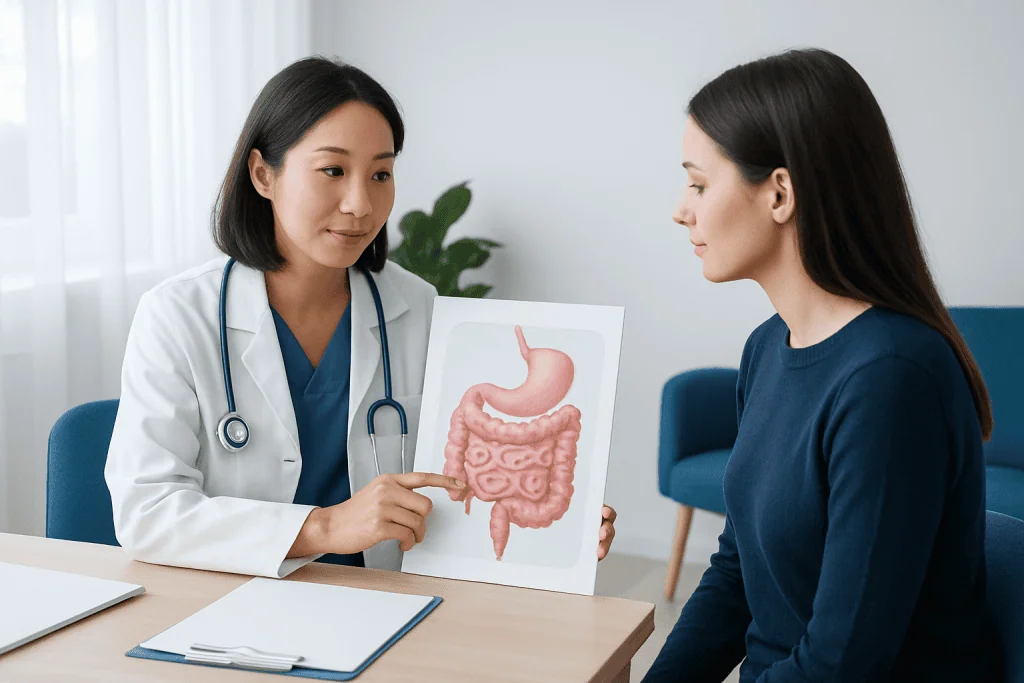
Rather than focusing on a short list of “superfoods,” clinical nutrition generally favors variety and consistency. Different plant foods contain different fibers and plant compounds, which may support different microbial activities. Gradual changes are often more comfortable and sustainable than a sudden, highly restrictive overhaul.
- Fiber-containing foods: beans, lentils, chickpeas, oats, barley, whole-grain breads, vegetables, fruit, nuts, and seeds.
- Prebiotic-containing foods: onions, garlic, leeks, asparagus, artichokes, oats, barley, bananas, and legumes. Prebiotics are food components that can be used by certain gut microorganisms.
- Fermented foods: live-culture yogurt, kefir, and traditionally fermented vegetables may be included if they are tolerated and appropriate for the individual.
- Unsaturated-fat sources: olive oil, nuts, seeds, avocado, and oily fish can fit within an overall dietary pattern associated with good cardiometabolic health.
- Fluids: adequate fluid intake can help the body adjust when fiber intake increases.
Highly processed foods are not automatically harmful in every amount, and there is no need to pursue dietary perfection. However, regularly choosing whole and minimally processed foods over foods high in refined grains, added sugars, and certain processed fats may support overall nutrition and reduce displacement of fiber-rich foods.
How to Start Safely in Everyday Eating
A microbiome-focused approach is usually best introduced gradually. A person who currently eats little fiber can begin by adding one serving of vegetables, fruit, legumes, or whole grains at a time, then increasing over several weeks as tolerated. Abruptly increasing fiber may cause gas, bloating, cramping, or changes in bowel habits, even when the foods are otherwise healthy.
Food diversity can be approached simply: rotating vegetables and fruit, choosing different legumes during the week, and combining grains, nuts, seeds, and plant proteins where suitable. The overall pattern matters more than eating a particular food every day. Meals should also provide enough protein, energy, vitamins, and minerals for the person’s age, health status, activity level, and cultural preferences.
Probiotic supplements are not interchangeable with fermented foods, and their effects depend on the strain, dose, product quality, and health condition being studied. They are not routinely needed for a healthy person following a balanced diet. Before using supplements, it is sensible to discuss the reason for use with a doctor, pharmacist, or registered dietitian.
Commercial stool microbiome tests may provide interesting information, but results are not currently standardized enough to guide individualized treatment or major dietary restrictions in most clinical settings. A person should be cautious about programs that use test results to recommend extensive supplement regimens or eliminate many foods without medical oversight.
Side Effects, Interactions, and Who Should Be Cautious
The most common effects of increasing fiber or fermented foods are temporary gas, abdominal fullness, bloating, and altered stool frequency. Slowing the pace of change, drinking enough fluids, and choosing tolerated foods can often help. Persistent, severe, or worsening symptoms should be assessed rather than assumed to be a normal “adjustment.”
People with irritable bowel syndrome may find that some high-fiber or fermentable foods worsen pain, bloating, diarrhea, or constipation. In these cases, dietary changes should be individualized; a short-term, professionally guided low-FODMAP approach may sometimes be considered, followed by careful reintroduction rather than long-term unnecessary restriction. Related symptoms may also require evaluation for conditions such as irritable bowel syndrome.
People with inflammatory bowel disease, bowel narrowing or obstruction risk, severe gastroparesis, a recent gastrointestinal operation, or a medically prescribed low-fiber diet should not make major fiber changes without guidance from their clinical team. Those who are severely immunocompromised or critically ill should ask their doctor before taking probiotic supplements; rare bloodstream infections linked to probiotic organisms have been reported in high-risk settings.
Diet can also interact indirectly with treatment plans. For example, a sudden change in fiber intake may affect bowel habits and can influence how some medicines are tolerated or absorbed. Anyone taking multiple medicines, using anticoagulants, managing diabetes, or following treatment for a digestive disease should seek personalized advice before starting supplements or restrictive dietary programs.
When to Seek Medical Care
New digestive symptoms should not automatically be attributed to the microbiome or to dietary change. A person should arrange medical assessment for persistent abdominal pain, ongoing diarrhea or constipation, unexplained weight loss, vomiting, difficulty swallowing, blood in the stool, black stools, fever, or symptoms that disrupt eating, sleep, or daily life.
Prompt care is especially important for severe abdominal pain, dehydration, repeated vomiting, fainting, or a large amount of rectal bleeding. Children, older adults, pregnant people, and individuals with chronic illnesses may need earlier advice when gastrointestinal symptoms develop.
A doctor can review symptoms, medications, diet, and relevant medical history before recommending tests or dietary changes. Acibadem International’s multidisciplinary specialists and JCI-accredited hospitals diagnose and treat digestive conditions for international patients, with nutrition care considered alongside medical assessment when appropriate.
Frequently asked questions
Does a microbiome diet work?
A microbiome diet may support gut microbial activity when it emphasizes a varied intake of fiber-rich plant foods and overall balanced nutrition. Research supports these general patterns more strongly than any single commercial diet plan. It is not a proven cure for digestive or other chronic diseases.
What are the best foods for the gut microbiome?
A varied range of vegetables, fruit, beans, lentils, whole grains, nuts, and seeds provides fibers and plant compounds that can support gut microbes. Fermented foods may also be included if they are tolerated. The best choices are usually foods a person can eat regularly while meeting their individual nutritional needs.
Can a microbiome diet cause bloating?
Yes. Increasing fiber quickly can cause gas, bloating, cramping, or changes in bowel movements, especially in people not used to high-fiber foods. Adding foods gradually and drinking sufficient fluids can help, but ongoing or severe symptoms should be discussed with a healthcare professional.
Are probiotic supplements necessary for gut health?
No. Most healthy people do not need probiotic supplements to support a balanced diet. Some specific probiotic products may be useful in defined clinical situations, but benefits depend on the strain and the condition being treated. A clinician or pharmacist can help determine whether a product is appropriate.
Can a stool microbiome test create a personalized diet plan?
Current consumer stool tests cannot reliably determine the ideal diet for most individuals. Microbiome measurements can vary over time and interpretation is not yet standardized for routine clinical nutrition decisions. Medical symptoms and established health conditions should be assessed through conventional clinical care.
Who should not start a high-fiber microbiome diet without advice?
People with inflammatory bowel disease, known bowel narrowing, severe digestive symptoms, recent gastrointestinal surgery, or a prescribed low-fiber diet should speak with their clinical team first. People with irritable bowel syndrome may also need a tailored approach because some fiber-rich foods can worsen symptoms. Those with significant immune suppression should ask a doctor before using probiotic supplements.
References
- World Health Organization
- National Institute of Diabetes and Digestive and Kidney Diseases
- American Gastroenterological Association
- Harvard T.H. Chan School of Public Health
- International Scientific Association for Probiotics and Prebiotics
This article is for general information only and is not a substitute for professional medical advice. Please consult a qualified doctor about your individual situation.
Persistent digestive symptoms? Get evaluated in Turkey
JCI-accredited · board-certified surgeons · reply within 24h
Add us as a Preferred Source to see more of our trusted health content across Google Search, AI Overviews and Discover.