Microfiber tears in muscles: What the Evidence Actually Says About Benefits and Risks

Microfiber tears in muscles are a form of exercise-induced muscle damage, not a goal in themselves. Small amounts of muscle damage can occur during training adaptation, especially with new or eccentric exercise.
Key Takeaways
- Microfiber tears in muscles are a form of exercise-induced muscle damage, not a goal in themselves.
- Small amounts of muscle damage can occur during training adaptation, especially with new or eccentric exercise.
- More soreness does not reliably mean a better workout or greater long-term results.
- Recovery depends on training load, sleep, nutrition, hydration, and adequate rest between sessions.
- Severe pain, major swelling, weakness, dark urine, or loss of function may signal a strain or other injury and should be assessed by a clinician.
Microfiber tears in muscles are tiny disruptions in muscle fibers that can happen after unfamiliar or intense exercise. Research supports that this process can be part of normal training adaptation, but it does not show that chasing more soreness or more tissue damage leads to better strength, fitness, or muscle growth.
Overview: what the evidence says
Microfiber tears in muscles are tiny disruptions in muscle tissue that can occur during exercise, especially when a person starts a new program, increases intensity quickly, or does more lengthening contractions such as downhill running or lowering weights. In sports medicine research, this is usually discussed as exercise-induced muscle damage rather than as a separate diagnosis.
The evidence supports a balanced view. Mild muscle fiber disruption can be one of several signals that helps the body adapt to training. However, research does not support the common idea that more damage, more soreness, or more pain automatically produces more muscle growth or better fitness gains. Strength and hypertrophy are influenced by many factors, including progressive overload, training volume, recovery, protein intake, sleep, and consistency over time.
It is also important to separate normal post-exercise soreness from an actual injury. Some discomfort after exercise can be expected, but marked weakness, sharp pain, bruising, significant swelling, or inability to use a limb normally may suggest a muscle strain or another musculoskeletal problem rather than routine training adaptation.
How microtears happen in working muscles
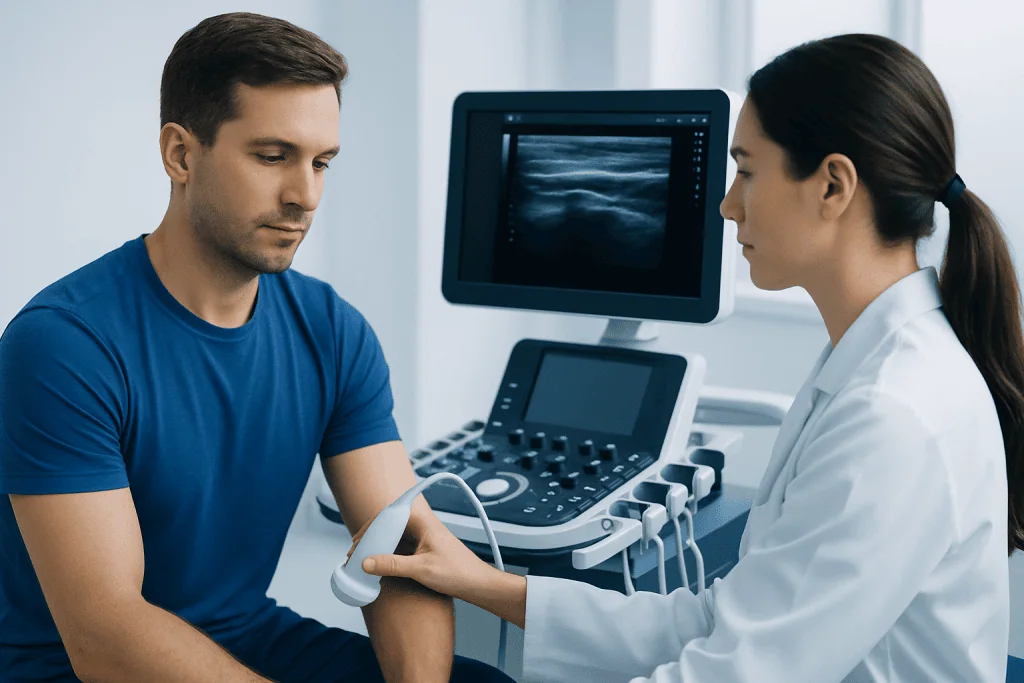
Muscles generate force through repeated interactions between contractile proteins inside muscle fibers. During demanding exercise, especially eccentric activity where the muscle lengthens while under load, some microscopic structures can become disrupted. This may affect muscle cell membranes, contractile units, and the connective tissue that supports the muscle.
The body then responds with a repair and remodeling process. This can include temporary inflammation, movement of fluid into the tissue, changes in nerve sensitivity, and activation of cellular pathways involved in adaptation. These responses help explain why a person may feel sore, stiff, or weak for a short period after an unfamiliar workout.
Clinical research suggests that muscle adaptation is not caused by tissue tearing alone. Mechanical tension, metabolic stress, neuromuscular recruitment, and repeated training exposure all matter. Over time, the body often develops a “repeated bout effect,” meaning the same workout causes less damage and less soreness as the muscle becomes conditioned.
Benefits that are supported—and claims that are not

Evidence supports that mild exercise-related muscle damage can occur as part of normal adaptation to resistance training and endurance activity. This is particularly true early in a training program or after a change in exercise type. Temporary microdamage may be one signal among many that contributes to muscle remodeling and improved resilience.
What the evidence does not support is the idea that people should deliberately try to maximize muscle tears. Delayed onset muscle soreness, or DOMS, is not a reliable measure of workout quality. A session that causes little soreness can still be effective for gaining strength or building muscle. Likewise, repeated severe soreness can interfere with performance, reduce training quality, and increase injury risk if recovery is inadequate.
Another unsupported claim is that special products, “detox” routines, or extreme recovery hacks are needed to heal microtears. Current evidence favors basic measures: gradual training progression, sufficient protein and overall energy intake, hydration, adequate sleep, and planned rest. When symptoms are significant or do not fit typical post-exercise soreness, medical assessment is more appropriate than self-treating based on fitness marketing.
Symptoms and how to tell normal soreness from injury
Typical exercise-related microdamage may lead to delayed onset muscle soreness that begins several hours after activity, often peaking around 24 to 72 hours later. The area may feel tender, stiff, or slightly swollen, and strength can be temporarily reduced. Symptoms are usually symmetrical if both sides of the body were trained similarly, and they improve gradually over a few days.
By contrast, an acute injury is more likely when pain starts suddenly during exercise, is sharp or localized, or is followed by bruising, major swelling, or a popping sensation. A true strain may limit normal walking, lifting, or joint movement. If symptoms are concentrated in one area rather than being generalized muscle soreness, a structural injury becomes more likely.
People should also watch for warning signs that go beyond ordinary muscle soreness. These include severe weakness, progressive swelling, numbness, fever, chest pain, shortness of breath, or dark brown urine, which can occur with serious muscle breakdown. Evaluation may involve a physical exam and, when needed, MRI scanning or other imaging to clarify whether there is a significant tear.
Risk factors, interactions, and who should be more cautious
Microfiber tears in muscles are more likely with sudden increases in training load, high-volume eccentric exercise, poor recovery, dehydration, and returning to activity after a break. New exercisers can develop more soreness because their muscles have not yet adapted. Environmental heat and prolonged exertion may increase the overall stress on muscle tissue.
Some medical and medication-related factors also matter. People taking statins, certain antibiotics, corticosteroids, or other medicines associated with muscle symptoms should ask a clinician how exercise may interact with their treatment. Alcohol excess, stimulant use, viral illness, thyroid disorders, and underlying neuromuscular conditions may also change risk or recovery. Individuals with diabetes, kidney disease, or a history of rhabdomyolysis need extra caution with intense training programs.
Supplements marketed for muscle gain or recovery are not always benign. Some may contain stimulants or undeclared ingredients that raise the risk of dehydration, overexertion, or drug interactions. Anyone with persistent pain, repeated injury, or concern about a metabolic or endocrine contribution may benefit from a medical review, and in selected cases a clinician may recommend blood tests or further evaluation.
Diagnosis and treatment options when symptoms are more than routine
Most mild post-exercise muscle soreness does not require formal testing. Diagnosis is often based on the pattern of symptoms, the timing after activity, and the absence of red flags. Clinicians usually ask about recent exercise changes, hydration, medication use, and whether pain began gradually or suddenly.
If there is concern for a moderate or severe muscle injury, testing may be needed. Depending on the case, this can include examination of muscle strength and range of motion, blood tests such as creatine kinase, or imaging. For focal soft-tissue injuries, a clinician may consider orthopedic rehabilitation or referral to sports medicine or physiotherapy. Management usually includes temporary activity modification, gradual return to exercise, and a program tailored to the injured area.
Treatment for ordinary exercise-induced soreness is conservative. Relative rest, gentle movement, hydration, balanced meals, and sleep are the mainstays. Some people use cold or heat, massage, or light active recovery, but responses vary and evidence is mixed. Pain relievers may be appropriate for some adults, but they should be used cautiously, especially in people with stomach, kidney, bleeding, or cardiovascular risks, and only under professional guidance when needed.
If a person has a more substantial tear, recurrent injury, or symptoms that suggest tendon involvement, specialist assessment can help guide next steps. Depending on the site and severity, care may overlap with sports injuries treatment and rehabilitation planning to restore strength and function safely.
Prevention and self-care: how to train without chasing damage
The most effective prevention strategy is gradual progression. In practical terms, this means increasing intensity, volume, or frequency step by step rather than making large jumps. A warm-up, attention to exercise technique, and scheduling rest days all help reduce excessive muscle stress. Beginners may benefit from supervised instruction when learning resistance training.
Recovery habits matter as much as the workout itself. Adequate daily protein, overall calorie intake that matches activity level, hydration, and good sleep support normal repair. Carbohydrate intake can also help people performing frequent or high-volume training maintain energy and reduce excessive fatigue. These fundamentals are better supported by evidence than aggressive biohacks or supplement stacks.
Self-care should stay realistic. Mild soreness usually improves with light movement and time. It is generally safer to avoid training through severe pain, marked weakness, or altered movement patterns, because compensating for pain can increase the chance of another injury. If symptoms repeatedly occur despite sensible training, a clinician or physiotherapist can assess biomechanics, training load, and contributing health issues.
For international patients who need specialist assessment, Acibadem International’s multidisciplinary teams in JCI-accredited hospitals evaluate muscle and sports-related conditions and coordinate diagnosis, rehabilitation, and follow-up care when appropriate.
When to seek medical care
Medical care is advisable when muscle pain is severe, sharply localized, or starts suddenly during exercise. A person should also seek evaluation if there is major swelling, bruising, inability to bear weight, a visible deformity, or symptoms that are not improving after several days of rest and self-care.
Urgent assessment is important for dark urine, marked weakness, confusion, fever, chest symptoms, or severe whole-body muscle pain after intense exertion, as these may suggest significant muscle injury or another medical problem. People with chronic illnesses, pregnancy, older age, or medicines linked to muscle side effects should have a lower threshold for contacting a doctor.
Persistent or recurrent symptoms may need a broader evaluation to rule out tendon problems, overtraining, metabolic conditions, or related soft-tissue disorders. In some cases, clinicians may also consider overlap with issues such as tendonitis when pain is near a tendon rather than in the muscle belly.
Frequently asked questions
Are microfiber tears in muscles a good thing?
They can be part of a normal response to training, especially after new or intense exercise. However, they are not a goal by themselves, and more damage does not mean better results.
Does muscle soreness mean a workout was effective?
Not necessarily. Delayed onset muscle soreness can happen after effective training, but it is not a reliable measure of strength gain, fitness improvement, or muscle growth. Many productive workouts cause little or no soreness.
How long do muscle microtears usually take to recover?
Mild post-exercise soreness often improves within a few days. Recovery can take longer after very intense or unfamiliar exercise, and significantly longer if there is an actual muscle strain or another injury.
Can a person exercise while muscles are sore?
Light activity is often reasonable if soreness is mild and movement is normal. Intense training of the same painful muscle group is usually better postponed until function improves, especially if soreness affects strength or technique.
What helps muscles recover after exercise?
Evidence most strongly supports gradual training, adequate sleep, hydration, and balanced nutrition with enough protein and energy intake. Gentle movement may also help. No single supplement has been shown to replace these basic recovery measures.
When is muscle pain more than normal soreness?
Pain is more concerning when it is sudden, severe, one-sided, associated with bruising or major swelling, or causes loss of function. Dark urine, severe weakness, or symptoms affecting the whole body should be assessed urgently.
This article is for general information only and is not a substitute for professional medical advice. Please consult a qualified doctor about your individual situation.
Explore treatments in Turkey — costs, top hospitals & a free quote
JCI-accredited · board-certified surgeons · reply within 24h
Add us as a Preferred Source to see more of our trusted health content across Google Search, AI Overviews and Discover.
Check your numbers in seconds
BMI, calories, due date, blood pressure and 30+ more clinical calculators — free, instant, doctor-reviewed ranges.

More from the Health Library

Vitamin D Supplement Sleeplessness: Benefits, Risks, and Safe Use

Mcdonalds and Nutrition: Evidence-Based Benefits, Risks, and Practical Guidance

What Is Nutrition? A Simple Guide to Nutrients and Health

Food Impaction: What the Clinical Research Actually Says

Steel Cut Oats Nutrition: What the Clinical Research Actually Says