Microneedling with Prp: A Complete Medical Overview
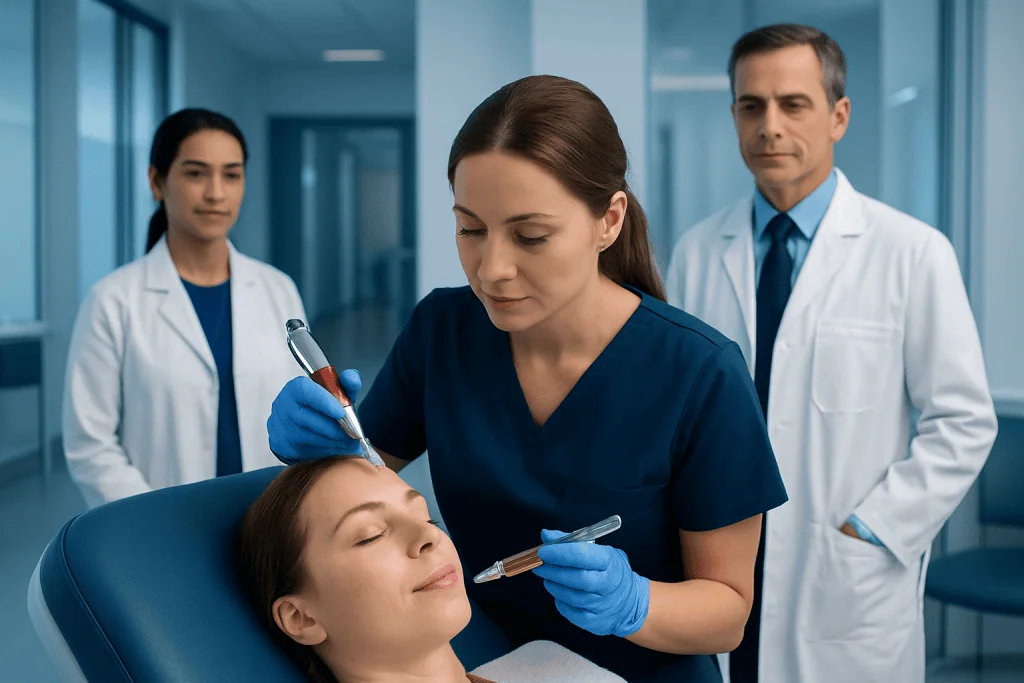
Microneedling with PRP uses a patient’s own platelet-rich plasma to support healing after controlled skin needling. It is commonly used for acne scars, uneven texture, enlarged pores, and early signs of skin aging.
Key Takeaways
- Microneedling with PRP uses a patient’s own platelet-rich plasma to support healing after controlled skin needling.
- It is commonly used for acne scars, uneven texture, enlarged pores, and early signs of skin aging.
- Results usually develop gradually over weeks as collagen remodeling occurs, and more than one session is often needed.
- The procedure is not suitable for everyone, especially people with active skin infection, certain blood disorders, or poor wound healing.
- A qualified dermatologist or trained physician should assess skin type, goals, risks, and aftercare before treatment.
Microneedling with PRP is a skin-rejuvenation procedure that combines controlled microneedling with platelet-rich plasma from a person’s own blood. It is most often used to support collagen remodeling, improve skin texture, and reduce the appearance of acne scars, fine lines, and some pigment changes.
What microneedling with PRP is
Microneedling with PRP is a minimally invasive skin procedure that combines two steps. First, a medical device with very fine needles creates controlled micro-injuries in the skin. Then platelet-rich plasma, prepared from a small sample of the patient’s own blood, is applied to the treated skin or used during the procedure to support the natural repair response.
The goal is not to “replace” skin, but to encourage remodeling from within. Microneedling can stimulate collagen and elastin production, while PRP contains growth factors involved in normal tissue healing. Together, they are commonly used to improve skin texture, soften acne scars, reduce the appearance of fine lines, and promote a more even-looking complexion.
Although many people know this treatment as a cosmetic facial, it is best understood as a medical skin procedure with specific indications, limits, and safety considerations. A proper assessment matters because skin type, current medications, scarring pattern, and underlying conditions can all affect the likely benefit and the risk of side effects.
How the procedure works in the skin
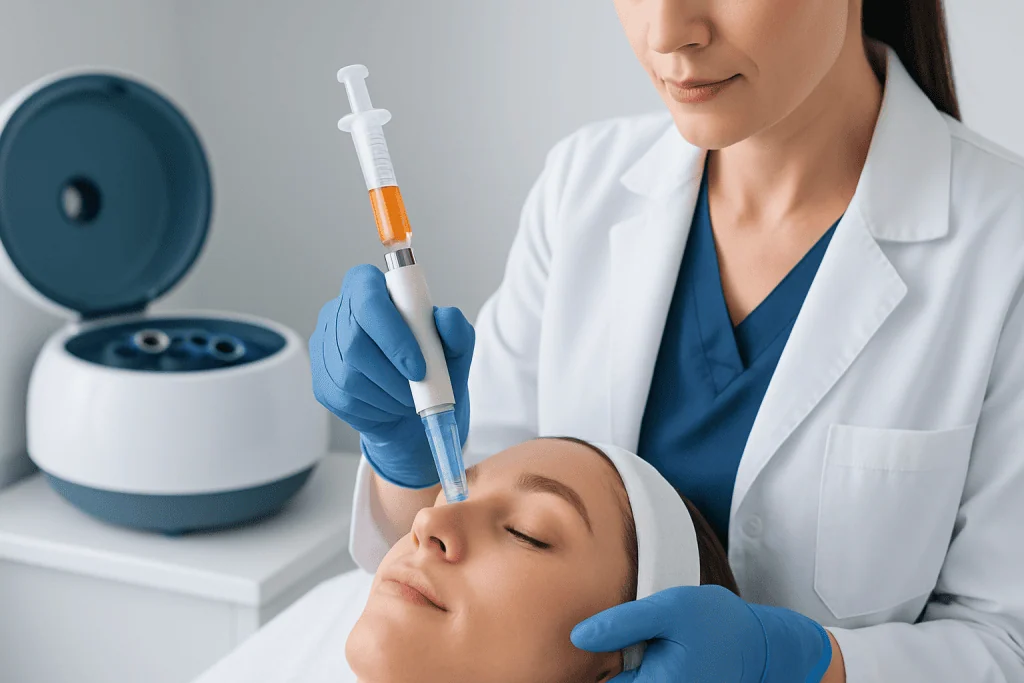
Microneedling works by creating tiny channels in the outer layers of the skin. These controlled punctures trigger a wound-healing cascade that includes inflammation, cell signaling, and gradual collagen formation. Over time, this process can help the skin become smoother and firmer, especially in areas affected by superficial acne scarring or early photoaging.
PRP stands for platelet-rich plasma. It is made by drawing a small amount of blood and processing it to concentrate platelets in plasma. Platelets naturally contain signaling proteins and growth factors that help coordinate healing. When used with microneedling, PRP is intended to complement the skin’s own recovery process rather than act as a filler or a peel.
This treatment does not work instantly. Improvement usually appears progressively as the skin repairs itself over several weeks. In clinical practice, the response varies depending on the concern being treated. For example, shallow textural irregularities may respond better than deeper scars, and sun-related pigmentation may need a different or combined approach.
Who may benefit and what concerns it may help

Microneedling with PRP is most often considered for people who want gradual skin rejuvenation without surgery. It may help with fine lines, rough texture, enlarged pores, mild skin laxity, and certain acne scars. It can also be considered in some cases of uneven skin tone, although pigment concerns require careful assessment because not all discoloration responds equally well.
One of its better-known uses is improving post-acne textural change. People with atrophic acne scars, such as rolling or boxcar scars, may see some softening after a series of treatments. However, very deep scars often require combination treatment plans, and a clinician may discuss alternatives or adjunctive options depending on scar type. For broader context about scarring related to breakouts, some patients also look for information on acne.
It may also be used as part of a wider skin-rejuvenation plan that includes sun protection, prescription topical therapy, or procedures performed at different times. In selected cases, a physician may compare it with or combine it thoughtfully with other approaches such as laser treatment or chemical peel, depending on skin tone, downtime preferences, and treatment goals.
Expectations should stay realistic. Microneedling with PRP can improve the look and feel of skin, but it does not stop aging, erase all scars, or produce the same result for every person. The best candidates are usually those seeking moderate, gradual improvement and who can follow aftercare closely.
Who may not be a good candidate
Not everyone is a suitable candidate for microneedling with PRP. The procedure is usually postponed or avoided if there is an active skin infection, open wound, cold sore outbreak in the treatment area, severe inflammatory acne, or significant irritation such as active eczema or dermatitis. Treating compromised skin can increase the chance of pain, delayed healing, infection, or unwanted pigment change.
PRP involves handling the patient’s blood, so some medical conditions also require caution. A doctor may advise against treatment in people with certain platelet disorders, bleeding disorders, those taking specific blood-thinning medicines, or those with uncontrolled chronic illness that affects healing. A history of keloids or abnormal scar formation is also important to discuss.
People who are pregnant, recently used isotretinoin, or have a history of frequent post-inflammatory hyperpigmentation may need a more individualized decision. Those with darker skin tones are not automatically excluded, but they do benefit from a careful treatment plan and aftercare designed to reduce irritation and protect the skin barrier.
What to expect before, during, and after treatment
Before treatment, a clinician usually reviews medical history, skin concerns, medications, prior procedures, and whether the patient gets cold sores or scars easily. Pre-treatment instructions may include avoiding excessive sun exposure and pausing certain irritating skin products. Standardized photographs are sometimes taken to help compare progress over time.
On the day of the procedure, a blood sample is collected for PRP preparation. The skin is cleansed, and a topical numbing cream may be used to improve comfort. The microneedling device is then passed across the target area at settings chosen for the skin concern and location. PRP is applied during or immediately after treatment so it can contact the microchannels created in the skin.
Afterward, the skin often looks red and feels warm or tight, similar to a mild to moderate sunburn. Small pinpoint bleeding, mild swelling, dryness, and temporary sensitivity can occur. Most people improve over a few days, but visible redness may last longer in some cases. During recovery, patients are generally advised to use gentle skincare, avoid picking or exfoliating, and protect the skin carefully from sun exposure.
A treatment plan often includes multiple sessions spaced weeks apart. If concerns are more complex, a clinician may recommend other options instead of or in addition to microneedling. Depending on the area and goal, discussions may include skin rejuvenation approaches or a specialist review for persistent scarring or pigmentation.
Benefits, limits, and possible side effects
The main potential benefits of microneedling with PRP are improved skin texture, smoother superficial scarring, softer fine lines, and a fresher overall appearance. Many patients prefer it because it uses the body’s own plasma and involves relatively little downtime compared with more aggressive resurfacing procedures. It can be a useful middle ground between topical skincare and more intensive interventions.
However, the treatment has limits. It may not fully correct deep acne scars, marked skin laxity, prominent blood vessels, or significant pigment disorders. Improvement is typically gradual rather than dramatic, and maintenance may be needed over time. Results also depend on technique, device settings, aftercare, and the individual’s biology.
Side effects are usually temporary and mild, but they are still important to understand. These can include redness, swelling, bruising, dryness, tenderness, peeling, and acne flare-ups. Less common but more important risks include infection, prolonged redness, allergic or irritant reactions to products used around the procedure, reactivation of herpes simplex, and post-inflammatory hyperpigmentation, especially if aftercare or sun protection is poor.
Because this is a procedure that intentionally disrupts the skin barrier, it should be performed in an appropriate medical setting by trained professionals. Sterile technique, device quality, and careful skin assessment help reduce avoidable complications.
How doctors decide if it is the right option
A good consultation focuses on the skin concern itself, not only on the procedure. Doctors usually look at scar type, wrinkle depth, texture changes, pore size, active acne, pigmentation, and overall skin health. They also ask about previous cosmetic procedures and whether the patient had good healing or any past complications.
In some situations, microneedling with PRP may be part of a combination strategy rather than the only treatment. For example, acne activity may need control before scar treatment begins, and pigment changes may need topical medication first. This stepwise approach can improve safety and make results more predictable.
Patients should feel comfortable asking practical questions, such as how many sessions may be reasonable, what level of improvement is realistic, what aftercare is required, and what signs would suggest a complication. A careful discussion supports informed decision-making and reduces disappointment based on unrealistic expectations.
Near the end of the care pathway, some international patients choose evaluation at centers with dermatology and aesthetic medicine expertise. Acibadem International’s multidisciplinary specialists in JCI-accredited hospitals assess and treat skin concerns for international patients when microneedling with PRP or alternative procedures may be appropriate.
When to seek medical care
It is sensible to contact a doctor before treatment if there is active acne infection, a new rash, a cold sore, unexplained bruising, or any history of abnormal scarring or poor wound healing. A medical review is also important for anyone with autoimmune disease, bleeding problems, or medicines that may affect clotting or recovery.
After treatment, prompt medical advice is appropriate if redness becomes progressively worse instead of improving, if there is severe swelling, pus, increasing pain, fever, widespread rash, or darkening of the skin that seems persistent. These symptoms do not always mean a serious complication, but they should be checked rather than ignored.
Patients should also seek professional guidance if results are disappointing after the expected recovery period, especially when the original concern may have been misidentified. Conditions that mimic simple texture problems, including inflammatory skin disease or more complex scarring patterns, may need a different diagnosis and treatment plan.
Frequently asked questions
Is microneedling with PRP painful?
Most people describe it as uncomfortable rather than truly painful. A topical numbing cream is commonly used, which usually makes the procedure more tolerable. Sensitivity varies by treatment area and by the depth used.
How long does it take to see results from microneedling with PRP?
Results usually appear gradually, not immediately. Some people notice early skin glow once redness settles, but collagen remodeling takes longer, often several weeks. Because of this, doctors often recommend a series of sessions rather than judging the outcome after one treatment.
Can microneedling with PRP help acne scars?
It may help certain acne scars, especially shallow atrophic scars that cause uneven texture. It is usually less effective for very deep or tethered scars, which may need other treatments or combination therapy. A dermatologist can identify scar type and explain what level of improvement is realistic.
Is microneedling with PRP safe for darker skin tones?
It can be used in darker skin tones, but treatment should be planned carefully. The main concern is post-inflammatory hyperpigmentation if the skin becomes too irritated or is not well protected from the sun. Choosing an experienced clinician and following aftercare closely are especially important.
What should be avoided after microneedling with PRP?
Patients are usually advised to avoid direct sun exposure, picking the skin, harsh exfoliants, and potentially irritating skincare for several days. Heavy exercise, hot environments, or makeup may also need to be limited for a short period depending on the clinician’s advice. Gentle cleansing, moisturization, and sun protection are commonly recommended.
How is PRP different from fillers or Botox?
PRP is made from the patient’s own blood and is used to support tissue repair and collagen remodeling. Fillers add volume directly, while Botox reduces muscle activity that causes certain expression lines. These treatments work in different ways and may sometimes be used for different goals.
This article is for general information only and is not a substitute for professional medical advice. Please consult a qualified doctor about your individual situation.
Explore treatments in Turkey — costs, top hospitals & a free quote
JCI-accredited · board-certified surgeons · reply within 24h
Add us as a Preferred Source to see more of our trusted health content across Google Search, AI Overviews and Discover.

More from the Health Library

Salicylic Acid Wart Remover: A Complete Medical Overview

Glycemic Index Chart: A Complete Medical Overview

Erythritol Stroke Risk Study: An Evidence-Based Guide for Patients

Hypoechoic: An Evidence-Based Guide for Patients

Post Operative Care: An Evidence-Based Guide for Patients