Micropeins: What Patients Need to Know

Micropeins is a medical term for an unusually small stretched penile length, not just a personal concern about size. Diagnosis depends on age-based measurement and a physical exam, and may include hormone or genetic testing.
Key Takeaways
- Micropeins is a medical term for an unusually small stretched penile length, not just a personal concern about size.
- Diagnosis depends on age-based measurement and a physical exam, and may include hormone or genetic testing.
- Possible causes include hormonal problems, differences in fetal development, genetic conditions, or no clearly identified cause.
- Treatment depends on the cause and age, and may include hormone therapy, monitoring, and supportive specialist care.
- A urologist, pediatric endocrinologist, or other qualified doctor can help distinguish micropenis from normal size variation.
Micropeins usually refers to a penis that is significantly smaller than expected for age because of a medical issue affecting growth, most often during fetal development or puberty. It is different from a penis that is simply on the smaller end of the normal range, and proper evaluation can help clarify the cause and treatment options.
Overview: what micropeins means
Micropeins is a common misspelling of micropenis, a medical term used when the penis is much smaller than expected for a person’s age and stage of development. Doctors do not diagnose it by appearance alone. Instead, they use a standardized physical measurement called stretched penile length and compare it with age-based reference ranges.
This distinction matters because many people who worry about penis size do not have micropenis. A penis can be small-looking because of body shape, weight distribution, skin attachment, or normal natural variation. Conditions such as a buried penis or webbed penis may also change appearance without meeting the definition of micropenis.
Micropenis is usually present from birth, although it may become more noticeable later in childhood or adolescence. In many cases, it is related to reduced exposure to male hormones before birth or to conditions that affect hormone production or response during infancy and puberty.
Because size concerns can be emotionally stressful, a clear medical evaluation is often reassuring. An assessment by specialists in urology care can help determine whether the penile size is within the normal range or whether further testing is needed.
Symptoms and concerns patients may notice
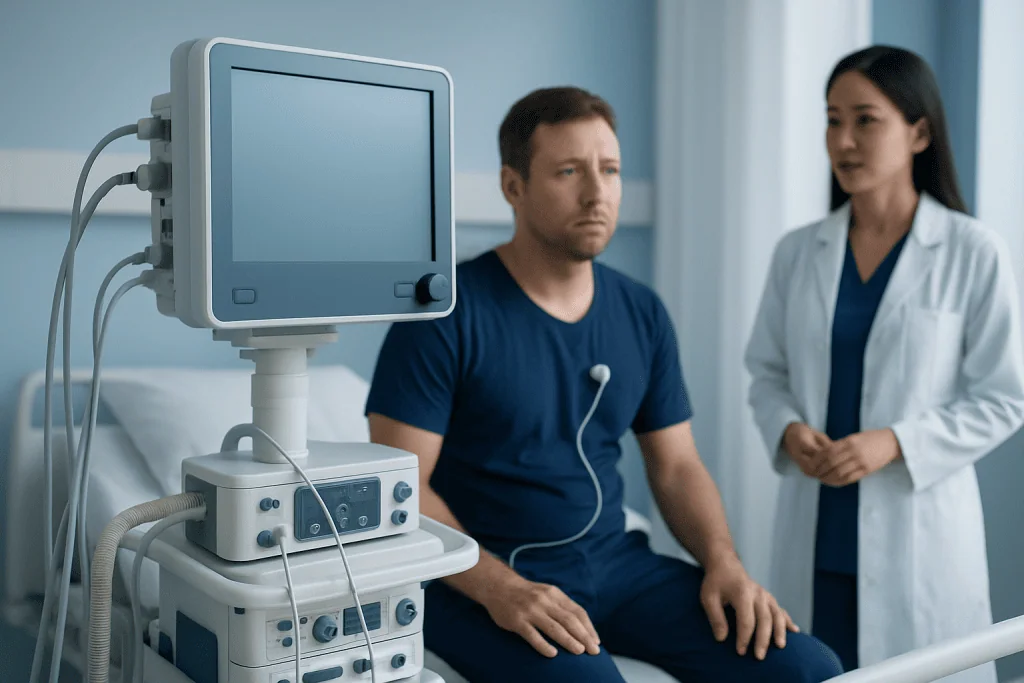
The main feature of micropenis is a penis that measures significantly below the expected range for age. In newborns and children, this is usually noticed by parents or during routine examination. In teenagers or adults, concern may arise during puberty if penile growth seems limited compared with expected developmental changes.
Micropenis itself does not automatically mean there will be problems with urination, sexual function, or fertility. However, some people may also have related findings depending on the cause. These can include delayed puberty, undescended testicles, low testosterone symptoms, or other differences in genital development.
Emotional and psychological effects are also important. Some patients may feel embarrassment, anxiety, low self-esteem, or worry about relationships and future sexual health. These concerns are valid and can be addressed as part of care.
- Concern that penile growth is not keeping pace with age
- Appearance that seems unusually small even when stretched gently
- Puberty that starts late or progresses slowly
- Associated genital findings, such as undescended testes
- Distress about body image or sexual development
Causes and risk factors

Micropenis most often results from changes in hormone signaling during key stages of development. Before birth and during early infancy, testosterone and related hormones help guide penile growth. If the body makes too little of these hormones, or if tissues do not respond to them normally, growth may be reduced.
Possible causes include problems involving the pituitary gland, hypothalamus, or testes, all of which play a role in hormone production. Some babies and children have genetic or chromosomal conditions that affect sexual development. Others may have a condition known as hypogonadism, in which the body produces too little sex hormone.
In some cases, micropenis occurs as part of a broader difference in sex development. It may also be seen with congenital syndromes, growth disorders, or testicular conditions. Rarely, exposure to certain factors during pregnancy may affect genital development, although many cases are not linked to a specific maternal cause.
Sometimes no definite cause is found despite appropriate testing. This can be frustrating, but it does not prevent supportive care. The most helpful next step is usually to identify whether there are hormone deficiencies, growth concerns, fertility implications, or related conditions that need treatment.
How doctors diagnose micropenis
Diagnosis begins with a careful medical history and physical examination. The key measurement is stretched penile length, which is taken in a standardized way by a trained clinician. Age and stage of puberty are important, because what is normal in a newborn is very different from what is normal in an adolescent or adult.
Doctors also look for clues that point to an underlying cause. These may include testicular size, pubertal development, body proportions, family history, and any signs of hormone imbalance. If the penis appears small because it is partly hidden by surrounding tissue, the doctor may distinguish micropenis from a buried penis or another anatomic variation.
Further evaluation may include blood tests to check hormone levels, especially testosterone and pituitary hormones. In selected cases, doctors may recommend imaging studies or genetic testing. If there are broader concerns about development or endocrine function, patients may benefit from endocrinology evaluation as well.
The goal of diagnosis is not only to confirm whether micropenis is present, but also to understand why. That information helps guide treatment decisions and gives patients and families a more realistic picture of what to expect over time.
Treatment options and what they can help with
Treatment depends on the patient’s age, the cause, and whether there are other health issues. When a hormone deficiency is identified, doctors may recommend hormone therapy, especially in infancy or childhood when growth potential is greatest. The exact approach varies, so treatment should always be planned by a qualified specialist.
For some children, testosterone therapy or other hormone-based treatment may improve penile growth if the body can respond to it. In adolescents and adults, treatment may focus not only on size concerns but also on puberty, sexual health, fertility, and psychological well-being. If there is an underlying endocrine disorder, treating that condition is a central part of care.
Surgery is not the first-line treatment for most cases of true micropenis, but reconstructive options may sometimes be discussed in selected situations. This is usually considered after a detailed evaluation of anatomy, expectations, and function. Patients may also need assessment for associated concerns such as male infertility when appropriate.
Supportive care matters as much as medical treatment. Counseling, sexual health education, and realistic discussion of function and expectations can be very helpful. Near the end of the care journey, some international patients may choose centers such as Acibadem International, where multidisciplinary specialists in JCI-accredited hospitals evaluate and treat complex urologic and hormonal conditions.
Daily life, self-care, and emotional well-being
Living with concerns about genital development can affect confidence and relationships. Accurate diagnosis is an important first step because many people who fear they have micropenis actually fall within the normal size range. Clear communication with a doctor can reduce uncertainty and help avoid misinformation from social media or non-medical sources.
Self-care includes paying attention to overall health, puberty changes, and any symptoms of hormone problems such as low energy, delayed development, or reduced sexual maturation. In children, parents can help by attending regular follow-up visits and discussing concerns openly and calmly with the care team.
For adults, weight management may improve the visible appearance of the penis if excess tissue around the pubic area is making it seem smaller. This does not change true penile length, but it can improve hygiene, comfort, and confidence. If appearance is affected by another condition, doctors may evaluate whether related procedures such as specialized penile reconstructive support are relevant in rare selected cases.
Mental health support can be valuable at any age. Speaking with a psychologist, counselor, or sexual health specialist may help patients manage shame, anxiety, or relationship worries while they undergo medical evaluation or treatment.
When to seek medical care
Medical care should be sought if a parent notices that a newborn’s or child’s penis seems unusually small, if the testicles have not descended, or if puberty appears delayed. Early assessment can identify treatable hormone problems and may improve the chance of effective intervention during growth years.
Teenagers and adults should consider an evaluation if penile development seems far below expected, if there are symptoms of low testosterone, or if there are concerns about fertility or sexual function. It is also reasonable to seek help when anxiety about size is affecting self-esteem, relationships, or quality of life, even if the final diagnosis is not micropenis.
Urgent care is not usually needed for micropenis alone, but prompt review is appropriate if there are other genital abnormalities, trouble passing urine, severe pain, or signs of an endocrine disorder. A clinician may recommend referral to pediatric urology, adult urology, endocrinology, or a center offering pediatric urology care depending on age and findings.
Because several different conditions can look similar, professional assessment is the safest way to understand the cause and next steps. Timely advice can provide reassurance, identify associated conditions, and support healthy physical and emotional development.
Frequently asked questions
Is micropeins the same as micropenis?
Yes. Micropeins is a common misspelling of micropenis. The medical term is micropenis, which refers to a penis that is significantly smaller than expected based on standardized measurement for age.
How is micropenis different from a normal small penis?
A normal small penis is still within the usual size range for age and development. Micropenis is diagnosed only when stretched penile length falls well below the expected range and is measured by a clinician using standard methods.
Can micropenis be treated?
Sometimes, yes. Treatment depends on the cause, age, and whether hormone problems are present. In some children, hormone therapy can help promote growth, while in others the focus may be on managing associated conditions and providing long-term support.
Does micropenis affect fertility?
It can, but not always. Fertility depends on the underlying cause, testicular function, hormone levels, and sperm production rather than penile size alone. A doctor can assess whether fertility testing or hormone evaluation is needed.
Can adults be diagnosed with micropenis?
Yes. Although the condition usually begins before birth and is often recognized earlier in life, adults can also be evaluated if there are persistent concerns about penile size. The diagnosis is still based on proper measurement and assessment of possible hormonal or developmental causes.
Should parents worry if a child's penis looks small?
Not necessarily, because appearance can be affected by body fat, skin position, or normal size variation. Still, if parents are concerned, a pediatrician or pediatric urologist can examine the child and decide whether the measurement is normal or whether further testing is needed.
This article is for general information only and is not a substitute for professional medical advice. Please consult a qualified doctor about your individual situation.
Explore treatments in Turkey — costs, top hospitals & a free quote
JCI-accredited · board-certified surgeons · reply within 24h
Add us as a Preferred Source to see more of our trusted health content across Google Search, AI Overviews and Discover.

More from the Health Library

Cephalexin for sinus infection: Symptoms, Causes, and Treatment — Complete Patient Guide

Back Dimples: A Complete Medical Overview

Cockhair: A Complete Medical Overview

Glucosamine: What Patients Need to Know

Condoms: A Complete Medical Overview