Migraine — Explained by Medical Evidence, Not Myths
Migraine is a brain and nervous system disorder with episodes that vary from person to person. Symptoms may include throbbing head pain, nausea, light sensitivity, sound sensitivity, and aura.
Key Takeaways
- Migraine is a brain and nervous system disorder with episodes that vary from person to person.
- Symptoms may include throbbing head pain, nausea, light sensitivity, sound sensitivity, and aura.
- Diagnosis is based mainly on medical history and symptom pattern, with tests used when another cause is suspected.
- Treatment may involve acute medicines, preventive therapies, and lifestyle measures to reduce triggers.
- Medical review is important if headaches are new, severe, changing, or accompanied by neurological warning signs.
Migraine is a neurological condition, not just a “bad headache.” It can cause recurring head pain along with nausea, sensitivity to light or sound, and sometimes visual or sensory symptoms called aura.
Overview: what migraine really is
Migraine is a common neurological condition that causes repeated attacks of headache and related symptoms. It is often misunderstood as simply a severe headache, but medical evidence shows it is a disorder of the nervous system that can affect pain pathways, sensory processing, and daily function. A migraine attack may last for hours or even days, and symptoms can range from mild to disabling.
The pain often affects one side of the head, but it can be on both sides or shift from one side to the other. Many people also experience nausea, vomiting, and sensitivity to light, sound, or smells. Some have warning symptoms before the headache begins, such as flashing lights, blind spots, tingling, or difficulty finding words. These symptoms are called aura.
Migraine can affect adults and children, and it is more common in women. Attacks may happen rarely or frequently. In some people, migraine becomes chronic, meaning headaches occur on many days each month. Because migraine can resemble other headache disorders, careful assessment helps guide treatment and rule out conditions that need urgent care.
Symptoms and phases of a migraine attack
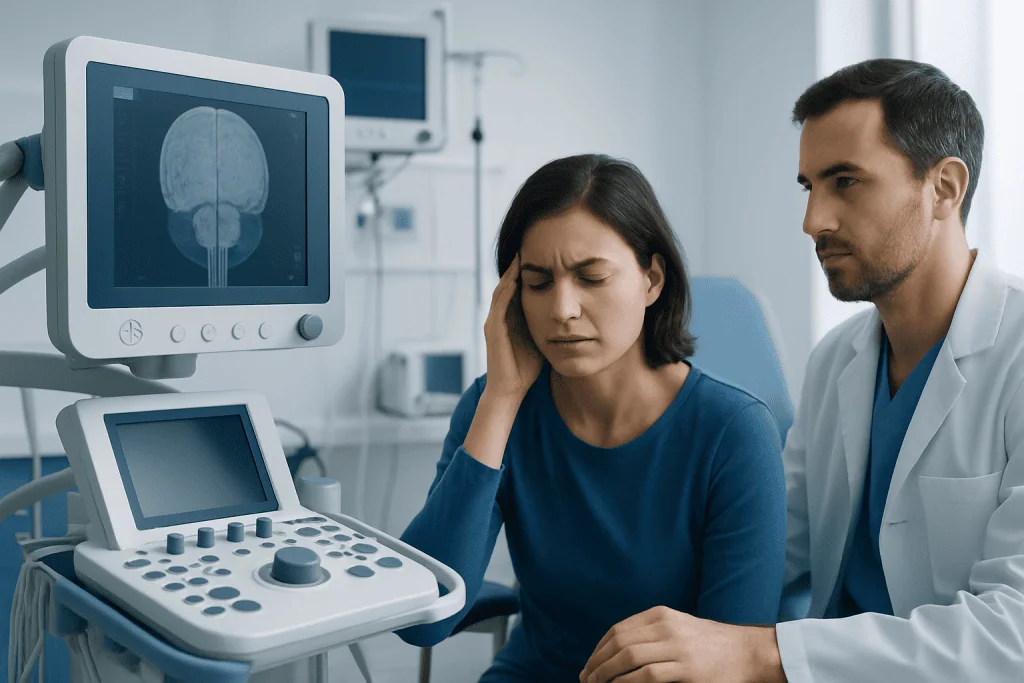
Migraine symptoms can follow a pattern, although not every person has every phase. Some people notice early changes hours before the headache starts. These may include tiredness, mood changes, food cravings, yawning, neck stiffness, or trouble concentrating. Recognizing these early signs may help a person use treatment sooner.
The headache phase often causes moderate to severe pain that may feel throbbing or pulsating. Physical activity can make it worse, so people may prefer to rest in a quiet, dark room. Common associated symptoms include:
- Nausea or vomiting
- Sensitivity to light
- Sensitivity to sound
- Sensitivity to smells
- Blurred vision
- Dizziness or a sense of imbalance
Aura occurs in some people before or during the headache. Visual aura is the most common and may include zigzag lines, flashing lights, or temporary blind spots. Sensory aura can cause tingling or numbness, often starting in one hand or around the face. Speech difficulty can also happen. After the attack, a person may feel drained, foggy, or unusually tired for a day or more.
Not all migraine attacks look the same. Some people have migraine without much head pain, while others mainly experience vestibular symptoms such as dizziness. Children may have shorter attacks, stomach pain, or vomiting. Because of this range, migraine can sometimes be mistaken for sinus headache, tension headache, or other neurological conditions.
What causes migraine and who is at risk?

Migraine is thought to result from a combination of genetic and environmental factors. The exact mechanism is complex, but it involves abnormal activation of brain pathways that process pain and sensory signals. Changes in nerve activity and chemicals such as calcitonin gene-related peptide, often shortened to CGRP, are known to play a role in many migraine attacks.
Migraine often runs in families. A person may be more likely to develop it if close relatives also have migraine. Hormonal shifts can influence attacks, which is one reason migraine is more common in women and may change around menstruation, pregnancy, or menopause. Sleep changes, stress, dehydration, skipped meals, and alcohol are common triggers in some people, though triggers vary widely.
Other possible triggers include bright or flickering light, strong odors, weather changes, excess caffeine, caffeine withdrawal, and certain foods for some individuals. Keeping a headache diary may help identify patterns, but it is helpful to avoid overly restrictive conclusions because not every attack has a single trigger. Often, several factors combine to lower the brain’s threshold for an attack.
Some people with migraine also live with other headache conditions or neurological symptoms. For example, a doctor may consider whether symptoms fit headache disorders more broadly or overlap with trigeminal neuralgia in cases of sharp facial pain. A careful diagnosis matters because treatment options and expectations can differ.
How migraine is diagnosed
Migraine is diagnosed mainly from the person’s medical history and a description of symptoms. A clinician will ask how often headaches happen, how long they last, where the pain is located, what the pain feels like, what other symptoms occur, and whether there are warning signs such as aura. The pattern over time is especially important.
A neurological examination helps look for signs that suggest a different cause. In many people with typical migraine and a normal examination, brain scans are not needed. However, imaging or other tests may be recommended if the headache is new, unusual, rapidly worsening, triggered by exertion or coughing, or associated with weakness, confusion, fever, or other red flags.
Doctors may also ask about medicines used for headache. Frequent use of pain relievers can lead to medication overuse headache, which can make migraine harder to control. This does not mean a person has done anything wrong; it simply means the treatment plan may need adjustment to break the cycle and reduce attack frequency.
When the diagnosis is uncertain, specialists in neurology or headache medicine may help distinguish migraine from cluster headache, tension-type headache, sinus-related pain, and secondary causes. In some situations, diagnostic tools such as neurological examination or MRI may be part of the assessment if the doctor needs to look for another explanation.
Treatment options: relieving attacks and preventing future ones
Migraine treatment usually has two goals: stopping an attack once it begins and reducing how often attacks happen. Acute treatment is taken during a migraine attack and may include over-the-counter pain relievers, anti-nausea medicines, or prescription migraine-specific medicines. These treatments often work best when used early in the attack, ideally when symptoms first begin.
Preventive treatment may be considered when attacks are frequent, long-lasting, very disabling, or not well controlled with acute medicines. Preventive options can include oral medicines, injectable therapies, and other approaches chosen according to a person’s symptom pattern, medical history, and preferences. Some newer medicines target CGRP-related pathways, while older preventive drugs may also be effective for many patients.
Non-drug strategies are also important. Regular sleep, hydration, meals, exercise, and stress management can all support migraine control. For some people, behavioral therapies such as relaxation training, cognitive behavioral techniques, or biofeedback are useful. If neck pain or muscle tension is part of the picture, a doctor may recommend supportive therapies as part of a broader plan.
In selected cases, specialists may discuss procedural or advanced options depending on the headache type and response to treatment. Related neurological care can be coordinated with services such as neurology or, when another condition needs to be excluded or managed, brain and nerve surgery. The best plan is individualized rather than one-size-fits-all.
Prevention, self-care, and avoiding common myths
Preventing migraine does not usually mean eliminating every possible trigger. Instead, it often means creating steady routines that make attacks less likely. Helpful habits include keeping regular sleep and wake times, eating meals on schedule, drinking enough fluids, managing stress, and limiting excess caffeine. A headache diary can help track symptoms, timing, menstrual patterns, sleep, and possible triggers.
It is also important to challenge common myths. Migraine is not a sign of weakness, poor coping, or simply stress. Stress can contribute, but migraine is a medical condition with biological mechanisms. Another myth is that all headaches are migraine or that every migraine must include aura. In reality, migraine has several forms, and many people never experience aura at all.
People should use pain medicine carefully and follow medical advice, because frequent use of certain acute medicines can worsen headache frequency over time. Self-care is helpful, but repeated disabling attacks deserve proper medical evaluation rather than ongoing self-treatment alone. Support at work, school, and home can also make an important difference in quality of life.
Near the end of the care journey, some people benefit from coordinated support across specialties, especially if migraine overlaps with sleep problems, hormone changes, anxiety, or other pain conditions. Acibadem International’s multidisciplinary specialists and JCI-accredited hospitals diagnose and treat migraine and related neurological conditions for international patients.
When to seek medical care
Medical advice is important if headaches are frequent, severe, or interfering with work, school, sleep, or daily activities. A doctor should also review symptoms if migraine patterns change, medicines are needed more often, or nausea and sensitivity symptoms are becoming harder to manage. Early assessment can help improve quality of life and reduce the risk of medication overuse headache.
Urgent medical care is needed for warning signs that may suggest another cause. These include a sudden explosive headache, a new headache after age 50, headache with fever or stiff neck, headache after head injury, or headache with weakness, fainting, confusion, seizures, or vision loss that does not quickly improve. A person who is pregnant, has cancer, or has a weakened immune system should also seek prompt assessment for new or unusual headaches.
Even when a headache is likely to be migraine, it is reasonable to seek care if the diagnosis has never been confirmed. A clear diagnosis can reduce anxiety, guide treatment choices, and help a person understand what to monitor over time. If symptoms are severe or unusual, a qualified clinician should decide whether further testing is needed.
Frequently asked questions
Is migraine the same as a normal headache?
No. Migraine is a neurological condition that can cause headache along with symptoms such as nausea, light sensitivity, sound sensitivity, and aura. A tension-type or other common headache usually does not include the same pattern of neurological and sensory symptoms.
What is migraine aura?
Aura is a group of temporary neurological symptoms that can happen before or during a migraine attack. It often affects vision, causing flashing lights, zigzag lines, or blind spots, but it can also cause tingling, numbness, or speech difficulty. Aura usually resolves on its own, but new or unusual symptoms should be medically assessed.
Can migraine happen without head pain?
Yes. Some people have aura or other migraine symptoms with little or no headache. Others may mainly experience dizziness, nausea, or sensory sensitivity. This is one reason migraine can be difficult to recognize without a careful medical history.
What are common migraine triggers?
Common triggers include stress, poor sleep, skipped meals, dehydration, hormonal changes, alcohol, bright light, and sometimes certain foods. Triggers vary from person to person, and not every attack has a single clear cause. A headache diary can help identify patterns over time.
When should someone worry that a migraine is something else?
A person should seek urgent care for a sudden severe headache, a new neurological deficit such as weakness or persistent vision loss, headache with fever or stiff neck, or headache after head injury. Medical review is also important for a new headache pattern or headaches that are rapidly worsening.
Can migraine be prevented?
Often, yes. Prevention may involve lifestyle measures such as regular sleep, hydration, meals, exercise, and stress management, along with preventive medicines when needed. A doctor can help decide whether preventive treatment is appropriate based on attack frequency and severity.
References
- World Health Organization
- National Institute of Neurological Disorders and Stroke
- American Migraine Foundation
- International Headache Society
- Mayo Clinic
This article is for general information only and is not a substitute for professional medical advice. Please consult a qualified doctor about your individual situation.
Migraine in Turkey — costs, top hospitals & a free quote
JCI-accredited · board-certified surgeons · reply within 24h
Add us as a Preferred Source to see more of our trusted health content across Google Search, AI Overviews and Discover.