Migraine Relief: Medicines, Triggers, and What Works Fast

Migraine is a neurological condition that can cause head pain, nausea, and sensitivity to light or sound. Fast migraine relief may include rest, hydration, avoiding triggers, and medicines taken early in the attack.
Key Takeaways
- Migraine is a neurological condition that can cause head pain, nausea, and sensitivity to light or sound.
- Fast migraine relief may include rest, hydration, avoiding triggers, and medicines taken early in the attack.
- Keeping a headache diary can help identify personal migraine triggers and treatment patterns.
- Preventive treatment may be helpful when migraines are frequent, severe, or disruptive to daily life.
- New or unusual headaches, neurological symptoms, or very severe pain need prompt medical evaluation.
Migraine relief often combines quick treatment during an attack with long-term strategies that reduce how often migraines happen. Understanding symptoms, common triggers, and available treatment options can help people manage migraines more effectively and know when to seek medical care.
Overview of Migraine Relief
Migraine relief means easing symptoms during an attack and lowering the chance of future attacks. A migraine is more than a regular headache. It is a neurological condition that can cause throbbing or pulsing head pain, often on one side, along with nausea, vomiting, and increased sensitivity to light, sound, or smells.
For some people, relief comes quickly with early treatment and rest. For others, migraines are recurrent and require a broader plan that includes identifying triggers, choosing the right medicines, and improving daily habits such as sleep, hydration, and meal timing. Effective care often combines more than one approach.
Migraine attacks can vary in intensity and duration. Some people have warning signs before the pain begins, while others do not. Because migraine symptoms overlap with other headache disorders, proper evaluation is important, especially if headaches are new, changing, or severe.
Symptoms and Stages of Migraine
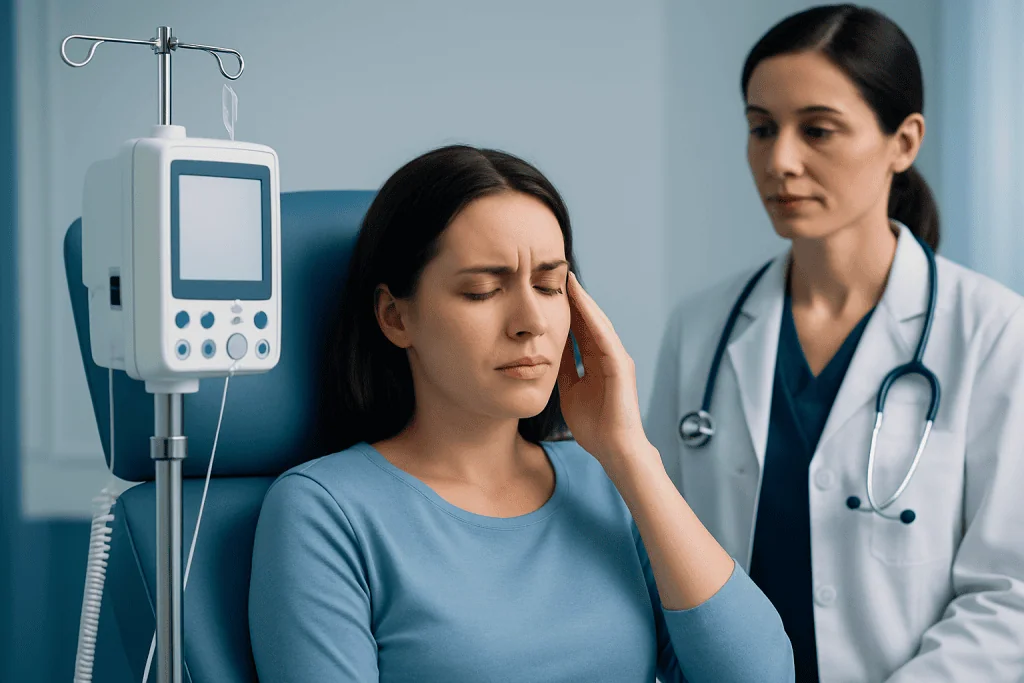
Migraine symptoms are not the same for everyone. The main feature is moderate to severe head pain, but many people also feel sick to the stomach or become very sensitive to light, sound, or movement. Physical activity may make the pain worse, which is why resting in a dark, quiet room often helps.
Some people experience migraine in stages. A prodrome may happen hours or even a day before the headache and can include fatigue, mood changes, food cravings, neck stiffness, or trouble concentrating. An aura may come before or during the headache in some patients. Aura can cause visual changes such as flashing lights, zigzag lines, blind spots, or less often tingling and speech difficulty.
The headache phase may last from several hours to a few days. Afterward, many people feel drained, foggy, or tired during the postdrome phase. Recognizing these patterns can help people start treatment earlier and improve migraine relief.
- Throbbing or pulsing head pain
- Nausea or vomiting
- Sensitivity to light, sound, or smells
- Visual aura or temporary sensory changes in some cases
- Fatigue, brain fog, or irritability before or after the attack
Common Triggers and Risk Factors

Migraine triggers are factors that may increase the chance of an attack in someone who is already prone to migraines. Triggers do not affect everyone in the same way, and often several factors act together. Common examples include missed meals, dehydration, poor sleep, emotional stress, bright lights, certain smells, weather changes, and hormonal shifts.
Some foods and drinks may trigger attacks in certain people, although there is no universal migraine diet. Processed meats, alcohol, aged cheeses, and too much or too little caffeine are often discussed. It can be helpful to look for patterns rather than assuming a single food is responsible.
Risk factors for migraine include family history, female sex, hormonal fluctuations, and a personal history of anxiety, depression, or sleep problems. People with frequent headaches may also be at risk of medication-overuse headache if pain medicines are taken too often. A headache diary that tracks symptoms, sleep, meals, stress, and medicines can be one of the most practical tools for understanding triggers.
What Works Fast During a Migraine Attack
Fast migraine relief usually works best when treatment starts early, ideally at the first sign of symptoms. Resting in a dark, quiet room may reduce stimulation that makes the attack feel worse. Small sips of water can help if dehydration is a contributing factor, and some people find that a cool compress on the head or neck is soothing.
Over-the-counter pain relievers may help some people, especially when the migraine is mild or treated early. For others, doctors may prescribe migraine-specific medicines such as triptans or other acute therapies. Anti-nausea medicines may also be used when stomach symptoms make it hard to keep fluids or tablets down. The most appropriate option depends on symptom pattern, age, overall health, pregnancy status, and other medical conditions.
It is important not to overuse acute medicines. Taking headache medicines too frequently can make headaches harder to control over time. If attacks happen often or require repeated rescue treatment, a clinician may consider a preventive plan rather than relying only on quick-relief medications.
People who have severe, prolonged, or disabling attacks may need specialist support. In selected cases, care may include evaluation by a neurologist or advanced options such as neurology care or pain management. The right treatment plan should be individualized and reviewed regularly.
Diagnosis and When Testing Is Needed
Migraine is usually diagnosed based on a detailed medical history and symptom pattern. A doctor will ask about the location and quality of pain, how long attacks last, associated symptoms, triggers, family history, and which treatments have or have not helped. A neurological examination is often part of the assessment.
Brain scans are not needed for every person with migraine. However, imaging or other tests may be recommended if the headache is new, very sudden, worsening, different from usual, associated with fever or injury, or accompanied by abnormal neurological findings. This is done to look for other possible causes of headache.
Some people may have overlap with other headache disorders, such as tension headache, or may need evaluation to rule out other neurological conditions. When symptoms are complex or difficult to classify, referral for a comprehensive check-up can help clarify the diagnosis and guide treatment safely.
Long-Term Treatment and Prevention
Preventive migraine treatment may be recommended when attacks are frequent, long-lasting, severe, or significantly affecting work, school, sleep, or family life. The goal is not only to reduce pain but also to lower attack frequency, improve day-to-day function, and reduce reliance on rescue medication. Preventive options may include prescription medicines, certain devices, and non-drug strategies.
Lifestyle measures are an important part of prevention. Regular sleep, consistent meals, hydration, exercise, and stress management can all support migraine control. Sudden changes in routine can be a problem for some people, so steadiness often matters more than perfection. Relaxation training, mindfulness, or cognitive behavioral strategies may also help in selected patients.
If hormonal changes seem to play a role, a doctor may discuss timing, patterns, and options for managing menstrual-related migraine. People with neck tension, poor sleep, or coexisting pain conditions may benefit from broader treatment approaches. In some cases, related issues such as sinusitis or sleep disorders may need attention because they can complicate headache symptoms.
Self-Care, Safety, and When to See a Doctor
Self-care can make a meaningful difference in migraine relief. Helpful steps include keeping a headache diary, taking acute medicine exactly as advised, avoiding known triggers when possible, and maintaining regular daily habits. During an attack, limiting screen time and sensory stimulation may reduce discomfort.
Medical review is important if migraines become more frequent, medicines stop working, or side effects are troublesome. A person should also seek care for headaches that wake them from sleep regularly, become progressively worse, or interfere heavily with normal activities. Children, older adults, and pregnant patients should discuss new or changing headache symptoms with a clinician promptly.
Urgent medical attention is needed for a sudden severe headache that peaks quickly, headache with weakness, confusion, seizure, fainting, fever, stiff neck, chest pain, or after a significant head injury. These symptoms may point to something other than migraine and should not be ignored.
For people needing coordinated evaluation, Acibadem International’s multidisciplinary specialists in JCI-accredited hospitals diagnose and treat headache disorders for international patients. The most effective migraine relief plan is one that is tailored, safe, and reviewed over time with a qualified doctor.
Frequently asked questions
What helps migraine relief fast at home?
Early action often helps most. Many people feel better by resting in a dark, quiet room, drinking fluids if they are dehydrated, and taking their usual acute medicine as directed. A cool compress and avoiding screens or strong smells may also reduce discomfort.
What is the difference between a migraine and a regular headache?
Migraine is a neurological condition, not just a stronger headache. It often includes nausea, sensitivity to light or sound, and worsening with routine activity. Some people also have aura, such as visual changes or tingling, before or during the attack.
Can stress cause migraines?
Stress is a common migraine trigger, but it is usually not the only factor. Lack of sleep, missed meals, hormonal changes, dehydration, and sensory overload can interact with stress and make an attack more likely. Tracking patterns can help identify personal triggers.
When should someone take migraine medicine?
Many acute migraine treatments work best when taken early in the attack, often when symptoms first begin. Delaying treatment can make symptoms harder to control. A doctor can explain the best timing for the specific medicine prescribed.
Can taking too much headache medicine make migraines worse?
Yes. Frequent use of acute pain medicines can lead to medication-overuse headache in some people. This can create a cycle of more frequent headaches, so it is important to follow medical advice and discuss preventive treatment if attacks are common.
Do all migraines need brain imaging?
No. Many people with a typical migraine history and normal examination do not need imaging. Tests are usually reserved for headaches with unusual features, new neurological symptoms, sudden onset, or other warning signs.
References
- World Health Organization
- National Institute of Neurological Disorders and Stroke
- American Migraine Foundation
- International Headache Society
- Mayo Clinic
This article is for general information only and is not a substitute for professional medical advice. Please consult a qualified doctor about your individual situation.
Migraine in Turkey — costs, top hospitals & a free quote
JCI-accredited · board-certified surgeons · reply within 24h
Add us as a Preferred Source to see more of our trusted health content across Google Search, AI Overviews and Discover.