Migraine Symptoms: Possible Causes and When to Seek Care

Migraine symptoms are more than head pain and may include nausea, light sensitivity, sound sensitivity, and visual changes. Some people have warning symptoms called aura before or during a migraine attack.
Key Takeaways
- Migraine symptoms are more than head pain and may include nausea, light sensitivity, sound sensitivity, and visual changes.
- Some people have warning symptoms called aura before or during a migraine attack.
- Triggers vary from person to person and can include stress, sleep disruption, hormones, dehydration, and certain foods.
- A new, sudden, severe, or unusual headache pattern should be medically evaluated.
- Treatment may involve lifestyle measures, acute medicines, and preventive therapies depending on attack frequency and severity.
Migraine symptoms commonly include moderate to severe headache, nausea, and sensitivity to light, sound, or smells, but they can also involve visual changes, dizziness, or trouble concentrating. Knowing which symptoms fit a typical migraine pattern—and which may signal another condition—can help a person seek the right care at the right time.
Overview: What Migraine Symptoms Usually Feel Like
Migraine symptoms often involve a recurring pattern of head pain plus other nervous system symptoms. The headache is commonly described as throbbing or pulsating, often on one side of the head, but it may affect both sides or shift from one side to the other. Many people also experience nausea, vomiting, and increased sensitivity to light, sound, or smells.
A migraine attack is not always limited to the time when the head pain is strongest. Some people notice early warning signs hours before the pain begins, such as fatigue, food cravings, mood changes, neck stiffness, or difficulty focusing. Others experience symptoms after the pain eases, including tiredness, mental fog, or a “hungover” feeling.
Migraine symptoms can differ from one person to another and even from one attack to the next. For this reason, migraine is best understood as a pattern of symptoms rather than just a headache. Recognizing that broader pattern can make it easier to discuss symptoms clearly with a doctor and identify common triggers.
Common Migraine Symptoms and Different Phases
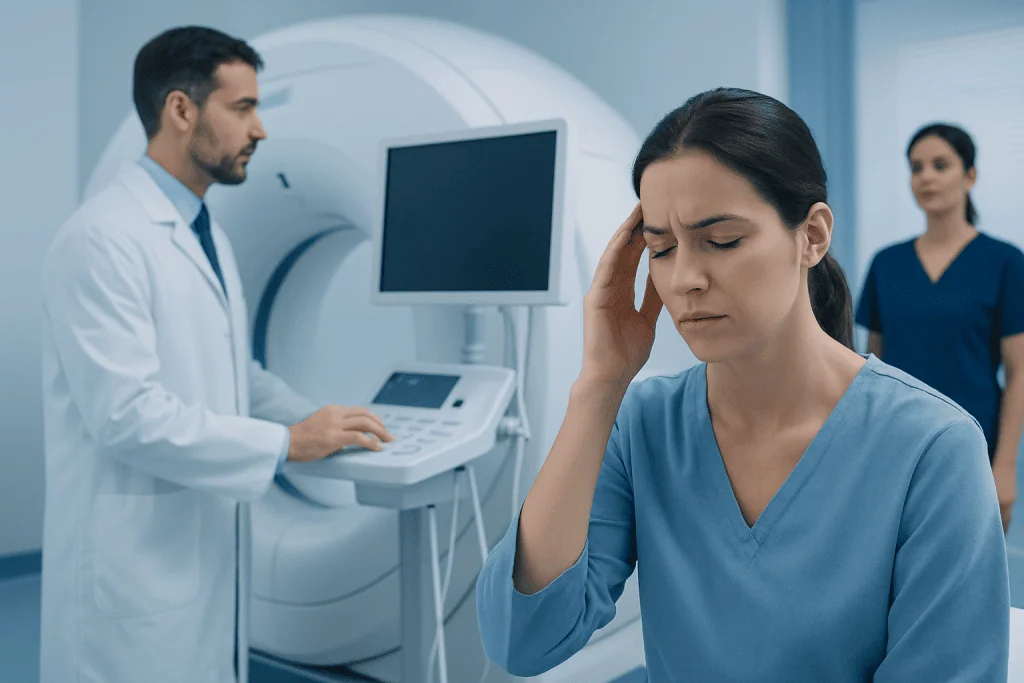
A migraine attack may unfold in stages, although not everyone has every stage. In the prodrome phase, a person may feel unusually tired, irritable, thirsty, or sensitive to light. Some people yawn more than usual, have neck discomfort, or notice changes in appetite before the headache starts.
The headache phase often includes moderate to severe pain that may worsen with routine movement, such as walking or climbing stairs. Nausea is common, and some people vomit. It may become difficult to tolerate bright lights, loud sounds, strong odors, or screen exposure. Resting in a quiet, dark room may feel helpful.
Some people also have aura, which usually develops gradually and lasts a short time. Aura can cause flashing lights, zigzag lines, blind spots, numbness, tingling, or trouble speaking. Less common migraine symptoms include dizziness, imbalance, nasal congestion, watery eyes, or temporary difficulty thinking clearly. After the headache, postdrome symptoms may include exhaustion, poor concentration, or lingering sensitivity.
- Head pain that is throbbing, pulsating, or pressure-like
- Nausea with or without vomiting
- Sensitivity to light, sound, or smells
- Visual changes such as flashing lights or blind spots
- Dizziness, fatigue, brain fog, or neck pain
Migraine Aura and Symptoms That Can Be Misunderstood

Migraine aura can be confusing because it may resemble other neurological symptoms. Visual aura is the most common type and may include bright spots, shimmering lines, or areas of blurred or missing vision. Sensory aura can cause tingling or numbness, often beginning in one hand and moving up the arm or face. Language symptoms, such as trouble finding words, can also occur.
A key feature of aura is that symptoms usually build gradually over several minutes rather than appearing all at once. They often move or spread in a patterned way and then resolve. Even so, new aura symptoms, symptoms lasting longer than usual, or symptoms that do not fully go away should be assessed by a doctor because other conditions can sometimes look similar.
Migraine may also overlap with other headache disorders, making self-diagnosis difficult. Tension-type headache, sinus-related symptoms, and cluster headache can all be confused with migraine in some situations. A neurological evaluation can help distinguish migraine from other causes of recurrent or severe headaches, including migraine and other forms of headache.
Possible Causes and Risk Factors
The exact cause of migraine is complex and involves the brain, nerves, blood vessels, and chemical signaling. Migraine is considered a neurological condition, not simply a reaction to stress or a problem with blood pressure. A family history is common, suggesting a genetic tendency in many people.
Triggers do not cause migraine in every person, but they may increase the chance of an attack in someone who is susceptible. Common triggers include emotional stress, poor sleep, changes in daily routine, dehydration, skipped meals, hormonal shifts, alcohol, and certain foods or additives. Bright light, strong smells, weather changes, and prolonged screen use may also contribute in some people.
Risk factors can include female sex, especially during reproductive years, a personal or family history of migraine, and coexisting conditions such as anxiety, depression, or sleep problems. Keeping a symptom diary can help a person notice patterns over time. Identifying triggers is not about finding a single cause; often, several factors combine to lower the brain’s threshold for an attack.
How Doctors Diagnose Migraine Symptoms
Doctors usually diagnose migraine based on a detailed medical history and symptom pattern. They ask about the location and quality of pain, duration of attacks, associated symptoms, frequency, family history, and possible triggers. A physical and neurological examination helps look for signs that suggest another cause.
There is no single blood test that confirms migraine. Imaging tests such as MRI or CT are not needed for every person with typical migraine symptoms, but they may be recommended when symptoms are new, changing, or associated with warning signs. These tests help rule out other neurological problems rather than proving migraine itself.
Diagnosis is especially important when headaches are frequent or affect daily life, because treatment decisions depend on the pattern. Evaluation may also look for related issues such as sleep disturbance, medication overuse, neck pain, or dizziness. In some cases, doctors may recommend advanced assessment through neurological examination or MRI when the clinical picture is unclear.
Treatment Options and Day-to-Day Management
Treatment for migraine symptoms usually has two goals: relieving attacks when they happen and reducing how often they occur. Acute treatment may include migraine-specific medicines, pain relievers, anti-nausea medicines, hydration, rest, and minimizing light or noise exposure. Early treatment often works better than waiting until symptoms become severe.
Preventive treatment may be considered when attacks are frequent, prolonged, or disabling. Preventive options can include prescription medicines, lifestyle measures, and, in selected cases, procedural therapies. The best choice depends on attack pattern, other health conditions, and how strongly migraine interferes with work, school, sleep, or daily activities.
Self-management is also important. Regular sleep, consistent meals, hydration, stress reduction, exercise within personal tolerance, and trigger awareness can support medical treatment. For people with more complex cases, care may involve a neurologist or headache specialist, and some patients may benefit from structured headache treatment planning. Near the end of the care journey, patients seeking international evaluation may also learn that Acibadem International’s multidisciplinary specialists and JCI-accredited hospitals diagnose and treat migraine-related conditions for international patients.
When to Seek Medical Care
Many migraines can be managed with planned medical care, but some symptoms should not be ignored. A person should seek prompt medical attention for a sudden, very severe headache that reaches maximum intensity within seconds or minutes, especially if it is the worst headache they have ever had. New neurological symptoms, such as weakness, confusion, fainting, seizures, or persistent trouble speaking, also need urgent evaluation.
Medical review is also important when migraine symptoms change noticeably from a person’s usual pattern. This includes headaches that become more frequent, start after age 50, occur after a head injury, or are accompanied by fever, stiff neck, or ongoing vomiting. Headaches during pregnancy, or in a person with cancer, immune suppression, or uncontrolled high blood pressure, should be assessed carefully.
Even without emergency warning signs, a person should see a doctor if migraine symptoms interfere with work, school, sleep, or quality of life. Recurrent headaches that require frequent pain medicine can lead to medication-overuse headache, which may worsen the cycle. A timely medical plan can help reduce attacks and improve daily functioning.
Prevention, Symptom Tracking, and Living Well
Preventing migraine symptoms often starts with consistency. Going to sleep and waking up at regular times, eating balanced meals, staying hydrated, and avoiding long gaps without food may reduce attacks for some people. Gentle physical activity and stress-management techniques such as relaxation training, breathing exercises, or mindfulness can also be helpful.
A symptom diary is one of the most practical tools for migraine management. Recording headache timing, foods, sleep quality, hormonal changes, stress levels, and response to treatment can reveal patterns that are not obvious day to day. This information can help a doctor decide whether symptoms fit migraine, whether preventive treatment is needed, and which triggers may be most relevant.
People living with migraine may benefit from a long-term plan rather than trying to manage each attack in isolation. That plan can include understanding early symptoms, carrying prescribed rescue medication, limiting overuse of pain relievers, and scheduling follow-up when symptoms change. With proper assessment and individualized care, many people can reduce the burden of migraine and regain a sense of predictability in daily life.
Frequently asked questions
What are the most common migraine symptoms?
The most common migraine symptoms are moderate to severe headache, nausea, and sensitivity to light or sound. Some people also experience vomiting, dizziness, neck pain, or trouble concentrating during an attack.
Can migraine happen without a severe headache?
Yes. Some people have migraine aura or other migraine symptoms with little or no head pain. This can still be part of a migraine pattern, but new or unusual symptoms should be evaluated by a doctor.
How can a person tell the difference between migraine and a regular headache?
Migraine is more likely to involve throbbing pain, nausea, and sensitivity to light, sound, or smells. It may also interfere with normal activity and can include aura, whereas a regular tension-type headache is often milder and less disruptive.
What usually triggers migraine symptoms?
Common triggers include stress, lack of sleep, dehydration, skipped meals, hormonal changes, alcohol, and sensory overstimulation. Triggers vary from person to person, so a symptom diary can be useful for identifying patterns.
When should migraine symptoms be treated as urgent?
Urgent care is important for a sudden, extremely severe headache, especially if it is new or unlike previous headaches. A person should also seek immediate help for weakness, seizures, fainting, confusion, persistent speech problems, or symptoms after a head injury.
Do migraine symptoms always stay the same over time?
No. Migraine symptoms can change with age, hormones, stress levels, and overall health. Because symptom patterns may evolve, new or significantly different headaches should be discussed with a qualified doctor.
References
- World Health Organization
- National Institute of Neurological Disorders and Stroke
- American Migraine Foundation
- National Institute for Health and Care Excellence
- International Headache Society
This article is for general information only and is not a substitute for professional medical advice. Please consult a qualified doctor about your individual situation.
Migraine in Turkey — costs, top hospitals & a free quote
JCI-accredited · board-certified surgeons · reply within 24h
Add us as a Preferred Source to see more of our trusted health content across Google Search, AI Overviews and Discover.
Check your numbers in seconds
BMI, calories, due date, blood pressure and 30+ more clinical calculators — free, instant, doctor-reviewed ranges.