Migraine Treatment Guidelines 2025: How It Works, Results and What to Expect

Migraine care usually includes acute treatment for attacks, preventive treatment when needed, and attention to lifestyle triggers. Newer migraine-specific options include CGRP-targeting medicines, gepants, ditans, neuromodulation devices, and botulinum toxin for chronic migraine.
Key Takeaways
- Migraine care usually includes acute treatment for attacks, preventive treatment when needed, and attention to lifestyle triggers.
- Newer migraine-specific options include CGRP-targeting medicines, gepants, ditans, neuromodulation devices, and botulinum toxin for chronic migraine.
- No single treatment is most successful for every person; response, safety, and convenience guide treatment selection.
- Keeping a headache diary can help identify patterns, assess treatment response, and detect medication overuse.
- Sudden severe headache or headache with new neurological symptoms needs urgent medical assessment.
Migraine treatment guidelines 2025 support a personalized plan that treats attacks early, prevents frequent or disabling episodes, and avoids medication overuse. The most suitable approach depends on migraine frequency, symptoms, health history, pregnancy plans, previous treatments, and personal preferences.
Overview: What the 2025 Migraine Guidelines Recommend
Migraine treatment guidelines 2025 recommend an individualized, stepwise plan rather than one universal treatment. Care has three connected goals: reducing pain and other symptoms during an attack, lowering the number or severity of future attacks, and helping the person return to usual work, family, and social activities.
Migraine is a neurological condition that can cause recurrent moderate-to-severe headache, often with nausea, vomiting, sensitivity to light or sound, and worsening with routine activity. Some people experience aura, such as temporary visual changes, tingling, or speech difficulty, before or during an attack. A clinician should confirm the diagnosis and consider other headache disorders, including migraine and its common patterns, before creating a treatment plan.
Current guidance places patient preferences alongside clinical evidence. It encourages early use of appropriate acute treatment, preventive options for people with frequent or highly disabling attacks, and regular review of effectiveness, side effects, and medication use. Treatment plans may change over time, particularly when migraine patterns, other medical conditions, or life circumstances change.
How Migraine Treatment Works
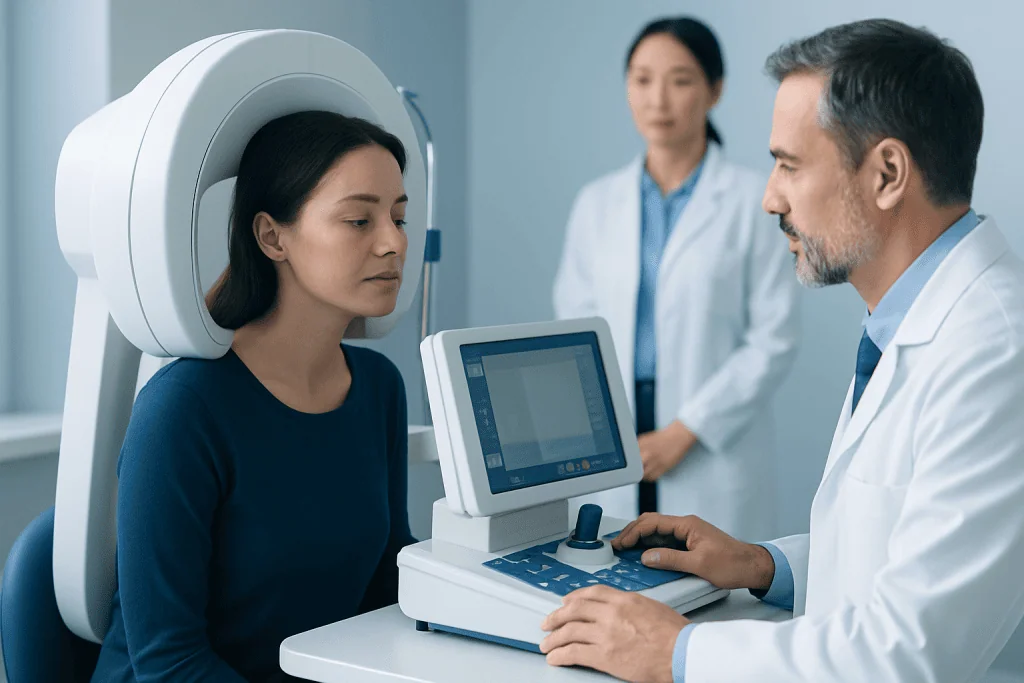
Acute, or rescue, treatment is taken when a migraine attack starts. Its purpose is to stop or reduce headache and associated symptoms as early as possible. Depending on the attack and the person’s medical history, this may include nonsteroidal anti-inflammatory medicines, acetaminophen, migraine-specific triptans, CGRP receptor antagonists known as gepants, a serotonin 5-HT1F agonist called a ditan, anti-nausea medicines, or selected non-drug neuromodulation devices.
Preventive treatment is considered when attacks are frequent, prolonged, poorly controlled by acute medicine, or cause substantial disability. Options include certain blood-pressure medicines, antiseizure medicines, antidepressants, CGRP-targeting preventive medicines, preventive gepants, and onabotulinumtoxinA injections for chronic migraine. These treatments work through different pathways involved in pain signaling and migraine biology, so the best choice varies from person to person.
Non-drug measures remain an important part of care. Consistent sleep, regular meals, hydration, physical activity suited to the individual, stress management, and recognition of personal triggers may reduce vulnerability to attacks. These measures do not imply that migraine is caused by lifestyle choices; rather, they can support medical treatment and improve day-to-day control.
Who May Benefit From Acute and Preventive Treatment?

Anyone with migraine may benefit from a discussion about acute treatment, particularly if attacks interfere with normal activities. A doctor will consider how quickly symptoms develop, whether nausea or vomiting makes tablets difficult to take, whether aura is present, and whether the person has cardiovascular, liver, kidney, or other health conditions that affect medicine choices.
Preventive treatment may be appropriate for people with recurring attacks that are disabling, long-lasting, difficult to manage with acute medicines, or associated with frequent use of rescue treatment. It can also be considered when acute treatments are unsuitable, poorly tolerated, or ineffective. Chronic migraine generally refers to headache on 15 or more days per month for more than three months, with migraine features on at least eight of those days.
Pregnancy, breastfeeding, plans for conception, older age, and use of other medicines all require individualized review. Children and adolescents also need age-appropriate assessment and treatment. A headache specialist or neurologist can help when diagnosis is uncertain, symptoms are complex, or standard options have not provided adequate relief.
A Step-by-Step Migraine Care Plan and Expected Timeline
The first step is a clinical assessment. A clinician asks about headache timing, location, associated symptoms, aura, family history, medical conditions, medicines, and any warning signs. A headache diary, kept for several weeks when possible, can record headache days, symptom severity, menstrual timing where relevant, triggers, treatment use, and response. Brain imaging is not routinely needed when the history and neurological examination are typical for migraine and there are no warning signs.
Next, the clinician and patient agree on an acute treatment plan. This usually includes instructions to treat early in the attack, a choice of medicine or device, a plan for nausea if needed, and clear limits on the number of treatment days. Frequent use of some acute medicines can contribute to medication-overuse headache, so follow-up is important.
If prevention is needed, one option is started and reviewed over time. Some oral preventive medicines may require gradual adjustment and often take several weeks to show a meaningful effect. CGRP-targeting treatments and preventive gepants may have a different onset pattern, while onabotulinumtoxinA is delivered by trained clinicians at scheduled intervals for chronic migraine. Migraine treatment planning should include realistic goals, such as fewer migraine days, less severe attacks, reduced need for rescue medicine, or improved participation in daily life.
Recovery after an individual migraine varies. Some people feel better within hours of effective acute treatment, while others have a postdrome phase with fatigue, reduced concentration, or mood changes for up to a day or more. Preventive care is assessed over months rather than after a single attack, using diary data and the person’s own functional goals.
Benefits, Limitations and Possible Risks
Effective migraine care can lessen pain, nausea, sensory sensitivity, missed activities, and worry about the next attack. Preventive treatment may reduce migraine frequency and make attacks easier to treat. Even when migraine does not disappear completely, a meaningful improvement in function and quality of life is an important outcome.
Every treatment has limitations and possible side effects. Anti-inflammatory medicines may not be appropriate for people with certain stomach, kidney, heart, or bleeding risks. Triptans are unsuitable for some people with particular cardiovascular or vascular conditions. Newer migraine-specific medicines may be useful for appropriate patients but still require review for interactions, side effects, and individual health factors. OnabotulinumtoxinA injections can cause temporary local discomfort or weakness in nearby muscles.
Opioid medicines and combination pain medicines containing barbiturates are generally avoided for routine migraine care because they can increase the risk of medication overuse, dependence, or headache worsening. A clinician can explain safe treatment limits and advise what to do if an attack does not respond to the planned approach.
- Report new or troublesome side effects promptly.
- Do not change prescribed migraine medicine without discussing it with a clinician.
- Seek advice before combining migraine medicines, supplements, or herbal remedies.
- Review the plan regularly, especially if headache frequency increases.
What Are the Latest Treatment Guidelines for Migraines?
The latest treatment guidelines for migraines emphasize early, effective acute treatment and broader access to migraine-specific preventive therapies when clinically appropriate. CGRP-targeting therapies, including monoclonal antibodies and oral gepants, have become important evidence-based options alongside established oral preventive medicines and onabotulinumtoxinA for chronic migraine.
Guidance also increasingly focuses on reducing disability rather than simply counting headache days. A treatment may be considered helpful if it improves the ability to work, study, sleep, care for family, or participate in valued activities. Shared decision-making is central: the patient and clinician weigh effectiveness, side effects, route of use, cost and availability in their setting, medical history, and personal priorities.
Neuromodulation devices may be considered for selected people who prefer non-drug options, cannot take certain medicines, or need an additional approach. These devices use external electrical or magnetic stimulation to influence pain-related nerve pathways. They should be selected with clinical guidance because the appropriate device and suitability can differ by migraine type and health circumstances.
What Are the 5 C's for Migraines?
The “5 C’s” is not a single formal diagnostic or treatment standard used consistently in international migraine guidelines. Different clinicians, educators, and patient resources use the phrase differently. It should therefore be viewed as a memory aid rather than a substitute for an individualized medical plan.
One practical version describes five areas to review: character of the headache, course or timing, contributing factors such as sleep or skipped meals, comorbidities that influence treatment selection, and current medicines that may help, cause side effects, or contribute to medication overuse. A clinician may use a more detailed headache history instead of this framework.
For a person with migraine, the most useful “C” may be consistency: consistently recording attacks, taking acute treatment as advised, and attending reviews. This gives the care team clearer information for refining treatment safely.
What Do the Chinese Do for Migraines?
Migraine care in China includes evidence-based medical treatments used internationally, such as acute medicines, preventive medicines, lifestyle guidance, and specialist evaluation when needed. As in many countries, treatment choices are shaped by local medicine availability, regulatory approvals, individual medical history, and access to headache care.
Traditional Chinese medicine practices, including acupuncture and herbal preparations, are also used by some people. Evidence for acupuncture suggests it may help prevent migraine for selected individuals, although treatment quality, technique, and study findings vary. It is best considered as a complementary option discussed with a qualified clinician, not as a replacement for assessment or proven acute treatment when needed.
Herbal products can interact with prescribed medicines or be unsuitable during pregnancy and for certain medical conditions. People considering traditional therapies should tell their doctor exactly what they are taking or planning to use, so safety can be reviewed.
What Is the Most Successful Treatment for Migraines?
There is no single most successful treatment for migraines because migraine differs between individuals and can change over time. For an acute attack, a treatment that is taken early, works reliably, is well tolerated, and can be used safely for that person may be the best choice. For prevention, success usually means a meaningful reduction in migraine burden rather than a complete cure.
For some people, a triptan or another migraine-specific acute medicine is highly effective. Others may benefit more from a gepant, ditan, anti-inflammatory medicine, anti-nausea treatment, or a device. People with frequent migraine may gain the greatest overall improvement from combining an effective rescue plan with preventive treatment and healthy routines.
A treatment trial should be evaluated fairly, with enough time for preventive therapy to work unless side effects or safety concerns arise. Recording outcomes in a diary helps distinguish a treatment that is partially helpful from one that needs adjustment. Acibadem International’s multidisciplinary specialists and JCI-accredited hospitals can assess and treat migraine for international patients when specialist care is needed.
When to Seek Medical Care
Medical review is advisable when headaches are new, becoming more frequent or severe, disrupting daily life, not responding to the current plan, or leading to frequent use of pain-relieving medicines. A clinician should also assess migraine symptoms that begin after age 50, change substantially during pregnancy or after childbirth, or occur with significant medical conditions.
Urgent medical care is needed for a sudden, severe headache that reaches maximum intensity quickly, especially if it is unlike previous headaches. Emergency assessment is also important for headache with fainting, seizure, fever and neck stiffness, confusion, persistent weakness or numbness, difficulty speaking, new vision loss, head injury, or a new neurological symptom that does not resolve as expected.
These warning signs do not necessarily mean a serious condition, but they need prompt assessment. People who have a known migraine diagnosis should still seek urgent advice if an attack is distinctly different from their usual pattern or if they are concerned about a new symptom.
Frequently asked questions
Can migraine be cured permanently?
Migraine is usually a long-term neurological condition, and there is no guaranteed permanent cure. However, many people achieve substantial improvement with the right combination of acute treatment, prevention, and attention to personal triggers. Migraine patterns may also improve or change during different stages of life.
When should preventive migraine treatment be considered?
Preventive treatment may be considered when migraine attacks are frequent, disabling, prolonged, difficult to treat, or require acute medicine too often. It can also be appropriate when acute medicines cause side effects or are not safe because of another health condition. A clinician can help decide based on headache days and overall impact.
How long does it take migraine prevention treatment to work?
Some preventive treatments may begin helping within weeks, while others need a longer trial to assess their full benefit. The expected timeline depends on the medicine or procedure used. A headache diary can help a clinician assess changes in frequency, severity, and medication use.
Can migraine medicines cause more headaches?
Using certain acute headache medicines too frequently can contribute to medication-overuse headache. This can create a cycle of more frequent headaches and increasing need for rescue treatment. A clinician can provide individualized guidance on safe limits and a plan to reduce overuse if needed.
Are CGRP medicines safe for everyone with migraine?
CGRP-targeting medicines can be appropriate for many adults with migraine, but they are not suitable for every person. Medical history, pregnancy or breastfeeding status, other medicines, side effects, and local availability should be reviewed before treatment. A prescribing clinician can explain the expected benefits and limitations.
Can stress management help prevent migraine?
Stress does not cause every migraine, but stress and changes after stress can contribute to attacks in some people. Relaxation practices, regular sleep, pacing activities, and psychological support where needed may reduce migraine vulnerability. These approaches work best as part of a broader care plan rather than as a replacement for medical treatment.
References
- American Headache Society
- International Headache Society
- National Institute for Health and Care Excellence
- American Academy of Neurology
- World Health Organization
This article is for general information only and is not a substitute for professional medical advice. Please consult a qualified doctor about your individual situation.
Migraine in Turkey — costs, top hospitals & a free quote
JCI-accredited · board-certified surgeons · reply within 24h
Add us as a Preferred Source to see more of our trusted health content across Google Search, AI Overviews and Discover.