Migraine: Triggers, Warning Signs, and Prevention Options

Migraine is more than a severe headache; it is a neurological condition with symptoms that may occur before, during, and after pain. Common migraine triggers include stress, sleep disruption, skipped meals, hormonal changes, alcohol, certain foods, bright light, and weather changes.
Key Takeaways
- Migraine is more than a severe headache; it is a neurological condition with symptoms that may occur before, during, and after pain.
- Common migraine triggers include stress, sleep disruption, skipped meals, hormonal changes, alcohol, certain foods, bright light, and weather changes.
- A migraine diary can help identify patterns and guide a personalized prevention plan.
- Treatment may include acute medicines for attacks, preventive medicines, lifestyle strategies, and non-drug therapies when appropriate.
- Sudden, unusual, or severe headache symptoms should be assessed promptly by a qualified doctor.
Migraine is a common neurological condition that can cause intense headache, sensory symptoms, nausea, and sensitivity to light or sound. Understanding personal triggers, early warning signs, and prevention options can help people reduce the frequency and impact of attacks.
Overview
Migraine is a neurological disorder that causes recurring attacks of head pain and other symptoms. The pain is often throbbing or pulsating and may affect one side of the head, although it can occur on both sides. Many people also experience nausea, vomiting, sensitivity to light, sensitivity to sound, or difficulty concentrating during an attack.
Migraine attacks can last for several hours and, in some cases, longer. The condition varies widely from person to person. Some people have occasional attacks, while others have frequent episodes that interfere with work, school, family life, sleep, and daily activities.
Importantly, migraine is not a sign of weakness and is not simply a reaction to stress. It is a recognized medical condition involving the brain, nerves, blood vessels, and chemical signaling pathways. With the right evaluation and a personalized care plan, many people can reduce the number, severity, and duration of attacks.
Symptoms and Warning Signs
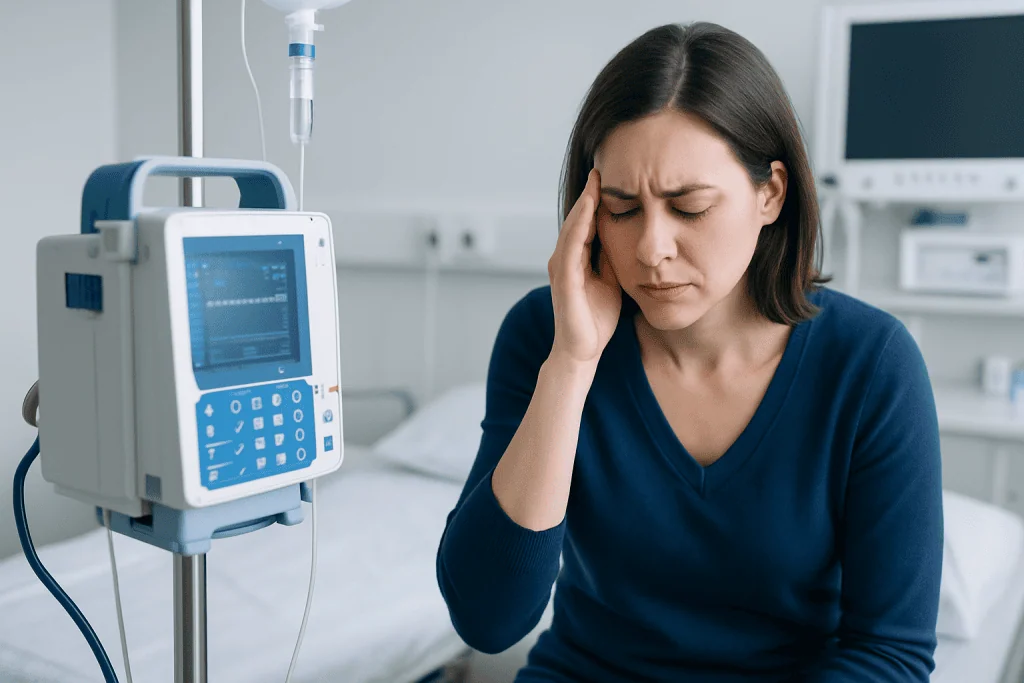
Migraine symptoms may appear in phases, although not everyone experiences every phase. Some people notice a prodrome, or early warning period, hours or a day before the headache begins. Symptoms can include mood changes, food cravings, yawning, neck stiffness, thirst, frequent urination, tiredness, or increased sensitivity to light and sound.
Some people experience aura before or during a migraine attack. Aura symptoms are usually temporary and may include flashing lights, zigzag lines, blind spots, tingling, numbness, speech difficulty, or weakness. Because some aura symptoms can resemble other neurological problems, new or unusual symptoms should be discussed with a doctor.
During the headache phase, pain may be moderate to severe and can worsen with movement or routine activity. Common accompanying symptoms include nausea, vomiting, dizziness, blurred vision, and sensitivity to smells. After the pain improves, a postdrome phase may follow, with fatigue, mental fog, mild head discomfort, or a feeling of being drained.
- Common warning signs include yawning, neck stiffness, mood changes, food cravings, visual changes, tingling, and light sensitivity.
- Keeping track of early symptoms can help a person take treatment sooner, when medicines may work better.
Common Migraine Triggers

A trigger is something that can increase the chance of a migraine attack in a person who is susceptible. Triggers do not act the same way for everyone, and a single trigger may not always cause an attack. Often, several factors build up together, such as poor sleep, stress, dehydration, and a skipped meal.
Common migraine triggers include stress, changes in sleep schedule, skipped meals, dehydration, bright or flickering lights, strong odors, loud noise, alcohol, and certain foods. Some people report attacks after red wine, processed meats, aged cheeses, artificial sweeteners, or foods containing monosodium glutamate, but food triggers are highly individual.
Hormonal changes can also play a role, especially for some women around menstruation, pregnancy, perimenopause, or changes in hormonal medicines. Weather changes, high altitude, intense exercise, screen glare, and jaw or neck tension may also contribute in some individuals.
- Useful tracking points include sleep, meals, fluid intake, stress level, menstrual cycle, medicines, foods, alcohol, weather changes, and screen time.
- The goal is not to avoid life completely, but to identify realistic patterns and reduce avoidable triggers.
Causes and Risk Factors
The exact cause of migraine is complex and not fully explained by one factor. Current understanding suggests that migraine involves abnormal activation of brain networks that process pain, sensory input, and blood vessel signaling. Changes in nerve chemicals, including serotonin and calcitonin gene-related peptide, known as CGRP, are involved in many migraine pathways.
Genetics can influence migraine risk. People with a family history of migraine are more likely to develop the condition. Migraine can begin in childhood, adolescence, or adulthood, and it is more common in women than in men, partly due to hormonal influences.
Other factors may increase the likelihood or frequency of attacks. These include irregular sleep, high stress levels, anxiety or depression, some pain conditions, head or neck injury, overuse of pain-relief medicines, and certain medical conditions. Identifying and treating related health issues can be an important part of migraine care.
Diagnosis
Migraine is usually diagnosed through a detailed medical history and neurological examination. A doctor will ask about the pattern of headaches, location and quality of pain, duration, associated symptoms, aura, family history, triggers, medicines used, and how the attacks affect daily life. A headache diary can be very helpful during this process.
There is no single blood test that confirms migraine. In many cases, imaging is not needed when the history and examination are typical. However, a doctor may recommend brain imaging or additional tests if symptoms are new, unusual, changing, or associated with neurological signs or other medical concerns.
It is important to distinguish migraine from other types of headache, such as tension-type headache, cluster headache, sinus-related pain, medication-overuse headache, or headache caused by another medical condition. An accurate diagnosis helps guide the safest and most effective treatment plan.
Treatment Options
Migraine treatment usually has two goals: relieving attacks when they occur and preventing future attacks when migraines are frequent or disabling. Acute treatment works best when taken early in an attack, according to medical advice. Resting in a quiet, dark room, drinking fluids, and using cold or warm compresses may also help some people.
Acute medicines may include simple pain relievers, anti-inflammatory medicines, anti-nausea medicines, triptans, or newer migraine-specific medicines, depending on the person’s health history and symptoms. Some medicines are not suitable for people with certain heart, vascular, pregnancy-related, liver, kidney, or gastrointestinal conditions, so professional guidance is important.
Preventive treatment may be recommended when attacks are frequent, prolonged, difficult to control, or significantly affect quality of life. Options can include selected blood pressure medicines, anti-seizure medicines, antidepressant-class medicines, CGRP-targeting therapies, botulinum toxin injections for chronic migraine, and neuromodulation devices in appropriate cases. The choice depends on migraine pattern, other medical conditions, pregnancy plans, side effects, access, and patient preference.
Overusing acute pain medicines can make headaches more frequent in some people. Anyone needing headache medicines often should discuss this with a doctor, rather than increasing use on their own. A structured plan can reduce the risk of medication-overuse headache and improve long-term control.
Prevention and Self-care
Prevention starts with recognizing patterns. A migraine diary can record headache days, symptoms, possible triggers, sleep, meals, hydration, menstrual cycle, stress, medicines, and response to treatment. After several weeks, patterns may become clearer and can be reviewed with a healthcare professional.
Consistent daily routines often support migraine control. Helpful habits may include regular sleep and wake times, balanced meals, adequate hydration, gradual caffeine use without sudden changes, regular gentle exercise, screen breaks, stress-management techniques, and limiting alcohol if it is a trigger. Relaxation breathing, mindfulness, physiotherapy for neck tension, and cognitive behavioral strategies may help selected patients.
Not every trigger can be avoided, and trying to control every detail of daily life can become stressful. A practical prevention plan focuses on the most likely and most manageable factors. If lifestyle measures are not enough, preventive medication or device-based treatment may be considered with a neurologist or headache specialist.
Acibadem International’s multidisciplinary specialists and JCI-accredited hospitals diagnose and treat migraine and other headache disorders for international patients, using individualized assessment and evidence-based care pathways.
When to See a Doctor
A person should see a doctor if headaches are recurrent, worsening, interfering with daily life, or requiring frequent use of pain-relief medicine. Medical evaluation is also important when headaches start after age 50, change in pattern, occur with pregnancy or postpartum changes, or appear in someone with cancer, immune suppression, or significant medical illness.
Urgent medical care is needed for a sudden, very severe headache that reaches peak intensity quickly, a headache after head injury, or headache with fever, stiff neck, confusion, fainting, seizure, weakness, vision loss, difficulty speaking, or new numbness. These symptoms do not necessarily mean a serious condition is present, but they should be assessed promptly.
People with known migraine should also seek advice if their usual treatment stops working, side effects occur, aura symptoms are new or prolonged, or attacks become more frequent. A doctor can review the diagnosis, check for medication overuse, adjust treatment, and consider preventive options.
Frequently asked questions
Is migraine just a bad headache?
No. Migraine is a neurological condition that can include head pain, nausea, light sensitivity, sound sensitivity, dizziness, and cognitive symptoms. Some people also experience aura or warning signs before the headache begins.
What are the most common migraine triggers?
Common triggers include stress, poor sleep, skipped meals, dehydration, alcohol, bright light, strong smells, hormonal changes, and weather changes. Triggers vary between individuals, so a migraine diary is often more useful than following a general list.
Can migraine be prevented?
Many migraine attacks can be reduced with a combination of regular routines, trigger management, early treatment, and preventive therapy when needed. Prevention does not always mean eliminating migraine completely, but it can lower frequency, severity, and disruption.
When should someone worry about a migraine aura?
Typical aura symptoms are temporary and may include visual changes or tingling. A doctor should assess any first-time aura, aura that is unusually long, weakness, speech problems, or symptoms that are different from a person’s usual pattern.
Can children and teenagers have migraine?
Yes. Migraine can occur in children and teenagers, and symptoms may include abdominal pain, nausea, dizziness, or sensitivity to light, sometimes with shorter headache duration than in adults. A pediatrician or pediatric neurologist can help confirm the diagnosis and guide safe treatment.
Does diet cure migraine?
No single diet cures migraine for everyone. Regular meals, hydration, and avoiding individually confirmed food or drink triggers may help. Restrictive diets should be avoided unless recommended by a qualified healthcare professional.
How often is too often to take pain medicine for migraine?
Frequent use of acute headache medicines can contribute to medication-overuse headache in some people. Anyone needing pain-relief or migraine-specific medicines often should speak with a doctor about a safer acute plan and whether preventive treatment is appropriate.
References
- World Health Organization
- American Migraine Foundation
- National Institute for Health and Care Excellence
- International Headache Society
- Mayo Clinic
This article is for general information only and is not a substitute for professional medical advice. Please consult a qualified doctor about your individual situation.
Migraine in Turkey — costs, top hospitals & a free quote
JCI-accredited · board-certified surgeons · reply within 24h
Add us as a Preferred Source to see more of our trusted health content across Google Search, AI Overviews and Discover.