Migraine vs Tension Headache: How to Tell the Difference
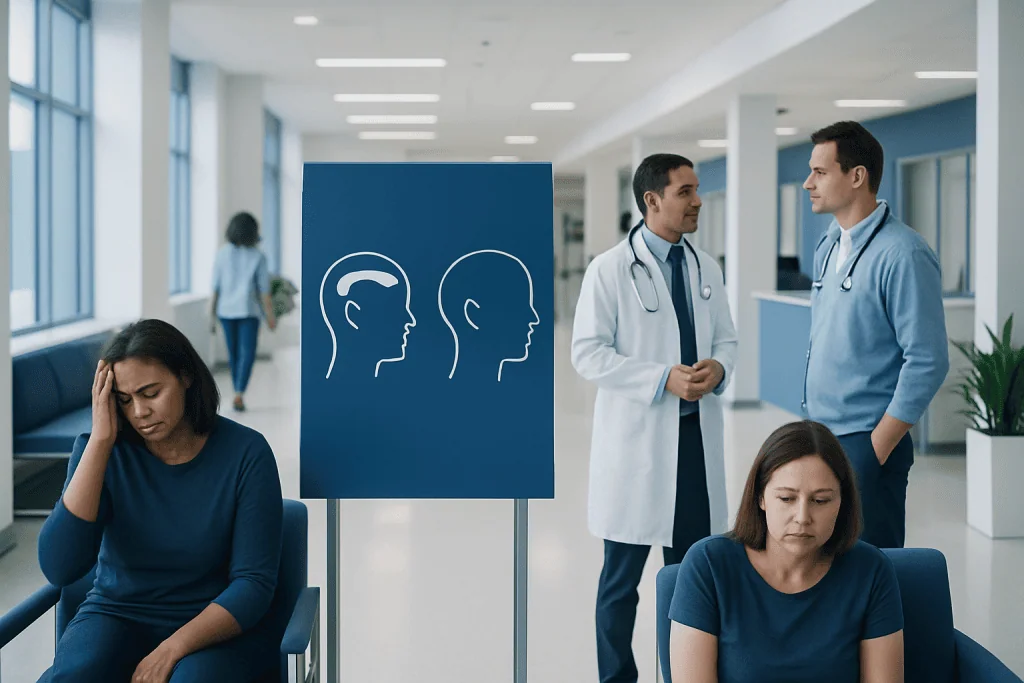
Migraine often causes moderate to severe throbbing pain, sometimes on one side, and may come with nausea, light sensitivity, or sound sensitivity. Tension headache usually causes mild to moderate pressure or tightness, often on both sides of the head, without strong nausea or sensory sensitivity.
Key Takeaways
- Migraine often causes moderate to severe throbbing pain, sometimes on one side, and may come with nausea, light sensitivity, or sound sensitivity.
- Tension headache usually causes mild to moderate pressure or tightness, often on both sides of the head, without strong nausea or sensory sensitivity.
- Triggers can overlap, but migraines are more likely to be linked to hormonal changes, certain foods, sleep disruption, and sensory stimuli.
- A headache diary can help identify patterns and support accurate diagnosis.
- New, severe, or unusual headaches should be assessed by a doctor, especially if they occur with neurological symptoms or fever.
Migraine and tension headache are both common, but they usually feel different and can affect daily life in different ways. Knowing the typical pattern, associated symptoms, and triggers can help a person understand when self-care may help and when medical evaluation is needed.
Overview: what makes migraine and tension headache different?
Many people use the word “migraine” to describe any bad headache, but migraine is a distinct neurological condition. A tension headache is a different type of primary headache disorder. Both can be uncomfortable and disruptive, yet their pattern, intensity, and associated symptoms are often not the same.
In general, migraine tends to cause more intense pain and is more likely to interfere with work, study, or daily activities. It may be felt on one side of the head, though it can affect both sides. The pain is often described as throbbing or pulsating and may become worse with physical activity such as walking or climbing stairs.
Tension headache, by contrast, more often causes a dull, steady pressure or tightness. People commonly describe it as a band around the forehead or a weight pressing on the head. It is usually milder than migraine, and most people can continue routine tasks, although they may feel uncomfortable or tired.
Because symptoms can overlap, it is not always easy to tell them apart. Recurrent headaches, changing symptoms, or headaches that become more frequent deserve medical attention so the correct diagnosis and treatment plan can be made.
Symptoms: how each headache usually feels

Migraine commonly causes moderate to severe head pain that may last for hours or even days. The pain often throbs and may affect one side of the head, but not always. Many people also experience nausea, vomiting, or sensitivity to light, sound, or smells. Some prefer to lie down in a quiet, dark room until the attack improves.
Some people with migraine have warning symptoms before the headache starts. These may include visual changes such as flashing lights, zigzag lines, blind spots, or temporary tingling or speech difficulty. This is called aura. Not everyone with migraine has aura, but when it occurs, it can be an important clue that the headache is migraine rather than another type.
Tension headache usually causes mild to moderate pain with a pressing or tightening quality rather than throbbing. It often affects both sides of the head and may involve the neck, scalp, or shoulder muscles. Unlike migraine, it usually does not cause significant nausea or vomiting, and ordinary activity does not typically make it worse.
A simple way to compare the two is to think about the overall experience:
- Migraine: throbbing pain, often worse with movement, commonly with nausea or light and sound sensitivity
- Tension headache: pressure or tightness, often like a band around the head, usually without strong sensory symptoms
- Migraine: more likely to stop a person from continuing normal activities
- Tension headache: more likely to be annoying and tiring, but less disabling
Causes and risk factors

Migraine is thought to involve changes in brain activity, pain pathways, and blood vessel signaling. Family history is common, suggesting a genetic tendency in many people. Hormonal fluctuations, especially around menstruation, can also play a role. Common migraine triggers include missed meals, lack of sleep, dehydration, emotional stress, bright lights, strong odors, alcohol, and certain foods in some individuals.
Tension headache is often linked to stress, fatigue, long hours at a desk, poor posture, jaw clenching, or muscle tension in the neck and scalp. It can also be associated with eye strain, inadequate sleep, or irregular meals. Unlike migraine, tension headache is not usually triggered by sensory stimuli in the same pronounced way, although emotional strain can be an important factor.
Some people may experience both headache types. For example, a person may have occasional migraine attacks but also develop tension-type headaches during stressful periods. This can make self-diagnosis difficult and is one reason why a careful medical history matters.
Headaches can also occur because of medication overuse, sinus conditions, high fever, head injury, or less common but serious medical problems. When headaches are frequent, severe, or different from the usual pattern, a doctor may need to rule out other causes before confirming whether the problem is migraine, tension headache, or another condition.
Diagnosis: how doctors tell the difference
Diagnosis is usually based on a detailed description of symptoms. A doctor will ask where the pain is located, how it feels, how long it lasts, how often it happens, and what other symptoms occur with it. Questions about nausea, visual symptoms, sensitivity to light, sleep habits, stress, and menstrual cycles can all help distinguish migraine from tension headache.
A physical examination, including a neurological assessment, may be performed to look for warning signs of another condition. Most people with typical migraine or tension headache do not need extensive testing. However, imaging or other investigations may be considered if the headache is new, suddenly severe, progressively worsening, associated with weakness or confusion, or linked to trauma, cancer history, fever, or immune system problems.
Keeping a headache diary is often very helpful. Recording the timing of attacks, severity, associated symptoms, possible triggers, and response to treatment can reveal patterns over time. A diary can also show whether frequent headache medicines may be contributing to rebound or medication-overuse headache.
In some cases, further evaluation by a neurologist or headache specialist is recommended, particularly if headaches are frequent, disabling, or difficult to classify. When appropriate, doctors may use neurology care and imaging support such as MRI to evaluate unusual presentations and rule out other neurological causes.
Treatment options for migraine and tension headache
Treatment depends on the headache type, frequency, and severity. For occasional tension headaches, rest, hydration, stress reduction, stretching, and appropriate over-the-counter pain relief may be enough for many people. Gentle neck exercises, taking breaks from screens, and improving workstation ergonomics can also reduce tension-related symptoms.
Migraine treatment often includes medicines taken at the start of an attack to reduce pain and associated symptoms. Some people with frequent or severe migraines may also need preventive treatment to lower how often attacks happen. A doctor will choose treatment based on medical history, other health conditions, and how disabling the migraines are.
Non-drug strategies matter for both conditions. Regular sleep, consistent meals, good hydration, exercise, relaxation techniques, and trigger management can reduce headache frequency in many people. Cognitive behavioral strategies, physical therapy, or treatment for jaw clenching may also be useful in selected cases, especially for tension-type headache.
If headaches become chronic or difficult to manage, specialist care may be recommended. In selected patients, a doctor may consider options offered through headache treatment programs. The right plan should always be individualized rather than based on the idea that all headaches are the same.
Prevention and self-care
Healthy routines can make a meaningful difference. A regular sleep schedule, balanced meals, enough water, and consistent exercise help support the body’s normal stress response and may reduce headache triggers. Skipping meals, sleeping too little or too much, and relying heavily on caffeine can make headaches more likely in some people.
Stress management is especially important. Techniques such as breathing exercises, mindfulness, yoga, and short breaks during the day may help reduce muscle tension and nervous system overload. For people who spend long hours at a desk, posture correction and regular stretching of the neck and shoulders can be useful.
It is also wise to use pain medicines carefully. Taking headache medication too often can sometimes worsen the problem over time and lead to medication-overuse headache. A doctor or pharmacist can advise on safe use and when a preventive approach may be better than repeated short-term treatment.
Some people benefit from identifying specific personal triggers, while others do better by focusing on a stable daily routine rather than trying to avoid many possible triggers. If symptoms are recurring or unclear, a healthcare professional can help create a practical self-care plan that fits the person’s lifestyle and overall health.
When to see a doctor
A person should seek medical advice if headaches are frequent, severe, changing in pattern, or interfering with daily life. Medical review is also important if headaches begin after age 50, follow a head injury, or occur with fever, stiff neck, weakness, numbness, confusion, fainting, or vision loss. These features do not always mean something serious, but they should not be ignored.
Immediate medical attention is needed for a sudden “worst headache” of life, a thunderclap headache that peaks within seconds to minutes, or a headache with signs of stroke such as one-sided weakness, facial drooping, or trouble speaking. New headache during pregnancy or in someone with cancer or a weakened immune system also deserves urgent assessment.
Even when headaches are not emergencies, professional guidance can improve quality of life. A confirmed diagnosis helps avoid unnecessary worry and supports treatment that matches the headache type. For international patients who need specialist evaluation, Acibadem International’s multidisciplinary specialists and JCI-accredited hospitals diagnose and treat headache disorders with individualized care.
If symptoms remain uncertain, it may help to ask whether the headaches fit tension-type headache, migraine, or another category such as tension headache. Clear diagnosis is the first step toward better symptom control and fewer disruptions to daily life.
Frequently asked questions
Is migraine more painful than a tension headache?
Migraine is often more intense and disabling than a tension headache, but pain levels can vary from person to person. Migraine also tends to come with symptoms such as nausea or light sensitivity, which can make the overall experience feel much worse.
Can a tension headache turn into a migraine?
A tension headache does not literally transform into a migraine, but some people can experience both types at different times. Stress, fatigue, or other triggers may also make headache patterns feel mixed, which is why proper diagnosis is helpful.
Do migraines always happen on one side of the head?
No. Although migraine is often described as one-sided, it can affect both sides of the head or shift from one side to the other. The throbbing nature of the pain and associated symptoms are often more useful clues than location alone.
Does nausea mean a headache is definitely a migraine?
Nausea strongly suggests migraine, especially when it occurs with throbbing pain or sensitivity to light and sound. However, only a doctor can make a diagnosis, because some other conditions can also cause headache with nausea.
When should someone worry about a headache?
A headache should be checked urgently if it starts suddenly and severely, or if it comes with weakness, confusion, fever, fainting, vision loss, or trouble speaking. Recurrent headaches that are changing, frequent, or disrupting daily life also deserve medical evaluation.
Can lifestyle changes help both migraine and tension headache?
Yes. Regular sleep, hydration, consistent meals, exercise, stress reduction, and careful use of pain medicines can help reduce both migraine and tension headaches. The exact plan may differ depending on the person’s triggers and headache pattern.
References
- World Health Organization
- International Headache Society
- National Institute of Neurological Disorders and Stroke
- American Migraine Foundation
- Mayo Clinic
This article is for general information only and is not a substitute for professional medical advice. Please consult a qualified doctor about your individual situation.
Migraine in Turkey — costs, top hospitals & a free quote
JCI-accredited · board-certified surgeons · reply within 24h
Add us as a Preferred Source to see more of our trusted health content across Google Search, AI Overviews and Discover.

More from the Health Library



Related Specialists

Assoc. Prof. Dr. Hilmi Kodaz
Medical Oncology
Dr. Ümit Ege Canyurt
Acibadem Life Clinical Service
Dr. Ülkü Tuba Parlakkılıç
Breast Clinic Clinical Service
Dr. Mehmet Hacıhanefioğlu
Neurosurgery