Migraine With Aura: Stroke Warning Sign or Headache Pattern?

Migraine with aura often causes temporary visual, sensory, or speech symptoms before or during a headache. Aura is usually reversible and develops gradually over minutes, which helps distinguish it from many stroke symptoms.
Key Takeaways
- Migraine with aura often causes temporary visual, sensory, or speech symptoms before or during a headache.
- Aura is usually reversible and develops gradually over minutes, which helps distinguish it from many stroke symptoms.
- Migraine with aura is linked to a slightly higher long-term stroke risk in some people, especially smokers and those using estrogen-containing contraception.
- A first aura, a sudden severe headache, weakness, or symptoms that do not resolve needs urgent medical assessment.
- Treatment may include trigger management, acute migraine medicines, and preventive therapies when attacks are frequent or disabling.
Migraine with aura is a type of migraine in which temporary neurological symptoms happen before or during the headache. Although it can sometimes resemble a stroke, aura usually follows a recognizable pattern and resolves fully, but new or unusual symptoms should always be evaluated promptly.
Overview: What Is Migraine With Aura?
Migraine with aura is a form of migraine in which a person experiences temporary neurological symptoms before the headache begins or while it is happening. The aura phase most often affects vision, but it can also involve sensation, speech, or, less commonly, movement. These symptoms are caused by temporary changes in brain activity rather than permanent brain damage.
For many people, aura appears as flashing lights, zigzag lines, blind spots, tingling, or difficulty finding words. Symptoms typically develop gradually over several minutes and usually last less than an hour. After the aura, a throbbing headache may follow, often with nausea, sensitivity to light, or sound sensitivity, although some people can have aura without much headache.
A common concern is whether migraine with aura is a warning sign of stroke. In most cases, it is a distinct headache pattern rather than an immediate stroke event. Still, because some symptoms overlap, especially when aura is new or different, medical evaluation is important when there is any uncertainty.
Symptoms of Migraine Aura
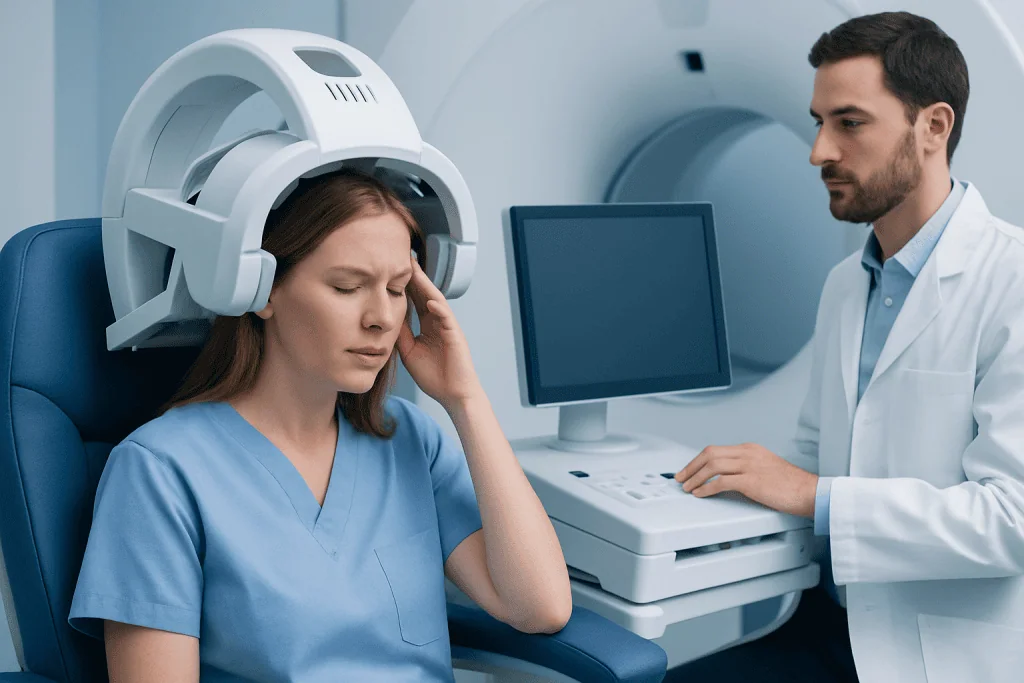
The most common aura symptoms are visual. A person may see shimmering lights, zigzag shapes, flickering spots, wavy lines, or a blind area that slowly expands. These visual changes usually affect both eyes, even if they seem stronger on one side, because the origin is in the brain rather than the eye itself.
Sensory aura may cause tingling or numbness, often beginning in the hand and gradually moving up the arm to the face. Speech or language aura can make it hard to find words or speak clearly for a short time. Less often, people may feel dizzy, confused, or weak. A rare form called hemiplegic migraine can cause temporary one-sided weakness and needs careful specialist evaluation.
The headache phase may include moderate to severe head pain, often throbbing and worsened by routine activity. Other common migraine symptoms include:
- Nausea or vomiting
- Sensitivity to light
- Sensitivity to sound
- Sensitivity to smells
- Fatigue and difficulty concentrating
Some people also notice warning symptoms before the aura, such as yawning, mood changes, neck stiffness, food cravings, or tiredness. Recognizing this pattern can help with early treatment and reduce the impact of an attack.
Migraine With Aura vs Stroke: How Are They Different?

Migraine aura and stroke can sometimes look similar, which is why they are often confused. Aura usually starts gradually and spreads over several minutes. For example, a visual disturbance may begin as a small shimmering spot and slowly enlarge, or tingling may move from the fingers up the arm. Stroke symptoms more often begin suddenly and reach maximum intensity right away.
Another clue is that migraine aura tends to cause “positive” symptoms such as flashing lights, zigzags, or tingling, followed at times by temporary loss of part of vision or numbness. Stroke more often causes “negative” symptoms such as sudden loss of vision, loss of sensation, facial droop, arm weakness, or trouble speaking without the typical spreading pattern of aura.
Even so, it is not always possible to tell the difference without medical help, especially during a first episode. Urgent evaluation is needed for sudden one-sided weakness, confusion, new speech difficulty, a severe abrupt headache, symptoms lasting longer than usual, or any episode that feels different from previous migraines. Conditions such as migraine and transient ischemic attack may sometimes require a neurological assessment and imaging.
People who already have a clear diagnosis of migraine with aura may become familiar with their usual pattern. Still, a change in pattern should not be ignored. New symptoms, prolonged aura, or attacks beginning later in life deserve prompt medical review.
Causes and Risk Factors
The exact cause of migraine with aura is not fully understood, but it is linked to complex changes in brain signaling and blood vessel function. A process called cortical spreading depression, a wave of altered electrical activity moving across the brain, is thought to explain many aura symptoms. Genetics also plays a role, and migraine often runs in families.
Many people notice triggers that increase the chance of an attack. Common triggers include stress, poor sleep, skipped meals, dehydration, hormonal changes, bright light, strong smells, alcohol, and certain foods. Triggers vary greatly from person to person, so a symptom diary can be helpful.
Migraine with aura is also associated with a slightly increased long-term risk of ischemic stroke compared with the general population, especially in certain groups. Risk is more important when aura occurs together with other vascular factors such as:
- Smoking
- High blood pressure
- High cholesterol
- Diabetes
- Obesity
- Estrogen-containing contraceptives or hormone therapy in some individuals
This does not mean that most people with aura will have a stroke. It means overall risk reduction matters. Managing blood pressure, avoiding smoking, and discussing contraceptive choices with a doctor can be especially important for those with migraine with aura.
How Migraine With Aura Is Diagnosed
Diagnosis usually begins with a detailed medical history. A doctor will ask what the symptoms feel like, how long they last, whether they spread gradually, how often they occur, and whether headache follows. A symptom description is often the most useful tool for distinguishing aura from other neurological conditions.
A neurological examination helps check vision, speech, strength, coordination, and sensation. If symptoms are typical and recurrent, many people can be diagnosed clinically. However, testing may be recommended when the aura is new, prolonged, unusual, or associated with weakness, fainting, or other concerning features.
Depending on the situation, doctors may request MRI or CT scan imaging to look for stroke, bleeding, structural problems, or other causes of symptoms. Some patients may also need eye evaluation, blood tests, or heart-related assessment if stroke risk is a concern. In selected cases, a neurological examination by a specialist helps confirm the diagnosis and guide treatment.
Keeping a headache diary can support diagnosis. Recording the timing, triggers, aura symptoms, headache severity, medicines used, and menstrual cycle patterns can help identify a consistent migraine pattern and the best treatment approach.
Treatment Options
Treatment for migraine with aura aims to relieve symptoms during an attack and reduce how often attacks happen. Acute treatment is usually most effective when taken early. Depending on the individual and medical history, doctors may recommend pain relievers, anti-nausea medicines, or migraine-specific drugs such as triptans. Not every medicine is right for every patient, especially if there are certain cardiovascular concerns.
When attacks are frequent, prolonged, or disruptive, preventive treatment may be considered. This can include daily medicines, monthly injectable therapies, or non-drug approaches based on the person’s symptoms and overall health. The choice depends on headache frequency, severity, coexisting conditions, and patient preference.
Lifestyle strategies are also an important part of treatment. Regular sleep, good hydration, consistent meals, stress management, and exercise can lower attack frequency in some people. Avoiding personal triggers may help, but very strict avoidance is not always necessary or realistic.
For people with complicated symptoms, prolonged aura, or possible overlap with other neurological conditions, specialist input is valuable. Near the end of the care pathway, patients may benefit from multidisciplinary review; Acibadem International’s multidisciplinary specialists and JCI-accredited hospitals diagnose and treat neurological and headache conditions for international patients.
Prevention and Self-Care
Prevention starts with understanding individual patterns. A migraine diary can show whether attacks are linked to stress, lack of sleep, fasting, dehydration, menstruation, screen exposure, or certain foods and drinks. Once a pattern is recognized, practical changes can be made without becoming overly restrictive.
Healthy daily routines can reduce migraine burden. Helpful self-care habits include regular sleep and wake times, balanced meals, hydration, moderate exercise, and taking breaks from prolonged screen use. Relaxation techniques such as breathing exercises, mindfulness, or gentle stretching may also help some people.
Because migraine with aura is connected with vascular risk, it is wise to focus on overall cardiovascular health. This includes not smoking, keeping blood pressure under control, managing cholesterol and diabetes, and reviewing hormone-based contraception with a doctor if appropriate. These steps support both headache care and general health.
It is also useful to have a plan for attacks. Resting in a quiet, dark room, taking prescribed medicine early, staying hydrated, and avoiding driving during active aura can make episodes safer and easier to manage.
When to See a Doctor
A doctor should assess migraine symptoms if they are frequent, severe, or interfering with work, school, driving, or daily life. Medical review is also important when headaches change pattern, become harder to treat, or start later in adulthood. A specialist can help confirm the diagnosis and rule out other causes.
Urgent medical attention is needed for a first aura, sudden severe headache, one-sided weakness, fainting, new confusion, persistent speech problems, or symptoms that last longer than usual. Immediate assessment is especially important if the person has stroke risk factors or if the symptoms do not match prior migraine episodes.
People who are pregnant, recently postpartum, or have a history of vascular disease should be particularly cautious with new neurological symptoms. Children and older adults also need careful assessment because headache patterns can look different in these age groups.
In short, migraine with aura is often a recognizable and manageable condition, but it should never be self-diagnosed when symptoms are new, sudden, or unusual. A qualified doctor can determine whether the episode fits migraine or needs urgent stroke evaluation.
Frequently asked questions
Is migraine with aura a stroke warning sign?
Usually, migraine with aura is a headache pattern rather than an immediate warning that a stroke is happening. However, because aura and stroke can share symptoms, any first-time, sudden, or unusual episode should be assessed urgently by a doctor.
How long does migraine aura usually last?
Aura commonly lasts from about 5 to 60 minutes. If symptoms last much longer than usual, do not fully go away, or are followed by weakness or confusion, medical evaluation is important.
What does visual aura look like?
Visual aura may appear as flashing lights, zigzag lines, shimmering shapes, blind spots, or distorted vision. These changes often spread gradually over several minutes and then resolve.
Does having migraine with aura mean a person will have a stroke?
No, most people with migraine with aura do not have a stroke. There is a slightly higher long-term risk in some individuals, especially smokers and those with other vascular risk factors, so preventive health measures matter.
Can migraine aura happen without a headache?
Yes. Some people have aura without much head pain or without a headache at all. This can be confusing, so new episodes should be discussed with a doctor to confirm the cause.
When should someone go to the emergency department for aura symptoms?
Emergency care is appropriate for a first aura, sudden severe headache, one-sided weakness, facial droop, trouble speaking, fainting, or symptoms that are different from the usual pattern. It is safest to treat possible stroke symptoms as urgent until a doctor says otherwise.
References
- World Health Organization
- American Migraine Foundation
- National Institute of Neurological Disorders and Stroke
- American Heart Association
- International Headache Society
This article is for general information only and is not a substitute for professional medical advice. Please consult a qualified doctor about your individual situation.
Migraine in Turkey — costs, top hospitals & a free quote
JCI-accredited · board-certified surgeons · reply within 24h
Add us as a Preferred Source to see more of our trusted health content across Google Search, AI Overviews and Discover.

More from the Health Library



Related Specialists

Dr. Fikret Çolak
Radiology
Dr. Tünkut Salim Doğanca
Urology
Prof. Dr. Yasemin Alanay
Pediatric Genetic Diseases
Dr. Ioseb Gabunia
Inpatient Clinic Physicians Clinical Service