Morton’s Neuroma: Forefoot Burning Pain, Shoe Changes, and Treatment

Morton’s neuroma is not a true tumor; it is thickening and irritation around a nerve in the forefoot. Typical symptoms include burning pain in the ball of the foot, tingling or numbness in the toes, and the feeling of standing on a small stone.
Key Takeaways
- Morton’s neuroma is not a true tumor; it is thickening and irritation around a nerve in the forefoot.
- Typical symptoms include burning pain in the ball of the foot, tingling or numbness in the toes, and the feeling of standing on a small stone.
- A wide toe box, lower heels, metatarsal pads, activity modification, and orthotics are often the first steps in treatment.
- If symptoms continue, a doctor may consider imaging, injections, or referral to a foot and ankle specialist.
- Persistent, worsening, or unexplained foot pain should be assessed to rule out stress fracture, arthritis, diabetes-related nerve problems, and other causes.
Morton’s neuroma is a common cause of burning, tingling, or pebble-like pain in the ball of the foot, usually related to irritation of a small nerve between the toes. Most people improve with shoe changes, padding, and guided treatment, while surgery is reserved for symptoms that persist despite conservative care.
Overview
Morton’s neuroma is a painful condition affecting the ball of the foot, most often between the third and fourth toes. Despite the word “neuroma,” it is usually not a tumor. It is better understood as irritation, swelling, and thickening of tissue around a small interdigital nerve that runs between the metatarsal bones of the forefoot.
When this nerve is repeatedly compressed, it can become sensitive and inflamed. People often describe the pain as burning, electric, sharp, or as if a pebble, fold in the sock, or small lump is trapped under the foot. The discomfort may come and go at first, especially with certain shoes or prolonged walking.
Morton’s neuroma is generally manageable. Many patients improve by reducing pressure on the forefoot with wider shoes, lower heels, soft insoles, and metatarsal pads. If symptoms do not settle, a qualified clinician can confirm the diagnosis and discuss additional options such as custom orthotics, injections, or, less commonly, surgery.
Symptoms
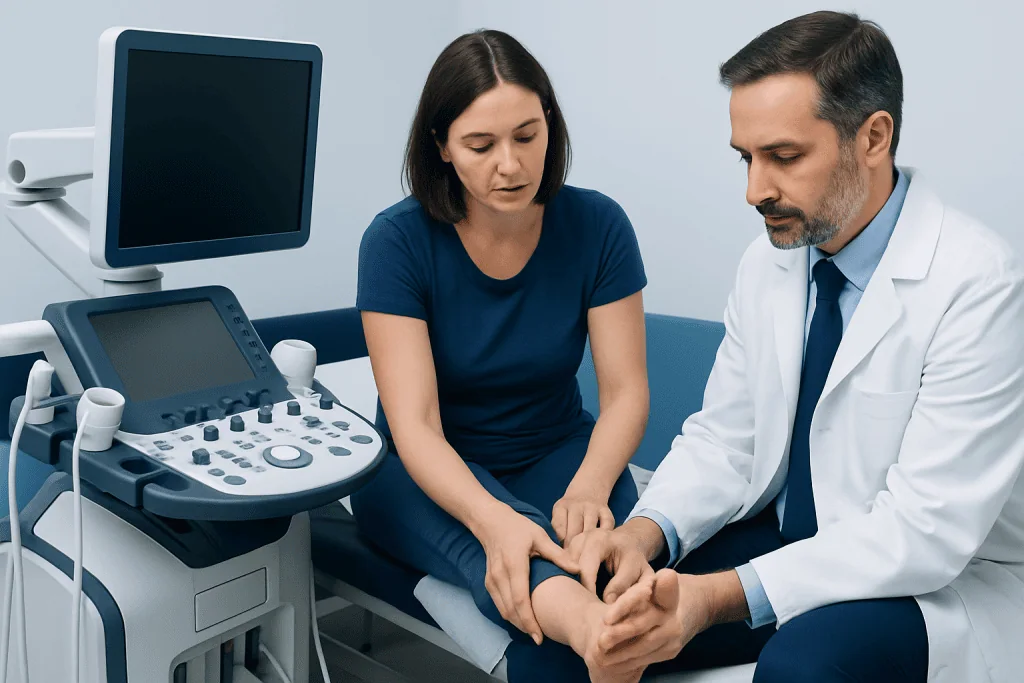
The main symptom of Morton’s neuroma is pain in the ball of the foot. It may feel like burning, tingling, cramping, or an electric shock traveling into the toes. Some people notice numbness or pins and needles, especially in the two toes on either side of the affected nerve.
Symptoms often worsen when wearing narrow shoes, pointed-toe footwear, or high heels because these compress the metatarsal bones and increase pressure on the nerve. Walking, running, standing for long periods, or pushing off the forefoot can also trigger pain. Removing the shoe, resting, or massaging the foot may bring temporary relief.
Common features include:
- Burning or sharp pain under the ball of the foot
- Tingling, numbness, or altered sensation in nearby toes
- A feeling of walking on a stone, wrinkle, or bunched-up sock
- Pain that improves when shoes are removed
- Symptoms that flare with tight footwear or high-impact activity
Morton’s neuroma usually does not cause a visible lump. If there is significant swelling, redness, an open wound, fever, or pain after an injury, another condition may be present and medical assessment is important.
Causes and Risk Factors

Morton’s neuroma develops when an interdigital nerve in the forefoot is repeatedly irritated or compressed. The nerve passes through a narrow space between the metatarsal heads. Mechanical pressure in this area can cause surrounding tissue to thicken, making the nerve even more sensitive during walking and weight-bearing.
Shoe choice is a major contributor. High heels shift body weight toward the forefoot, while narrow or pointed shoes squeeze the toes and metatarsals together. Over time, this can increase friction and pressure around the nerve. However, footwear is not the only cause; foot shape, gait pattern, and activity level also matter.
Risk factors may include:
- Frequent use of high heels, tight shoes, or narrow toe boxes
- High-impact sports such as running or court sports
- Activities requiring repetitive forefoot loading, including dancing
- Bunions, hammertoes, flat feet, or high arches that alter pressure distribution
- Previous forefoot injury or inflammation
Not everyone with these risk factors develops Morton’s neuroma, and symptoms can vary widely. A careful evaluation helps identify the pressure points and movement patterns that may be contributing to pain.
Diagnosis
Diagnosis usually begins with a medical history and physical examination. The doctor asks where the pain is located, what shoes or activities make it worse, and whether there is numbness, tingling, or injury. They may press between the metatarsal bones, move the toes, or compress the forefoot to reproduce symptoms.
One clinical sign sometimes used is a “Mulder click,” where squeezing the forefoot while pressing the affected space may produce a clicking sensation and familiar pain. This finding can support the diagnosis, but it is not required in every case. The examination also looks for other causes of forefoot pain, such as metatarsalgia, plantar plate injury, stress fracture, arthritis, tendon problems, or nerve conditions.
Imaging is not always needed, especially when symptoms and examination are typical. If the diagnosis is uncertain or symptoms persist, ultrasound or MRI may help identify a neuroma and rule out other problems. X-rays do not show the nerve itself, but they may be used to assess bone alignment, arthritis, or fracture.
Treatment Options
Treatment is usually stepwise, beginning with measures that reduce pressure on the irritated nerve. A wide toe box, low heel, cushioned sole, and adequate shoe length can make a significant difference. A metatarsal pad or dome placed just behind the painful area helps spread the metatarsal bones and shift pressure away from the nerve.
Doctors may also recommend activity modification for a period of time, especially if running, jumping, or prolonged standing is aggravating symptoms. Ice after activity, supportive insoles, and over-the-counter pain relief may be appropriate for some people, but medicines should be used safely and according to individual health conditions. Physical therapy may address calf tightness, foot strength, gait mechanics, and load management.
If conservative care does not provide enough relief, injection therapy may be considered. Corticosteroid injections can reduce inflammation around the nerve in selected patients. Other injection approaches are used in some settings, but benefits and suitability vary, so they should be discussed with a foot and ankle specialist.
Surgery is generally reserved for persistent symptoms that limit daily life despite well-applied non-surgical treatment. Procedures may involve releasing tight structures around the nerve or removing the painful segment of nerve. Surgery can reduce pain for many patients, but possible effects include permanent numbness in the adjacent toes, scar sensitivity, or recurrence, so shared decision-making is important.
Prevention and Self-care
Self-care focuses on reducing repeated compression of the forefoot. Shoes should allow the toes to spread naturally, with enough depth and width so the forefoot is not squeezed. A lower heel reduces the forward shift of body weight, and a cushioned sole can lessen impact during walking.
Metatarsal pads can be helpful when correctly positioned. They are usually placed behind the ball of the foot, not directly under the painful spot. If a pad increases pain, it may be in the wrong location or may not suit the person’s foot shape; a podiatrist, orthopedic specialist, or physiotherapist can help adjust it.
People who run or do high-impact exercise may benefit from temporarily reducing intensity, switching to lower-impact activities, and gradually returning as symptoms improve. Stretching tight calf muscles and strengthening the intrinsic foot muscles may support better pressure distribution, although exercises should be tailored to the individual.
It is also useful to monitor patterns. If pain consistently appears in one pair of shoes, during a particular activity, or after a certain walking distance, those clues can guide prevention. Early changes often prevent the nerve from becoming more irritated.
When to See a Doctor
A person should see a doctor if forefoot burning pain, numbness, or tingling persists for more than a short period, keeps returning, or affects walking and daily activities. Early assessment can confirm whether Morton’s neuroma is likely and prevent prolonged discomfort from inappropriate footwear or activity choices.
Medical review is especially important if pain follows an injury, if there is swelling or bruising, if weight-bearing is difficult, or if symptoms are rapidly worsening. People with diabetes, circulation problems, reduced sensation in the feet, inflammatory arthritis, or a history of foot ulcers should seek prompt professional advice for new foot pain.
A foot and ankle specialist can guide diagnosis and treatment choices, from footwear advice and orthotics to injections or surgical consultation when needed. Acibadem International’s multidisciplinary specialists and JCI-accredited hospitals diagnose and treat foot and ankle conditions, including Morton’s neuroma, for international patients as part of individualized care planning.
Frequently asked questions
Is Morton’s neuroma a tumor?
Morton’s neuroma is usually not a tumor in the usual sense. It is a thickening and irritation of tissue around a small nerve in the forefoot. The name can sound concerning, but the condition is typically benign and often improves with pressure-relieving treatment.
What does Morton’s neuroma feel like?
Many people describe burning pain in the ball of the foot, often spreading into the toes. It can also feel like tingling, numbness, an electric shock, or walking on a small stone. Symptoms often worsen in tight shoes or high heels and improve when the shoe is removed.
Can changing shoes really help Morton’s neuroma?
Yes, shoe changes are often one of the most effective first steps. A wide toe box, low heel, and cushioned sole reduce compression on the irritated nerve. Metatarsal pads or orthotics may add further relief by redistributing pressure across the forefoot.
Will Morton’s neuroma go away on its own?
Mild symptoms may improve when the pressure causing irritation is reduced. However, symptoms can return if the same footwear or activity pattern continues. If pain persists, a clinician can confirm the diagnosis and recommend a structured treatment plan.
Are injections always needed?
No. Many patients start with conservative treatment such as footwear changes, padding, orthotics, and activity modification. Injections may be considered when these measures do not provide enough relief or when inflammation around the nerve is significant.
When is surgery considered for Morton’s neuroma?
Surgery is usually considered only when symptoms remain troublesome after appropriate non-surgical treatment. The surgeon may discuss decompression or removal of the painful nerve segment depending on the case. Benefits and possible effects, such as numbness in nearby toes, should be reviewed carefully before deciding.
References
- American Academy of Orthopaedic Surgeons
- American College of Foot and Ankle Surgeons
- Mayo Clinic
- National Health Service
- BMJ Best Practice
This article is for general information only and is not a substitute for professional medical advice. Please consult a qualified doctor about your individual situation.
Oncology care in Turkey — second opinion and treatment plan
JCI-accredited · board-certified surgeons · reply within 24h
Add us as a Preferred Source to see more of our trusted health content across Google Search, AI Overviews and Discover.