Motion Sickness — Explained by Medical Evidence, Not Myths

Motion sickness happens when the brain receives conflicting signals about movement. Common symptoms include nausea, dizziness, sweating, pallor, and vomiting.
Key Takeaways
- Motion sickness happens when the brain receives conflicting signals about movement.
- Common symptoms include nausea, dizziness, sweating, pallor, and vomiting.
- Triggers include cars, boats, planes, amusement rides, and sometimes virtual reality.
- Simple strategies such as choosing a stable seat, looking at the horizon, and avoiding heavy meals can help.
- Medications may prevent or reduce symptoms, but a doctor can advise which option is most appropriate.
- Persistent or unusual symptoms may point to another balance or inner ear problem and should be assessed.
Motion sickness is a common reaction to travel or movement, caused by a mismatch between what the eyes, inner ear, and body sense. It is uncomfortable but usually not dangerous, and it can often be prevented or eased with practical steps and, when needed, medication.
Overview: what motion sickness really is
Motion sickness is a physical response to movement, not a sign of weakness, poor fitness, or “overthinking.” It usually causes nausea, dizziness, cold sweating, and a general feeling of being unwell during travel or exposure to certain types of motion. The medical explanation is straightforward: the brain receives mixed information from the eyes, inner ear, and body, and this sensory conflict can trigger symptoms.
This evidence-based explanation matters because many people hear myths about motion sickness, such as the idea that it is purely psychological or that only children get it. In reality, it can affect people of any age, although some groups are more sensitive than others. It may happen in cars, buses, boats, airplanes, trains, amusement park rides, and even with simulators or virtual reality headsets.
For most people, motion sickness is temporary and improves once the motion stops. However, symptoms can be distressing enough to interfere with commuting, vacations, work travel, or daily activities. Understanding why it happens is often the first step toward preventing it and choosing effective ways to manage it.
How the body senses motion
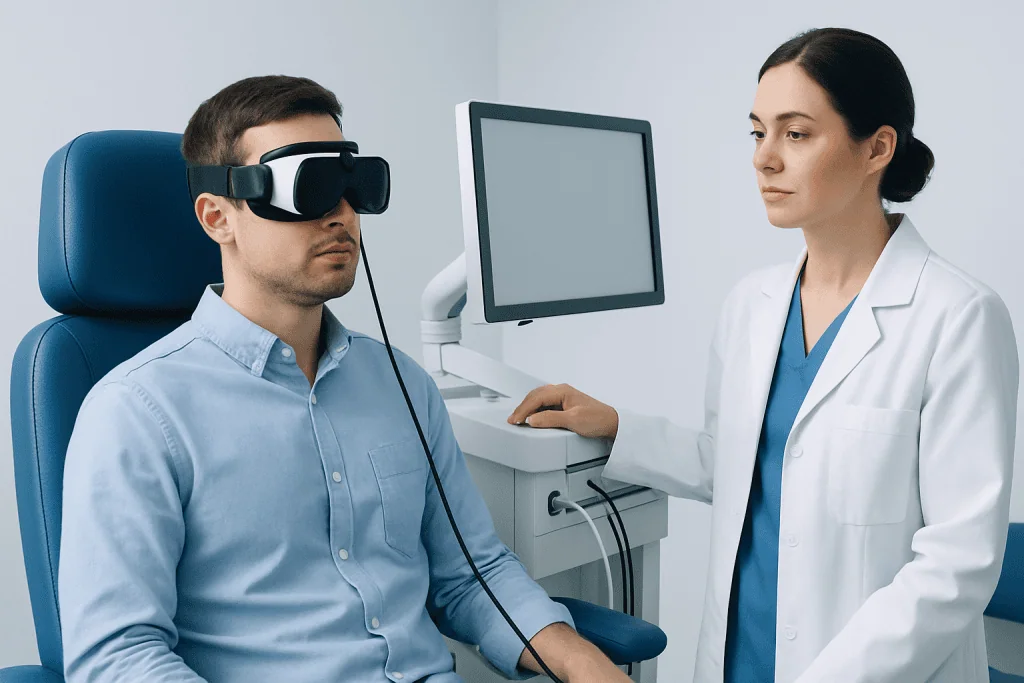
The body normally keeps balance by combining signals from three main systems: the eyes, the inner ear, and sensory nerves in muscles and joints. The inner ear contains structures that detect movement, head position, and acceleration. The eyes provide visual cues about whether the surroundings are moving or still, while the body senses pressure, posture, and motion through muscles and limbs.
Motion sickness tends to happen when these systems disagree. For example, a person reading in the back seat of a car may have eyes focused on a still page while the inner ear detects turns, bumps, and acceleration. On a ship, the body and inner ear may feel the rolling motion, but if the person is inside a cabin without a view of the horizon, the visual system may not confirm that motion clearly.
The reverse can also happen. In virtual reality or on a simulator, the eyes may perceive motion strongly even though the body is relatively still. This is why some people experience “cybersickness,” which is closely related to motion sickness. When symptoms are frequent or severe, doctors may also consider other balance conditions, including inner ear problems such as vertigo.
Symptoms and common triggers

The symptoms of motion sickness often begin gradually. Early signs may include queasiness, loss of appetite, increased salivation, warmth, yawning, or mild dizziness. If exposure continues, symptoms can progress to nausea, vomiting, pale skin, cold sweating, headache, and fatigue. Some people describe difficulty concentrating or a sense that they need to lie down immediately.
Symptoms vary from person to person. One individual may feel only mild stomach discomfort, while another may vomit quickly after a short journey. Children may become quiet, pale, or irritable rather than clearly describing nausea. In adults, symptoms often improve within minutes to hours after the motion ends, although some people feel unsettled for longer.
Common triggers include:
- Travel by car, especially on winding roads or in the back seat
- Boat and ferry travel, particularly in rough water
- Air travel during turbulence
- Train or bus travel when facing backward
- Amusement park rides
- Virtual reality, video gaming, or flight/driving simulators
- Reading or looking down during travel
These triggers are linked not to one specific vehicle, but to the degree of sensory mismatch they create. The more strongly the senses disagree, the more likely symptoms are to appear.
Causes and risk factors
The main cause of motion sickness is sensory conflict, but several factors can increase a person’s susceptibility. Some people naturally have a more sensitive balance system, while others notice symptoms only in certain situations, such as sea travel or turbulent flights. Susceptibility can also vary over time, so a person may tolerate one trip well and struggle on another.
Risk factors may include younger age, a personal or family tendency toward motion sickness, migraine, pregnancy, and exposure to strong odors or poor ventilation during travel. Anxiety does not cause motion sickness by itself, but stress can make symptoms feel worse or make a person more aware of early nausea. Fatigue, dehydration, alcohol, and heavy meals before travel may also lower tolerance.
Not every episode of dizziness or nausea during travel is motion sickness. Similar symptoms can occur with infections, dehydration, migraine, medication side effects, or inner ear disorders. If dizziness happens even without movement, doctors may look more closely for vestibular problems and may recommend an ear and balance assessment or appropriate medical evaluation.
Diagnosis: when it is straightforward and when it needs assessment
Motion sickness is usually diagnosed from the pattern of symptoms rather than from a single test. A doctor will ask when symptoms occur, what type of movement triggers them, how long they last, and whether there are other features such as hearing loss, ringing in the ears, fainting, chest pain, fever, or persistent vomiting. This history often makes the diagnosis clear.
If symptoms are typical and only happen with travel or simulated motion, no special testing may be needed. However, if episodes are severe, long-lasting, or happen outside travel situations, additional evaluation may be useful. The goal is to rule out other causes of dizziness and nausea, especially balance disorders, neurological conditions, or gastrointestinal problems.
Depending on the symptoms, a doctor may perform a physical examination that includes the ears, eye movements, balance, and nervous system. In selected cases, tests such as hearing and vestibular assessment or MRI may be used if another diagnosis is suspected. The purpose is not to label every case as serious, but to make sure a recurring symptom pattern is understood correctly.
Treatment options and practical relief
Treatment focuses on reducing sensory conflict, preventing symptoms before travel, and managing nausea if it starts. For many people, practical measures help significantly. Sitting where motion is felt least can reduce symptoms: the front seat in a car, over the wing on an airplane, or near the middle of a ship. Looking toward the horizon or another stable external point often helps the brain match visual input to body motion.
Other useful strategies include keeping the head as still as possible, getting fresh air, avoiding reading or screen use during travel, and choosing lighter meals before a trip. Some people benefit from resting with their eyes closed. If motion sickness is predictable, it is often easier to prevent than to treat after symptoms become strong.
Medications may also help, particularly for planned travel. Doctors may suggest antihistamines or other anti-nausea medicines depending on age, health conditions, and the type of journey. Because some medicines can cause drowsiness, dry mouth, or blurred vision, a doctor or pharmacist should advise on safe use. If nausea and vomiting are severe or repeated, clinical care may include hydration support and treatment planning; in selected circumstances, IV hydration therapy may be considered to replace fluids.
If symptoms are frequent, unusually intense, or linked to another balance problem, treatment may involve addressing the underlying condition rather than motion sickness alone. This is why medical assessment is important when the pattern is not typical.
Prevention and self-care for future trips
Prevention is often the most effective approach. Planning ahead can lower the chance of symptoms and make travel more comfortable. The best strategy depends on the trigger, but the aim is always to reduce the mismatch between the senses and avoid factors that increase nausea.
Helpful prevention steps include:
- Choose the most stable seat available and face forward
- Look out the window or at the horizon rather than at a phone or book
- Avoid heavy, greasy, or very spicy meals before travel
- Limit alcohol and stay reasonably hydrated
- Keep fresh air circulating when possible
- Rest before traveling, since fatigue can worsen symptoms
- Use doctor-recommended medication before the journey if symptoms are predictable
People who are especially sensitive may find it useful to identify their specific pattern. For example, one person may only react to winding roads, while another struggles most with boat travel or virtual reality. Knowing the exact trigger helps in planning seat choice, trip timing, meal timing, and preventive medication. For persistent problems affecting quality of life, consultation with a specialist can help rule out related conditions and refine treatment.
Near the end of a care pathway, some patients seek coordinated assessment for travel-related dizziness or nausea. Acibadem International’s multidisciplinary specialists in JCI-accredited hospitals evaluate and treat patients with balance and related symptoms, especially when the diagnosis is uncertain or symptoms overlap with other conditions.
When to seek medical care
Motion sickness is usually manageable, but medical advice is appropriate if symptoms are severe, frequent, or out of proportion to the amount of motion involved. A doctor should also assess symptoms that continue long after travel ends or begin to appear even when a person is not moving. This helps rule out other causes of dizziness, nausea, or imbalance.
Prompt medical attention is important if there is fainting, chest pain, severe dehydration, blood in vomit, new hearing loss, double vision, weakness, difficulty speaking, or a severe sudden headache. These features are not typical of ordinary motion sickness and may need urgent evaluation. For children, medical review is sensible if repeated travel sickness leads to poor fluid intake, marked lethargy, or ongoing vomiting.
It is also reasonable to seek care when motion sickness regularly disrupts work, family travel, or daily transport. A clinician can confirm the diagnosis, discuss prevention, and consider whether a balance disorder, migraine, or another issue is contributing. If symptoms overlap with persistent dizziness or ear-related concerns, a specialist assessment may help clarify whether there is an underlying balance disorder or another explanation.
Frequently asked questions
What is the main cause of motion sickness?
The main cause of motion sickness is a mismatch between signals from the eyes, inner ear, and body. When the brain receives conflicting information about movement, it may respond with nausea, dizziness, and sweating.
Why do some people get motion sickness more easily than others?
Sensitivity varies from person to person because balance systems and migraine tendencies differ. Age, family tendency, pregnancy, fatigue, and certain travel conditions can also make symptoms more likely.
Can motion sickness happen without travel?
Yes. Some people develop similar symptoms with virtual reality, video games, or motion simulators because the eyes sense motion while the body remains relatively still. This is often called cybersickness and is related to the same sensory-conflict process.
How can motion sickness be prevented naturally?
Practical steps often help, such as sitting in the most stable part of a vehicle, facing forward, and looking at the horizon. Avoiding heavy meals, limiting screen use, and getting fresh air may also reduce symptoms.
Do motion sickness medicines work?
They can help many people, especially when taken before a trip that is likely to trigger symptoms. However, the right option depends on age, medical history, and possible side effects, so professional advice is important.
When is motion sickness not just motion sickness?
If dizziness or nausea occurs even without motion, lasts a long time after travel, or comes with hearing loss, fainting, weakness, or severe headache, another condition may be responsible. In those situations, a medical assessment is recommended.
This article is for general information only and is not a substitute for professional medical advice. Please consult a qualified doctor about your individual situation.
Explore treatments in Turkey — costs, top hospitals & a free quote
JCI-accredited · board-certified surgeons · reply within 24h
Add us as a Preferred Source to see more of our trusted health content across Google Search, AI Overviews and Discover.

More from the Health Library

Heart: What Patients Need to Know
Pet Scan: What Patients Need to Know

Nattokinase — Explained by Medical Evidence, Not Myths

Gurgle: A Complete Medical Overview

Pink Discharge — Explained by Medical Evidence, Not Myths