Mps Treatment: How It Works, Results and What to Expect

MPS is an abbreviation with more than one medical meaning, so identifying the condition is the first step. Myofascial pain syndrome treatment usually combines movement therapy, trigger-point management and treatment of contributing factors.
Key Takeaways
- MPS is an abbreviation with more than one medical meaning, so identifying the condition is the first step.
- Myofascial pain syndrome treatment usually combines movement therapy, trigger-point management and treatment of contributing factors.
- Mucopolysaccharidosis treatment may include enzyme replacement therapy, transplant in selected forms and care for organ-specific complications.
- Neither condition should be self-diagnosed; persistent pain, weakness, developmental concerns or new symptoms need medical assessment.
- Treatment plans are individualized and may involve rehabilitation, pain medicine, genetics, orthopedics, cardiology and other specialties.
MPS can refer to myofascial pain syndrome or mucopolysaccharidoses, a group of inherited metabolic disorders, and treatment differs greatly between them. A careful diagnosis is essential because myofascial pain often improves with rehabilitation, while mucopolysaccharidoses require long-term specialist management.
MPS Treatment: What It Means and How It Works
MPS treatment is not one single treatment because “MPS” may describe different conditions. In musculoskeletal care, it often means myofascial pain syndrome, a persistent pain condition involving sensitive muscle areas known as trigger points. In pediatric and metabolic medicine, MPS usually means mucopolysaccharidoses, a group of inherited disorders in which certain complex sugars build up in cells.
For myofascial pain syndrome, treatment aims to reduce pain, restore comfortable movement and address factors that keep muscles overloaded or tense. For mucopolysaccharidoses, care aims to slow or manage the effects of the underlying enzyme deficiency, protect organ function and support development, mobility and quality of life.
Because these conditions have very different causes, symptoms and outlooks, a clinician should clarify what MPS means in an individual situation before recommending therapy. The terms “mpps treatment” and “mps meaning therapy” are sometimes used in online searches, but they should not replace a medical evaluation and a clear diagnosis.
How Myofascial Pain Syndrome Treatment Works
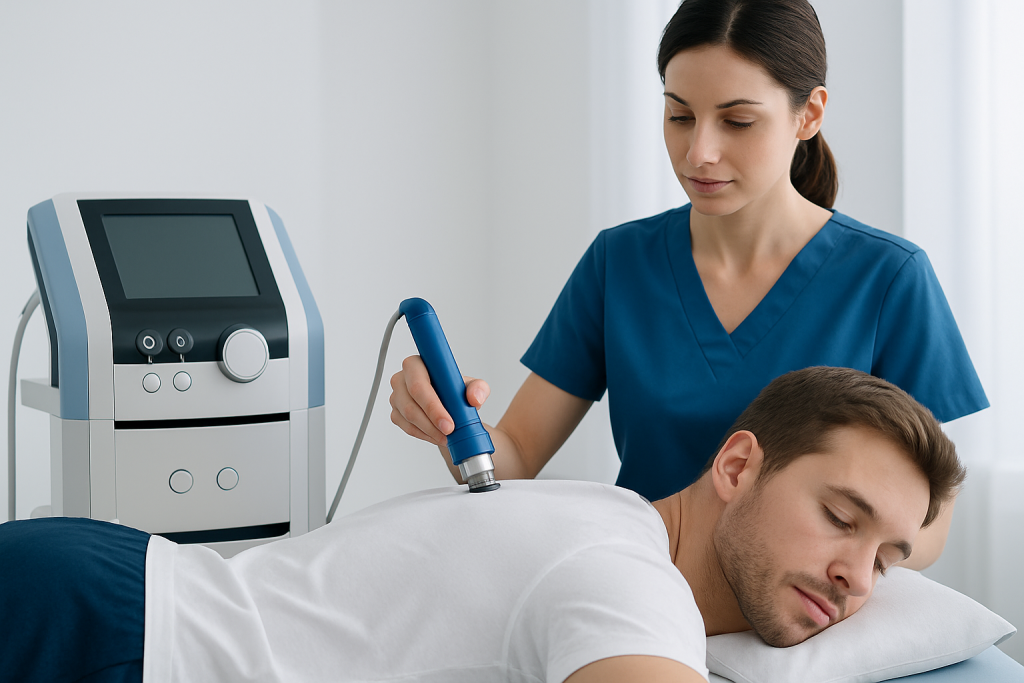
Myofascial pain syndrome involves painful, tight bands of muscle and trigger points that can cause local discomfort or referred pain in another area. It may develop after repetitive movements, muscle strain, poor ergonomics, injury, stress, reduced activity, sleep problems or another pain condition. Assessment also considers whether nerve, joint, spine or systemic conditions may be causing similar symptoms.
Most myofascial pain syndrome treatment plans are active and rehabilitation-focused. Physical therapy may include gentle stretching, gradual strengthening, posture and movement retraining, manual techniques and a home exercise plan. Heat or cold may offer short-term comfort for some people, while regular low-impact activity can help prevent stiffness and deconditioning.
When appropriate, a clinician may discuss pain-relieving medicines, short-term anti-inflammatory treatment, topical options or other treatments based on the person’s health history. Selected trigger points may be treated with needling techniques or injections, but these are generally used alongside movement rehabilitation rather than as a stand-alone solution. Persistent neck, back or limb pain may also require assessment by specialists in pain management.
MPS treatment guidelines for myofascial pain generally emphasize individualized care, identification of perpetuating factors and gradual return to normal activity. Rest alone is usually not the long-term answer; the most useful plan is one that allows muscles to move and recover safely without repeated overload.
Mucopolysaccharidosis Treatment: A Multidisciplinary Plan

Mucopolysaccharidoses are rare genetic disorders caused by reduced activity of enzymes that normally break down glycosaminoglycans. The resulting buildup can affect bones and joints, the airway, heart, hearing, vision, brain and spinal cord, liver, sleep, mobility and development. The type of MPS, its severity and the organs involved guide treatment decisions.
Some types of MPS can be managed with enzyme replacement therapy, in which a missing or reduced enzyme is given by infusion. This may help certain body-wide features in eligible patients, but the expected benefits vary by MPS type and may not fully address all complications, particularly those involving the central nervous system. Regular monitoring is needed to assess response and manage infusion-related reactions.
For selected patients and MPS types, hematopoietic stem cell transplantation may be considered, especially when started early and when the potential benefits outweigh the substantial risks. Other care may include airway and sleep assessment, cardiac follow-up, hearing and eye care, physical and occupational therapy, orthopedic management and treatment for spinal or neurological complications.
Genetic counseling can help families understand inheritance, testing options and the implications for relatives. Care is usually coordinated by metabolic and genetic specialists, with input from several disciplines as needs change over time.
Candidacy and What to Expect From Treatment
For myofascial pain syndrome, candidacy for specific treatment depends on the pain pattern, physical examination, duration of symptoms, functional limitations and possible underlying causes. A clinician may ask about work tasks, exercise, sleep, stress, injury, medications and symptoms such as numbness or weakness. Imaging or laboratory tests are not always needed, but they may be used when another condition is suspected.
A typical rehabilitation pathway starts with education about the pain pattern, a paced activity plan and targeted exercises. Sessions may then focus on improving flexibility, endurance, strength and movement habits. Trigger-point procedures, if advised, are usually performed in an outpatient setting after discussion of the expected benefit, alternatives and possible side effects.
For mucopolysaccharidoses, candidacy for enzyme therapy, transplantation or other interventions is determined through specialized evaluation. This can include genetic testing, enzyme testing, heart and lung assessment, sleep studies, neurological evaluation, hearing and vision testing and imaging when clinically indicated. Decisions are individualized and often reviewed by a multidisciplinary team.
Acibadem International’s multidisciplinary specialists and JCI-accredited hospitals can assess and treat MPS-related needs for international patients, coordinating rehabilitation, metabolic medicine and organ-specific care when appropriate.
Recovery Timeline, Benefits and Risks
With myofascial pain syndrome, some people notice early improvement after beginning gentle movement, sleep support and trigger-point care, while more established pain may need several weeks or longer of consistent rehabilitation. Recovery is rarely identical for every person. Progress is often measured by better sleep, increased daily activity, fewer pain flares and improved ability to work, exercise or perform household tasks.
Potential benefits of treatment include reduced muscle tenderness, improved range of motion, better confidence with movement and fewer episodes of pain. Symptoms can return when the original contributors remain, such as repetitive strain, inadequate recovery, untreated anxiety or sleep disturbance, poor workstation setup or sudden changes in training intensity. A maintenance plan can reduce this risk.
Risks depend on the treatment used. Exercise programs can temporarily increase soreness if progressed too quickly. Manual therapy may cause short-lived tenderness. Needling or injections can cause bruising, bleeding, infection, fainting or temporary worsening of pain, and rare complications depend on the body area treated. A qualified clinician should explain relevant risks before a procedure.
For mucopolysaccharidoses, treatment expectations are different: therapies may manage disease effects and preserve function, but ongoing monitoring remains important. Enzyme infusions can cause reactions, transplantation carries significant risks, and surgeries may need specialized anesthesia planning because airway and heart concerns can occur in some MPS types.
Does MPS Ever Go Away?
If MPS means myofascial pain syndrome, it can improve substantially and may settle for long periods, especially when contributing factors are addressed. Some people have recurring symptoms, particularly after overuse, inactivity, stress, poor sleep or an untreated mechanical problem. Long-term improvement is more likely when treatment includes self-management rather than relying only on passive therapies.
If MPS means mucopolysaccharidosis, it does not go away because it is a genetic condition. However, early diagnosis, planned monitoring and condition-specific treatment can help manage symptoms and complications. The outlook varies widely between the different types and even between individuals with the same type.
In either meaning of MPS, it is helpful to ask the treating clinician what diagnosis has been confirmed, what outcome is realistic and how progress will be monitored. Clear goals help patients and families take part in decisions about care.
Is There a Cure for MPS Disease?
There is currently no universal cure for mucopolysaccharidosis disease. Some therapies can address aspects of the underlying enzyme problem or reduce the impact of complications, but they do not have the same effect in every MPS type or in every part of the body. Research into new treatments continues, and eligibility for available approaches depends on the specific diagnosis.
Comprehensive care remains important even when disease-specific treatment is available. This may include rehabilitation for mobility and daily function, monitoring of the heart and breathing, hearing and vision support, orthopedic care, neurology input and educational or developmental support when needed.
Families should receive information from a metabolic genetics team rather than relying on general online descriptions. Genetic counseling can also clarify the diagnosis and help relatives discuss testing or family-planning questions.
Can Myofascial Pain Syndrome Be Cured? When to Seek Medical Care
Myofascial pain syndrome can often be effectively managed and may resolve, but clinicians do not usually promise a permanent cure. The best results commonly come from a personalized combination of gradual exercise, correction of contributing movement or workplace factors, sleep and stress support, and targeted symptom treatment when needed. A flare does not necessarily mean that damage has occurred; it may signal a need to adjust activity and recovery.
Medical assessment is advisable for pain that persists beyond a few weeks, repeatedly limits daily activities, disrupts sleep or does not improve with sensible self-care. A person should seek prompt medical care for pain after major trauma or when pain occurs with fever, unexplained weight loss, chest pain, severe headache, new weakness, numbness, loss of bladder or bowel control, marked swelling or other concerning symptoms.
Children or adults with suspected mucopolysaccharidosis should be referred promptly to a clinician experienced in genetics or metabolic disorders, particularly if there are developmental concerns, frequent ear or airway problems, joint stiffness, unusual skeletal changes, enlarged organs or a known family history. Earlier specialist assessment supports appropriate planning and monitoring.
Frequently asked questions
What is MPS therapy?
MPS therapy means different things depending on the diagnosis. For myofascial pain syndrome, it usually refers to rehabilitation, exercise-based care, trigger-point treatment and management of contributing factors. For mucopolysaccharidoses, it may include enzyme replacement therapy, transplant assessment and multidisciplinary care for complications.
What is the first-line MPS treatment for myofascial pain syndrome?
First-line care commonly includes a clinical assessment, gentle movement, stretching and strengthening, pacing of activities, and attention to sleep, posture or repetitive strain. The plan is individualized because persistent muscle pain can have several causes. Procedures and medications may be considered when conservative measures are insufficient or symptoms are severe.
How long does myofascial pain syndrome treatment take to work?
Some people feel improvement within days to weeks, particularly when symptoms are recent and contributing factors can be changed. Persistent or recurrent pain may take longer and often requires consistent home exercises and gradual activity progression. A clinician can reassess the diagnosis if treatment is not helping as expected.
Are trigger-point injections necessary for myofascial pain syndrome?
No. Trigger-point injections are not necessary for everyone and are usually one option within a broader rehabilitation plan. They may be considered when a clearly identified trigger point continues to limit movement or participation in therapy. The potential benefits and risks should be discussed with a qualified clinician.
Can enzyme replacement therapy cure mucopolysaccharidosis?
Enzyme replacement therapy does not cure mucopolysaccharidosis, but it may help manage certain disease features in eligible forms of MPS. Its effects vary according to the specific type of MPS and the organs involved. Ongoing specialist follow-up is still needed.
Can exercise make myofascial pain syndrome worse?
Exercise that is too intense, too sudden or poorly matched to current capacity can temporarily worsen symptoms. However, complete avoidance of movement can also contribute to stiffness and reduced muscle conditioning. A gradual, individualized program is generally safer and more sustainable.
References
- National Institute of Arthritis and Musculoskeletal and Skin Diseases
- National Organization for Rare Disorders
- National Institutes of Health Genetic and Rare Diseases Information Center
- Orphanet
- American College of Medical Genetics and Genomics
This article is for general information only and is not a substitute for professional medical advice. Please consult a qualified doctor about your individual situation.
Explore treatments in Turkey — costs, top hospitals & a free quote
JCI-accredited · board-certified surgeons · reply within 24h
Add us as a Preferred Source to see more of our trusted health content across Google Search, AI Overviews and Discover.

More from the Health Library



Related Specialists

Prof. Dr. Harzem Özger
Orthopedic Surgery & Traumatology
Dr. Zeynep Ekici Ljama
Anesthesiology
Dr. İlke Özer Aslan
Gynecology & Obstetrics
Fzt. Busenur Sezer
Physical Medicine & Rehabilitation