

Mtp Joint: A Complete Medical Overview

The MTP joint helps the toes bend and the foot push off during walking and running. Pain, swelling, stiffness, or a feeling of pressure under the forefoot can signal an MTP joint problem.
Key Takeaways
- The MTP joint helps the toes bend and the foot push off during walking and running.
- Pain, swelling, stiffness, or a feeling of pressure under the forefoot can signal an MTP joint problem.
- Common causes include overuse, arthritis, bunions, toe shape changes, injury, and poorly fitting shoes.
- Treatment often starts with rest, footwear changes, orthotics, and physical therapy before surgery is considered.
- Persistent pain, worsening swelling, deformity, or trouble bearing weight should be assessed by a doctor.
The MTP joint, or metatarsophalangeal joint, connects the long bones of the foot to the toes and plays a central role in walking, balance, and push-off. When this joint becomes irritated, stiff, inflamed, or unstable, it can cause pain in the ball of the foot or at the base of the toes, especially the big toe.
What Is the MTP Joint?
The MTP joint is the metatarsophalangeal joint, where each toe meets the foot. There are five MTP joints in each foot. The first MTP joint is at the base of the big toe, and it is especially important because it carries significant force during standing, walking, and running.
These joints allow the toes to bend upward and downward, helping the foot adapt to the ground and push the body forward. During a normal step, the MTP joints help distribute pressure across the forefoot. If one of these joints becomes painful or stiff, even simple activities such as walking barefoot, climbing stairs, or standing for long periods may become uncomfortable.
MTP joint problems are not a single disease. Instead, they describe a group of conditions affecting the joint surfaces, surrounding ligaments, tendons, soft tissues, and cushioning under the forefoot. Symptoms may involve the big toe alone or one or more of the smaller toes.
How MTP Joint Problems Feel
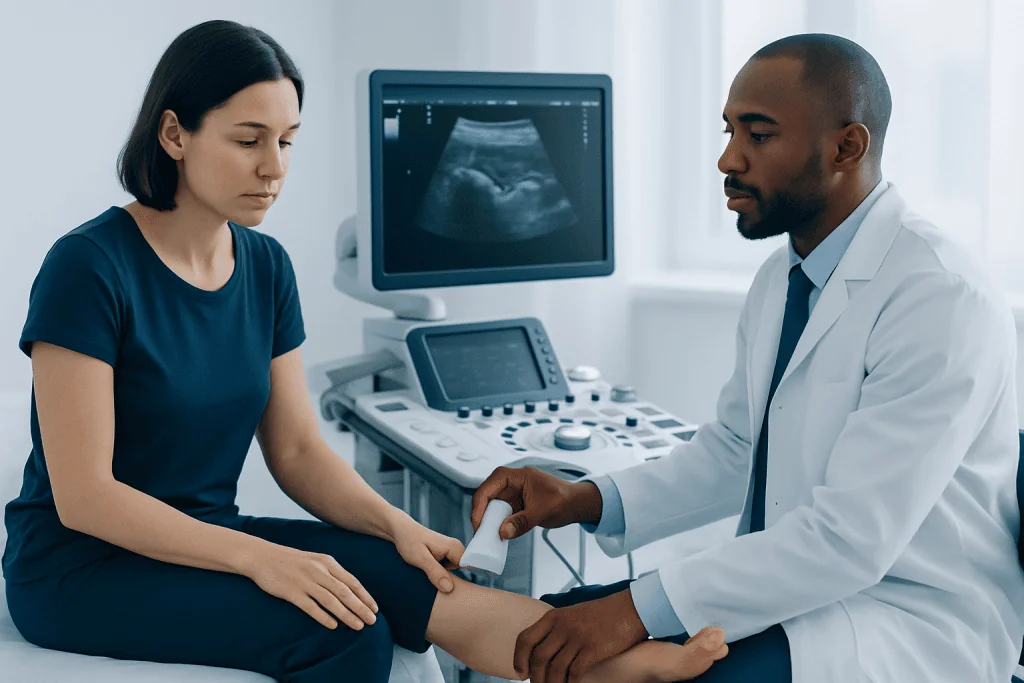
Symptoms depend on which joint is affected and what is causing the problem. Many people notice pain in the ball of the foot, tenderness at the base of a toe, or discomfort that becomes worse when walking, running, or wearing tight shoes. The first MTP joint, at the base of the big toe, may feel stiff during push-off or painful during exercise.
Swelling, redness, warmth, or a sensation of pressure under the forefoot can also occur. Some people describe feeling as if they are walking on a pebble. Others may notice reduced toe motion, joint clicking, or the feeling that a toe is drifting upward or no longer touching the ground normally.
Common symptoms include:
- Pain at the base of the big toe or smaller toes
- Forefoot pain that worsens with activity
- Swelling or visible enlargement of the joint
- Stiffness, especially in the big toe
- Difficulty bending the toe during walking
- Callus formation under the forefoot
- Tingling or irritation from pressure in shoes
Symptoms may develop gradually from repetitive strain, or they may start suddenly after an injury. In some cases, MTP joint pain is related to nearby conditions such as bunion deformity or inflammatory joint disease.
Common Causes and Risk Factors
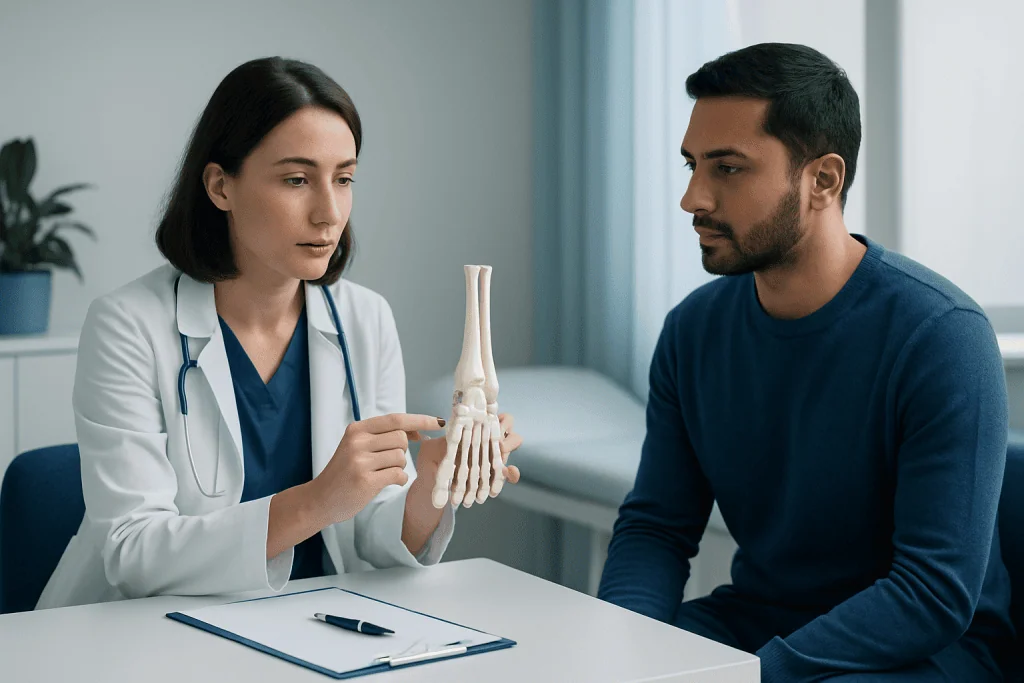
MTP joint pain can come from mechanical stress, inflammation, injury, or degeneration over time. One of the most common reasons is overload of the forefoot, particularly in people who spend long hours standing, run frequently, or wear shoes that concentrate pressure on the ball of the foot. High heels, narrow toe boxes, and shoes with inadequate support can all increase strain on these joints.
The big toe MTP joint is especially prone to arthritis and stiffness. This may happen with age-related wear, previous injury, or abnormal joint mechanics. The smaller MTP joints may become painful when the surrounding ligaments or the plantar plate, a supportive structure beneath the joint, are stretched or torn. Toe deformities such as hammertoe can also alter pressure patterns and lead to pain.
Other possible causes and contributors include:
- Osteoarthritis or inflammatory arthritis
- Overuse from sports or repetitive high-impact activity
- Bunions and other foot alignment problems
- Previous trauma, sprain, or fracture
- Flat feet or very high arches
- Excess body weight increasing forefoot load
- Gout attacks affecting the first MTP joint
- Diabetes-related changes in foot mechanics or sensation
Because several conditions can affect the same area, a careful assessment is important. Big toe pain may sometimes be related to osteoarthritis or to inflammation from crystal arthritis such as gout, while pain beneath the smaller toes may reflect instability or overload.
How Doctors Diagnose MTP Joint Conditions
Diagnosis begins with a medical history and foot examination. A doctor usually asks when the pain started, whether it is linked to activity or certain shoes, and whether there is stiffness, swelling, numbness, or a history of injury. The foot is then examined for tenderness, swelling, calluses, toe alignment, and range of motion.
Watching how a person stands and walks can provide important clues. The doctor may assess whether weight is shifting away from the painful joint, whether the big toe bends normally, and whether the smaller toes are stable. Certain physical tests help detect plantar plate injury, bunion-related irritation, or loss of cartilage in the joint.
Imaging is often useful when symptoms persist or when deformity is present. X-rays can show arthritis, bunions, fractures, or changes in alignment. Ultrasound or MRI may be recommended if a soft-tissue injury, plantar plate tear, or persistent inflammation is suspected. Blood tests are not always needed, but they may help when gout, infection, or inflammatory arthritis is a concern.
Treatment Options for MTP Joint Pain
Treatment depends on the cause, severity, and how much the symptoms affect daily life. Many MTP joint problems improve with conservative care. Rest from aggravating activities, ice, and short-term activity modification can help calm inflammation. Choosing footwear with a wider toe box, firmer sole, and good cushioning often reduces pressure on the forefoot.
Doctors may recommend orthotics, metatarsal pads, taping, or physical therapy to improve support and reduce strain on the joint. Stretching and strengthening exercises can help foot mechanics, while anti-inflammatory medicines may be used when appropriate under medical guidance. If the issue involves biomechanical overload, custom support may be especially helpful.
When symptoms continue despite these steps, more targeted treatment may be discussed. This can include guided injections in selected cases or surgery for structural problems, advanced arthritis, or instability that does not respond to nonsurgical care. Depending on the diagnosis, a specialist may consider procedures ranging from corrective forefoot surgery to foot and ankle surgery or broader orthopedic rehabilitation after treatment.
If MTP joint pain is caused by a bunion or severe first-joint deformity, managing the underlying structure is important rather than only treating the pain. In selected cases, patients may benefit from evaluation for bunion surgery when deformity and symptoms significantly interfere with walking or footwear.
Prevention and Self-Care
Not every MTP joint problem can be prevented, but simple foot-care habits can lower stress on the forefoot. Shoes are one of the most important factors. Footwear that allows enough room for the toes, supports the arch, and cushions impact can reduce irritation. Many people benefit from avoiding very high heels or narrow shoes for prolonged periods.
Activity habits also matter. Increasing running or exercise gradually gives the joints and soft tissues time to adapt. Maintaining flexibility in the calf muscles and strength in the foot and ankle may improve alignment and reduce overload at the front of the foot. People with known foot shape differences, such as flat feet or a bunion tendency, may benefit from earlier footwear advice or insoles.
Helpful self-care steps include:
- Wearing supportive, well-fitted shoes
- Using cushioned insoles or metatarsal pads if advised
- Reducing repetitive impact during flare-ups
- Applying ice after activity if the joint is swollen or sore
- Maintaining a healthy weight to reduce forefoot pressure
- Checking the feet regularly if there is diabetes or reduced sensation
Self-care is most effective when it matches the cause. Persistent symptoms should not be ignored, especially if there is progressive deformity or a change in walking pattern.
When to Seek Medical Care
Medical attention is appropriate if MTP joint pain lasts more than a few days, returns repeatedly, or begins to affect walking, exercise, work, or footwear choices. A doctor should also assess any visible deformity, increasing stiffness, or a toe that appears unstable or misaligned.
More urgent evaluation is important if there is severe swelling, marked redness, fever, inability to bear weight, sudden intense pain after an injury, or concern for infection or fracture. People with diabetes, poor circulation, or reduced feeling in the feet should seek care earlier because foot problems may progress without obvious warning signs.
Assessment can help distinguish simple overload from conditions that need more specific treatment, such as gout, advanced arthritis, ligament injury, or deformity. Near the end of the care pathway, if specialist treatment is needed, Acibadem International’s multidisciplinary specialists and JCI-accredited hospitals diagnose and treat foot and joint conditions for international patients.
Frequently asked questions
What does MTP joint mean?
MTP joint stands for metatarsophalangeal joint. It is the joint where a toe meets the foot, and it helps with balance, toe motion, and push-off during walking.
Why does the MTP joint hurt when walking?
Pain during walking often happens because the MTP joint carries body weight and bends with each step. Common reasons include overuse, arthritis, poor footwear, bunions, inflammation, or a soft-tissue injury around the joint.
Is big toe MTP joint pain the same as a bunion?
Not always. A bunion is a specific deformity affecting the base of the big toe, but MTP joint pain can also come from arthritis, gout, strain, or cartilage problems without a bunion being present.
Can MTP joint problems heal without surgery?
Yes, many MTP joint problems improve with nonsurgical treatment. Rest, shoe changes, orthotics, physical therapy, and treatment of the underlying cause are often effective, especially when symptoms are addressed early.
What kind of doctor treats MTP joint conditions?
Primary care doctors, orthopedic specialists, podiatrists, and foot and ankle surgeons may all treat MTP joint problems. The right specialist depends on whether the cause is mainly mechanical, inflammatory, traumatic, or related to a broader medical condition.
Can arthritis affect the MTP joint?
Yes, arthritis commonly affects the first MTP joint at the base of the big toe. It may cause stiffness, swelling, limited motion, and pain during walking, especially when pushing off the foot.
References
- American Academy of Orthopaedic Surgeons
- American Orthopaedic Foot & Ankle Society
- National Institute of Arthritis and Musculoskeletal and Skin Diseases
- MedlinePlus
- National Health Service
This article is for general information only and is not a substitute for professional medical advice. Please consult a qualified doctor about your individual situation.
Joint and spine care in Turkey — expert assessment & treatment
JCI-accredited · board-certified surgeons · reply within 24h
Add us as a Preferred Source to see more of our trusted health content across Google Search, AI Overviews and Discover.

More from the Health Library

Geneticist: What Patients Need to Know

Laxatives: A Complete Medical Overview

Pilon Fracture: A Complete Medical Overview

Muscle Weakness: What Patients Need to Know

Camellia Oil: A Complete Medical Overview

Benzoyl Peroxide Face Wash — Explained by Medical Evidence, Not Myths
Physical Medicine & Rehabilitation Specialists at Acibadem

Assoc. Prof. Dr. Ata Can
Orthopedic Surgery & Traumatology
Prof. Dr. Ata Can Atalar
Orthopedic Surgery & Traumatology
Fzt. Atahan Vardı
Physical Medicine & Rehabilitation
Fzt. Atilla Murat Ünver
Physical Medicine & Rehabilitation