Mua Surgery: Procedure, Recovery and Results

MUA surgery is most often used for significant knee stiffness that persists despite appropriate rehabilitation. The procedure does not remove scar tissue with an incision; it uses carefully controlled movement while anesthesia relaxes muscles and reduces pain.
Key Takeaways
- MUA surgery is most often used for significant knee stiffness that persists despite appropriate rehabilitation.
- The procedure does not remove scar tissue with an incision; it uses carefully controlled movement while anesthesia relaxes muscles and reduces pain.
- Early, consistent physiotherapy after MUA is central to maintaining the range of motion gained during the procedure.
- Many people can stand and walk with support on the day of or day after a knee MUA, depending on their overall health and treatment plan.
- Benefits must be balanced against uncommon but important risks, including fracture, tendon injury, bleeding and recurrent stiffness.
MUA surgery, or manipulation under anesthesia, is a procedure used to improve joint movement when scar tissue and stiffness limit recovery, most commonly after knee replacement or knee surgery. While the patient is asleep or sedated, an orthopedic surgeon gently moves the joint through a controlled range to help release adhesions, followed by prompt rehabilitation to preserve the improved motion.
Overview: What Is MUA Surgery?
MUA surgery means manipulation under anesthesia. It is a short orthopedic procedure intended to improve movement in a stiff joint, especially a knee. The surgeon moves the joint in a gradual, controlled way while the person is under general anesthesia or another suitable form of anesthesia, allowing muscles to relax and preventing pain during the manipulation.
It is commonly considered after knee replacement, ligament surgery, fracture treatment or other knee procedures when rehabilitation has not restored sufficient bending or straightening. Stiffness may develop because healing tissues form adhesions, often called scar tissue, which restrict normal gliding within and around the joint.
MUA is not the same as open surgery or arthroscopy. No large incision is generally needed for the manipulation itself. It is usually part of a broader plan that includes examination, imaging when needed, pain management and focused physiotherapy. For people recovering from joint replacement, it may be discussed alongside knee replacement surgery follow-up care.
How MUA Works and Who May Be a Candidate
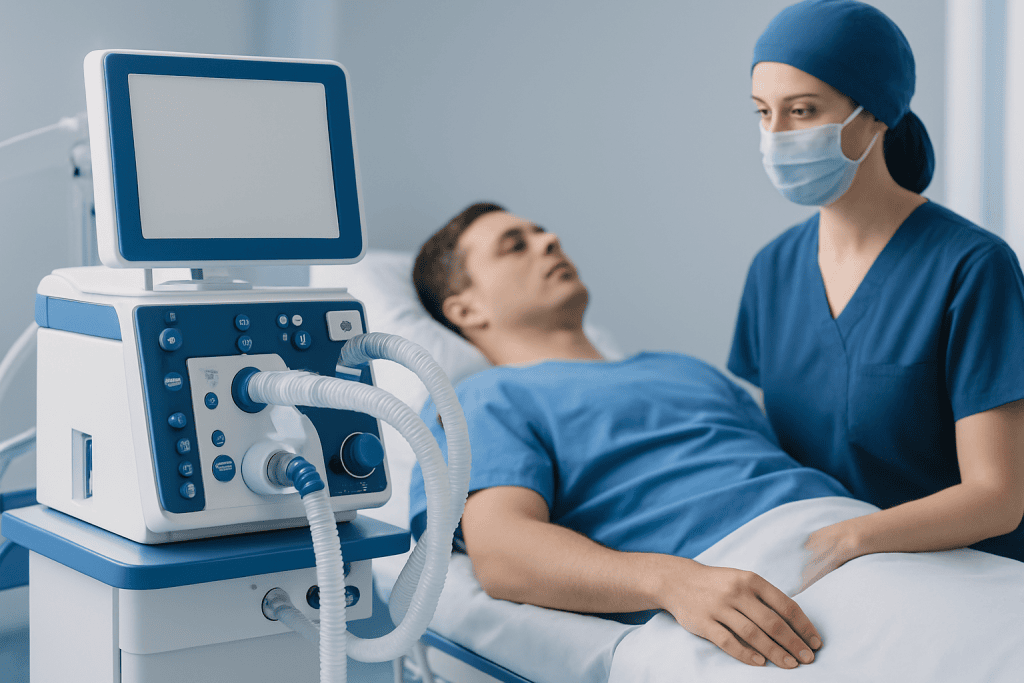
After an operation or injury, inflammation, swelling, pain and reduced activity can contribute to a cycle of stiffness. As tissues heal, adhesions can form and the joint capsule may tighten. During MUA surgery, the clinician applies measured force to move the joint beyond the limited range that has developed, with the aim of stretching tight tissues and disrupting restrictive adhesions.
A candidate usually has meaningful loss of motion that affects walking, sitting, stairs, self-care or rehabilitation progress. The treating team considers how much range has been lost, how long stiffness has been present, whether therapy has been completed consistently, and whether there is an identifiable cause that needs different treatment.
MUA may not be appropriate if stiffness is related to an untreated infection, an unstable implant, a poorly healed fracture, a blood clot concern, a mechanical problem requiring revision surgery, or certain severe bone conditions. Assessment is individualized. Before recommending MUA, the orthopedic surgeon may review surgical records, examine the knee, check imaging and consider blood tests or joint evaluation if infection is a possibility.
- Recent surgery or injury followed by persistent, function-limiting stiffness
- Limited improvement despite a structured rehabilitation program
- No evidence that infection or a mechanical complication is the main cause
- A person who can participate in rehabilitation promptly after the procedure
MUA Surgery Step by Step

Before the procedure, the anesthesia and orthopedic teams review medical history, medications, allergies and previous operations. Instructions about eating, drinking and medicines before anesthesia should be followed carefully. The team may measure the knee’s range of motion beforehand so that progress can be documented.
In the procedure area, anesthesia is given so the person is asleep or deeply sedated and the muscles around the joint can relax. The surgeon supports the leg and gradually bends and straightens the knee using controlled movements. The exact technique and amount of force are adjusted to the individual joint, prior surgery and bone quality. The goal is improved movement without causing injury.
Afterward, the person is monitored as anesthesia wears off. Some patients receive a nerve block or other pain-control plan to make early exercises more manageable. Physiotherapy may begin on the same day or very soon afterward. In selected cases, if there is concern that scar tissue needs direct treatment or another structural issue is present, the surgeon may recommend arthroscopy or a different procedure rather than MUA alone.
Recovery Timeline After a Knee MUA Procedure
Recovery after a knee MUA procedure starts immediately because the new range of movement needs to be protected through regular exercise and rehabilitation. The knee can feel sore, swollen and bruised for several days. Ice, elevation, prescribed pain relief and a plan from the rehabilitation team can help a person participate in early movement safely.
Many people can stand and walk with crutches, a walker or other support on the day of the procedure or the following day. Whether full weight bearing is appropriate depends on the original operation, the condition of the knee and the surgeon’s instructions. A person should not drive after anesthesia and should arrange help getting home.
In the first one to two weeks, therapy is often frequent and focuses on maintaining bending and straightening, reducing swelling, restoring quadriceps control and improving walking. The pace varies. Some people notice immediate improvement in motion, but soreness may temporarily make movement feel difficult. Consistent rehabilitation is more important than forcing painful exercises beyond the plan provided by the care team.
How long recovery takes depends on the reason for the MUA, the amount of stiffness, overall health and adherence to therapy. Functional recovery may continue over several weeks, while gains in flexibility and strength can develop over months. The care team monitors progress and adjusts therapy to reduce the chance that stiffness returns.
How Bad Is Pain After a MUA?
Pain after a MUA is usually described as moderate soreness, tightness or aching around the treated joint, particularly during the first few days and during rehabilitation exercises. Swelling and bruising can also occur. The experience differs from person to person and is influenced by the underlying surgery, existing pain level, extent of stiffness and individual sensitivity to pain.
The clinical team commonly uses a multimodal approach to pain control, which may include prescribed medicines, ice, elevation and, in some cases, a regional nerve block. Adequate pain relief matters because it can help the person move the knee and take part in physiotherapy without avoiding necessary activity.
Severe or worsening pain, marked swelling, new numbness, fever, wound drainage after a recent surgery, calf pain or sudden shortness of breath should be assessed promptly. These symptoms do not necessarily mean a serious complication, but they should not be managed by increasing activity or medication without clinical advice.
What Is the Success Rate of MUA Surgery?
There is no single success rate for MUA surgery because studies use different definitions of success, include different knee conditions and assess outcomes at different times. In general, many carefully selected patients gain meaningful range of motion after a knee MUA, particularly when the procedure is performed during an appropriate recovery window and is followed by committed rehabilitation.
Success is not measured only by the number of degrees a knee bends. It also includes whether the person can walk more comfortably, rise from a chair, use stairs, sleep better and return to everyday activities. Some people achieve a substantial improvement, while others have a smaller gain or develop recurrent stiffness despite appropriate care.
Earlier evaluation of troublesome stiffness may offer more treatment options, but timing must be individualized. The surgeon considers healing of the original tissues, implant status, infection risk and the pattern of lost motion. If MUA does not provide enough improvement, the next steps may include further rehabilitation, additional investigation, arthroscopic scar-tissue release or revision treatment for an identified mechanical problem.
Benefits, Risks and When to Seek Medical Care
The potential benefit of MUA surgery is improved joint mobility without an open incision. Better movement may make rehabilitation more effective and support daily activities. However, MUA is a procedure performed under anesthesia and has risks. Although complications are uncommon, they can include fracture, tendon or ligament injury, bleeding into the joint, wound problems after recent surgery, nerve injury, anesthesia-related complications and stiffness returning.
A person should contact the treating team promptly for increasing redness, warmth, drainage, fever, worsening swelling, pain that is not controlled by the agreed plan, or difficulty moving the foot. Urgent medical care is needed for chest pain, shortness of breath, coughing blood, fainting, or symptoms suggesting a severe allergic reaction. These symptoms require assessment regardless of whether they occur after MUA or another knee procedure.
For international patients, Acibadem International’s multidisciplinary orthopedic, anesthesia and rehabilitation specialists at JCI-accredited hospitals can assess knee stiffness and coordinate treatment plans. Depending on the cause of reduced motion, a specialist may also discuss physical therapy and rehabilitation or other orthopedic options rather than MUA alone.
Frequently asked questions
How long after MUA can I walk?
Many people can stand and walk with a walker, crutches or another support on the day of the procedure or the next day. The exact plan depends on the underlying knee condition and the surgeon's instructions. Early walking and exercises are often encouraged because they can help preserve motion, but activity should progress at the pace advised by the rehabilitation team.
How long does it take to recover from a knee MUA procedure?
Initial soreness and swelling often improve over several days to a few weeks, while rehabilitation begins immediately or very soon after the procedure. Everyday walking may improve within weeks, but continued gains in flexibility, strength and function can take several months. Recovery is influenced by the original surgery, severity and duration of stiffness, and consistency with physiotherapy.
Is MUA surgery painful during the procedure?
No. Anesthesia or deep sedation is used so that the person does not feel the manipulation itself. Soreness, swelling and stiffness can occur once the anesthesia wears off, and the care team provides a pain-management plan to support early rehabilitation.
Is MUA surgery the same as arthroscopy?
No. MUA uses controlled movement of the joint under anesthesia and typically does not involve an incision into the joint. Arthroscopy uses a small camera and surgical instruments inserted through small cuts, allowing the surgeon to see and treat structures inside the joint. In some situations, arthroscopy may be considered if MUA alone is unlikely to address the cause of stiffness.
Can knee stiffness return after MUA?
Yes, stiffness can return, particularly if pain, swelling, scar-tissue formation or another underlying problem limits rehabilitation. This is why early and consistent physiotherapy is an essential part of treatment. The orthopedic team may reassess the joint if progress stalls or range of motion decreases again.
When should someone consider MUA after knee surgery?
MUA may be considered when knee movement remains significantly limited despite an appropriate rehabilitation program and the limitation affects function. The decision should be made by an orthopedic surgeon after assessing healing, imaging where needed, infection risk and possible mechanical causes of stiffness. It is not a routine procedure for every person with a slow recovery.
References
- American Academy of Orthopaedic Surgeons
- American Association of Hip and Knee Surgeons
- National Institute of Arthritis and Musculoskeletal and Skin Diseases
- National Health Service
- OrthoInfo
This article is for general information only and is not a substitute for professional medical advice. Please consult a qualified doctor about your individual situation.
Joint and spine care in Turkey — expert assessment & treatment
JCI-accredited · board-certified surgeons · reply within 24h