Mumps: A Complete Medical Overview

Mumps is caused by a virus and spreads through respiratory droplets and close contact. Common signs include swollen salivary glands, fever, headache, muscle aches, and tiredness.
Key Takeaways
- Mumps is caused by a virus and spreads through respiratory droplets and close contact.
- Common signs include swollen salivary glands, fever, headache, muscle aches, and tiredness.
- There is no specific cure for mumps; treatment focuses on relieving symptoms and preventing dehydration.
- Vaccination is the most effective protection against mumps.
- Medical review is important if severe pain, breathing difficulty, dehydration, or signs of complications develop.
Mumps is a contagious viral infection best known for causing painful swelling of the salivary glands, especially near the cheeks and jaw. Most people recover with rest and supportive care, while vaccination remains the most effective way to prevent mumps and its complications.
Overview
Mumps is a viral infection that mainly affects the salivary glands, especially the parotid glands located just below and in front of the ears. The condition often causes swelling on one or both sides of the face, creating the classic “puffy cheeks” appearance. Although it is often thought of as a childhood illness, mumps can affect adolescents and adults as well, particularly if they have not been fully vaccinated.
The virus spreads from person to person through respiratory droplets, saliva, and close contact. Outbreaks can occur in households, schools, universities, and other places where people spend time in close quarters. Symptoms may be mild in some people, while others develop more noticeable gland swelling, fever, and fatigue.
Many people recover completely within a couple of weeks, but mumps can sometimes lead to complications. These may involve the testicles, ovaries, pancreas, or the tissues around the brain and spinal cord. For this reason, timely diagnosis, supportive care, and attention to warning signs remain important even though the illness is often self-limited.
Symptoms and how mumps may feel
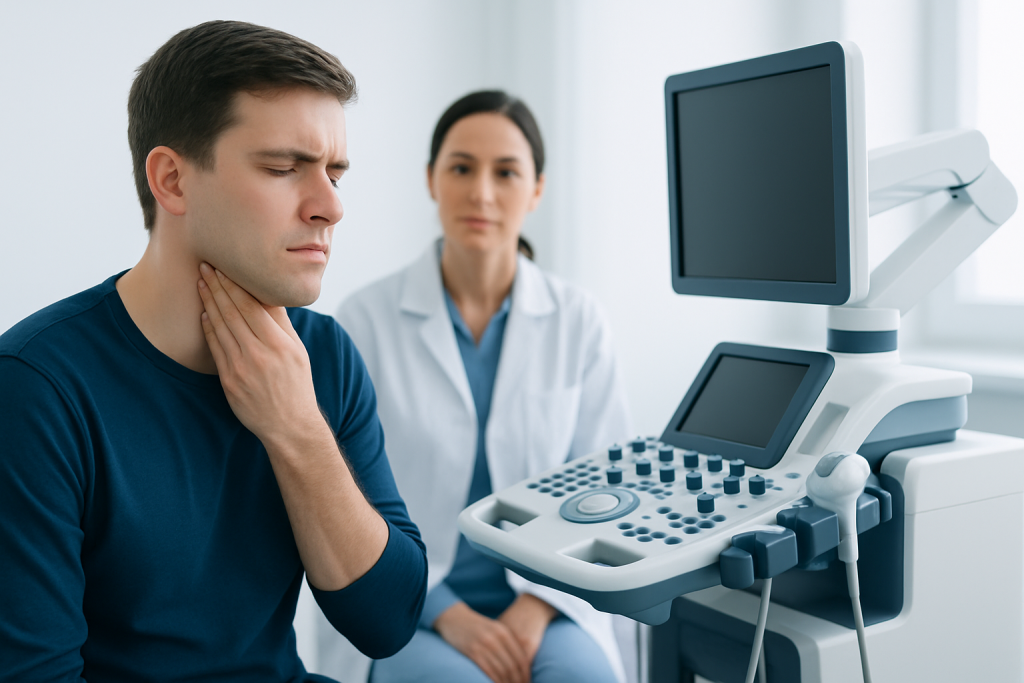
Mumps symptoms do not always appear immediately after exposure. After the virus enters the body, there is usually an incubation period of about two to three weeks before symptoms begin. Some people have very mild symptoms or no obvious symptoms at all, but they may still spread the infection to others.
The most familiar symptom is swelling of the salivary glands, especially the parotid glands. This swelling can cause tenderness near the jaw, pain when chewing or swallowing, and discomfort that may worsen with sour foods or drinks. Swelling may affect one side first and then involve the other side.
Other common symptoms include:
- Fever
- Headache
- Muscle aches
- Tiredness or general weakness
- Loss of appetite
- Pain around the ears or jaw
- Mild sore throat
In some cases, mumps may resemble other causes of gland swelling or viral illness. Conditions such as influenza or other viral infections can also cause fever and body aches, which is why a medical assessment can be helpful when the diagnosis is uncertain.
Causes, spread, and risk factors

Mumps is caused by the mumps virus, a member of the paramyxovirus family. It spreads through droplets released when an infected person coughs, sneezes, talks, or shares items such as cups and utensils. The virus can also spread through direct contact with saliva or contaminated surfaces, especially if hands are not washed before touching the face.
A person with mumps is typically contagious before the salivary glands visibly swell and remains contagious for several days afterward. This means transmission can happen before the diagnosis is obvious. Isolation during the contagious period helps reduce spread to family members, classmates, or coworkers.
Risk factors for mumps include not being vaccinated, incomplete vaccination, close contact in crowded settings, and travel to places where outbreaks are occurring. While vaccination greatly reduces the risk, no vaccine offers perfect protection, so occasional breakthrough infections can still happen, usually with milder symptoms.
People who are pregnant, immunocompromised, or living in group settings may need more careful medical advice after exposure. If there is concern about another infectious illness with overlapping symptoms, a clinician may also consider related evaluations such as measles or other viral conditions depending on the clinical picture.
Diagnosis
Doctors often suspect mumps based on the combination of facial swelling, fever, and recent exposure history. A physical examination may show enlarged, tender salivary glands and discomfort around the jawline. The doctor will also ask about vaccination status, contact with anyone who has had mumps, and the timing of symptoms.
Because other infections and noninfectious conditions can also cause swollen glands, laboratory testing may be recommended. This may include a swab from the cheek or throat, blood tests, or other samples to confirm the virus. Testing can be especially helpful during outbreaks, in adults with unusual symptoms, or when public health tracking is needed.
In some patients, imaging is not necessary. However, if symptoms are atypical or there is concern about another problem affecting the salivary glands, a doctor may recommend an MRI scan or other imaging studies to better understand the cause of swelling. Diagnosis should always be interpreted together with symptoms and examination findings.
Assessment may also include checking for signs of complications such as testicular pain, abdominal pain, dehydration, or neurological symptoms. Early recognition of complications helps guide monitoring and supportive treatment.
Treatment options and supportive care
There is no specific antiviral cure for mumps in most routine cases. Treatment is mainly supportive, meaning it focuses on helping the body recover while relieving discomfort. Rest, good fluid intake, soft foods, and pain relief measures are the mainstays of care.
At home, people with mumps are often advised to drink enough water, avoid acidic foods that increase salivary pain, and use cool or warm compresses over swollen glands if these feel soothing. Over-the-counter pain relievers may help reduce fever and discomfort when used as directed by a healthcare professional. Children and teenagers should be managed carefully according to age-appropriate medical advice.
If complications develop, treatment becomes more individualized. For example, significant dehydration may require medical supervision, and severe pain or concerns about the brain, pancreas, or reproductive organs may need specialist evaluation. In some situations, hospital-based care may be appropriate for monitoring and symptom control.
When symptoms are severe, persistent, or linked to complications, doctors may involve specialists in infectious diseases, pediatrics, internal medicine, or neurology. If a patient develops concerning neurological symptoms, evaluation can include specialist review and imaging such as brain MRI when clinically indicated.
Prevention and self-care
The best protection against mumps is vaccination, usually given as part of the measles, mumps, and rubella (MMR) vaccine schedule. Vaccination not only lowers the chance of infection but also reduces the risk of severe illness and complications. People who are unsure of their vaccination history should ask a healthcare professional whether they need review or catch-up vaccination.
Simple infection-control measures also help reduce spread. These include covering coughs and sneezes, washing hands regularly, not sharing drinks or utensils, and staying home while contagious. If mumps is suspected, limiting close contact with others is an important step to protect vulnerable people.
Self-care during recovery centers on comfort and hydration. Soft foods such as yogurt, soup, mashed vegetables, or smoothies may be easier to tolerate if chewing is painful. Adequate rest supports recovery, and avoiding strenuous activity may be helpful, especially if there is gland pain or general fatigue.
Prevention also includes paying attention to community or travel-related outbreak advice. Schools, workplaces, and public health services may issue recommendations on exclusion periods, testing, and return to daily activities after infection.
When to seek medical care
A doctor should assess suspected mumps if there is facial swelling with fever, known exposure to mumps, or uncertainty about the cause of symptoms. Medical advice is particularly important for infants, pregnant people, older adults, and anyone with a weakened immune system. Prompt review also helps confirm the diagnosis and reduce spread to others.
Urgent medical care is needed if there are warning signs such as difficulty breathing, severe dehydration, worsening confusion, seizures, intense headache, stiff neck, severe abdominal pain, or marked swelling and pain in the testicles. These symptoms may suggest complications that need rapid evaluation.
If swollen glands are not improving, recur frequently, or seem unrelated to infection, doctors may investigate other salivary gland conditions. Depending on the symptoms, this may include evaluation by specialists and additional imaging or laboratory tests. For international patients who need coordinated assessment, Acibadem International’s multidisciplinary specialists and JCI-accredited hospitals diagnose and treat conditions related to infectious and glandular disease.
Frequently asked questions
What is mumps?
Mumps is a contagious viral infection that commonly affects the salivary glands, especially the parotid glands near the jaw and ears. It often causes facial swelling, fever, headache, and tiredness. Most people recover with supportive care.
How does mumps spread?
Mumps spreads through respiratory droplets and saliva from an infected person. It can pass through coughing, sneezing, talking, or sharing cups and utensils. Close contact in households, schools, and dormitories can make spread more likely.
How long does mumps last?
Many people start to feel better within about one to two weeks. Swelling of the glands often peaks over a few days and then gradually improves. Fatigue may linger a little longer in some cases.
Can adults get mumps?
Yes, adults can get mumps, especially if they were not vaccinated or did not complete vaccination. Adults may experience more discomfort and may be at higher risk of certain complications than young children. For that reason, medical advice is helpful if symptoms appear.
Is there a cure for mumps?
There is no specific cure that directly eliminates the virus in routine cases. Treatment focuses on rest, fluids, pain relief, and monitoring for complications. A doctor may recommend further care if symptoms are severe or unusual.
Does the mumps vaccine prevent infection completely?
The mumps vaccine greatly lowers the risk of infection and severe illness, but it does not guarantee complete protection in every person. Some vaccinated people can still develop mumps, although symptoms are often milder. Vaccination remains the most effective prevention method.
When should someone stay home if they have mumps?
A person with suspected or confirmed mumps should stay away from school, work, and close-contact settings while contagious, based on medical and public health advice. This helps protect others and limit outbreaks. A doctor or local health authority can advise when it is safer to return.
This article is for general information only and is not a substitute for professional medical advice. Please consult a qualified doctor about your individual situation.
Mumps in Turkey — costs, top hospitals & a free quote
JCI-accredited · board-certified surgeons · reply within 24h
Add us as a Preferred Source to see more of our trusted health content across Google Search, AI Overviews and Discover.

More from the Health Library

Ophthalmology: A Complete Medical Overview

Moisturizers for Kp: What Patients Need to Know

Loss of Taste — Explained by Medical Evidence, Not Myths

Athazagoraphobia — Explained by Medical Evidence, Not Myths

Slimy Bloody Poop: A Complete Medical Overview