Muscle Flutter in Stomach: A Complete Medical Overview

A muscle flutter in stomach can come from the abdominal wall muscles, the digestive tract, or nearby structures. Common triggers include stress, fatigue, caffeine, dehydration, gas, and temporary muscle irritation.
Key Takeaways
- A muscle flutter in stomach can come from the abdominal wall muscles, the digestive tract, or nearby structures.
- Common triggers include stress, fatigue, caffeine, dehydration, gas, and temporary muscle irritation.
- Warning signs include severe pain, vomiting, weight loss, blood in stool, fever, or a visible enlarging bulge.
- Diagnosis depends on the pattern of symptoms and may include physical examination, blood tests, imaging, or digestive evaluation.
- Self-care may help mild episodes, but persistent or worrying symptoms should be discussed with a doctor.
Muscle flutter in stomach usually describes a brief twitching, pulsing, or vibration sensation in the abdomen. In many cases it relates to normal muscle activity, stress, digestive movement, or minor irritation, but recurrent, painful, or unexplained symptoms may need medical evaluation.
Overview: what a muscle flutter in stomach usually means
A muscle flutter in stomach is a common way people describe a brief twitching, vibrating, pulsing, or jumping feeling in the abdomen. This sensation is often harmless and may come from the abdominal muscles, normal movement in the intestines, or temporary irritation caused by stress, caffeine, gas, or overuse of the core muscles. In many people, the feeling passes on its own and does not point to a serious illness.
The word “stomach” is often used loosely, even when the sensation is lower or off to one side of the abdomen. For that reason, doctors try to clarify exactly where the fluttering is felt, how long it lasts, whether it can be seen from the outside, and whether it happens with pain, bloating, nausea, or bowel changes. This helps separate a true muscle twitch from digestive activity, blood vessel pulsation, or a hernia-related sensation.
Most occasional episodes are related to body mechanics or the digestive system rather than a disease of the stomach itself. Still, if the symptom is frequent, keeps returning, interrupts sleep, or comes with red-flag features such as severe pain or vomiting, medical advice is appropriate. The goal is not only to rule out important causes but also to guide practical relief.
How the sensation can feel
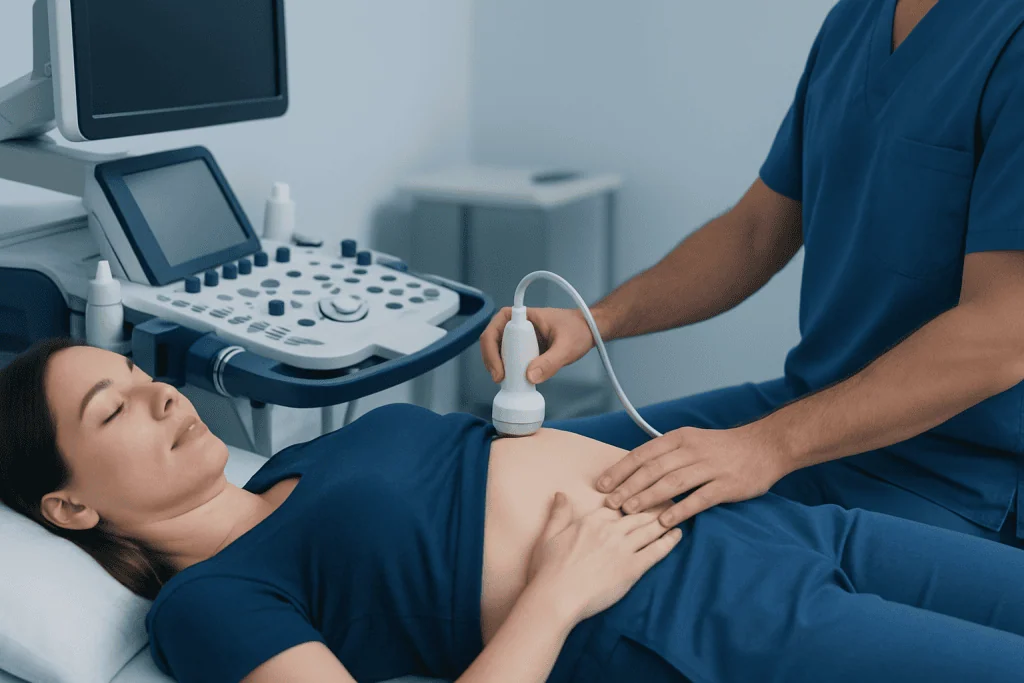
People describe abdominal fluttering in different ways. Some feel a rapid, localized twitch under the skin, similar to an eyelid spasm. Others notice a rolling movement, bubbling, or vibration deep inside the abdomen. The feeling may last a few seconds, come and go through the day, or appear after meals, exercise, coughing, or periods of anxiety.
When the source is the abdominal wall, the movement may be easier to pinpoint with a fingertip, and it may change when the person tightens the muscles, stretches, or changes posture. When the source is more likely digestive, the flutter can be accompanied by bloating, belching, passing gas, or changes in bowel habits. Some patients notice it more when lying still, because quiet surroundings make normal internal sensations more noticeable.
It is also helpful to note what the flutter is not. A true muscle flutter in stomach is different from constant chest palpitations, severe cramping pain, or a steadily enlarging lump. If the symptom is hard to distinguish from upper abdominal discomfort related to acid reflux or indigestion, a doctor may also consider conditions such as gastritis as part of the broader digestive assessment.
Common causes and contributing factors

Many abdominal flutters are caused by benign muscle fasciculations, which are small involuntary contractions of muscle fibers. These can be triggered by fatigue, strenuous exercise, sudden twisting movements, coughing, stress, poor sleep, dehydration, or too much caffeine. Low mineral intake may also play a role in some cases, although symptoms alone cannot confirm this.
Digestive activity is another frequent explanation. Gas moving through the intestines, temporary bowel spasms, constipation, food intolerance, or irritation after a heavy meal can create sensations that people interpret as muscle twitching. Some disorders of gut sensitivity and motility, such as irritable bowel syndrome, can also cause intermittent abdominal discomfort, bloating, and unusual internal movement sensations.
Less commonly, fluttering may be linked to a small hernia, irritation of a nerve supplying the abdominal wall, medication side effects, or involuntary muscle activity related to a neurological condition. Rare but important causes may be considered if symptoms are persistent or atypical. For example, a visible or palpable bulge that becomes more obvious when coughing can raise concern for hernia.
- Stress and anxiety
- Core muscle strain or overuse
- Dehydration or excess caffeine
- Gas, bloating, constipation, or bowel spasms
- Postural strain or prolonged sitting
- Medication effects in some individuals
Associated symptoms and what they may suggest
A simple isolated flutter with no other symptoms is often less concerning than a flutter linked to pain or digestive upset. Mild bloating, temporary fullness, or gas may suggest that the intestines rather than the stomach muscle itself are involved. If the person recently exercised, lifted something heavy, or had a coughing illness, a muscle spasm or abdominal wall strain becomes more likely.
Symptoms that deserve closer attention include ongoing abdominal pain, fever, vomiting, difficulty eating, unexplained weight loss, blood in the stool, black stool, or a new abdominal lump. A flutter that occurs with diarrhea, urgency, or relief after bowel movements may point toward a functional bowel problem, while burning upper abdominal discomfort after meals may suggest an acid-related condition.
Some people worry that abdominal fluttering always reflects a heart or vascular problem. That is not usually the case, especially when the sensation is clearly in the abdominal wall or linked to meals or movement. However, a strong pounding pulse in the abdomen, especially in an older person or someone with vascular risk factors, should be assessed promptly rather than assumed to be a muscle twitch.
How doctors diagnose the cause
Diagnosis starts with a careful history. A doctor will usually ask when the flutter began, how often it happens, where it is felt, whether it can be seen, and what makes it better or worse. They may ask about exercise habits, bowel changes, stress, caffeine use, medications, menstrual history if relevant, and any associated symptoms such as pain, nausea, or appetite loss.
The physical examination helps distinguish between an abdominal wall problem and a deeper digestive issue. The doctor may examine the abdomen while the person is lying down and again while coughing or tightening the muscles. If a hernia, mass, or marked tenderness is suspected, imaging may be recommended. Blood tests may be used when infection, inflammation, anemia, dehydration, or metabolic causes are considered.
Further testing depends on the clinical picture. An ultrasound can be useful for soft tissue or hernia concerns, while digestive symptoms may lead to stool studies, breath testing, or endoscopic evaluation. In selected cases, a specialist may advise endoscopy to assess the upper digestive tract, or colonoscopy if lower bowel symptoms or bleeding are present. Imaging such as MRI is not routine for simple twitching but may be used when a more complex abdominal wall or neurological cause is suspected.
Treatment options and symptom relief
Treatment depends on the underlying cause rather than the sensation alone. If the flutter appears to be a mild muscle spasm, rest, hydration, stretching, heat, and reducing strenuous core activity for a short time may be enough. When stress is a major trigger, improving sleep, lowering caffeine intake, and using relaxation techniques can reduce the frequency of twitching.
If digestive factors are involved, treatment may focus on regular meals, adequate fluid intake, avoiding personal food triggers, and addressing constipation or gas. For patients with frequent bloating, bowel irregularity, or upper abdominal discomfort, doctors may suggest a stepwise digestive evaluation and a tailored management plan rather than assuming the symptom is “just stress.”
When a specific condition is found, treatment is directed accordingly. A hernia may need monitoring or repair, medication side effects may require review, and inflammatory or acid-related digestive disorders may need medical therapy. If symptoms are difficult to explain or persist despite basic measures, referral to a gastroenterologist, general surgeon, or neurologist may be appropriate. Near the end of the diagnostic pathway, some patients choose centers such as Acibadem International, where multidisciplinary specialists in JCI-accredited hospitals evaluate abdominal and digestive symptoms for international patients.
Prevention, self-care, and when to seek medical care
For occasional mild episodes, simple habits may help prevent recurrence. Staying hydrated, moderating caffeine, warming up before exercise, avoiding sudden heavy lifting, and maintaining regular bowel habits can all be useful. Many people also benefit from managing stress, since anxiety can increase awareness of normal body sensations and may trigger muscle tension or digestive spasms.
Keeping a short symptom diary can also help. It is useful to note when the flutter happens, what was eaten beforehand, recent exercise, stress level, bowel pattern, and whether there was pain or visible movement. This information can make medical visits more efficient and may reveal patterns that are otherwise easy to miss.
Medical care should be sought if the flutter is persistent, increasingly frequent, painful, associated with a lump, or accompanied by vomiting, fever, fainting, unexplained weight loss, blood in the stool, black stools, chest symptoms, or severe abdominal swelling. Even when the cause is ultimately benign, a proper assessment can provide reassurance and ensure that important conditions are not overlooked.
Frequently asked questions
Is muscle flutter in stomach usually serious?
Most cases are not serious and are related to temporary muscle twitching, stress, gas, or digestive movement. However, persistent symptoms or fluttering with pain, vomiting, weight loss, or blood in the stool should be checked by a doctor.
Can anxiety cause a fluttering feeling in the abdomen?
Yes. Anxiety can increase muscle tension, change gut motility, and make normal internal sensations more noticeable. This can create a fluttering, vibrating, or twitching feeling in the abdomen.
What is the difference between stomach fluttering and a hernia?
A muscle flutter is usually a brief moving sensation without a lasting bulge. A hernia more often causes a lump or pressure that becomes more noticeable when coughing, straining, or standing, and it should be medically assessed.
Can digestive problems cause a sensation like muscle twitching?
Yes. Gas, bowel spasms, constipation, bloating, and conditions affecting gut sensitivity can all feel like twitching or fluttering. The abdomen contains many moving structures, so digestive activity is a common explanation.
How is muscle flutter in stomach diagnosed?
Doctors begin with a symptom history and physical examination. If needed, they may order blood tests, ultrasound, digestive tests, or endoscopic procedures depending on where the sensation is felt and what other symptoms are present.
What can help relieve abdominal fluttering at home?
Helpful steps may include rest, hydration, reducing caffeine, gentle stretching, stress management, and avoiding heavy meals or personal food triggers. Home care is most appropriate when symptoms are mild, brief, and not linked to warning signs.
References
- National Institute of Diabetes and Digestive and Kidney Diseases
- American College of Gastroenterology
- Mayo Clinic
- MedlinePlus
- National Health Service
This article is for general information only and is not a substitute for professional medical advice. Please consult a qualified doctor about your individual situation.
Persistent digestive symptoms? Get evaluated in Turkey
JCI-accredited · board-certified surgeons · reply within 24h
Add us as a Preferred Source to see more of our trusted health content across Google Search, AI Overviews and Discover.