Myths About Pediatric Care: Facts Every Parent Should Know

Regular pediatric visits are important even when a child seems healthy. Vaccines are a safe and effective part of routine pediatric care.
Key Takeaways
- Regular pediatric visits are important even when a child seems healthy.
- Vaccines are a safe and effective part of routine pediatric care.
- Not every fever or cough is an emergency, but warning signs should not be ignored.
- Antibiotics do not treat viral infections such as most colds and flu-like illnesses.
- Growth, behavior, sleep, and development are key parts of pediatric care, not just illness treatment.
Many common beliefs about children’s health are based on outdated information or misunderstanding. Knowing the facts about pediatric care can help parents make safer, calmer, and more confident decisions for their child.
Overview: Why Pediatric Care Myths Matter
Parents often receive advice from many places, including relatives, friends, social media, and online forums. While some of this advice can be helpful, some common beliefs about children’s health are inaccurate or incomplete. Pediatric care myths may lead families to delay medical visits, use unproven remedies, or worry unnecessarily about normal childhood development.
Pediatric care is not only about treating illness. It also includes preventive care, growth monitoring, developmental screening, vaccinations, nutrition guidance, and emotional well-being. Children are not simply “small adults”; their bodies and needs change quickly as they grow, so health decisions should be based on age-appropriate medical advice.
Understanding the facts can help parents feel more confident. In most cases, the goal is not to react to every symptom with alarm, but to recognize what is normal, what can be managed at home, and what deserves prompt medical attention from a qualified pediatrician.
Myth 1: A Child Only Needs a Doctor When Sick
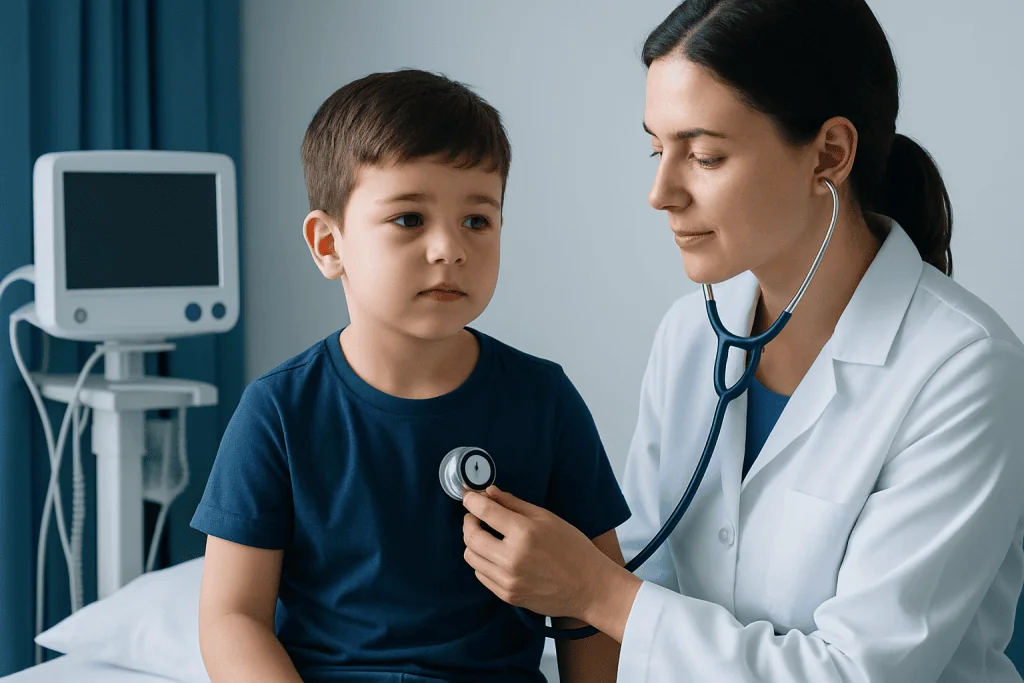
One of the most common misunderstandings is that pediatric visits are only necessary when a child has a fever, cough, or other obvious illness. In reality, routine well-child visits are a central part of pediatric care. These appointments help track growth, hearing, vision, development, sleep habits, and nutrition, even when a child appears completely healthy.
Preventive visits also give parents a chance to ask questions about feeding, toilet training, school readiness, behavior, and emotional health. Some conditions do not cause early symptoms but can still be identified through regular screening. These may include developmental delays, hearing problems, blood pressure issues, or growth concerns.
Regular checkups support a long-term relationship between the family and the pediatric team. This can make future care easier and more personalized, because the doctor already understands the child’s medical history, development, and family concerns.
- Well-child visits monitor growth and milestones.
- Routine care supports vaccination schedules.
- Screening can detect problems before symptoms become obvious.
- Parents can discuss sleep, feeding, behavior, and school concerns.
Myth 2: Vaccines Are Optional If a Child Looks Healthy

A healthy appearance does not protect a child from infectious diseases. Vaccines help the immune system recognize and fight specific illnesses before a child is exposed to them. This protection is important because some infections can become serious quickly, especially in infants, young children, and children with certain health conditions.
Routine childhood vaccines are carefully studied for safety and effectiveness. Mild reactions such as brief soreness, redness at the injection site, or a low fever can happen, but serious reactions are uncommon. Pediatricians assess each child’s health history and guide families on the recommended schedule.
Vaccination also helps protect other people in the community, including newborns, older adults, and those with weakened immune systems. Parents who have questions about vaccine timing, side effects, or catch-up schedules should discuss them openly with their child’s doctor rather than relying on myths or misinformation.
Myth 3: Fever Always Means Something Serious
Fever is one of the symptoms that worries parents most, but fever itself is not a disease. It is often a sign that the body is responding to an infection, commonly a viral illness. In many cases, the child’s overall appearance, hydration, breathing, and responsiveness are more important than the number on the thermometer alone.
A child with a mild to moderate fever who is drinking fluids, making eye contact, and resting comfortably may be safely monitored at home with appropriate advice from a healthcare professional. On the other hand, a child who has difficulty breathing, appears unusually sleepy, has a seizure, shows signs of dehydration, or is very hard to wake needs prompt medical attention.
Age matters as well. Babies, especially very young infants, should be assessed more carefully because they can become unwell more quickly. Parents should seek medical guidance if they are unsure how to interpret a fever or if it is accompanied by concerning symptoms.
- Fever is a symptom, not a diagnosis.
- The child’s behavior and hydration are important clues.
- Very young babies with fever need medical advice promptly.
- Breathing difficulty, seizure, severe weakness, or dehydration are warning signs.
Myth 4: Antibiotics Help Most Childhood Colds
Antibiotics treat bacterial infections, not viral infections. Most common colds, many sore throats, and many coughs in children are caused by viruses. In these situations, antibiotics do not speed recovery and may expose a child to unnecessary side effects such as diarrhea, rash, or allergic reactions.
Overuse of antibiotics can also contribute to antibiotic resistance, which makes bacterial infections harder to treat over time. This is why pediatricians do not prescribe antibiotics automatically for every earache, cough, or fever. Instead, they examine the child, consider the likely cause, and decide whether antibiotics are appropriate.
Supportive care is often the best treatment for viral illness. This may include rest, fluids, fever management when needed, and close observation. If symptoms worsen, last longer than expected, or suggest a bacterial infection, a doctor may recommend testing or treatment.
Myth 5: Growth and Development Will Always “Catch Up” on Their Own
Children develop at different rates, and many variations are completely normal. However, not every delay should be dismissed with a “wait and see” approach. Concerns about speech, motor skills, social interaction, learning, feeding, or growth deserve attention, especially if parents, teachers, or caregivers notice a persistent difference from expected milestones.
Early evaluation does not mean something is seriously wrong. It simply helps identify whether a child needs monitoring, reassurance, or extra support. Early intervention can be especially helpful for language delays, hearing difficulties, developmental disorders, and some behavioral concerns. In some cases, broader assessment for issues such as autism or other developmental differences may be recommended.
Pediatric care includes tracking how a child grows physically, emotionally, and socially. If there are concerns about attention, mood, sleep, or milestone progress, parents should not hesitate to bring them up during a visit. Early questions often lead to the clearest guidance.
Myth 6: Parents Should Avoid Bringing Up Behavior, Sleep, or Mental Health
Behavioral and emotional health are an important part of pediatric care. Difficult sleep, frequent tantrums, school refusal, anxiety, mood changes, attention problems, and social difficulties can affect a child’s daily life and family well-being. These concerns are valid medical topics and should be discussed just as openly as fever or stomach pain.
Children may not always be able to explain what they feel. Changes in appetite, school performance, energy, friendships, or behavior may be early clues that a child needs support. A pediatrician can help decide whether the issue is part of normal development, related to stress, or needs further assessment.
Depending on the concern, a doctor may recommend practical sleep routines, parent guidance, school-based support, or referral for specialist care. When needed, broader evaluation through services such as pediatric neurology or child mental health support can help families understand the next steps in a structured and reassuring way.
When to See a Pediatrician and How Parents Can Use Reliable Information
Parents should seek medical advice whenever they are worried about a child’s breathing, hydration, unusual sleepiness, persistent pain, repeated vomiting, significant injury, or symptoms that do not improve as expected. It is also wise to book a routine visit for questions about feeding, growth, skin changes, bowel habits, puberty, learning, or development. Symptoms involving hearing, speech, or repeated ear problems may also lead to assessment through pediatric ENT care when appropriate.
For everyday health decisions, reliable sources matter. Families should favor information from pediatricians, established children’s hospitals, national public health agencies, and professional medical organizations. Advice found online should be checked carefully, especially if it discourages routine care, promises quick cures, or uses fear rather than evidence.
Simple self-care measures can support children’s health between visits. These include keeping vaccinations and checkups up to date, encouraging handwashing, promoting regular sleep, offering balanced meals, limiting smoke exposure, and creating a safe home environment. For children with ongoing needs, coordinated support may include services such as general pediatrics and other age-appropriate specialists.
When expert evaluation is needed, Acibadem International’s multidisciplinary specialists and JCI-accredited hospitals provide diagnosis and treatment for international patients. The most important step, however, is timely discussion with a qualified doctor who can assess the individual child rather than relying on myths alone.
Frequently asked questions
What is the biggest myth about pediatric care?
A common myth is that children only need medical care when they are sick. In fact, routine pediatric visits are essential for monitoring growth, development, vaccinations, nutrition, and emotional well-being. Preventive care helps identify concerns early and supports healthy development.
Should parents worry every time a child has a fever?
Not every fever is dangerous. Fever is often the body’s normal response to infection, especially common viral illnesses. What matters most is the child’s age, comfort, breathing, hydration, and overall behavior, along with any warning signs.
Do antibiotics help children recover from colds faster?
Usually not, because most colds are caused by viruses. Antibiotics only treat bacterial infections and will not shorten a viral illness. A pediatrician can help decide whether supportive care is enough or whether further evaluation is needed.
Are well-child visits necessary if a child seems fine?
Yes, because many aspects of child health cannot be judged at home alone. Well-child visits monitor growth, development, hearing, vision, behavior, and preventive care needs. They also give parents a chance to ask questions before small concerns become bigger ones.
Is it normal to ask a pediatrician about sleep, behavior, or learning?
Yes, these are important parts of pediatric care. Sleep problems, behavior changes, school concerns, and emotional difficulties can affect a child’s health and daily life. Pediatricians can offer guidance and, if needed, refer the child for further assessment.
When should a parent seek urgent medical care for a child?
Urgent medical advice is important if a child has trouble breathing, signs of dehydration, severe pain, a seizure, unusual drowsiness, repeated vomiting, or a serious injury. Very young infants with fever also need prompt medical assessment. If parents are unsure, it is safest to contact a healthcare professional.
References
- American Academy of Pediatrics
- Centers for Disease Control and Prevention
- World Health Organization
- UNICEF
- National Institute of Child Health and Human Development
This article is for general information only and is not a substitute for professional medical advice. Please consult a qualified doctor about your individual situation.
Explore treatments in Turkey — costs, top hospitals & a free quote
JCI-accredited · board-certified surgeons · reply within 24h
Add us as a Preferred Source to see more of our trusted health content across Google Search, AI Overviews and Discover.
Check your numbers in seconds
BMI, calories, due date, blood pressure and 30+ more clinical calculators — free, instant, doctor-reviewed ranges.

Pediatrics
Complete healthcare for infants, children and adolescents across all sub-specialties.
232 specialists in this unit