Narcan Side Effects: A Doctor-Reviewed Guide to Uses and Safety

Narcan contains naloxone, which can restore breathing in a suspected opioid overdose. Naloxone works quickly but may wear off before the opioid has left the body, so emergency medical care is still essential.
Key Takeaways
- Narcan contains naloxone, which can restore breathing in a suspected opioid overdose.
- Naloxone works quickly but may wear off before the opioid has left the body, so emergency medical care is still essential.
- Common effects after Narcan are often signs of abrupt opioid withdrawal rather than an allergy to the medicine.
- Narcan has no effect on overdoses caused only by non-opioid medicines or alcohol, but it should still be given if opioid overdose is suspected.
- People should call emergency services immediately after giving Narcan and monitor breathing until help arrives.
Narcan is a brand of naloxone, a medicine used to temporarily reverse the life-threatening effects of an opioid overdose. Narcan side effects are usually related to sudden opioid withdrawal and can include nausea, sweating, agitation, pain, vomiting, or changes in heart rate and blood pressure.
Narcan Side Effects: The Short Answer
Narcan side effects most often occur because naloxone rapidly blocks opioid effects in a person who has opioids in their body. This can trigger sudden withdrawal symptoms, such as nausea, vomiting, sweating, shaking, restlessness, anxiety, body aches, a fast heartbeat, or a rise in blood pressure.
Narcan is the brand name for naloxone nasal spray. It is used in an emergency when opioid overdose is suspected, particularly when a person is difficult to wake, breathing slowly or irregularly, or has stopped breathing. While side effects can be uncomfortable, opioid overdose is an emergency, and restoring breathing takes priority.
Naloxone does not produce an opioid-like “high” and is not addictive. It is designed as a short-acting emergency medicine, not as a replacement for medical assessment after an overdose.
What Narcan Is Used For
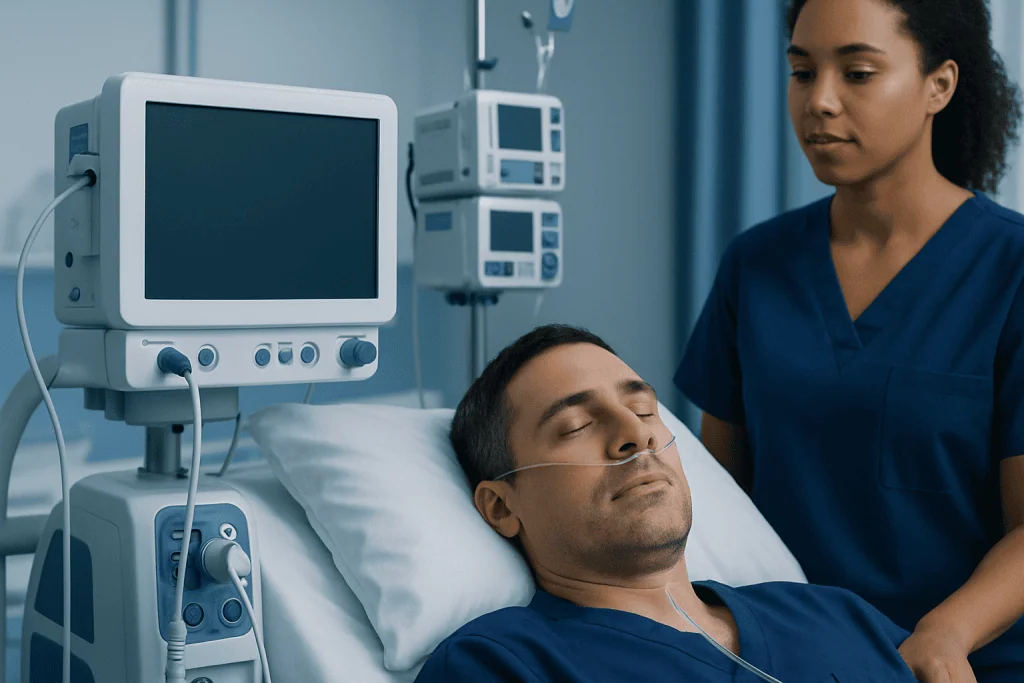
Naloxone is an opioid antagonist. This means it attaches to opioid receptors and displaces opioids from them. In a suspected overdose, this can reverse dangerous opioid effects, especially slowed or stopped breathing and severe unresponsiveness.
Narcan may be used when an overdose involves prescription opioid pain medicines, heroin, fentanyl, or other opioid substances. It can also be appropriate when the substance taken is uncertain but opioid overdose is possible. Giving naloxone will not harm someone who has not taken opioids, although it will not reverse symptoms caused solely by non-opioid drugs.
Narcan is a first-aid response, not complete overdose treatment. Its effects may fade while the opioid remains active, especially with long-acting opioids or potent synthetic opioids. Emergency professionals can provide ongoing observation, breathing support, and treatment as needed.
Common and Serious Side Effects

In adults, common effects reported after naloxone include increased blood pressure, rapid heartbeat, sweating, nausea, vomiting, tremor, headache, dizziness, nervousness, irritability, and restlessness. In people physically dependent on opioids, these symptoms may reflect acute withdrawal.
Withdrawal can also cause abdominal cramps, diarrhea, chills, feverish feelings, yawning, runny nose, muscle or joint pain, and strong opioid cravings. These effects can begin within minutes because naloxone works quickly. Although distressing, they should not prevent a bystander from responding to a suspected overdose.
Serious reactions are uncommon but can occur. They may include abnormal heart rhythms, severe changes in blood pressure, fluid buildup in the lungs, seizures, or severe agitation. In newborns exposed to opioids during pregnancy, sudden withdrawal can be life-threatening and requires immediate specialist care.
A true allergic reaction to naloxone is considered rare. Signs such as swelling of the face or throat, widespread hives, wheezing, or severe difficulty breathing need emergency evaluation. However, breathing problems after Narcan may also mean that the opioid effect is returning or that another medical problem is present.
Safety Considerations, Interactions and Precautions
The main safety consideration with Narcan is not to delay emergency care. Naloxone may work for a shorter time than the opioid involved, so a person can become sleepy again or develop slow breathing after initially improving. They should not be left alone after Narcan is given.
Naloxone directly counteracts opioids. It can therefore trigger withdrawal in people using opioids regularly, including people receiving prescribed opioid treatment or pain management. This is an expected pharmacologic effect, not a reason to avoid emergency treatment during suspected overdose.
There are no widely recognized drug interactions that prevent naloxone from being used in a life-threatening suspected opioid overdose. The medicine may not fully reverse sedation caused by alcohol, benzodiazepines, sleeping medicines, or other non-opioid substances, though mixed overdoses are common and opioid reversal may still be lifesaving.
Product labeling advises discussing allergies and medical history with a clinician when possible. In an emergency, there are no absolute contraindications to naloxone when opioid overdose is suspected. The immediate risk of untreated respiratory depression is generally much greater than the risk of adverse effects.
What to Do After Narcan Is Given
After administering Narcan according to the product instructions, call local emergency services immediately. If the person does not respond, breathing remains slow or absent, or symptoms return, additional naloxone may be needed according to the official product label and emergency dispatcher guidance. Questions about individual dosing should be directed to a clinician, pharmacist, or emergency service.
Place the person on their side if they are breathing but unconscious, where possible, to help reduce the risk of choking if vomiting occurs. Monitor breathing and responsiveness continuously. If the person is not breathing normally, begin rescue breathing or cardiopulmonary resuscitation if trained, and follow emergency dispatcher instructions.
Someone who wakes after naloxone may feel confused, frightened, sick, or angry because withdrawal can be abrupt. A calm, nonjudgmental approach is helpful. They should be encouraged not to take more opioids or other sedating substances, as this can increase the danger once naloxone wears off.
Emergency assessment remains important even if the person appears well. Clinicians can identify recurrent opioid toxicity, aspiration after vomiting, injury, co-occurring substance use, and other health concerns that may not be immediately apparent.
When to Seek Medical Care
Call emergency services immediately for any suspected opioid overdose. Warning signs include inability to wake the person, very slow, shallow, irregular, or absent breathing, blue or gray lips or fingertips, pinpoint pupils, choking or gurgling sounds, and a limp body.
Urgent medical care is also needed if symptoms return after Narcan, if there is chest pain, seizure activity, severe vomiting, fainting, severe confusion, or breathing difficulty. These symptoms may reflect recurrent opioid effects, complications of overdose, another substance, or a serious reaction requiring professional care.
People who have experienced an overdose may benefit from compassionate follow-up for pain management, substance use treatment, and mental health support. Opioid use disorder is a treatable medical condition, and individualized care can reduce the risk of future overdose.
Acibadem International’s multidisciplinary specialists and JCI-accredited hospitals support international patients who need assessment and treatment for conditions related to opioid use, pain, and emergency health concerns.
Prevention and Preparedness
Keeping naloxone available can be an important harm-reduction measure for people prescribed opioids, people with a history of opioid use, and family members or caregivers. It is especially relevant when opioids are used alongside substances that can increase sedation, including alcohol, benzodiazepines, or certain sleep medicines.
Medicines should be taken only as prescribed and stored securely, away from children and others who may use them accidentally. Unused or expired opioids should be disposed of through approved medicine take-back programs or according to local pharmacy and public health guidance.
People who take opioids regularly should speak with their prescribing clinician before changing or stopping treatment. A clinician can review overdose risks, other medicines, naloxone access, and safer treatment options. For any medication question, label instructions and professional guidance should take precedence over general online information.
Frequently asked questions
What are the most common Narcan side effects?
The most common Narcan side effects include nausea, vomiting, sweating, shaking, headache, dizziness, anxiety, restlessness, and a fast heartbeat. In people dependent on opioids, these are often symptoms of sudden opioid withdrawal.
Can Narcan harm someone who is not having an opioid overdose?
Naloxone is unlikely to harm a person who has not taken opioids. It will not reverse an overdose caused only by alcohol, benzodiazepines, or other non-opioid drugs, but it is still appropriate to give in a suspected opioid overdose while calling emergency services.
Why does someone become sick or upset after Narcan?
Naloxone rapidly blocks opioids at their receptors. For someone who has opioids in their system, especially with regular use, this can cause abrupt withdrawal with pain, nausea, agitation, sweating, and strong cravings.
Do you still need to call emergency services after Narcan works?
Yes. Narcan may wear off before the opioid has left the body, and breathing can slow again. Emergency professionals can monitor the person and treat complications or recurrent overdose symptoms.
Can Narcan be used with fentanyl overdose?
Yes. Naloxone can reverse overdose effects from fentanyl and other opioids. Because fentanyl may be very potent, repeated doses may be required according to official product labeling and emergency dispatcher instructions.
Is Narcan addictive?
No. Naloxone does not cause intoxication or an opioid-like high, and it is not addictive. Its purpose is to temporarily reverse opioid effects during a suspected overdose.
References
- U.S. Food and Drug Administration
- National Institute on Drug Abuse
- Centers for Disease Control and Prevention
- Substance Abuse and Mental Health Services Administration
- World Health Organization
This article is for general information only and is not a substitute for professional medical advice. Please consult a qualified doctor about your individual situation.
Persistent digestive symptoms? Get evaluated in Turkey
JCI-accredited · board-certified surgeons · reply within 24h
Add us as a Preferred Source to see more of our trusted health content across Google Search, AI Overviews and Discover.
Check your numbers in seconds
BMI, calories, due date, blood pressure and 30+ more clinical calculators — free, instant, doctor-reviewed ranges.