Narcotics Anonymous: How Peer Support Fits Into Addiction Recovery
Narcotics Anonymous offers free, peer-led support for people recovering from drug addiction. It can complement professional treatment but does not replace medical or psychiatric care.
Key Takeaways
- Narcotics Anonymous offers free, peer-led support for people recovering from drug addiction.
- It can complement professional treatment but does not replace medical or psychiatric care.
- Regular meetings, sponsorship, and community connection may help people maintain recovery over time.
- Different meeting styles exist, so finding the right group may take time.
- Recovery is individual, and many people benefit from combining peer support with counseling and structured treatment.
Narcotics Anonymous is a peer-led fellowship that supports people recovering from drug addiction through regular meetings, shared experience, and a structured 12-step approach. It is not medical treatment, but it can be an important part of a broader recovery plan that may also include therapy, medication, and professional care.
Overview: What Narcotics Anonymous Is
Narcotics Anonymous, often called NA, is a worldwide peer support fellowship for people who want to stop using drugs and build a stable recovery. It is based on a 12-step model and brings together people with lived experience of addiction who support one another through meetings, shared stories, and practical encouragement. The program is generally free to attend and is open to anyone who feels they may have a drug problem.
NA is not a hospital service, psychotherapy program, or substitute for medical care. Instead, it is a community-based recovery resource. Many people attend NA alongside formal addiction treatment, counseling, or psychiatric care. Others begin with NA and later seek professional help if they realize they need additional support for withdrawal symptoms, mental health concerns, or relapse prevention.
The central idea of NA is that recovery can be strengthened by connection. People often describe addiction as isolating, while recovery groups can offer routine, accountability, hope, and understanding from others who have faced similar struggles. For some, this sense of belonging becomes an important part of long-term healing.
How Peer Support Fits Into Addiction Recovery

Addiction recovery is rarely a single event. It is usually an ongoing process that involves physical, emotional, behavioral, and social changes. Professional treatment may help with detoxification, therapy, medications, and care for coexisting mental health conditions. Peer support adds another layer by helping people practice recovery in everyday life.
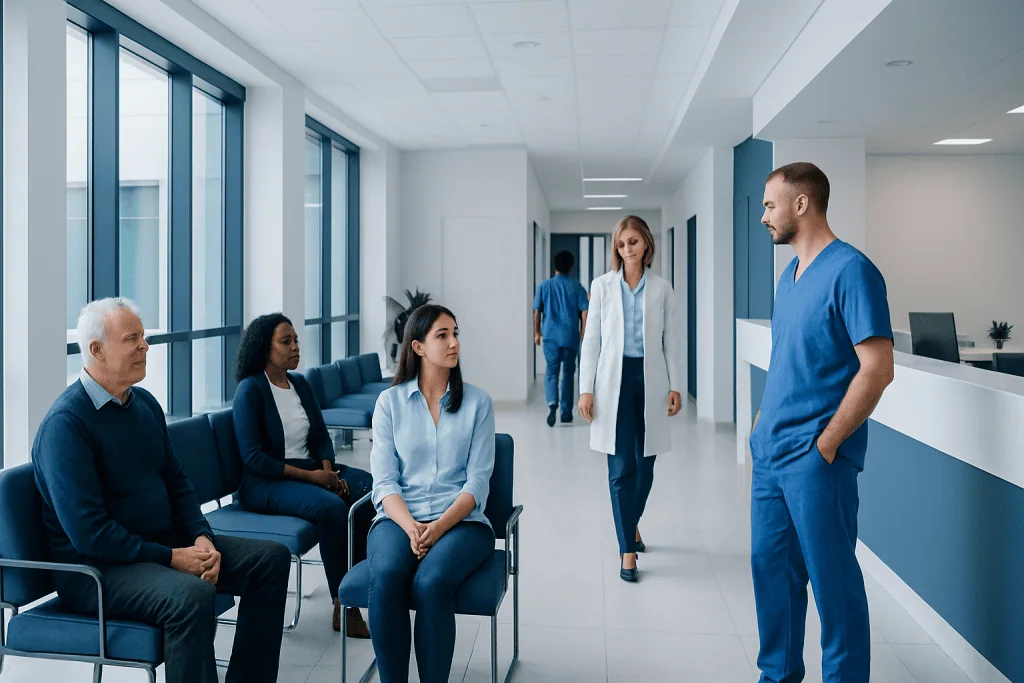
NA can support recovery by providing structure and regular contact with others who understand cravings, relapse risk, shame, grief, and the daily work of staying substance-free. Members often attend meetings several times a week, especially early in recovery. This repeated contact can reduce isolation and give people a healthier routine during a vulnerable period.
Peer support may also help people learn practical coping skills. Members often discuss how they manage stress, avoid triggers, repair relationships, and return to recovery after setbacks. While this shared wisdom is not the same as medical advice, it can be meaningful and motivating.
For many people, the most effective recovery plan is a combined approach. NA may be used together with individual counseling, family support, rehabilitation programs, and when appropriate, psychiatric care or psychological counseling.
What Happens at NA Meetings
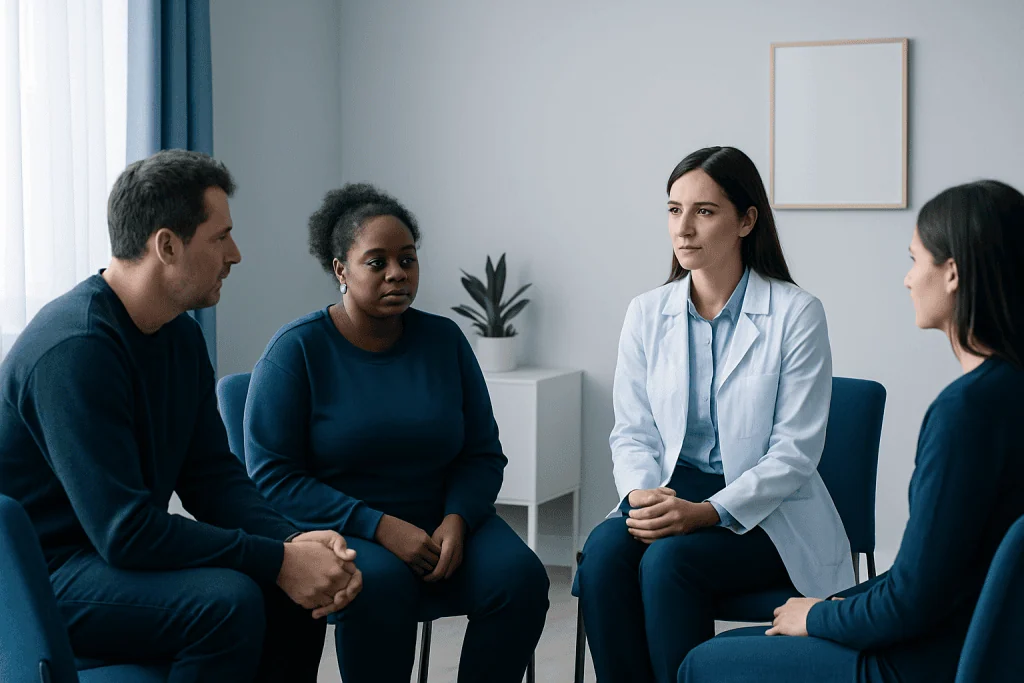
NA meetings vary by location, but most follow a simple and welcoming format. Members may read from NA literature, discuss one of the steps or recovery themes, and share personal experiences. Some meetings are speaker meetings, where one or more people tell their recovery story. Others are discussion meetings, where several members contribute. Newcomers are usually welcome to listen without pressure to speak.
Meetings may be open or closed. Open meetings can sometimes be attended by supportive family members, students, or professionals observing the process, depending on local group practice. Closed meetings are reserved for people who identify as having a drug problem or who believe they may have one. Many groups also offer online meetings, which can be helpful for people with transportation barriers or those living in areas with fewer in-person options.
A common feature of NA is the sponsor relationship. A sponsor is a more experienced member who offers peer guidance through the 12 steps and provides support between meetings. Sponsorship is not therapy and does not replace professional advice, but it can offer accountability and understanding from someone familiar with recovery challenges.
- Meetings are usually free or donation-based.
- People can attend different groups before choosing one that feels comfortable.
- Confidentiality is encouraged to help create a safe space.
- Participation is voluntary, and people can move at their own pace.
Benefits and Limits of Narcotics Anonymous
One of the main benefits of NA is ongoing community support. Recovery often becomes harder when a person feels alone, misunderstood, or disconnected. Meetings can provide acceptance, routine, and encouragement during both early and long-term recovery. Seeing others remain substance-free may help build confidence that change is possible.
NA may also support personal reflection and responsibility. The 12-step framework encourages honesty, self-examination, making amends where appropriate, and developing healthier ways of living. Some people find this structure grounding, especially when life has felt chaotic. The sponsor relationship and regular meetings can also help members stay engaged during difficult periods.
At the same time, NA is not the right fit for everyone. Some people may prefer non-12-step support groups, one-to-one therapy, or other recovery communities. Others may feel uncomfortable with the spiritual language used in some meetings, although NA generally emphasizes personal interpretation rather than a specific religion. It is reasonable for a person to try several forms of support before finding what works best.
It is also important to understand the limits of peer support. NA cannot medically manage withdrawal, diagnose mental health conditions, or treat urgent psychiatric symptoms. People with severe substance dependence, suicidal thoughts, psychosis, or significant physical complications should seek professional evaluation promptly. Conditions such as depression or anxiety may need treatment alongside addiction recovery.
When Professional Treatment Is Also Needed
Peer support is valuable, but some situations need medical attention. Withdrawal from certain substances can be dangerous, and cravings may be difficult to manage without structured care. If someone is using heavily, has repeated relapses, has overdosed, or has serious physical or mental health symptoms, a professional assessment is important.
Comprehensive addiction care may include detoxification, inpatient or outpatient rehabilitation, psychotherapy, family therapy, and treatment for coexisting psychiatric conditions. Some people also benefit from medication-assisted treatment, depending on the substance involved and their overall health needs. NA can still be part of this plan by offering social support before, during, and after formal treatment.
Professional help may be especially useful if addiction is affecting work, education, parenting, housing, legal safety, or relationships. Recovery is often more sustainable when immediate risks are addressed and when underlying issues such as trauma, depression, sleep problems, or chronic stress are recognized. In some cases, a doctor may suggest a structured addiction treatment program or a personalized rehabilitation plan.
Near the end of treatment, many care teams help patients build an aftercare routine. This may include follow-up appointments, counseling, relapse prevention planning, and local or online peer groups such as NA. Acibadem International’s multidisciplinary specialists and JCI-accredited hospitals also diagnose and treat addiction-related conditions for international patients as part of coordinated care.
How to Start and Make the Most of NA
Beginning NA can feel intimidating, especially for someone who has never attended a support group before. It may help to start by looking for a local or online meeting and simply listening at first. There is usually no need to share personal details immediately. Many people find that initial nervousness becomes easier after a few meetings.
It is often useful to try more than one group. Each meeting has its own atmosphere, size, and style, and a person may connect more easily with one group than another. Consistency matters, so attending regularly for a period of time can give a fair sense of whether the group is helpful. If one meeting does not feel supportive, another may be a better fit.
People often get the most from NA when they combine attendance with honest self-reflection and practical recovery habits. These may include avoiding high-risk environments, rebuilding daily structure, sleeping regularly, eating well, and staying connected to trusted support. Some members choose a sponsor and begin working through the 12 steps when they feel ready.
- Attend several meetings before deciding whether NA is helpful.
- Consider both in-person and online options.
- Use peer support together with medical or psychological care when needed.
- Seek urgent help right away for overdose, severe withdrawal, or suicidal thoughts.
When to Seek Immediate Help or Extra Support
NA is designed for support in recovery, but it is not an emergency service. Immediate medical care is needed if a person has signs of overdose, severe withdrawal, chest pain, seizures, confusion, hallucinations, or trouble breathing. Emergency help is also essential if someone is at risk of harming themselves or others.
Even when there is no emergency, extra support may be needed if cravings are intense, relapses are frequent, or the person feels unable to function at home, school, or work. Family conflict, homelessness, legal problems, or untreated mental health symptoms can also make recovery harder and may call for more structured professional care. Asking for added help is not a failure; it is often a strong and practical step.
Recovery looks different for each person. Some people use NA as their main ongoing support, while others use it as one part of a larger treatment plan. A qualified doctor or mental health professional can help decide which mix of services is most appropriate based on the substance involved, current symptoms, and overall health.
Frequently asked questions
Is Narcotics Anonymous the same as medical addiction treatment?
No. Narcotics Anonymous is a peer support fellowship, not a medical or psychiatric treatment service. It can be very helpful in recovery, but it does not replace detox, therapy, medication, or emergency care when those are needed.
Do people have to stop all drugs before attending NA?
Many people attend NA because they want to stop using drugs, but they may come at different stages of readiness. A person does not need to be fully stable before seeking support. However, anyone at risk from withdrawal or other medical problems should also seek professional care.
Is Narcotics Anonymous religious?
NA includes spiritual language, but it is not tied to a specific religion. Members are generally encouraged to interpret spiritual ideas in a personal way. Some people find this helpful, while others prefer different recovery models.
Can NA help prevent relapse?
It may help many people by providing routine, accountability, and connection with others in recovery. Regular meetings and sponsor support can make it easier to recognize warning signs and respond early. Still, relapse prevention is often strongest when peer support is combined with professional treatment when needed.
What if someone does not feel comfortable in their first meeting?
That is common, especially at the beginning. Different groups have different styles, so trying several meetings can help a person find one that feels supportive and respectful. It often takes a little time to feel at ease.
Can family members attend Narcotics Anonymous meetings?
Some meetings are open and may allow visitors, while closed meetings are intended only for people who identify as having a drug problem. Local group rules can differ. Family members may also benefit from their own support resources and professional guidance.
References
- World Health Organization
- National Institute on Drug Abuse
- Substance Abuse and Mental Health Services Administration
- National Institute of Mental Health
- Narcotics Anonymous World Services
This article is for general information only and is not a substitute for professional medical advice. Please consult a qualified doctor about your individual situation.
Explore treatments in Turkey — costs, top hospitals & a free quote
JCI-accredited · board-certified surgeons · reply within 24h
Add us as a Preferred Source to see more of our trusted health content across Google Search, AI Overviews and Discover.