Natural Ways to Relieve a Headache: What May Help Alongside Medical Treatment

Many headaches improve with simple self-care such as rest, fluids, and a calm environment. Natural measures may help reduce symptoms, but they do not replace medical evaluation for recurring, severe, or unusual headaches.
Key Takeaways
- Many headaches improve with simple self-care such as rest, fluids, and a calm environment.
- Natural measures may help reduce symptoms, but they do not replace medical evaluation for recurring, severe, or unusual headaches.
- Keeping track of triggers such as sleep changes, stress, skipped meals, and certain foods can be useful.
- Cold or warm compresses, relaxation techniques, and posture support may help some people depending on the headache type.
- Emergency care is needed for sudden, severe, or neurologic symptoms such as weakness, confusion, or trouble speaking.
Natural ways to relieve a headache can support comfort and recovery when used alongside appropriate medical care. Helpful measures often include rest, hydration, trigger management, gentle relaxation, and discussing frequent or severe headaches with a doctor.
Overview
Headaches are very common and can happen for many reasons, including stress, dehydration, lack of sleep, muscle tension, illness, hormonal changes, or underlying headache disorders. Natural ways to relieve a headache may help ease discomfort and support recovery, especially when the symptoms are mild and familiar. These approaches are best viewed as supportive tools rather than substitutes for proper diagnosis and treatment.
Different headaches can respond to different strategies. For example, a tension-type headache may improve with rest, hydration, stretching, or stress reduction, while a migraine may respond better to a dark, quiet room and a cold pack. Understanding the likely pattern can make self-care more effective and safer.
It is also important to remember that not every headache is harmless. Frequent headaches, new headaches after age 50, or headaches with other concerning symptoms should be evaluated by a qualified clinician. If headaches are interfering with daily life, medical guidance can help identify triggers, confirm the diagnosis, and plan the most appropriate care.
Common Symptoms and Headache Patterns
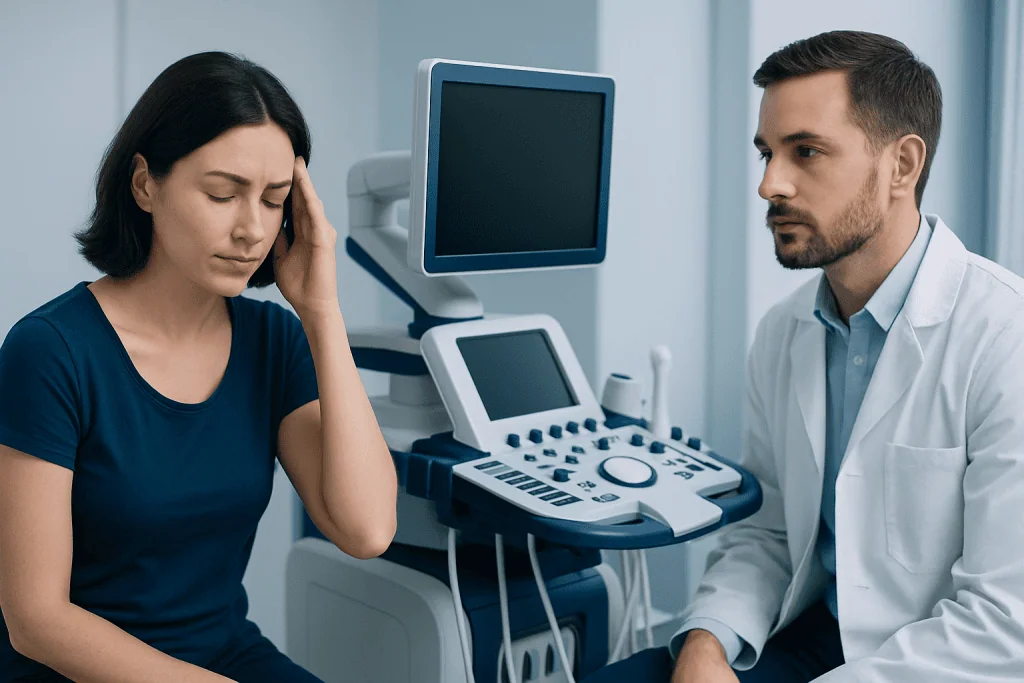
Headache symptoms vary from person to person. Some headaches feel like a dull, tight band around the head, while others cause throbbing pain on one side, pressure around the forehead, or pain that spreads into the neck and shoulders. Some people also notice nausea, light sensitivity, sound sensitivity, dizziness, watery eyes, or trouble concentrating.
Tension-type headaches often cause mild to moderate pressure or tightness, especially in the forehead, scalp, or neck. Migraines may cause moderate to severe throbbing pain and can be accompanied by nausea or sensitivity to light and sound. Cluster headaches are less common and usually involve very intense pain around one eye, often with tearing or nasal symptoms. Sinus-related discomfort may feel like facial pressure, though many presumed “sinus headaches” are actually migraine-related.
Recognizing the pattern matters because it guides what may help. A person with recurring migraine may benefit from reducing sensory stimulation and identifying triggers, while someone with a muscle-related headache may respond better to posture changes, stretching, or stress relief. A doctor can help distinguish between similar-looking headache types.
What May Trigger a Headache

Many headaches are linked to triggers rather than a single cause. Common triggers include dehydration, missed meals, too much or too little caffeine, poor sleep, stress, prolonged screen time, eye strain, strong odors, alcohol, and changes in routine. Hormonal changes, certain medications, and overuse of pain relievers can also contribute. For some people, specific foods such as aged cheeses or processed meats may play a role, though triggers are highly individual.
Muscle tension is another frequent factor. Long periods of sitting, working at a computer, clenching the jaw, or sleeping in an awkward position can place strain on the neck and scalp muscles. Illnesses such as viral infections may also lead to headache, as can conditions like high blood pressure or sleep disorders in some cases.
A headache diary can be very useful. Writing down when the headache started, what it felt like, what was eaten, how much sleep was obtained, stress levels, menstrual timing, and which remedies helped can reveal patterns over time. This information can support a medical visit and help guide both lifestyle changes and formal treatment.
Natural Ways to Relieve a Headache
Several natural approaches may help reduce headache discomfort. Resting in a quiet, dark, well-ventilated room is often helpful, particularly for migraine or headaches worsened by noise and light. Drinking water or an oral rehydration drink may help if dehydration is a factor. A light snack can be useful when a skipped meal may have triggered symptoms.
Cold or warm compresses can also be soothing. A cold pack placed on the forehead or temples may help some people with migraine, while a warm compress on the neck or shoulders may ease tension-type headaches. Gentle stretching, relaxation breathing, or a brief mindfulness exercise may reduce muscle tension and stress-related symptoms. Some people feel better after a short nap, but oversleeping can trigger headaches in others.
Other measures that may help include limiting screen exposure during an attack, adjusting posture, and reducing exposure to strong smells. A small amount of caffeine may ease headache in some people, but regular overuse can worsen headaches or lead to rebound symptoms. If headaches are frequent, a doctor may recommend further evaluation and treatments such as neurology care or, in selected cases, pain management.
- Drink water regularly throughout the day.
- Do not skip meals if low blood sugar tends to trigger headaches.
- Take short breaks from screens and maintain good posture.
- Try quiet rest, gentle breathing, or relaxation techniques.
- Use cold or warm compresses based on the headache pattern.
Lifestyle Habits That May Help Prevent Future Headaches
For many people, prevention is just as important as symptom relief. Regular sleep is one of the most helpful habits. Going to bed and waking up at similar times each day may reduce headache frequency, especially in migraine. Good hydration, balanced meals, and steady caffeine intake rather than sudden excess or withdrawal can also help.
Stress management deserves attention because stress is a common trigger. Gentle physical activity, stretching, yoga, breathing exercises, and realistic work-rest routines may lower the chance of stress-related headaches. For people who notice neck and shoulder tightness, attention to workstation setup and posture can make a meaningful difference.
When headaches happen often, structured support may be beneficial. A clinician may assess for sleep problems, jaw clenching, medication overuse, or other contributors. In some cases, physical rehabilitation or physical therapy and rehabilitation can help address tension and posture-related pain patterns. If headaches remain persistent or complex, a full review through a medical check-up may be appropriate.
How Doctors Diagnose Ongoing or Severe Headaches
Most headaches can be assessed through a careful medical history and physical examination. A doctor will usually ask when the headaches began, how often they happen, how long they last, where the pain is felt, what the pain feels like, and whether there are associated symptoms such as nausea, visual changes, weakness, fever, or nasal congestion. Family history, medication use, caffeine intake, and lifestyle factors are also important.
In many cases, imaging is not needed, especially when the pattern is typical for migraine or tension-type headache and the examination is normal. However, additional tests may be recommended if there are warning signs such as a sudden severe onset, a new headache pattern, neurologic symptoms, head injury, cancer history, immune system problems, or signs of infection. Depending on the situation, a doctor may consider blood tests or brain imaging.
The goal of diagnosis is not only to rule out serious causes but also to identify the specific headache type. This allows more tailored treatment, whether that involves lifestyle measures, medicines, trigger management, or referral to a specialist. For patients needing advanced assessment, multidisciplinary teams such as those at Acibadem International’s JCI-accredited hospitals diagnose and treat headache conditions for international patients.
Treatment Options and When to Seek Medical Help
Natural measures can be helpful, but they are only one part of headache care. Some people need prescription treatment, migraine-specific therapy, preventive medication, or treatment for an underlying condition such as infection, blood pressure problems, sleep disorders, or jaw dysfunction. A clinician can advise which approach is most appropriate based on the headache type and overall health.
Medical care is especially important when headaches are happening more often, becoming more severe, or disrupting work, school, or sleep. It is also wise to seek advice if over-the-counter pain relievers are needed regularly, since frequent use can sometimes contribute to medication-overuse headaches. People with recurrent headache disorders may benefit from a longer-term management plan.
Emergency care is needed for a sudden “worst headache,” headache after a serious head injury, or headache with weakness, numbness, confusion, seizures, trouble speaking, fainting, fever with neck stiffness, or vision loss. These features do not always mean a dangerous condition is present, but they require urgent evaluation to be safe.
Frequently asked questions
What are the best natural ways to relieve a headache at home?
Simple measures such as resting in a quiet room, drinking water, eating a light meal if one was skipped, and using a cold or warm compress may help. Gentle relaxation, stretching, and reduced screen time can also be useful depending on the headache type.
Can dehydration cause a headache?
Yes. Dehydration is a common trigger and may lead to headache, fatigue, dizziness, or reduced concentration. Drinking fluids regularly through the day can help, especially in hot weather, during illness, or after exercise.
Is caffeine good or bad for headaches?
Caffeine can help some people, especially in small amounts early in a headache episode. However, too much caffeine or sudden caffeine withdrawal can trigger headaches, so consistency and moderation are important.
When should someone worry about a headache?
A headache should be evaluated urgently if it is sudden and severe, follows a significant head injury, or occurs with symptoms such as weakness, confusion, fever with neck stiffness, seizures, or trouble speaking. Ongoing headaches that are new, frequent, or changing in pattern also deserve medical attention.
Do natural remedies replace medical treatment for migraine or other headache disorders?
No. Natural strategies can support symptom relief and prevention, but they do not replace medical diagnosis or treatment when headaches are recurrent, severe, or disabling. A doctor can help identify the headache type and recommend the safest treatment plan.
Can sleep affect headaches?
Yes. Too little sleep, poor-quality sleep, oversleeping, and irregular sleep schedules can all trigger headaches in some people. Keeping a regular sleep routine may reduce headache frequency over time.
References
- World Health Organization
- International Headache Society
- National Institute of Neurological Disorders and Stroke
- American Migraine Foundation
- Mayo Clinic
This article is for general information only and is not a substitute for professional medical advice. Please consult a qualified doctor about your individual situation.
Explore treatments in Turkey — costs, top hospitals & a free quote
JCI-accredited · board-certified surgeons · reply within 24h
Add us as a Preferred Source to see more of our trusted health content across Google Search, AI Overviews and Discover.
Check your numbers in seconds
BMI, calories, due date, blood pressure and 30+ more clinical calculators — free, instant, doctor-reviewed ranges.

More from the Health Library



Related Specialists
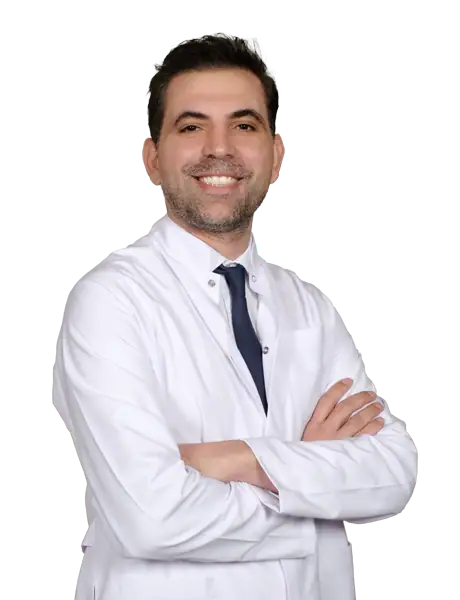
Assoc. Prof. Dr. Alper Karakuş
Cardiology
Dr. Ayberk Çakır
Gynecology & Obstetrics
Prof. Dr. Serdar Beken
Neonatal Intensive Care Unit
Dr. Sema Selim Kechagia
Emergency Service