Neck Ache on One Side: Possible Causes and When to Seek Care

A neck ache on one side is often caused by muscle strain, poor posture, or sleeping awkwardly. Pain that travels into the shoulder, arm, or hand may suggest nerve irritation in the neck.
Key Takeaways
- A neck ache on one side is often caused by muscle strain, poor posture, or sleeping awkwardly.
- Pain that travels into the shoulder, arm, or hand may suggest nerve irritation in the neck.
- Self-care such as rest, heat or ice, gentle movement, and posture changes can help many mild cases.
- Urgent assessment is important after trauma or if neck pain comes with weakness, numbness, fever, chest pain, or severe headache.
- A doctor may use physical examination and, when needed, imaging tests to identify the cause.
Neck ache on one side is commonly linked to muscle tension, posture, sleeping position, or irritation of joints and nerves in the neck. Most cases improve with simple self-care, but pain that is severe, persistent, or paired with weakness, numbness, fever, or injury needs medical attention.
Overview: What a Neck Ache on One Side Can Mean
A neck ache on one side is usually related to structures on that side of the neck, such as muscles, joints, ligaments, or nerves. In many people, the cause is not dangerous and may be as simple as sleeping in an awkward position, spending long hours looking down at a screen, or straining a muscle during exercise or daily activity.
Even so, one-sided neck pain should be looked at in context. The location, how suddenly it started, whether it spreads to the shoulder or arm, and whether there are other symptoms can help show whether the problem is muscular, nerve-related, or part of another condition. This symptom-based approach can be more helpful than assuming all neck pain is the same.
Most mild episodes improve within days to a few weeks with conservative care. However, some cases are caused by conditions such as cervical disc problems, arthritis in the neck joints, infection, or referred pain from nearby areas. If symptoms are intense, keep coming back, or affect daily life, medical evaluation is appropriate.
Common Symptoms That May Occur With One-Sided Neck Pain
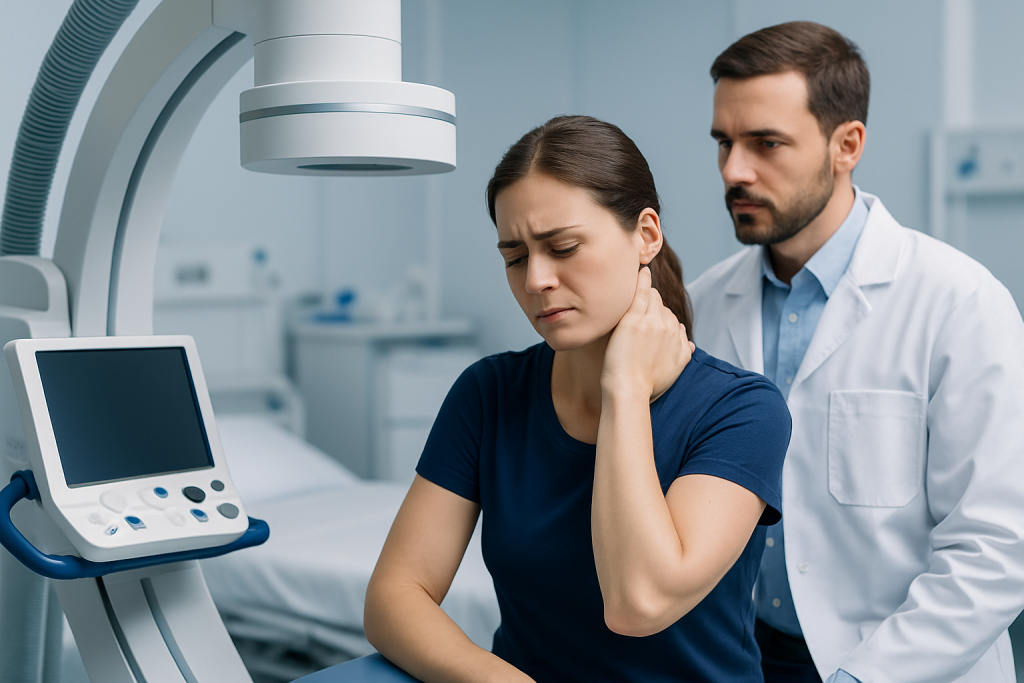
The pain may feel dull, tight, burning, throbbing, or sharp. Some people notice it mainly when turning the head, while others feel a constant ache that becomes worse after sitting for long periods or upon waking in the morning. Stiffness is common, and range of motion may be reduced on the painful side.
Other symptoms can suggest which structure is involved. Muscle-related pain often feels sore or tender and may improve with gentle movement or heat. Joint irritation may cause pain with specific neck motions, while a pinched or inflamed nerve can cause shooting pain, tingling, numbness, or weakness radiating toward the shoulder, arm, or hand.
Associated symptoms should not be ignored. Headache, jaw discomfort, shoulder pain, or upper back tightness may occur along with neck pain. If there is fever, swollen glands, severe headache, dizziness, trouble swallowing, chest pain, or neurologic symptoms, the cause may not be a simple strain and should be assessed by a clinician.
- Localized tenderness or muscle spasm
- Stiffness when turning the head
- Pain spreading to the shoulder blade or arm
- Tingling, numbness, or weakness in an arm or hand
- Headache starting at the base of the skull
Possible Causes and Risk Factors

The most common cause of a neck ache on one side is muscle strain or soft tissue irritation. This can happen after sleeping with poor neck support, working at a computer for long periods, carrying a bag on one shoulder, stress-related muscle tightening, or sudden awkward movement. Repetitive posture habits are a frequent reason symptoms keep returning.
Problems within the cervical spine can also cause one-sided pain. These include inflammation of the facet joints, disc degeneration, or a disc pressing on a nearby nerve root. In some people, a herniated disc in the neck can cause pain that travels beyond the neck into the arm. Age-related wear and tear may also contribute, especially if stiffness has developed gradually over time.
Less common but important causes include whiplash after an accident, enlarged lymph nodes, throat or dental infections, and inflammatory conditions. Referred pain may come from the shoulder, jaw, or even headache disorders. Rarely, serious causes such as meningitis, fracture, spinal infection, or vascular problems need urgent evaluation, especially when symptoms are sudden, severe, or accompanied by other warning signs.
Risk factors include long screen time, poor workstation setup, previous neck injury, high stress, low physical activity, contact sports, and jobs that involve prolonged driving or repeated neck movements. People with known spine conditions may also be more likely to develop recurrent one-sided neck pain.
How Doctors Diagnose the Cause
Diagnosis begins with a detailed history. A doctor will usually ask when the pain started, whether there was an injury, what movements trigger it, and whether there are symptoms such as headache, fever, numbness, or pain radiating into the arm. This information helps narrow down whether the problem is muscular, spinal, neurologic, or related to another area.
A physical examination often includes checking posture, tenderness, neck movement, muscle strength, reflexes, and sensation in the arms and hands. The clinician may look for muscle spasm, signs of joint restriction, or findings that suggest nerve root irritation. If symptoms point toward another cause, the exam may also include the shoulder, jaw, ears, throat, or lymph nodes.
Many people with uncomplicated recent neck pain do not need imaging right away. However, tests may be recommended when pain is severe, follows trauma, persists despite treatment, or comes with neurologic symptoms or red flags. Depending on the situation, doctors may use X-rays, MRI, CT, or blood tests. If nerve compression is suspected, advanced imaging can help guide care and determine whether options such as spine surgery are relevant.
Treatment Options for One-Sided Neck Pain
Treatment depends on the cause, severity, and duration of symptoms. For a simple strain, the first step is usually conservative management. This may include short-term activity modification, gentle range-of-motion exercises, heat or ice, and improving posture. Many people also benefit from a review of sleeping position and pillow support.
Clinicians may recommend pain relief measures such as over-the-counter medicines when appropriate, along with physical therapy. Physical therapy can focus on mobility, muscle balance, posture correction, and strengthening of the neck and upper back. If there is ongoing nerve irritation or a more complex spine issue, targeted rehabilitation may help reduce pressure on affected structures.
When the pain is linked to a structural problem in the cervical spine, treatment may become more specialized. Some patients need assessment by physical therapy and rehabilitation specialists, pain physicians, or spine surgeons. In selected cases, surgery may be discussed if there is significant nerve compression, progressive weakness, or persistent symptoms that do not improve with non-surgical care. Conditions such as cervical disc herniation may need this more tailored approach.
Care is individualized, because the same symptom can come from different causes. Near the end of the treatment journey, some patients may require coordinated input from orthopedics, neurology, rehabilitation, or neurosurgery. Acibadem International’s multidisciplinary specialists in JCI-accredited hospitals evaluate and treat neck and spine conditions for international patients when more advanced care is needed.
Self-Care and Prevention Strategies
For mild neck ache on one side, staying gently active is often better than prolonged bed rest. Short periods of rest may help after a strain, but complete inactivity can increase stiffness. Simple measures such as heat for muscle tightness, ice after acute strain, and careful stretching can support recovery if they do not worsen symptoms.
Prevention focuses on reducing repeated stress on the neck. A neutral screen height, regular movement breaks, and an ergonomic workstation can make a meaningful difference. It may also help to avoid cradling the phone between the ear and shoulder, carrying uneven loads, or using a pillow that leaves the neck bent too far to one side.
Long-term neck health often improves with regular exercise, especially strengthening of the upper back and shoulder muscles, along with flexibility work. Stress management can also matter, since emotional stress often increases muscle tension in the neck and shoulders. If symptoms are frequent, a clinician or therapist can suggest a safe home program and review whether rehabilitation such as posture analysis may be useful.
- Adjust screens to eye level
- Take movement breaks every 30 to 60 minutes
- Use a supportive sleeping position
- Build neck, shoulder, and upper back strength gradually
- Seek guidance before returning to heavy exercise after an injury
When to Seek Medical Care
Medical care is advisable if a neck ache on one side lasts more than a few weeks, keeps returning, limits daily activities, or is not improving with basic self-care. It is also important to seek evaluation if the pain spreads into the arm, or if there is tingling, numbness, weakness, or loss of coordination. These features can point to nerve involvement.
Urgent care is needed after a fall, sports injury, or car accident, especially if the neck is very painful or hard to move. Immediate assessment is also recommended if neck pain is accompanied by fever, severe headache, confusion, trouble speaking, difficulty walking, chest pain, shortness of breath, or trouble swallowing. These symptoms may indicate a condition that needs prompt treatment.
Children, older adults, and people with weakened immunity should be assessed sooner when neck pain is unexplained or paired with other symptoms. A qualified doctor can help confirm the cause, rule out serious conditions, and guide safe treatment instead of relying on guesswork.
Frequently asked questions
Is a neck ache on one side usually serious?
Most cases are not serious and are related to muscle strain, posture, or sleeping position. However, the symptom should be checked if it is severe, lasts a long time, keeps returning, or comes with numbness, weakness, fever, or injury.
Can sleeping wrong cause pain only on one side of the neck?
Yes. Sleeping with the neck twisted, unsupported, or tilted to one side can strain muscles and joints, leading to pain on just one side. This type of pain often improves over several days with gentle movement and better pillow support.
How do I know if one-sided neck pain is a pinched nerve?
A pinched nerve is more likely if the pain shoots or burns and travels into the shoulder, arm, or hand. Tingling, numbness, or weakness are also important clues, and these symptoms should be assessed by a doctor.
What can help relieve a neck ache on one side at home?
Many people find relief with short-term rest, heat or ice, gentle stretching, and avoiding positions that worsen pain. Improving posture and taking breaks from screens can also help, but worsening symptoms or persistent pain should be evaluated.
Should I exercise when I have a neck ache on one side?
Gentle movement is often helpful, while heavy lifting or activities that sharply increase pain should be avoided. If the pain started after injury, or if there are neurologic symptoms, medical advice is recommended before resuming exercise.
When should one-sided neck pain be treated urgently?
Urgent care is important after trauma or if neck pain occurs with weakness, numbness, severe headache, fever, confusion, chest pain, or difficulty breathing or swallowing. These warning signs can suggest a more serious problem than a simple strain.
This article is for general information only and is not a substitute for professional medical advice. Please consult a qualified doctor about your individual situation.
Joint and spine care in Turkey — expert assessment & treatment
JCI-accredited · board-certified surgeons · reply within 24h
Add us as a Preferred Source to see more of our trusted health content across Google Search, AI Overviews and Discover.

More from the Health Library

Do Vegans Eat Eggs? A Doctor-Reviewed Answer

Can U Take Antibiotics with Alcohol? A Doctor-Reviewed Answer

Anxiety Chest Pain Explained: Common Triggers and Red Flags

Does Creatine Make You Gain Weight? A Doctor-Reviewed Answer

How to Let Go of the Past? A Doctor-Reviewed Answer