

Can U Take Antibiotics with Alcohol? A Doctor-Reviewed Answer

Alcohol does not usually stop most antibiotics from working, but it may make side effects more uncomfortable and recovery more difficult. Metronidazole, tinidazole, certain cephalosporins, and a few other medicines can cause significant reactions with alcohol.
Key Takeaways
- Alcohol does not usually stop most antibiotics from working, but it may make side effects more uncomfortable and recovery more difficult.
- Metronidazole, tinidazole, certain cephalosporins, and a few other medicines can cause significant reactions with alcohol.
- Avoid alcohol if the antibiotic label, prescriber, or pharmacist advises it, or if illness is causing fever, vomiting, diarrhea, or dehydration.
- Seek urgent medical care for trouble breathing, fainting, chest pain, severe vomiting, confusion, or signs of a serious allergic reaction.
- A doctor may review the medication list, infection symptoms, liver health, and possible medication interactions when concerns arise.
Can u take antibiotics with alcohol? For many commonly prescribed antibiotics, an occasional small amount of alcohol is unlikely to cause a dangerous interaction, but it can worsen nausea, dizziness, dehydration, and fatigue. Some antibiotics should not be mixed with alcohol at all, so checking the medicine label and asking a pharmacist or doctor is the safest approach.
Can U Take Antibiotics with Alcohol?
For many people taking common antibiotics, having a small amount of alcohol is not likely to cause a dangerous reaction. However, alcohol can increase unpleasant effects such as nausea, stomach upset, dizziness, sleepiness, headache, and dehydration. It may also make it harder for the body to rest and recover from an infection.
The answer depends on the exact antibiotic, other medicines being taken, and a person’s health. Some antibiotics have a clear alcohol warning and should not be combined with alcoholic drinks or products containing alcohol. When in doubt, it is best to avoid alcohol until the course is complete and to ask a pharmacist or prescribing clinician for advice.
Importantly, antibiotics should be taken exactly as prescribed. Skipping doses, stopping early without medical advice, or doubling a dose after a missed dose can reduce treatment success and may contribute to antibiotic resistance.
Why Alcohol Can Be a Problem During Antibiotic Treatment
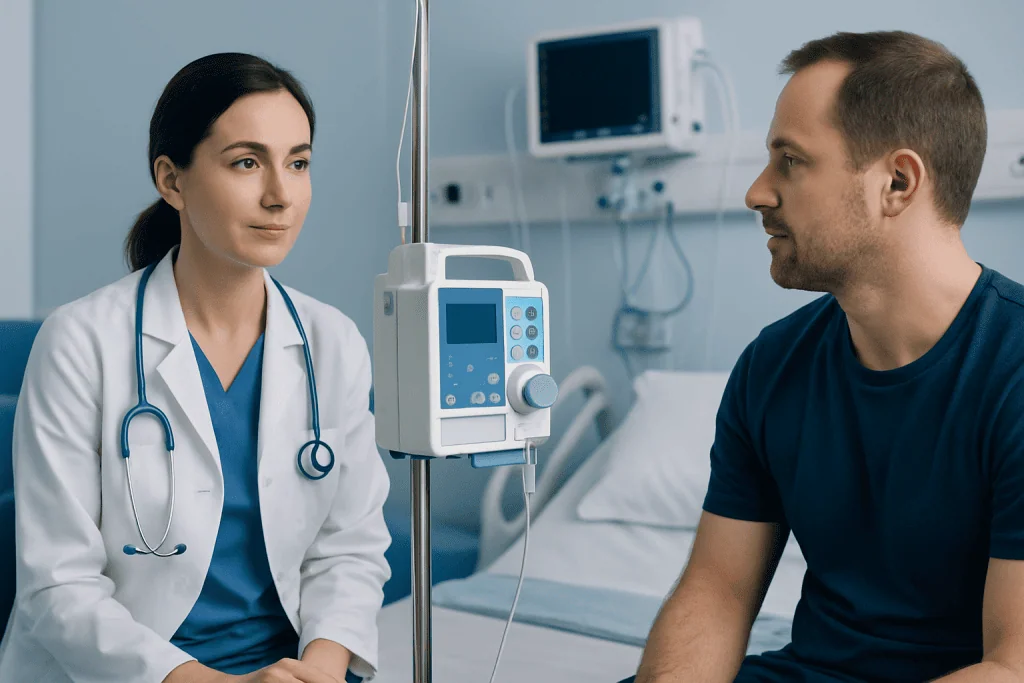
Alcohol and antibiotics can overlap in the side effects they cause. Both may upset the stomach, cause dizziness, affect concentration, or contribute to tiredness. Drinking while unwell can also disturb sleep, reduce fluid intake, and make fever, diarrhea, or vomiting harder to manage.
Alcohol is processed largely by the liver. Some medicines are also processed there, so alcohol may change how certain medicines are handled by the body or add strain when there is existing liver disease. This does not mean every antibiotic interacts with alcohol, but it is one reason individual advice matters.
Alcohol can also affect judgment. A person who feels better after starting antibiotics may resume normal activities too soon, miss doses, or overlook worsening infection symptoms. Rest, fluids, and completing the prescribed treatment plan are generally more helpful for recovery than alcohol.
Which Antibiotics Should Not Be Mixed with Alcohol?

Some antibiotics and related anti-infective medicines should be avoided with alcohol because they can trigger a disulfiram-like reaction. This may cause flushing, throbbing headache, nausea, vomiting, sweating, fast heartbeat, low blood pressure, or dizziness. Metronidazole and tinidazole are well-known examples; clinicians commonly advise avoiding alcohol during treatment and for a period after the final dose according to the medicine instructions.
Certain cephalosporin antibiotics, including cefotetan and cefoperazone, may also interact with alcohol. Other medicines sometimes used alongside antibiotics, such as medicines for nausea, pain, sleep, or anxiety, can make alcohol-related drowsiness and impaired coordination more likely.
Labels and instructions differ by medicine and country. Alcohol may be present in mouthwash, cough syrups, cold remedies, cooking extracts, and some liquid medicines, so patients who have been told to avoid alcohol should read ingredient lists carefully. A pharmacist can help identify alcohol-containing products.
- Do not assume an antibiotic is safe with alcohol simply because it has been tolerated before.
- Follow the specific timing advice given for the medicine, including how long to wait after the last dose.
- Discuss all prescription drugs, over-the-counter medicines, supplements, and recreational substances with the clinician or pharmacist.
Common Symptoms and Red Flags After Mixing Alcohol and Antibiotics
Many symptoms after drinking alcohol while taking antibiotics are mild and temporary, such as nausea, indigestion, headache, fatigue, or lightheadedness. These symptoms may come from alcohol itself, the infection, the antibiotic, or a combination of these factors. Stopping alcohol intake, drinking water if tolerated, resting, and following the medication directions may be sufficient for mild symptoms.
More concerning symptoms include repeated vomiting, intense flushing, a racing heartbeat, severe dizziness, fainting, confusion, or severe abdominal pain. These can indicate a significant medicine-alcohol reaction or another medical issue that needs assessment.
Symptoms of an antibiotic allergy require special attention. Hives, swelling of the lips, tongue, face, or throat, wheezing, difficulty breathing, or collapse are not expected alcohol effects and need urgent emergency care. People should not take another dose until they have received appropriate medical advice if a serious allergic reaction is suspected.
How a Doctor Evaluates a Possible Interaction
When someone feels unwell after combining alcohol and an antibiotic, a doctor first considers the name, dose, and timing of the medicine and the amount and timing of alcohol consumed. They will also ask about other medicines, supplements, allergies, medical conditions, and the symptoms of the original infection.
Assessment may include checking vital signs, hydration, alertness, heart rate, blood pressure, and signs of an allergic reaction. Depending on the symptoms, a clinician may request blood tests to assess liver or kidney function, review medication interactions, or investigate whether the infection itself is worsening. Tests are not necessary in every case.
The clinician may advise supportive care, change an antibiotic if appropriate, or treat dehydration or other symptoms. Antibiotics are prescribed for bacterial infections, not viral illnesses such as most colds and flu. Clarifying the cause of symptoms can help ensure treatment is appropriate and avoid unnecessary antibiotic use.
Safer Choices While Taking Antibiotics
The simplest low-risk choice is to avoid alcohol while taking an antibiotic, particularly when the medicine instructions mention alcohol or when the person is still feeling ill. This is especially sensible for anyone with nausea, vomiting, diarrhea, fever, poor appetite, dehydration, liver disease, or a history of alcohol-related health concerns.
Patients should take each dose with or without food exactly as directed, since food instructions vary by antibiotic. Drinking water regularly, eating gentle foods if the stomach is unsettled, and allowing time for sleep can support recovery. Do not use alcohol to help with sleep, anxiety, or discomfort during illness.
If alcohol use is difficult to pause, it is important to tell the prescribing clinician without embarrassment. They can offer nonjudgmental advice, check for risks, and discuss support where needed. Avoid sharing antibiotics or using leftover medication from a previous illness.
Some infections may require specialist assessment or specific treatment. For example, appropriate evaluation and treatment of urinary tract infections can help ensure that the selected antibiotic matches the likely cause and the person’s health needs.
When to Seek Medical Care
Seek urgent medical care immediately for difficulty breathing, swelling of the face or throat, widespread hives, fainting, chest pain, seizures, severe confusion, or inability to stay awake. Urgent assessment is also important for persistent vomiting, signs of dehydration such as very little urine or marked weakness, or a fast heartbeat with severe flushing or dizziness after alcohol and an antibiotic.
Contact the prescribing doctor or pharmacist promptly for moderate or persistent side effects, a new rash, severe diarrhea, yellowing of the skin or eyes, dark urine, or symptoms that are getting worse rather than improving. A clinician should also be contacted if a dose was missed, vomited soon after being taken, or accidentally taken with alcohol despite a warning.
For non-urgent questions, a pharmacist can often quickly confirm whether a specific antibiotic has an alcohol warning and when alcohol can safely be resumed. Acibadem International’s multidisciplinary specialists and JCI-accredited hospitals diagnose and treat infections for international patients when further evaluation is needed.
Frequently asked questions
Can u take antibiotics with alcohol once?
For many antibiotics, a single small amount of alcohol is unlikely to cause a dangerous interaction. However, some medicines should never be combined with alcohol, and alcohol can worsen nausea, dizziness, and dehydration. Check the medicine label or ask a pharmacist before drinking.
Does alcohol make antibiotics stop working?
Alcohol does not usually directly make most antibiotics ineffective. However, it can make side effects harder to tolerate, interfere with rest and hydration, and make it easier to miss doses. Taking the antibiotic exactly as prescribed remains important.
How long should someone wait to drink alcohol after antibiotics?
The waiting period depends on the specific antibiotic. Some medicines, especially metronidazole or tinidazole, may require avoiding alcohol during treatment and for a period after the final dose. A pharmacist or prescribing clinician can provide the correct guidance for the individual medicine.
What happens if alcohol is mixed with metronidazole?
Mixing alcohol with metronidazole may cause flushing, nausea, vomiting, headache, stomach cramps, dizziness, and a fast heartbeat. Not everyone experiences the same reaction, but alcohol should be avoided according to the prescriber’s and product instructions. Seek medical advice if symptoms are severe or persistent.
Can alcohol worsen an infection?
Alcohol does not necessarily make every infection worse directly, but it can disrupt sleep, impair hydration, upset the stomach, and reduce the ability to recover comfortably. Heavy drinking can also affect immune function and judgment about symptoms. Avoiding alcohol while ill is usually the more supportive choice.
When is it an emergency after taking antibiotics and alcohol?
Emergency care is needed for trouble breathing, swelling of the lips, tongue, or throat, fainting, chest pain, severe confusion, seizures, or repeated vomiting with signs of dehydration. These symptoms may reflect a serious reaction, allergy, or another urgent condition. It is safer not to drive oneself to emergency care if dizzy or unwell.
This article is for general information only and is not a substitute for professional medical advice. Please consult a qualified doctor about your individual situation.
Persistent digestive symptoms? Get evaluated in Turkey
JCI-accredited · board-certified surgeons · reply within 24h
Add us as a Preferred Source to see more of our trusted health content across Google Search, AI Overviews and Discover.
Check your numbers in seconds
BMI, calories, due date, blood pressure and 30+ more clinical calculators — free, instant, doctor-reviewed ranges.

More from the Health Library

Are Bananas Healthy? A Doctor-Reviewed Answer

Can Watermelon Give You Diarrhea? Causes, Explanations, and Next Steps

Does Hydrogen Peroxide Kill Germs? A Doctor-Reviewed Answer

Signs of Malnutrition: Possible Causes and When to Seek Care

Ovarian Torsion Symptoms Explained: Common Triggers and Red Flags

How to Calculate Cholesterol Ratio? Causes, Explanations, and Next Steps
Infectious Diseases & Clinical Microbiology Specialists at Acibadem

Dr. Dilara Akman
Infectious Diseases & Clinical Microbiology
Dr. Ersen Hürmüzlü
Infectious Diseases & Clinical Microbiology
Dr. Fatma Erbay Apaydın
Infectious Diseases & Clinical Microbiology
Dr. Hakan Kutlu
Infectious Diseases & Clinical Microbiology