Neuromuscular Disease Progression: What Changes Over Time?

Neuromuscular disease progression varies widely depending on the specific diagnosis and the person. Common changes over time include increasing muscle weakness, fatigue, mobility limits, swallowing problems, or breathing difficulty.
Key Takeaways
- Neuromuscular disease progression varies widely depending on the specific diagnosis and the person.
- Common changes over time include increasing muscle weakness, fatigue, mobility limits, swallowing problems, or breathing difficulty.
- Ongoing monitoring helps doctors adjust treatment, rehabilitation, and supportive devices as needs change.
- Early attention to nutrition, physical therapy, respiratory care, and home safety can support independence.
- New or rapidly worsening symptoms should be assessed by a qualified doctor promptly.
Neuromuscular disease progression refers to how symptoms and daily function may change over time in conditions that affect nerves, muscles, or the connection between them. The pattern is different for each person, but regular follow-up, rehabilitation, and supportive care can help maintain quality of life.
Overview
Neuromuscular disease progression describes how a condition changes over time when it affects muscles, peripheral nerves, motor neurons, or the junction between nerves and muscles. These disorders include a wide range of diagnoses, such as muscular dystrophies, motor neuron diseases, peripheral neuropathies, myasthenic disorders, and inherited muscle diseases. Because the causes and affected body systems differ, progression does not follow one single pattern.
For some people, symptoms remain mild for many years and change slowly. For others, function may decline more noticeably, with periods of stability followed by gradual worsening. Age at onset, the exact diagnosis, genetics, treatment response, overall health, and access to rehabilitation can all influence what changes over time.
Progression does not only mean loss of strength. It can also involve changes in balance, endurance, speech, swallowing, breathing, pain, sensation, posture, and the ability to perform daily tasks. Understanding these changes can help patients and families prepare, seek timely support, and stay involved in treatment decisions.
What Symptoms May Change Over Time?
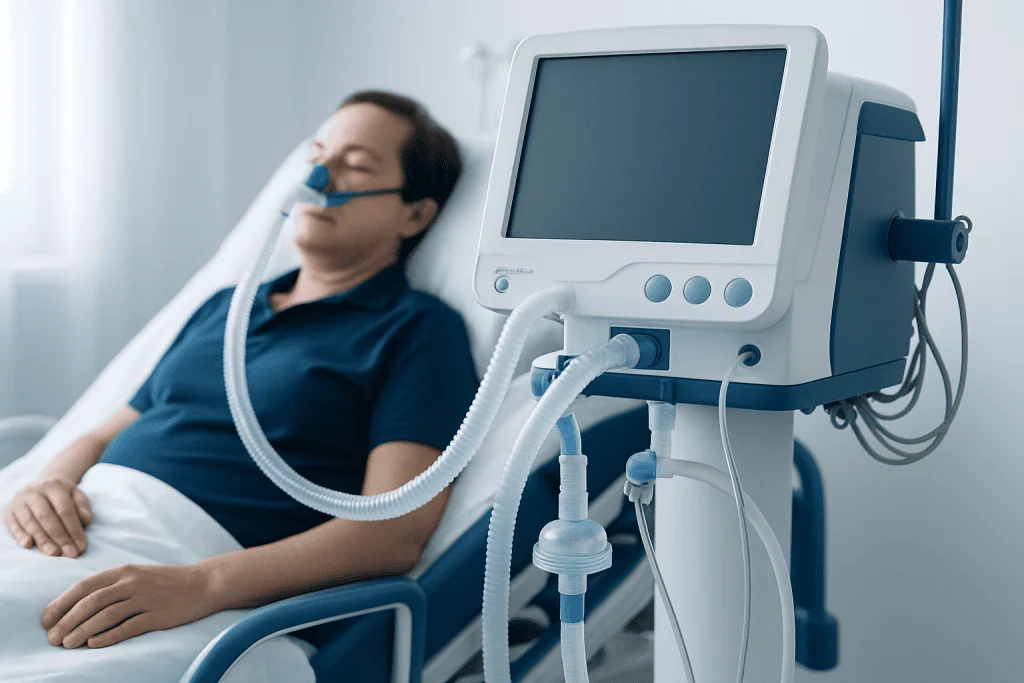
The most common feature of many neuromuscular disorders is muscle weakness. At first, weakness may affect certain muscle groups, such as the legs, hands, face, shoulders, or hips. Over time, a person may notice more difficulty climbing stairs, lifting objects, rising from a chair, buttoning clothes, walking long distances, or keeping up with routine activities.
Fatigue and reduced endurance are also common. Even when strength loss seems limited, muscles may tire more quickly, and tasks that were once simple can take longer. Some disorders also cause muscle cramps, twitching, stiffness, pain, numbness, or tingling, depending on whether nerves, muscles, or both are involved.
As progression continues, other functions may be affected. These may include swallowing, speech clarity, breathing during the day or at night, posture, and balance. Some people develop falls, weight loss related to swallowing problems, or sleep disruption from weak respiratory muscles. Symptoms can be subtle at first, which is why regular review is important.
- Increasing weakness in the arms, legs, face, or trunk
- More frequent fatigue with daily tasks
- Balance problems or falls
- Muscle cramps, pain, or contractures
- Speech or swallowing difficulty
- Shortness of breath, especially when lying down or sleeping
Why Progression Differs Between Conditions
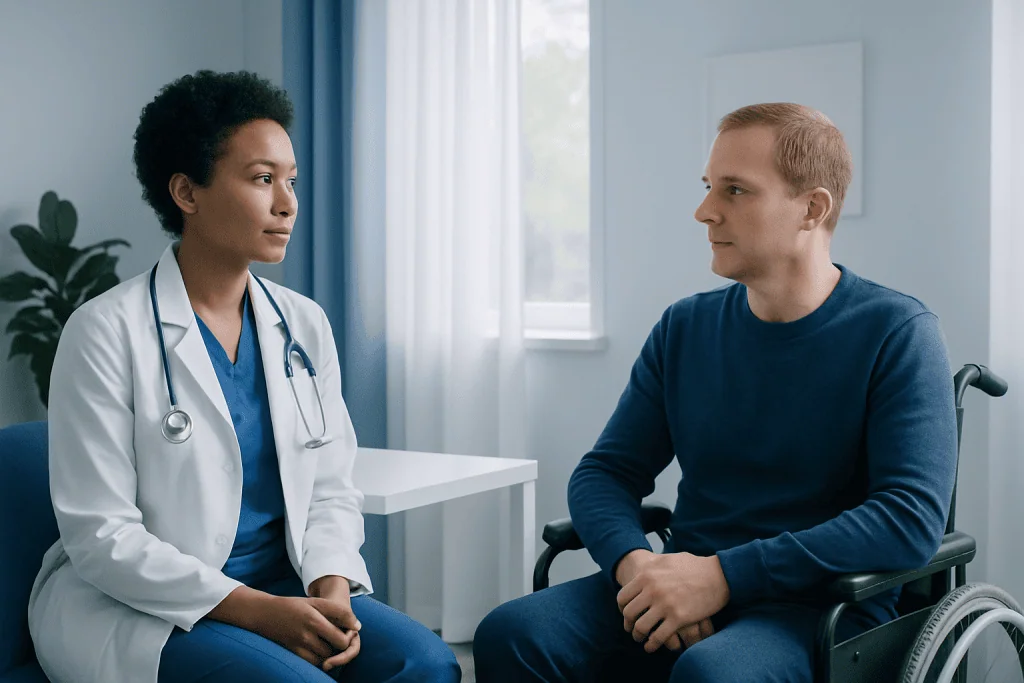
Neuromuscular diseases can arise from different mechanisms. Some are inherited and affect muscle structure directly, as in certain muscular dystrophies. Others involve damage to motor neurons, inflammation of nerves, immune-related problems at the neuromuscular junction, or long-term nerve degeneration. Because each process affects the body differently, the speed and pattern of progression can vary greatly.
Even within the same diagnosis, progression may not be identical from one person to another. Genetic differences, age, general fitness, coexisting health conditions, and timely access to treatment all play a role. In some disorders, symptoms come and go or fluctuate through the day, while in others the change is more steadily progressive.
Doctors often distinguish between slowly progressive, rapidly progressive, relapsing, and relatively stable forms of disease. This helps guide treatment and monitoring. For example, a condition such as muscular dystrophy may progress differently from a nerve-related condition or from myasthenia gravis, where weakness can fluctuate and may improve with appropriate therapy.
How Doctors Monitor Disease Progression
Monitoring progression usually involves repeated clinical assessments over time. A neurologist may evaluate muscle strength, reflexes, walking, coordination, speech, swallowing, and breathing. The aim is not only to confirm whether the condition is changing, but also to identify which body systems need the most support.
Doctors may use functional scales and simple practical measures, such as how far a person can walk, how easily they can rise from a chair, or whether they can perform self-care independently. Pulmonary function testing may be used if breathing muscles could be affected. Swallowing assessments, sleep studies, and nutritional review may also be helpful in selected cases.
Additional tests can support diagnosis and follow-up. Depending on the condition, these may include electromyography, nerve conduction studies, blood tests, genetic testing, muscle imaging, or sometimes muscle biopsy. Imaging and electrodiagnostic testing may be part of a broader neurology care plan, especially when doctors are clarifying the underlying cause or tracking changes over time.
Treatment Options as Needs Change
Treatment depends on the exact diagnosis and the symptoms present. Some neuromuscular diseases have disease-specific medicines that can slow progression, improve nerve-muscle signaling, reduce inflammation, or manage complications. Others are treated mainly with supportive measures that protect function and comfort. In all cases, care is usually individualized and adjusted over time.
Rehabilitation is a central part of management. Physical therapy may help maintain mobility, joint range of motion, and safe movement patterns. Occupational therapy can support hand function, energy conservation, and home adaptations. Speech and language therapy may help if speech or swallowing is affected. In many cases, a tailored physical therapy and rehabilitation program helps a person stay active while avoiding overexertion.
Assistive devices are not a sign of failure; they are tools that support independence and safety. Braces, canes, walkers, wheelchairs, communication aids, or feeding support may become appropriate at different stages. If breathing muscles weaken, respiratory support and timely pulmonary evaluation become especially important. In complex cases, coordinated rehabilitation and specialist follow-up can help address changing needs in a structured way.
Daily Living, Self-care, and Prevention of Complications
Although not all progression can be prevented, good daily care can reduce complications and support quality of life. Patients are often advised to balance activity with rest, avoid prolonged immobility, and follow a realistic exercise plan recommended by their care team. Overexertion can worsen fatigue in some disorders, while too little movement may contribute to deconditioning and stiffness.
Nutrition matters because weight loss, weight gain, or swallowing difficulties can all affect strength and energy. Adequate hydration and safe meal planning may be important if chewing or swallowing becomes difficult. Preventing falls is another key goal, especially when leg weakness or balance problems are present. Simple home adjustments, such as improved lighting, removal of loose rugs, and supportive footwear, can make a meaningful difference.
People with neuromuscular disease may also need attention to respiratory health, sleep quality, skin care, posture, and mental well-being. Vaccinations, routine medical care, and prompt treatment of chest infections may be particularly important for those with weak breathing muscles. Emotional support, counseling, and patient support groups can also help people and families adjust to long-term change.
- Follow the rehabilitation plan recommended by the care team
- Use mobility or orthotic aids when needed for safety
- Report swallowing, weight, or breathing changes early
- Keep the home environment as fall-safe as possible
- Seek support for mood, sleep, and caregiver stress
When to See a Doctor
Regular follow-up is important even when symptoms seem stable, because some changes develop gradually and may be easier to manage when identified early. A person should contact a doctor if weakness is clearly worsening, daily activities are becoming harder, or new symptoms such as falls, severe fatigue, speech changes, numbness, or pain appear.
Urgent medical review is needed for breathing difficulty, choking, repeated aspiration, rapid swallowing decline, sudden inability to walk, or severe dehydration from poor intake. These symptoms do not always mean a medical emergency, but they should not be ignored because prompt care may prevent complications.
Near the end of the care journey, treatment often becomes increasingly multidisciplinary. Neurologists, rehabilitation specialists, respiratory physicians, nutrition experts, and therapists may all be involved. Acibadem International’s multidisciplinary specialists and JCI-accredited hospitals diagnose and treat neuromuscular conditions for international patients, with care plans tailored to the individual diagnosis and stage of disease.
Frequently asked questions
Does every neuromuscular disease get worse over time?
No. Some neuromuscular disorders are progressive, while others may remain stable for long periods or fluctuate rather than steadily worsen. The course depends on the specific diagnosis, its cause, and how the person responds to treatment and supportive care.
What is usually the first sign of neuromuscular disease progression?
A common early sign is increasing muscle weakness or reduced endurance during daily activities. A person may notice more difficulty walking, climbing stairs, lifting objects, or completing tasks that used to feel routine.
Can treatment stop neuromuscular disease progression completely?
Treatment may slow progression, improve symptoms, or reduce complications, but it does not always stop the disease completely. Outcomes vary by condition, which is why regular assessment and personalized care are important.
How often should follow-up be scheduled?
The ideal schedule depends on the diagnosis, symptom severity, and treatment plan. Many people benefit from regular neurological and rehabilitation follow-up, with more frequent review if symptoms are changing or if breathing and swallowing are involved.
Why are breathing and swallowing monitored in these conditions?
Some neuromuscular disorders can weaken the muscles used for breathing and swallowing. Monitoring helps identify problems early, reduce the risk of chest infections or choking, and guide supportive treatments when needed.
Is exercise safe for people with neuromuscular disease?
In many cases, yes, but exercise should be individualized. A clinician or therapist can recommend activity that supports mobility and strength without causing excessive fatigue, strain, or injury.
References
- World Health Organization
- National Institute of Neurological Disorders and Stroke
- Muscular Dystrophy Association
- American Academy of Neurology
- National Organization for Rare Disorders
This article is for general information only and is not a substitute for professional medical advice. Please consult a qualified doctor about your individual situation.
Explore treatments in Turkey — costs, top hospitals & a free quote
JCI-accredited · board-certified surgeons · reply within 24h
Add us as a Preferred Source to see more of our trusted health content across Google Search, AI Overviews and Discover.