Neuropediatric Evaluation: When a Child’s Headaches, Tics, or Delays Need Specialist Care

A neuropediatric evaluation is a specialist assessment for children with possible neurological symptoms or developmental concerns. Not every headache, tic, or delay signals a serious condition, but persistent, unusual, or worsening symptoms deserve medical review.
Key Takeaways
- A neuropediatric evaluation is a specialist assessment for children with possible neurological symptoms or developmental concerns.
- Not every headache, tic, or delay signals a serious condition, but persistent, unusual, or worsening symptoms deserve medical review.
- The assessment often includes a detailed history, physical and neurological examination, and sometimes imaging or other tests.
- Early evaluation can support timely treatment, symptom control, and help with development, learning, and quality of life.
- Parents should seek urgent care if a child has sudden severe symptoms such as weakness, confusion, seizure, or a severe headache with fever or neck stiffness.
A neuropediatric evaluation helps determine whether a child’s headaches, tics, weakness, seizures, or developmental delays may be related to the brain, nerves, muscles, or spinal cord. It gives families a structured way to understand symptoms, identify possible causes, and plan the next steps in care.
Overview: What Is a Neuropediatric Evaluation?
A neuropediatric evaluation is a medical assessment performed by a pediatric neurologist or a team with expertise in children’s nervous system disorders. It focuses on symptoms that may involve the brain, spinal cord, nerves, or muscles. These symptoms can include headaches, seizures, tics, balance problems, developmental delays, unusual movements, weakness, or changes in learning and behavior.
Children are not simply small adults, so neurological symptoms can look different at different ages. A baby may show feeding difficulty, poor muscle tone, or delayed milestones, while a school-age child may have headaches, attention problems, repetitive movements, or coordination issues. The purpose of the evaluation is to understand whether symptoms reflect a temporary issue, a common childhood condition, or a disorder that needs specialist treatment.
In many cases, the evaluation is reassuring. Headaches may be related to migraine, tics may be transient, and mild delays may improve with support. Still, a careful review is important because early recognition of neurological conditions can improve symptom control, school functioning, development, and family planning for care.
Symptoms That May Need Specialist Review
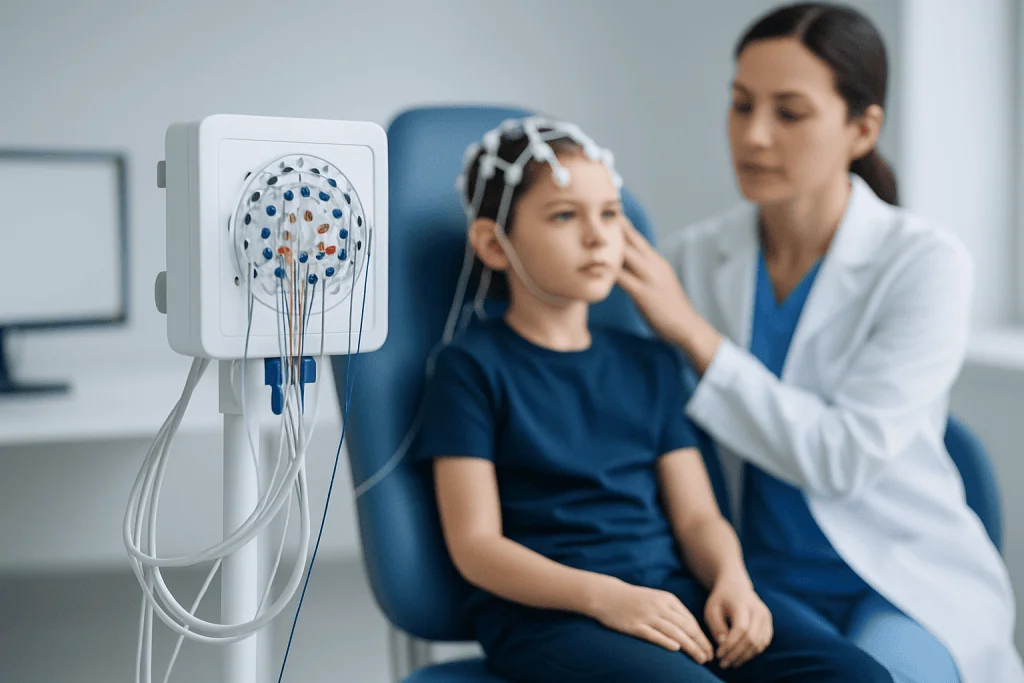
Many children have occasional headaches, brief habits or repetitive movements, or mild differences in development. A neuropediatric evaluation becomes more important when symptoms are frequent, severe, progressive, or interfere with daily life. Parents may be referred by a pediatrician, family doctor, emergency physician, therapist, or school specialist.
Symptoms that often lead to referral include repeated or disabling headaches, fainting episodes, seizures, tremors, persistent tics, weakness, numbness, unsteady walking, unusual eye movements, speech delay, developmental regression, and significant delays in sitting, walking, or language. Problems with muscle tone, feeding, sleep, or sudden changes in behavior may also prompt neurological assessment.
Common examples include children with recurring migraine headaches, children with repetitive sounds or movements that may represent Tourette syndrome or other tic disorders, and children with episodes concerning for epilepsy or seizures. A specialist review can help distinguish between neurological causes and issues that may relate to stress, sleep problems, infection, vision, hormones, or other medical conditions.
- Frequent headaches, especially with vomiting, vision changes, or waking from sleep
- Tics that persist, worsen, or affect school and social life
- Delayed motor, speech, or social milestones
- Weakness, clumsiness, balance trouble, or falls
- Seizure-like episodes, staring spells, or loss of awareness
- Regression of skills previously learned
Possible Causes and Risk Factors
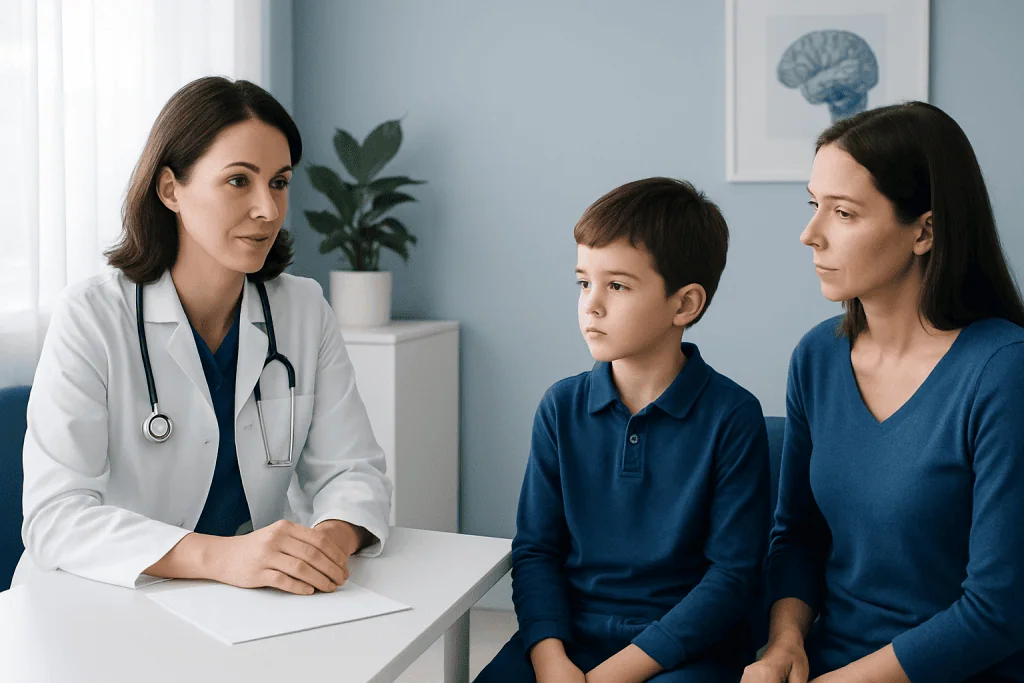
Neurological symptoms in children can arise from many causes, and often the explanation is not dangerous. Headaches may result from migraine, dehydration, poor sleep, stress, skipped meals, vision strain, or infection. Tics may occur on their own, run in families, or become more noticeable during fatigue, excitement, or anxiety. Developmental delays may reflect normal variation, premature birth, hearing problems, learning differences, or conditions affecting the brain or muscles.
Some children have symptoms linked to inherited or congenital disorders, previous birth complications, head injury, inflammation, metabolic disease, or structural differences in the nervous system. Seizures can occur with fever in some young children or may be part of an ongoing seizure disorder. Weakness or coordination problems may relate to muscle disease, nerve disorders, or brain conditions affecting movement.
Risk factors depend on the symptom. Family history of migraine, epilepsy, tic disorders, learning differences, or neuromuscular disease can be relevant. Prematurity, neonatal complications, previous infections affecting the nervous system, and certain genetic syndromes may also increase the likelihood of a neurological explanation. Even so, risk factors do not confirm a diagnosis, which is why a full assessment matters.
How the Diagnosis Is Made
The most important part of a neuropediatric evaluation is often the clinical history. The specialist asks when symptoms started, how often they happen, what triggers them, how long they last, and whether they are changing. Parents may be asked about pregnancy and birth history, developmental milestones, school performance, sleep, medications, family history, and video recordings of episodes when available.
The neurological examination looks at strength, reflexes, muscle tone, coordination, balance, sensation, eye movements, speech, and age-appropriate developmental skills. In babies and young children, the doctor also observes posture, spontaneous movement, interaction, and milestone progression. This examination helps guide whether symptoms likely arise from the brain, peripheral nerves, muscles, or from non-neurological causes.
Some children need further testing, but not all do. Depending on the symptoms, tests may include blood tests, hearing or vision assessment, developmental screening, electroencephalography for suspected seizures, or imaging such as MRI when structural causes need evaluation. In selected cases, the team may also consider genetic testing, sleep studies, or formal neuropsychological or therapy assessments. Testing is chosen carefully to answer specific questions rather than done routinely.
Treatment Options and Ongoing Care
Treatment depends on the diagnosis, the child’s age, symptom severity, and the effect on daily life. Some children need only monitoring and practical changes such as better sleep habits, hydration, meal regularity, stress management, and school support. Others may benefit from medication, behavioral therapy, physical therapy, occupational therapy, speech therapy, or coordinated developmental services.
For headaches, treatment may involve identifying triggers, improving routines, and using appropriate medicines under medical guidance. For tics, education and reassurance are often enough when symptoms are mild, while persistent or distressing tics may be managed with behavioral approaches and sometimes medication. Seizure disorders may require anti-seizure treatment and safety planning. Developmental or motor problems often improve most when therapy starts early and goals are reviewed regularly.
If a structural or surgical issue is identified, a child may be referred for advanced care such as pediatric neurosurgery or other specialist management. Some children also need supportive rehabilitation, including pediatric rehabilitation, to improve movement, function, and independence. Effective care usually involves collaboration among the pediatrician, neurologist, therapists, educators, and family.
Prevention, Monitoring, and Self-care at Home
Not every neurological symptom can be prevented, but healthy routines can reduce triggers and support a child’s overall well-being. Regular sleep, balanced meals, adequate fluids, physical activity, and limited excessive screen exposure may help children who are prone to headaches, fatigue, and concentration problems. A predictable daily routine can also reduce stress, which sometimes worsens headaches and tics.
Parents can help by keeping a symptom diary. Recording when headaches happen, what a child was doing before an episode, how long tics lasted, whether sleep was poor, or whether a seizure-like event was associated with fever can give the specialist valuable clues. Videos of unusual spells or movements, taken safely and respectfully, may also assist diagnosis.
At home, it is useful to focus on support rather than blame. Tics are usually involuntary and should not be punished. Children with delays may benefit from encouragement, structured routines, and early therapy services. Families should also keep up with regular pediatric checkups, hearing and vision screening, and any recommended school-based evaluations. Near the end of a child’s assessment and treatment journey, families may seek care at centers such as Acibadem International, where multidisciplinary specialists in JCI-accredited hospitals diagnose and treat neurological conditions in international patients.
When to See a Doctor Urgently
Parents should seek prompt medical attention if a child has a sudden severe headache, a new seizure, weakness on one side, trouble speaking, persistent confusion, severe unsteadiness, or loss of consciousness. Urgent review is also important if a headache comes with high fever, neck stiffness, repeated vomiting, a significant head injury, or marked sensitivity to light.
A doctor should also be consulted soon if developmental progress stops or a child loses skills they had already gained, such as speech, walking, or hand use. Worsening tics, dramatic behavior change, frequent falls, or new vision problems also deserve timely assessment. Even when symptoms are not an emergency, persistent concerns should not be ignored simply because a child seems well between episodes.
Families know their child best. If something seems unusual, recurrent, or out of proportion, discussing it with a pediatrician is a sensible first step. The doctor can decide whether reassurance, observation, or referral for a neuropediatric evaluation is the most appropriate next step.
Frequently asked questions
What does a neuropediatric evaluation involve?
It usually begins with a detailed discussion of the child’s symptoms, medical history, development, and family history. The specialist then performs a neurological examination and decides whether any further tests, such as EEG, MRI, or developmental assessments, are needed.
Does every child with headaches need a pediatric neurologist?
No. Many childhood headaches can be managed by a pediatrician, especially if they are mild and infrequent. A specialist is more often needed when headaches are severe, recurrent, unusual, associated with neurological symptoms, or not improving with standard care.
Are tics in children always a sign of Tourette syndrome?
No. Many children have temporary tics that improve over time and do not meet the criteria for Tourette syndrome. A specialist can help determine whether the movements are simple transient tics, part of a tic disorder, or due to another cause.
When should developmental delay be assessed?
Developmental concerns should be discussed as soon as they are noticed rather than waiting to see if they resolve on their own. Early assessment can identify hearing, vision, neurological, or developmental causes and may allow helpful support to begin sooner.
Will my child always need brain imaging such as MRI?
Not always. MRI is recommended only when the history or examination suggests a structural cause or when symptoms need further clarification. Many children can be assessed accurately without imaging.
How can parents prepare for the appointment?
It helps to bring a timeline of symptoms, past test results, medication lists, and details about pregnancy, birth, and developmental milestones. A symptom diary or a safe video of episodes can also be very useful for the specialist.
References
- American Academy of Pediatrics
- American Academy of Neurology
- National Institute of Neurological Disorders and Stroke
- Centers for Disease Control and Prevention
- World Health Organization
This article is for general information only and is not a substitute for professional medical advice. Please consult a qualified doctor about your individual situation.
Joint and spine care in Turkey — expert assessment & treatment
JCI-accredited · board-certified surgeons · reply within 24h
Add us as a Preferred Source to see more of our trusted health content across Google Search, AI Overviews and Discover.

Pediatrics
Complete healthcare for infants, children and adolescents across all sub-specialties.
232 specialists in this unit