Neuropediatrics: Warning Signs a Child May Need a Pediatric Neurology Evaluation
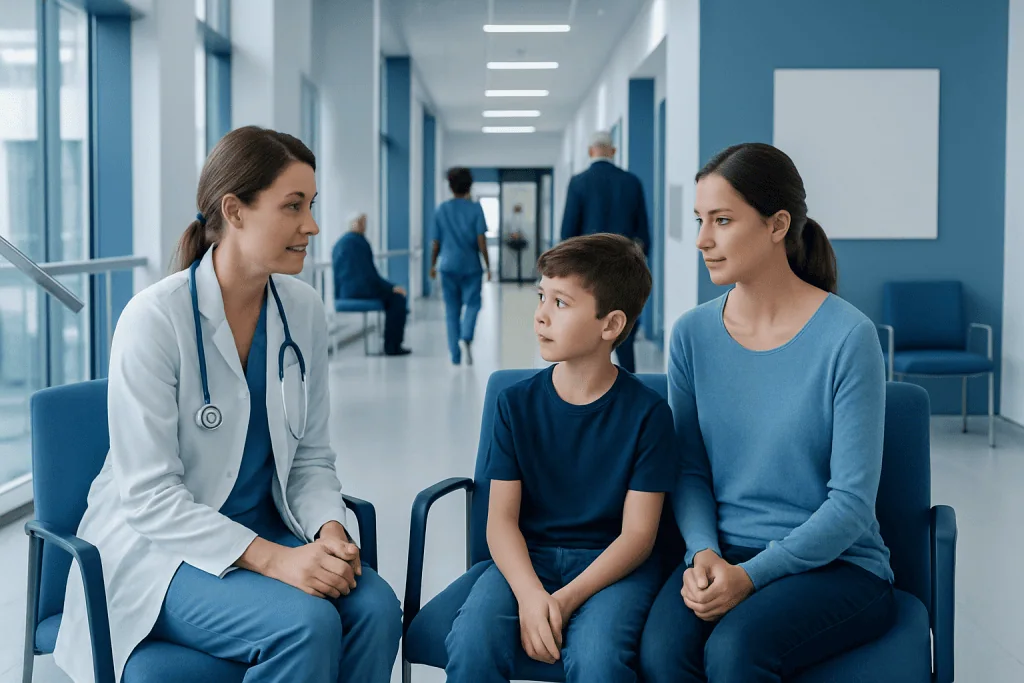
Neuropediatrics evaluates neurological symptoms in infants, children, and adolescents. Warning signs include seizures, developmental delay or regression, persistent weakness, balance problems, and unexplained headaches.
Key Takeaways
- Neuropediatrics evaluates neurological symptoms in infants, children, and adolescents.
- Warning signs include seizures, developmental delay or regression, persistent weakness, balance problems, and unexplained headaches.
- Not every symptom means a serious disorder, but patterns, persistence, or sudden changes should be checked promptly.
- Diagnosis may involve a detailed history, neurological examination, imaging, EEG, or other tests depending on the child’s symptoms.
- Early evaluation can help identify treatable conditions and support a child’s development and quality of life.
Neuropediatrics focuses on conditions affecting a child’s brain, spinal cord, nerves, and muscles. Certain symptoms, such as seizures, developmental regression, severe headaches, weakness, or unusual movements, may mean a child should be assessed by a pediatric neurology specialist.
Overview: What Is Neuropediatrics?
Neuropediatrics is the area of medicine that focuses on the developing nervous system in babies, children, and teenagers. This includes the brain, spinal cord, peripheral nerves, and muscles. A pediatric neurology evaluation is used when a child has symptoms that may suggest a neurological condition, such as seizures, developmental concerns, unusual movements, weakness, or ongoing headaches.
Children are not simply small adults. Their nervous systems are still growing, and symptoms can look different at different ages. For example, an infant may show poor feeding, abnormal muscle tone, or delays in reaching milestones, while an older child may present with headaches, coordination problems, learning changes, or episodes of staring.
Many neurological symptoms in children have causes that are manageable or temporary. Even so, persistent, worsening, or sudden symptoms should not be ignored. A timely evaluation can help clarify whether a symptom is part of normal variation, linked to a common childhood issue, or related to a neurological disorder that needs treatment or monitoring.
Common Warning Signs to Watch For
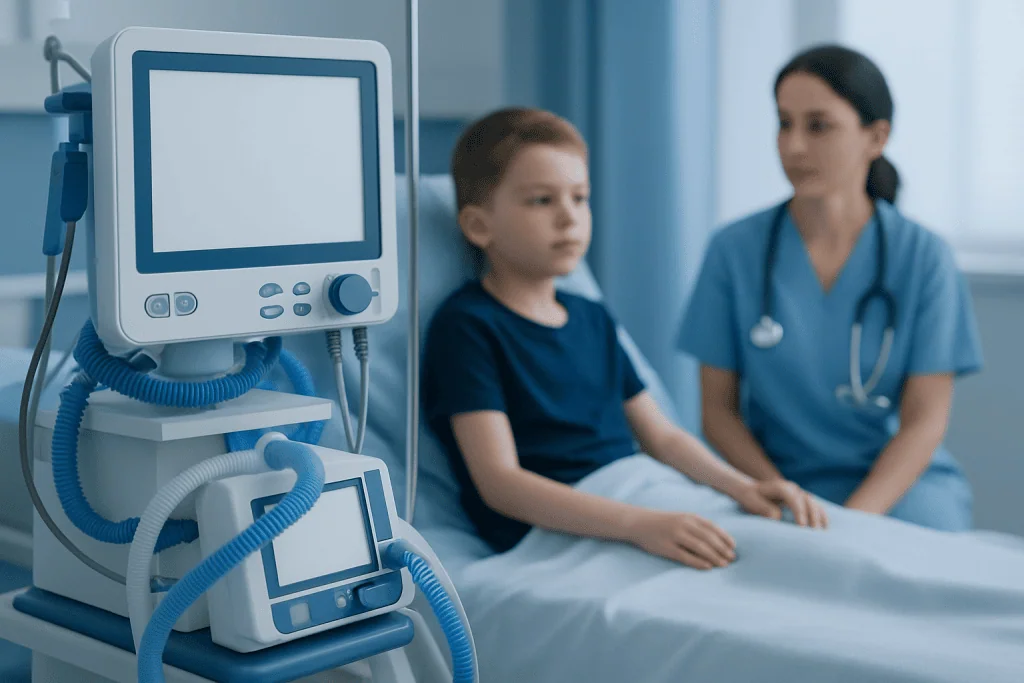
Some warning signs are more likely to suggest that a child should be seen by a pediatric neurologist. One of the clearest examples is a possible seizure. Seizures do not always look like full-body shaking. They may also appear as repeated staring spells, sudden stiffening, rhythmic jerking, unexplained loss of awareness, lip smacking, or brief episodes in which a child seems confused afterward. If seizures are suspected, a doctor may recommend further assessment such as an EEG test.
Developmental concerns are another important reason for evaluation. A child may need review if there are delays in sitting, walking, speaking, or fine motor skills, or if there is a loss of previously learned skills. Regression is especially important to assess because it can point to an underlying neurological or metabolic problem.
Other warning signs include persistent weakness, unusual floppiness or stiffness, frequent falls, poor balance, tremors, tics that are disruptive or unclear, abnormal eye movements, or a hand preference before 18 months of age. Ongoing headaches, especially those that wake a child from sleep, come with vomiting, or are associated with vision changes, may also need neurological assessment. Parents should also seek advice for numbness, tingling, facial asymmetry, or changes in walking.
- Possible seizures or unexplained episodes of altered awareness
- Delays in speech, movement, or social development
- Loss of previously gained skills
- Frequent falls, balance problems, or clumsiness beyond what is expected for age
- Persistent headaches, especially with vomiting or neurological symptoms
- Weakness, abnormal muscle tone, or unusual movements
Symptoms by Age Group

In newborns and infants, warning signs may be subtle. These can include poor sucking, unusual sleepiness, repeated unexplained jerking, stiffness, floppiness, a very small or unusually large head size, or difficulty making eye contact and tracking faces. Delays in head control, rolling, sitting, or babbling can also be reasons to discuss a referral.
In toddlers and preschool children, concerns often become clearer through development and behavior. Parents may notice delayed walking or talking, toe walking, unusual posture, one-sided weakness, staring episodes, repetitive falls, or sudden changes in interaction and play. Some children may be referred because of developmental concerns that overlap with other conditions requiring broader assessment, such as autism.
School-age children and teenagers may present with recurring headaches, blackouts, fainting-like events, weakness during sports, hand tremor, coordination difficulties, changes in school performance, or sensory symptoms such as tingling. Sleep issues, attention concerns, and emotional symptoms can sometimes occur alongside neurological problems, so a full medical review is often helpful before conclusions are made.
Possible Causes and Risk Factors
Neurological symptoms in children can have many causes. Some are present from birth, including genetic conditions, brain development differences, or complications related to premature birth. Others develop later because of infections, inflammation, trauma, migraine, metabolic disorders, or conditions affecting muscles and nerves. In many children, symptoms are ultimately found to have a benign or treatable explanation.
Risk factors depend on the symptom pattern. A child may have a higher likelihood of neurological concerns if there is a history of difficult birth, neonatal intensive care admission, prematurity, serious head injury, central nervous system infection, or a family history of epilepsy, migraine, neuromuscular disease, or inherited neurological conditions. Some learning and movement concerns can also become more noticeable as developmental demands increase.
There are also situations in which symptoms overlap with non-neurological conditions. For example, dizziness may be related to dehydration, headaches may be linked to vision problems or stress, and weakness can sometimes reflect orthopedic or systemic illness rather than a primary neurological disorder. This is why a careful evaluation is important before assuming a cause. When structural problems are suspected, doctors may request MRI imaging to look more closely at the brain or spine.
How a Pediatric Neurology Evaluation Works
A pediatric neurology visit usually begins with a detailed discussion of the child’s symptoms, birth history, development, medical background, and family history. Parents may be asked when symptoms started, how often they occur, whether they are worsening, and what the child is like before and after an episode. Videos recorded safely on a phone can sometimes be very helpful, especially for unusual movements or spells that do not happen during the appointment.
The neurologist then performs a physical and neurological examination. This may include checking reflexes, muscle tone, strength, coordination, balance, sensation, eye movements, speech, and age-appropriate developmental skills. In infants and younger children, the exam is adapted to play and observation rather than formal testing alone.
Further tests depend on the child’s symptoms and examination findings. These may include blood tests, genetic testing, neurodevelopmental assessment, EEG for seizure-like episodes, sleep studies, or imaging of the brain and spine. Some children may need assessment for specific conditions such as epilepsy or neuromuscular disorders, while others may simply need monitoring over time to see how symptoms evolve.
Treatment and Ongoing Care
Treatment depends entirely on the underlying diagnosis. Some children need only reassurance and follow-up, while others benefit from medication, rehabilitation, developmental therapies, or coordinated care from several specialists. Common approaches can include anti-seizure medication for epilepsy, migraine management, physiotherapy for motor difficulties, speech and language therapy, occupational therapy, and support for learning or behavior needs.
For children with movement, muscle, or balance problems, rehabilitation can be especially important in helping them build skills and function more comfortably in daily life. Depending on the child’s needs, a doctor may recommend physical therapy and rehabilitation as part of care. If imaging, EEG, or other tests confirm a specific condition, treatment plans are adjusted to the child’s age, symptoms, and development.
Families often do best when care is coordinated and practical. This may include discussing seizure first aid, headache diaries, school accommodations, sleep routines, and safe physical activity. Near the end of the care pathway, some international families choose centers such as Acibadem International, where multidisciplinary specialists in JCI-accredited hospitals diagnose and treat pediatric neurological conditions with coordinated support.
What Parents Can Do at Home
Parents do not need to diagnose neurological conditions themselves, but they can play an important role in noticing patterns and supporting their child. Keeping a simple symptom diary can help. It may include when symptoms happen, how long they last, any triggers, whether there is fever or illness, and how the child behaves afterward. Videos of concerning episodes, taken safely, can also be useful for the doctor.
Healthy routines matter for many neurological symptoms. Regular sleep, good hydration, balanced meals, age-appropriate activity, and limiting missed medications can all support a child’s wellbeing. For headaches, parents may be advised to watch for triggers such as poor sleep, skipped meals, stress, or dehydration. For developmental concerns, following through with early intervention services can make a meaningful difference.
It is also helpful to communicate with teachers, caregivers, and coaches if a child is being evaluated. They may notice symptoms in different settings, such as episodes of staring, difficulty with coordination, or changes in attention and behavior. Consistent information from home and school often helps specialists understand the full picture.
When to Seek Medical Attention Urgently
Some symptoms need urgent medical care. A child should be seen promptly if there is a first seizure, a seizure lasting several minutes, repeated seizures, new weakness on one side of the body, sudden trouble walking, severe headache with vomiting or confusion, major head injury, or altered consciousness that does not quickly improve. In infants, persistent floppiness, poor responsiveness, or unusual repetitive movements should also be checked urgently.
Parents should also seek timely medical review if a child is steadily losing skills, has frequent unexplained falls, develops a rapidly enlarging head size, or has headaches that are becoming more severe or frequent. Early assessment is particularly important when symptoms interfere with feeding, breathing, school function, mobility, or daily life.
Even when symptoms are not emergencies, families should feel comfortable raising concerns with a pediatrician. If something seems unusual, persistent, or out of step with a child’s age and development, asking for guidance is reasonable. A pediatric neurology evaluation can often provide either reassurance or a clear plan for what to do next.
Frequently asked questions
What does neuropediatrics treat?
Neuropediatrics evaluates disorders involving a child’s brain, spinal cord, nerves, and muscles. This can include seizures, headaches, developmental delay, muscle weakness, movement disorders, and some genetic or neuromuscular conditions.
Does a child with developmental delay always need a neurologist?
Not always, but some children do benefit from pediatric neurology input. Referral is more likely if delays are significant, affect multiple areas, are accompanied by unusual muscle tone or weakness, or involve loss of previously learned skills.
What should parents bring to a pediatric neurology appointment?
It helps to bring previous test results, a list of medications, vaccination and birth history if available, and notes about when symptoms started. Videos of unusual movements or episodes can be especially helpful if they were recorded safely.
Are staring spells always seizures?
No, staring spells can have several causes, including daydreaming, attention issues, or fatigue. However, repeated episodes that are brief, hard to interrupt, or followed by confusion should be assessed by a doctor.
When are headaches in children more concerning?
Headaches deserve medical review if they are severe, frequent, worsening, or associated with vomiting, vision changes, weakness, confusion, or waking from sleep. Many childhood headaches are not dangerous, but certain patterns need further evaluation.
Can neurological problems in children be treated?
Many can be treated or managed effectively, depending on the cause. Treatment may involve medication, therapy, rehabilitation, monitoring, school support, or coordinated care from multiple specialists.
References
- World Health Organization
- American Academy of Pediatrics
- National Institute of Neurological Disorders and Stroke
- International League Against Epilepsy
- Centers for Disease Control and Prevention
This article is for general information only and is not a substitute for professional medical advice. Please consult a qualified doctor about your individual situation.
Pediatric Neurology in Turkey — costs, top hospitals & a free quote
JCI-accredited · board-certified surgeons · reply within 24h
Add us as a Preferred Source to see more of our trusted health content across Google Search, AI Overviews and Discover.

Pediatrics
Complete healthcare for infants, children and adolescents across all sub-specialties.
232 specialists in this unit