Neuropsychology: An Evidence-Based Guide for Patients

Neuropsychology focuses on the relationship between the brain and cognitive, emotional, and behavioral function. Neuropsychological testing can help explain changes in memory, attention, language, planning, mood, and daily functioning.
Key Takeaways
- Neuropsychology focuses on the relationship between the brain and cognitive, emotional, and behavioral function.
- Neuropsychological testing can help explain changes in memory, attention, language, planning, mood, and daily functioning.
- These assessments support diagnosis for conditions such as brain injury, stroke, epilepsy, dementia, ADHD, and other neurological disorders.
- Testing is noninvasive and usually involves interviews, paper-and-pencil tasks, and computer-based activities.
- Results are used to guide treatment, rehabilitation, school or work support, and long-term care planning.
Neuropsychology is the medical field that studies how brain function affects thinking, memory, attention, language, emotions, and behavior. In patient care, it is most often used through neuropsychological testing to clarify symptoms, support diagnosis, and help plan treatment and rehabilitation.
What neuropsychology means in patient care
Neuropsychology is the branch of clinical science that looks at how the brain influences thinking skills, emotions, and behavior. For patients, this usually means an evaluation designed to understand how well areas such as memory, concentration, language, problem-solving, and visual-spatial skills are working. It can help explain symptoms that are difficult to describe, such as “brain fog,” forgetfulness, slowed thinking, or changes in judgment.
Unlike a routine neurological exam, neuropsychology does not mainly measure muscle strength, reflexes, or brain structure. Instead, it studies function: how a person learns new information, stays focused, organizes tasks, processes language, and manages everyday activities. This makes it especially useful when symptoms are subtle, mixed, or affecting school, work, or independence.
Neuropsychologists work alongside neurologists, psychiatrists, rehabilitation specialists, pediatricians, and other clinicians. The goal is not simply to label a problem, but to create a practical picture of a person’s strengths and difficulties so care can be tailored to real-life needs.
What symptoms or concerns may lead to neuropsychological testing
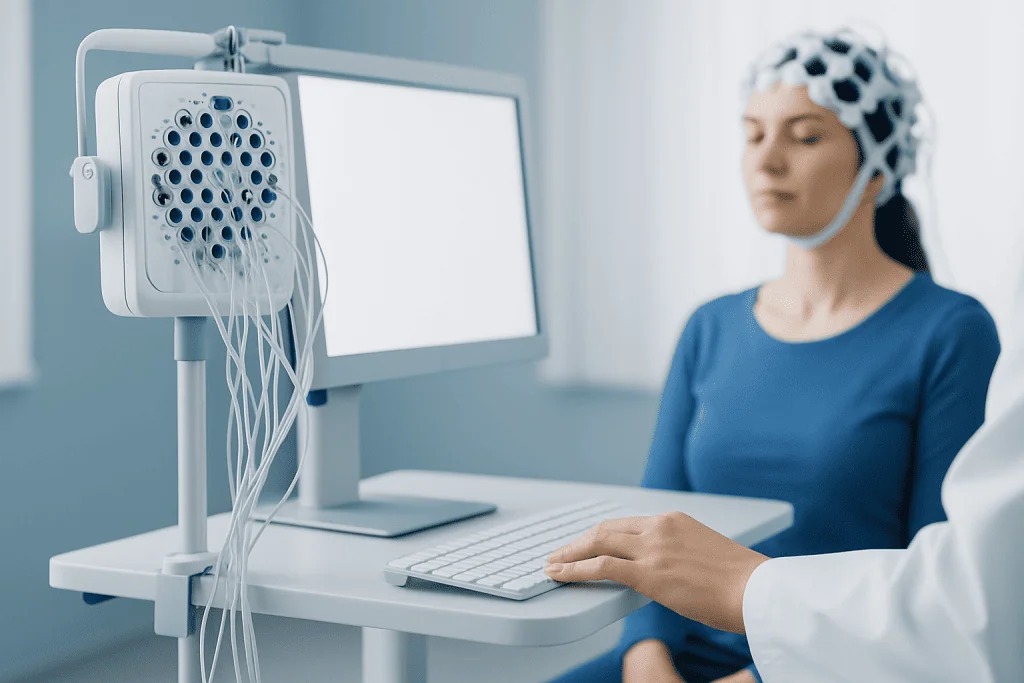
A doctor may recommend neuropsychological testing when there are changes in memory, attention, language, reasoning, or behavior that need closer evaluation. Sometimes symptoms appear gradually, such as increasing forgetfulness or trouble managing familiar tasks. In other cases, testing is used after a sudden event like a head injury, stroke, seizure, or serious illness.
Common reasons for referral include difficulty concentrating, frequent distraction, slowed thinking, word-finding problems, poor planning, reduced mental stamina, or personality changes. Children and teenagers may be referred for learning difficulties, attention problems, developmental concerns, or changes in school performance. Older adults may be evaluated when there is concern about mild cognitive impairment or dementia.
Neuropsychology can also be helpful when emotional symptoms and cognitive symptoms overlap. Anxiety, depression, sleep problems, chronic pain, medication effects, and medical illnesses can all affect cognitive performance. Testing helps clarify whether the pattern fits a neurological condition, a mental health condition, or several contributing factors at the same time.
- Memory loss or unusual forgetfulness
- Difficulty paying attention or staying organized
- Speech or language problems
- Behavior or personality changes
- Learning or academic difficulties
- Concerns after concussion, stroke, or other brain conditions
Which conditions neuropsychology helps assess
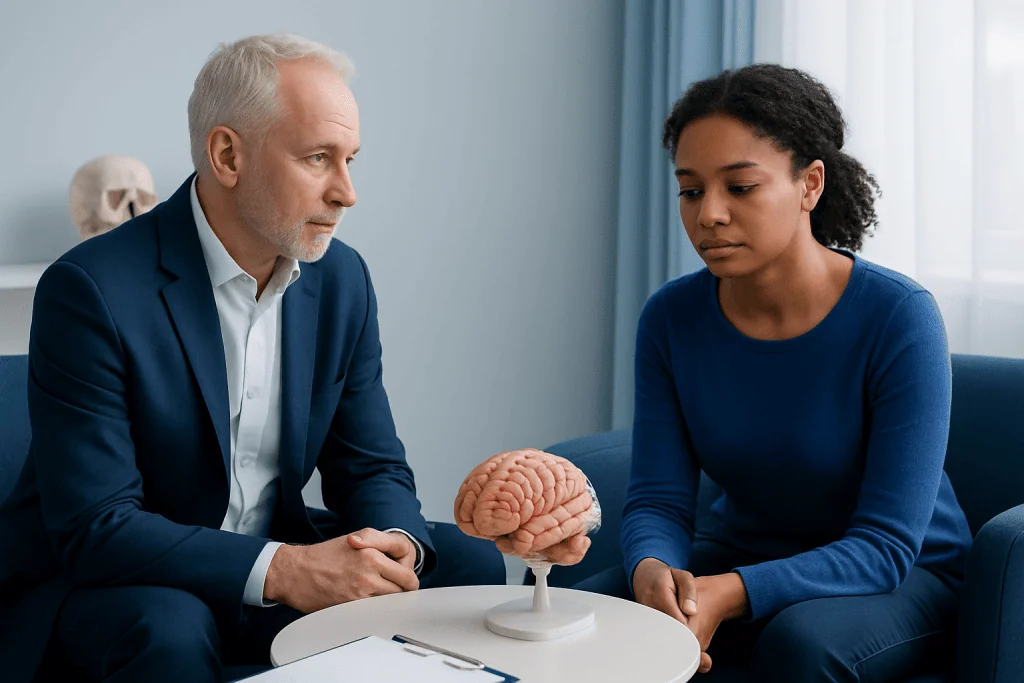
Neuropsychology is not a single treatment for one disease. It is an assessment-based specialty used across many neurological, psychiatric, and developmental conditions. It may support evaluation in people with stroke, traumatic brain injury, epilepsy, multiple sclerosis, brain tumors, Parkinson’s disease, dementia, ADHD, autism spectrum disorder, and some mood disorders.
In brain injury care, testing may show whether symptoms involve attention, processing speed, visual memory, or executive function. In epilepsy, it can help before and after treatment to understand the effects of seizures on memory and language. In aging-related care, it can distinguish healthy aging from patterns more consistent with mild cognitive impairment or dementia, although diagnosis always depends on the full medical picture.
Neuropsychology also plays an important role in rehabilitation. The findings can guide referrals for speech-language therapy, occupational therapy, cognitive rehabilitation, psychotherapy, educational support, or medication review. In some cases, doctors combine testing with brain imaging such as MRI scans or additional neurological evaluation to build a more complete understanding of symptoms.
How a neuropsychological evaluation works
A neuropsychological evaluation usually begins with a detailed interview. The clinician asks about current symptoms, medical history, education, mood, sleep, medications, and daily functioning. Family members or caregivers may also be asked to share observations, especially when memory or behavior changes are part of the concern.
The testing itself is noninvasive. It may include spoken questions, pencil-and-paper tasks, puzzles, memory exercises, reading tasks, naming tasks, and sometimes computer-based tests. Different tests examine different skills, such as attention, learning, language, visual-spatial processing, mental flexibility, and emotional function. The exact set of tests depends on age, symptoms, and the reason for referral.
Performance is interpreted using age-appropriate and education-aware standards. This is important because one low score alone rarely gives the full answer. Neuropsychologists look for patterns across tasks and compare those patterns with the patient’s background, health history, and daily difficulties. In many cases, laboratory studies or neurological examination findings are reviewed alongside the cognitive results.
After testing, the neuropsychologist prepares a report and discusses the results. This usually includes which abilities are strong, which are weaker than expected, what may be contributing to the symptoms, and what next steps may help. Recommendations often focus on practical strategies as much as diagnosis.
What the results can show and how they are used
Neuropsychological results do not usually provide a diagnosis by themselves, but they can strongly support or challenge a clinical impression. For example, the pattern may suggest a problem with attention more than memory, a language-based difficulty rather than general decline, or cognitive effects related to depression, fatigue, or medication. This can prevent misunderstanding and help patients receive more appropriate care.
Results may be used to confirm a baseline before surgery or medical treatment, monitor recovery over time, or document changes after an illness or injury. In rehabilitation settings, they help target therapy toward the areas most likely to improve daily life. A person with slowed processing speed may need different support than someone with impaired visual memory or executive dysfunction.
These findings can also help with school plans, workplace adjustments, driving discussions, and caregiver education. Recommendations may include breaking tasks into steps, reducing distractions, using calendars or reminder systems, building rest periods into the day, and treating contributing factors such as poor sleep or anxiety. When a structural brain problem is suspected, clinicians may also recommend imaging such as brain MRI.
Treatment and support after a neuropsychology assessment
Neuropsychology itself often leads to a care plan rather than acting as a stand-alone treatment. The next steps depend on the cause of the symptoms. Some people benefit from medication review, treatment of sleep or mood problems, seizure management, stroke care, or rehabilitation after injury. Others may need educational accommodations, cognitive therapy, counseling, or support for daily routines.
Cognitive rehabilitation can be especially helpful when there are specific, measurable deficits. This may involve exercises to improve attention, strategies to compensate for memory problems, or practical approaches for planning and organization. Speech-language therapists, occupational therapists, psychologists, and neurologists may all be involved in care depending on the person’s needs.
Family support is often important. Loved ones may need guidance on how to communicate more clearly, structure daily activities, or recognize fatigue and overload. A well-explained assessment can reduce uncertainty by showing that symptoms are being taken seriously and approached in an evidence-based way.
For patients needing coordinated evaluation, Acibadem International’s multidisciplinary specialists in JCI-accredited hospitals diagnose and treat neurological and cognitive conditions for international patients, with care plans that may include neurology, rehabilitation, imaging, and psychological support.
What patients can do before and after testing
Good preparation can make neuropsychological testing more accurate. Patients are usually advised to sleep as well as possible the night before, eat normally, stay hydrated, and bring glasses, hearing aids, medication lists, and previous medical records if available. It also helps to write down examples of everyday problems, such as missed appointments, trouble following conversations, or difficulty completing work tasks.
After the assessment, the most useful step is to review the recommendations carefully and ask questions if anything is unclear. Keeping follow-up appointments matters because the test results are most helpful when combined with ongoing medical care. If treatment is started, repeat assessment may sometimes be used to monitor progress or recovery.
Everyday self-care can also support brain health. Consistent sleep, regular physical activity, social engagement, management of blood pressure and diabetes, and treatment of hearing or vision problems may all help cognitive function. While lifestyle measures are not a substitute for medical evaluation, they can be an important part of the overall plan.
When to seek medical care
Medical care should be sought if problems with memory, attention, language, reasoning, or behavior are new, worsening, or interfering with daily life. It is also important to seek evaluation when symptoms appear after a fall, head injury, seizure, infection, stroke, or another major illness. Early assessment can help identify reversible causes and guide support sooner.
Urgent medical attention is needed for sudden confusion, sudden weakness, facial drooping, trouble speaking, severe headache, loss of consciousness, or a seizure lasting longer than expected. These symptoms may point to an emergency rather than a condition that should wait for routine testing. In children, new developmental regression, major school decline, or abrupt behavior change should also be discussed promptly with a doctor.
Even when symptoms are mild, a professional evaluation is worthwhile if family members have noticed clear changes or if work, school, finances, medication management, or safe driving are becoming difficult. Neuropsychology is most useful when it is part of a broader medical assessment, not a replacement for one.
Frequently asked questions
What is neuropsychology in simple terms?
Neuropsychology studies how the brain affects thinking, emotions, and behavior. In healthcare, it usually involves tests that help explain problems with memory, attention, language, planning, or behavior.
Is neuropsychological testing the same as an IQ test?
No. Some parts of testing may measure general intellectual abilities, but a full neuropsychological assessment goes much further. It looks at multiple cognitive skills and how they relate to symptoms, daily function, and medical history.
How long does a neuropsychological evaluation take?
The length varies depending on the reason for testing, age, and complexity of symptoms. Some evaluations are brief, while others take several hours and may be split into more than one session.
Can neuropsychology diagnose dementia or ADHD?
Testing can strongly support these diagnoses by showing patterns that fit certain conditions. However, diagnosis is based on the full clinical picture, including medical history, examination, and sometimes imaging or laboratory tests.
Does neuropsychological testing involve scans or needles?
No. The testing itself is noninvasive and usually involves interviews, questions, and structured tasks. If needed, a doctor may separately recommend brain imaging or blood tests as part of the wider evaluation.
Who should consider neuropsychological testing?
People with ongoing problems in memory, focus, language, organization, learning, or behavior may benefit from it. It is also commonly used after concussion, stroke, seizures, or when there are concerns about age-related cognitive decline.
References
- National Institute of Neurological Disorders and Stroke
- American Psychological Association
- National Institute on Aging
- Centers for Disease Control and Prevention
- World Health Organization
This article is for general information only and is not a substitute for professional medical advice. Please consult a qualified doctor about your individual situation.
Neuropsychology in Turkey — costs, top hospitals & a free quote
JCI-accredited · board-certified surgeons · reply within 24h
Add us as a Preferred Source to see more of our trusted health content across Google Search, AI Overviews and Discover.