Neurosarcoidosis Treatment: How It Works, Results and What to Expect

Corticosteroids are commonly the first treatment for active neurosarcoidosis because they can reduce inflammation quickly. Long-term or severe disease may require additional immune-suppressing medicines to reduce relapses and limit steroid exposure.
Key Takeaways
- Corticosteroids are commonly the first treatment for active neurosarcoidosis because they can reduce inflammation quickly.
- Long-term or severe disease may require additional immune-suppressing medicines to reduce relapses and limit steroid exposure.
- Recovery varies widely and depends on the nerves involved, the severity of inflammation, and how early treatment begins.
- Diagnosis requires careful exclusion of infections, cancer, and other inflammatory neurological disorders before long-term immunosuppression is used.
- New or worsening weakness, vision changes, seizures, confusion, or severe headache needs urgent medical assessment.
Neurosarcoidosis treatment aims to rapidly control inflammation affecting the brain, spinal cord, nerves, or hormone-regulating structures and to prevent lasting neurological damage. Care is individualized, often combining corticosteroids, steroid-sparing immune therapies, rehabilitation, and close monitoring by several specialists.
Neurosarcoidosis Treatment: How It Works
Neurosarcoidosis treatment controls an overactive immune response that causes inflammation in the nervous system. It is a form of sarcoidosis in which clusters of inflammatory cells, called granulomas, affect areas such as the brain, spinal cord, cranial nerves, peripheral nerves, pituitary gland, or the coverings around the brain and spinal cord. Treatment is intended to ease active inflammation, preserve neurological function, and reduce the chance of relapse.
Corticosteroids are usually the starting treatment because they work relatively quickly. For mild, stable disease, treatment may be given by mouth. More serious inflammation, such as spinal cord involvement, significant weakness, vision-threatening disease, seizures, or altered consciousness, may require corticosteroids given in hospital before changing to an oral regimen.
Because neurosarcoidosis can persist or return, treatment is often planned in phases: bringing active inflammation under control, gradually reducing corticosteroids where appropriate, and using longer-term immune-modifying medicine when needed. The care plan is reviewed regularly, as the balance between benefit and medicine-related side effects differs from person to person.
Who May Need Treatment and How Doctors Plan Care
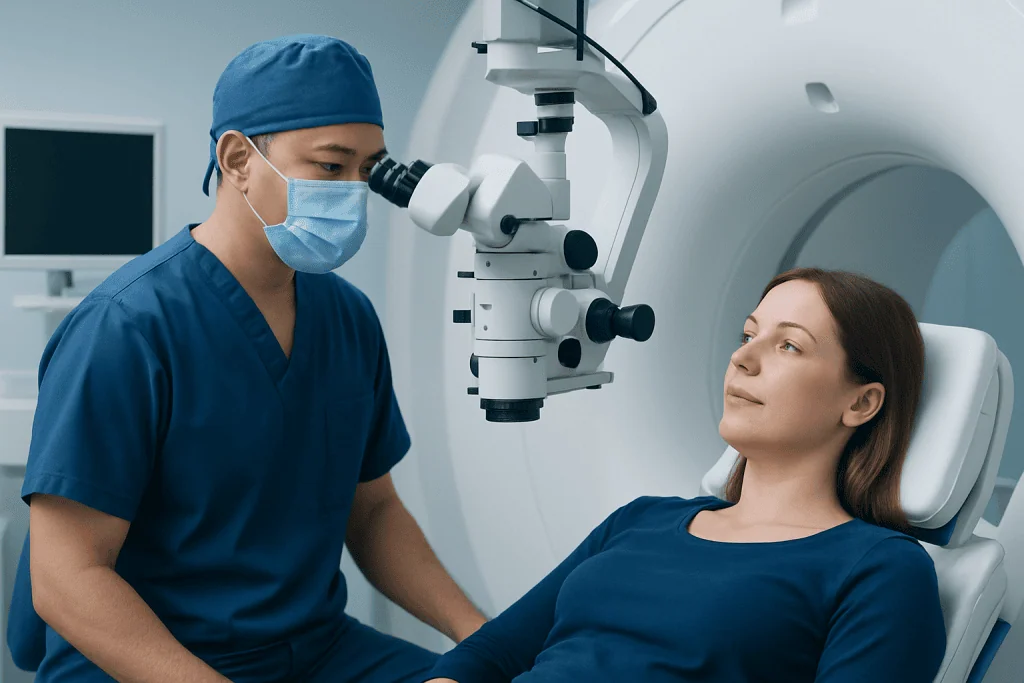
Most people with confirmed or strongly suspected active neurosarcoidosis need treatment, particularly when inflammation is affecting the brain, spinal cord, vision, hearing, facial movement, balance, strength, sensation, bladder function, or hormone regulation. Observation without immune treatment may occasionally be considered when symptoms are minimal and there is no evidence of threatening or progressive neurological involvement, but this decision requires specialist follow-up.
Before starting long-term immune-suppressing therapy, clinicians assess the location and activity of disease, other organs involved, previous medicines, infection risk, vaccination history, and health conditions such as diabetes, high blood pressure, osteoporosis, liver disease, or kidney disease. A neurologist often works alongside respiratory medicine, rheumatology, ophthalmology, endocrinology, infectious disease, radiology, rehabilitation, and other teams as appropriate.
Tests may include MRI scans of the brain or spine with contrast, blood tests, spinal fluid testing, chest imaging, eye assessment, and evaluation of other organs that may provide a safer site for biopsy. When possible, tissue confirmation of sarcoidosis from an affected organ supports the diagnosis and helps guide a safe treatment plan.
Treatment Step by Step: Medicines, Monitoring and Support

The first step is to assess how urgently inflammation needs to be controlled and to rule out conditions that need very different treatment. Infections such as tuberculosis or fungal disease, cancers such as lymphoma, and other autoimmune conditions can resemble neurosarcoidosis. This is especially important because immune-suppressing medicines may worsen an untreated infection.
For active disease, corticosteroids are commonly prescribed first. If symptoms improve and scans or examination findings stabilize, the dose is usually reduced slowly under medical supervision. A sudden stop can be unsafe and may allow inflammation to flare. Doctors also monitor for predictable corticosteroid effects, including changes in blood sugar, blood pressure, mood, sleep, bone health, and infection risk.
If corticosteroids are not sufficient, cause important side effects, or cannot be reduced without relapse, clinicians may add a steroid-sparing medicine. Options can include methotrexate, azathioprine, mycophenolate mofetil, or other immune-modifying therapies. For disease that remains active despite these approaches, biologic medicines that target inflammatory pathways may be considered in specialist care. The choice depends on disease severity, other organ involvement, laboratory monitoring needs, and individual safety considerations.
- Rehabilitation may support strength, mobility, balance, speech, swallowing, memory, and daily activities.
- Anti-seizure medicine may be needed for seizures, while hormone replacement may be needed if the pituitary gland is affected.
- Vision, hearing, pain, bladder symptoms, fatigue, and mood can each need targeted management alongside immune treatment.
Benefits, Risks and What Results to Expect
The main expected benefit of neurosarcoidosis treatment is suppression of active inflammation before it causes further injury. Many people experience improvement in symptoms such as facial weakness, headache, sensory symptoms, or inflammation-related nerve dysfunction. However, treatment cannot always reverse nerve damage that developed before inflammation was controlled, and some people have ongoing symptoms even when the disease is inactive.
Response is assessed through a combination of symptoms, neurological examination, MRI findings, eye or endocrine assessments where relevant, and selected blood or spinal fluid tests. Imaging changes can lag behind clinical improvement, so clinicians consider the whole clinical picture rather than relying on a single test result.
All immune-suppressing medicines have potential risks. Corticosteroids can affect bones, metabolism, mood, sleep, blood pressure, and infection susceptibility, particularly with higher doses or longer use. Other immune therapies may affect blood counts or liver function and can increase infection risk. Regular appointments and laboratory testing help the clinical team identify side effects early and adjust treatment safely.
At Acibadem International, multidisciplinary specialists in JCI-accredited hospitals can assess and treat neurosarcoidosis for international patients, coordinating neurological care with relevant medical and rehabilitation services.
How Bad Is Neurosarcoidosis?
Neurosarcoidosis can range from a limited, treatable cranial nerve problem to a serious condition involving the brain, spinal cord, blood vessels, or hormone-regulating areas of the brain. Its severity depends less on the name of the diagnosis and more on which nervous system structures are involved, how quickly symptoms are progressing, and whether inflammation responds to treatment.
Some manifestations, such as facial nerve palsy, may improve substantially with treatment. Others, including spinal cord inflammation, seizures, stroke-like events, hydrocephalus, severe visual symptoms, or pituitary dysfunction, require prompt specialist care because they can lead to lasting complications. Early assessment and close monitoring are important, but a diagnosis does not automatically mean severe disability.
The condition may follow a relapsing course, with periods of disease activity and stability. Ongoing follow-up allows doctors to detect recurrence early, manage treatment side effects, and support function and quality of life over time.
How Long Does It Take to Recover From Neurosarcoidosis?
Recovery from neurosarcoidosis is highly individual. Some symptoms begin to improve within days to weeks after inflammation is effectively treated, while recovery of nerve function may take months. Where inflammation has caused significant nerve or spinal cord injury, improvement can be slower and may be incomplete.
Immune treatment may continue for many months and sometimes longer to prevent recurrence. The treatment duration is not determined by symptoms alone; clinicians also consider examination results, imaging, evidence of disease activity elsewhere in the body, and whether medicine can be reduced without a flare.
Rehabilitation can be an important part of recovery. Physiotherapy, occupational therapy, speech and swallowing therapy, cognitive rehabilitation, and psychological support can help a person regain function and adapt to symptoms while medical treatment controls inflammation.
What Is the Best Treatment for Neurosarcoidosis?
There is no single best treatment for every person with neurosarcoidosis. Corticosteroids are widely used as first-line therapy for active disease because of their anti-inflammatory effect. The best plan then depends on the severity and location of involvement, response to corticosteroids, treatment side effects, and the likelihood that longer-term immune suppression will be needed.
For people who need prolonged therapy or whose condition returns during steroid reduction, a steroid-sparing immune-suppressing medicine is often added. Resistant or particularly severe disease may need advanced immune therapy in an experienced specialist center. Treatment decisions should be made with a neurologist and other clinicians familiar with sarcoidosis, because monitoring requirements and safety screening vary among medicines.
Supportive care is equally important. Treating seizures, pain, sleep difficulties, fatigue, hormonal changes, mobility problems, or visual impairment can make a meaningful difference to daily life while disease-directed therapy is taking effect.
What Mimics Neurosarcoidosis and When to Seek Medical Care
Neurosarcoidosis can mimic several neurological and systemic illnesses. Important alternatives include central nervous system infections, multiple sclerosis and related inflammatory disorders, vasculitis, autoimmune meningitis, lymphoma and other cancers, stroke, and disorders involving the pituitary gland. MRI findings or spinal fluid changes alone do not prove neurosarcoidosis, which is why clinicians carefully review the full history, examination, laboratory results, imaging, and biopsy findings when available.
Medical care should be sought promptly for new facial drooping, weakness or numbness on one side, difficulty speaking, sudden vision loss or double vision, a seizure, confusion, fainting, severe or rapidly worsening headache, fever with neck stiffness, new walking difficulty, or loss of bladder or bowel control. These symptoms can have several causes and need urgent assessment rather than self-treatment.
People already being treated should contact their care team if neurological symptoms recur, if medicine side effects become concerning, or if they develop signs of infection such as persistent fever, shortness of breath, or unusual weakness. Regular follow-up remains important even when symptoms are stable, as treatment changes should be planned rather than made independently.
Frequently asked questions
Can neurosarcoidosis be cured?
There is not currently a guaranteed cure for neurosarcoidosis. Many people achieve good control of inflammation with treatment, sometimes with long periods of stability. Some people need ongoing monitoring or longer-term immune therapy because the condition can relapse.
Is neurosarcoidosis life-threatening?
Neurosarcoidosis can be serious when it affects critical areas of the brain, spinal cord, blood vessels, or hormone-regulating structures. However, severity varies greatly, and many manifestations respond to timely treatment. Rapidly progressing neurological symptoms should always be assessed urgently.
Will an MRI show neurosarcoidosis?
MRI can show areas of inflammation that may be consistent with neurosarcoidosis, especially in the brain, spinal cord, or cranial nerves. It cannot confirm the diagnosis on its own because other conditions may create similar findings. Doctors interpret MRI results alongside symptoms, blood and spinal fluid tests, imaging of other organs, and biopsy results when possible.
Why are corticosteroids used for neurosarcoidosis?
Corticosteroids reduce inflammation caused by the immune system and can work relatively quickly. They are commonly used first when neurosarcoidosis is active or threatens nerve function. Doctors aim to use the lowest effective exposure and may add another medicine when longer-term control is needed.
Can neurosarcoidosis come back after treatment?
Yes, relapse can occur, particularly when treatment is reduced or stopped. This does not mean treatment has failed, but it may mean the plan needs adjustment or longer-term immune control. Regular clinical review helps identify renewed disease activity early.
What specialists treat neurosarcoidosis?
A neurologist usually coordinates care, often with respiratory specialists, rheumatologists, ophthalmologists, endocrinologists, infectious disease specialists, radiologists, and rehabilitation professionals. The team depends on the areas of the body involved. This collaborative approach helps address both inflammation and its effects on daily function.
References
- National Institute of Neurological Disorders and Stroke
- American Thoracic Society
- Foundation for Sarcoidosis Research
- Merck Manual Professional Edition
- Orphanet
This article is for general information only and is not a substitute for professional medical advice. Please consult a qualified doctor about your individual situation.
Neurosarcoidosis in Turkey — costs, top hospitals & a free quote
JCI-accredited · board-certified surgeons · reply within 24h
Add us as a Preferred Source to see more of our trusted health content across Google Search, AI Overviews and Discover.
Check your numbers in seconds
BMI, calories, due date, blood pressure and 30+ more clinical calculators — free, instant, doctor-reviewed ranges.

More from the Health Library



Related Specialists

Ebru Uzun Saral
Physical Medicine & Rehabilitation
Dr. Cenk Ersemiz
Acibadem Life Clinical Service
Prof. Dr. Mustafa Herdem
Orthopedic Surgery & Traumatology
Assoc. Prof. Dr. Özgüç Takmaz
Gynecology & Obstetrics