Neurosyphilis: Who Should Be Tested and What Treatment Involves

Neurosyphilis can develop at any stage of syphilis and may affect the brain, spinal cord, eyes, ears, or peripheral nerves. Testing is especially important for people with neurologic, eye, or hearing symptoms, or when syphilis treatment response is unclear.
Key Takeaways
- Neurosyphilis can develop at any stage of syphilis and may affect the brain, spinal cord, eyes, ears, or peripheral nerves.
- Testing is especially important for people with neurologic, eye, or hearing symptoms, or when syphilis treatment response is unclear.
- Diagnosis often combines blood tests, a neurologic exam, and sometimes a lumbar puncture to examine cerebrospinal fluid.
- Treatment usually involves intravenous penicillin under medical supervision, followed by careful follow-up.
- Early care helps reduce the risk of lasting complications, but some symptoms may take time to improve.
Neurosyphilis happens when the bacterium that causes syphilis affects the brain, spinal cord, or nerves. It can occur at different stages of infection, but timely testing and antibiotic treatment are often effective, especially when diagnosis is not delayed.
Overview
Neurosyphilis is an infection of the nervous system caused by Treponema pallidum, the bacterium responsible for syphilis. It can involve the brain, spinal cord, meninges, cranial nerves, or other nerves. Although syphilis often begins as a sexually transmitted infection, it can later affect many parts of the body if it is not diagnosed and treated adequately.
A common misunderstanding is that neurosyphilis occurs only in very late syphilis. In fact, it may develop at almost any stage. Some people have no clear symptoms at first, while others develop headaches, vision changes, hearing problems, memory difficulties, weakness, numbness, or balance problems. Because the signs can mimic other neurological conditions, careful medical evaluation is important.
Modern antibiotic treatment has made neurosyphilis much less common than in the past, but it still occurs. The condition may be more likely in people with untreated syphilis, reinfection, or immune compromise, including some people living with HIV. Prompt recognition matters because early treatment can stop progression and may improve symptoms.
Symptoms and possible effects
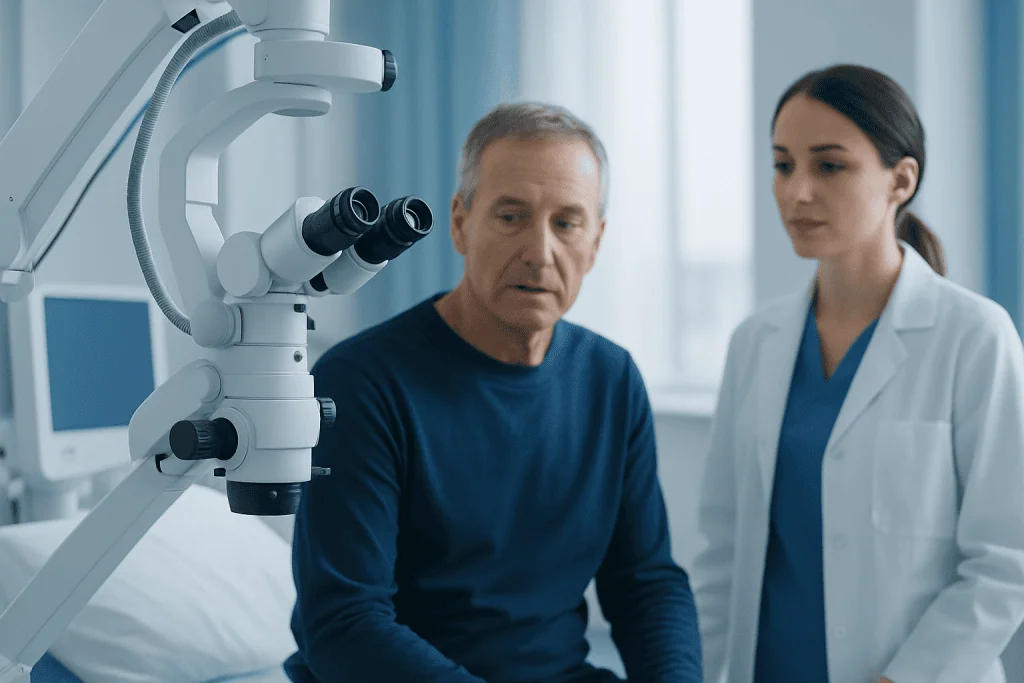
Symptoms vary depending on which part of the nervous system is affected. Some people have meningeal irritation with headache, nausea, neck stiffness, or sensitivity to light. Others develop changes in mood, concentration, memory, or personality. In some cases, neurosyphilis causes stroke-like symptoms because the infection affects blood vessels supplying the brain.
Eye and ear involvement deserve special attention. Syphilis can affect the eyes and cause blurred vision, eye pain, floaters, or vision loss. It may also affect the inner ear, leading to hearing loss, ringing in the ears, dizziness, or imbalance. These problems may occur with or without other neurological symptoms and are considered urgent because delayed treatment can raise the risk of lasting damage.
Later forms of neurosyphilis can affect the spinal cord or peripheral nerves, leading to numbness, shooting pains, unsteady walking, poor coordination, bladder problems, or weakness. Some people may also have reduced reflexes or changes in pupil reaction. Because these symptoms overlap with many other disorders, they should not be self-diagnosed.
- Headache or neck stiffness
- Memory, mood, or concentration changes
- Vision changes or eye discomfort
- Hearing loss, tinnitus, or vertigo
- Numbness, weakness, balance problems, or gait changes
- Stroke-like symptoms such as sudden speech or movement difficulty
Who should be tested?

Testing for neurosyphilis is not necessary for every person with syphilis, but it is recommended in certain situations. A doctor may advise further evaluation when someone with current or past syphilis has neurologic symptoms such as headache, cognitive changes, facial weakness, numbness, difficulty walking, or other unexplained nerve problems. Visual symptoms, hearing loss, tinnitus, or vertigo also warrant urgent assessment.
Testing may also be considered when blood test results for syphilis remain high or rise again after treatment, suggesting possible treatment failure or reinfection. People with syphilis and HIV may need particularly careful follow-up, especially if they have symptoms or an uncertain response to treatment. The goal is not to alarm, but to make sure the infection has not involved the nervous system.
Doctors sometimes evaluate for neurosyphilis before deciding on a treatment plan if the clinical picture is unclear. This can be part of a broader assessment of syphilis and its complications. Testing decisions are individualized, based on symptoms, examination findings, blood test results, medical history, and overall risk factors.
Causes and risk factors
Neurosyphilis is caused by spread of the syphilis bacterium into the nervous system. This can happen early or late in the course of infection. Not everyone with syphilis develops neurosyphilis, and the exact reasons vary from person to person. Factors such as delayed diagnosis, incomplete treatment, lack of follow-up, or reinfection may increase risk.
Immune status also matters. People living with HIV can have overlapping symptoms and may be more vulnerable to complications from syphilis, especially if infection is untreated. However, neurosyphilis can occur in people without HIV as well. A person does not need to have visible syphilis sores or a known recent infection to develop neurologic complications.
Risk reduction starts with prevention, early testing for sexually transmitted infections, and completing prescribed treatment. Anyone who has had syphilis before can become reinfected if exposed again. For that reason, follow-up blood testing and partner notification are important parts of care.
How neurosyphilis is diagnosed
Diagnosis usually begins with a detailed medical history and physical examination, including a neurologic exam. A doctor asks about prior syphilis infection, treatment received, sexual health history, HIV status, new symptoms, and how symptoms have changed over time. Blood tests for syphilis help confirm current or past infection and guide next steps.
When neurosyphilis is suspected, many patients need a lumbar puncture, also called a spinal tap. This test collects cerebrospinal fluid to look for signs of infection or inflammation. The fluid may be checked with cell counts, protein levels, and syphilis-specific testing. No single result is perfect on its own, so doctors interpret the findings together with symptoms and blood test results.
If eye or ear symptoms are present, additional specialist evaluation may be needed. Brain imaging, such as MRI scanning, may help rule out other causes of neurologic symptoms, although imaging alone cannot confirm neurosyphilis. In some cases, doctors also evaluate related complications such as meningitis or other neurological infections before reaching a final diagnosis.
Treatment options and what treatment involves
The standard treatment for neurosyphilis is penicillin given in a way that reaches the central nervous system, most often through intravenous therapy in a hospital or supervised setting. The exact regimen depends on the clinical situation and the treating team’s judgment. If a person has a penicillin allergy, doctors may discuss allergy evaluation or desensitization because penicillin remains the preferred treatment in many cases.
Treatment aims to eliminate the infection, prevent further damage, and stabilize or improve symptoms. Improvement can take time. Headache and inflammation may settle relatively quickly, while vision, hearing, nerve, or memory-related symptoms may recover more slowly and sometimes only partially. This does not mean treatment failed; it often reflects how long the infection has been present before therapy began.
Hospital-based care may include infectious diseases care together with input from neurology, ophthalmology, or ENT specialists, depending on symptoms. Some patients need eye examinations, hearing assessments, or follow-up neurology evaluation after antibiotic therapy. Near the end of the care pathway, some international patients choose centers such as Acibadem International, where multidisciplinary specialists in JCI-accredited hospitals diagnose and treat neurosyphilis and related complications.
Follow-up after treatment is essential. Doctors usually repeat blood tests over time to make sure the infection is responding as expected. In selected cases, repeat lumbar puncture or additional examinations may be recommended, especially if symptoms persist, worsen, or the blood test pattern does not improve in the expected way.
Prevention, self-care, and protecting others
The best way to prevent neurosyphilis is to prevent, detect, and treat syphilis early. Safer sex practices, routine sexually transmitted infection screening when appropriate, and prompt medical review of genital sores, rashes, or unexplained neurologic symptoms all help reduce risk. People who have been treated for syphilis should attend follow-up appointments even if they feel well.
Partner testing and treatment are important because untreated partners can continue the chain of infection and reinfection. A clinician or local sexual health service can advise on how partners should be informed and tested. This is a routine part of STI care and helps protect both the individual and the community.
Self-care during recovery includes taking prescribed treatment exactly as directed, resting if symptoms are tiring, and reporting any new or worsening symptoms promptly. People with vision changes, sudden hearing problems, severe headache, confusion, weakness, or stroke-like symptoms should seek urgent medical attention rather than waiting for a routine appointment.
When to see a doctor
A person should see a doctor promptly if they have had syphilis and later develop neurological, visual, or hearing symptoms. They should also seek review if they were treated for syphilis but symptoms never fully improved, returned, or blood test follow-up has been missed. Early reassessment can clarify whether further testing is needed.
Urgent medical attention is especially important for sudden vision loss, a rapid drop in hearing, severe headache, confusion, fainting, seizures, weakness on one side, trouble speaking, or severe imbalance. These symptoms do not always mean neurosyphilis, but they require immediate evaluation.
For many people, the hardest step is simply arranging the first appointment. Reassurance is appropriate: neurosyphilis is treatable, and a structured medical workup can identify whether symptoms are due to this infection or another condition. Clear communication with a qualified clinician is the safest way forward.
Frequently asked questions
Can neurosyphilis happen even if syphilis was caught early?
Yes. Neurosyphilis can develop at different stages of syphilis, including relatively early in the infection. That is why neurological, eye, or ear symptoms in someone with syphilis should always be assessed by a doctor.
Does everyone with syphilis need a spinal tap?
No. A lumbar puncture is usually reserved for people with symptoms suggesting nervous system involvement or when blood test results and treatment response raise concern. The decision is based on the full clinical picture, not on one test alone.
Is neurosyphilis curable?
The infection itself can usually be treated effectively with appropriate antibiotics. However, recovery from nerve or organ damage may vary, and some symptoms can take time to improve or may not fully reverse if treatment is delayed.
What is the difference between syphilis and neurosyphilis?
Syphilis is the overall infection caused by the bacterium <em>Treponema pallidum</em>. Neurosyphilis refers specifically to syphilis involving the brain, spinal cord, or nerves.
Can neurosyphilis affect vision or hearing?
Yes. Syphilis can involve the eyes or inner ear, causing blurred vision, eye pain, hearing loss, ringing in the ears, dizziness, or balance problems. These symptoms should be treated as urgent because early treatment may help protect function.
How long is follow-up needed after treatment?
Follow-up usually continues for months, using repeat blood tests and clinical review to confirm response. Some people also need repeat specialist examinations or additional testing if symptoms persist or the response is unclear.
References
- World Health Organization
- Centers for Disease Control and Prevention
- National Institute of Neurological Disorders and Stroke
- National Institutes of Health
- European Centre for Disease Prevention and Control
This article is for general information only and is not a substitute for professional medical advice. Please consult a qualified doctor about your individual situation.
Joint and spine care in Turkey — expert assessment & treatment
JCI-accredited · board-certified surgeons · reply within 24h
Add us as a Preferred Source to see more of our trusted health content across Google Search, AI Overviews and Discover.