No Nicotine Vape: What Patients Need to Know

A no nicotine vape does not contain nicotine, but it can still expose the body to heated chemicals and ultrafine particles. Common short-term effects may include throat irritation, coughing, dry mouth, chest discomfort, and wheezing.
Key Takeaways
- A no nicotine vape does not contain nicotine, but it can still expose the body to heated chemicals and ultrafine particles.
- Common short-term effects may include throat irritation, coughing, dry mouth, chest discomfort, and wheezing.
- Product labels are not always perfect, so some products marketed as nicotine-free may still contain trace amounts of nicotine or other substances.
- Young people, pregnant individuals, and people with asthma or other lung conditions may be more vulnerable to harm.
- The safest choice for lung health is to avoid vaping altogether and seek medical advice if symptoms develop.
A no nicotine vape is an e-cigarette product made without nicotine, but that does not make it harmless. Even without nicotine, the aerosol can contain chemicals and fine particles that may irritate the lungs, throat, and airways and may affect overall health.
Overview: what a no nicotine vape really means
A no nicotine vape is a vaping product designed to deliver aerosol without nicotine. In practice, this usually means a liquid made with ingredients such as propylene glycol, vegetable glycerin, flavorings, and other additives that are heated and inhaled. For many patients, the main question is whether removing nicotine makes vaping safe. The short answer is no: nicotine-free does not mean risk-free.
Nicotine is one important source of harm in many vaping products because it can lead to dependence and affect the heart and developing brain. However, the heated aerosol itself may still irritate the mouth, throat, lungs, and airways. Some people also react to flavoring chemicals or to the way the liquid changes when heated.
Another important point is that product labeling may not always be completely reliable. Research has found that some products sold as nicotine-free may contain small amounts of nicotine or contaminants. Because manufacturing quality varies, two products labeled the same way may not expose users to the same substances.
Patients often choose a no nicotine vape to avoid addiction or as a step away from smoking. While that intention is understandable, it helps to approach these products with clear expectations: they may reduce nicotine exposure, but they do not eliminate the potential health effects of inhaling aerosolized chemicals.
How no nicotine vape products may affect the body
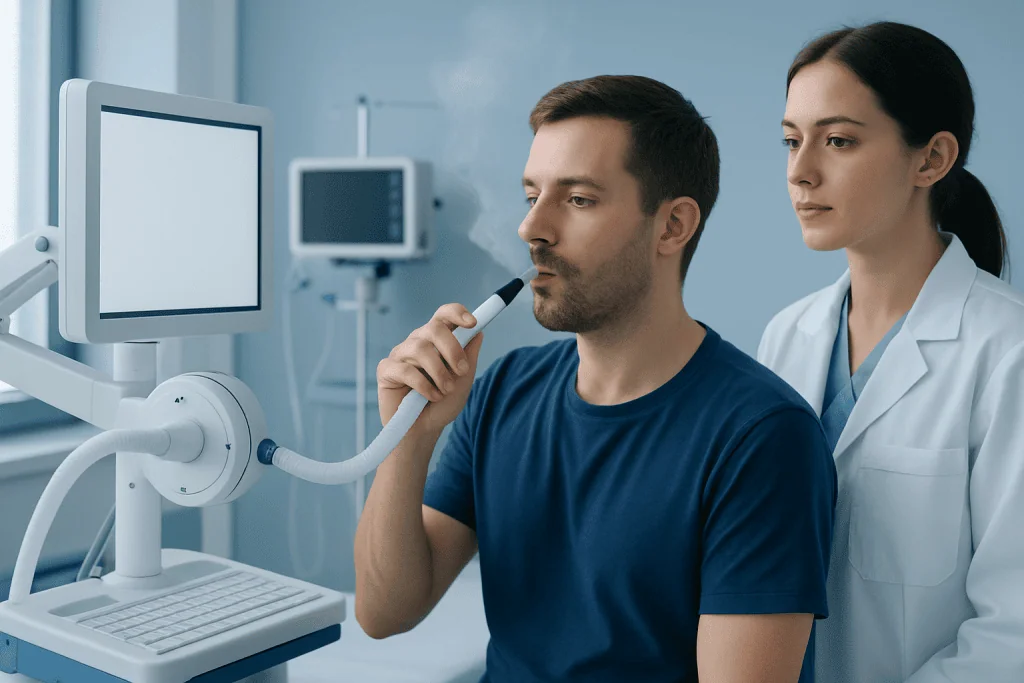
When a vape device heats liquid, it creates an aerosol that is inhaled deep into the respiratory tract. This aerosol can contain fine particles, flavoring compounds, solvents, and thermal breakdown products. Even without nicotine, these substances may irritate delicate tissues in the nose, throat, bronchi, and lungs.
Short-term effects vary from person to person. Some users report a dry mouth, sore throat, coughing, chest tightness, headache, or nausea. Others notice wheezing or a burning feeling in the airways, especially if they already have sensitive lungs or allergies. Symptoms may be more noticeable with frequent use, flavored products, or high-power devices that generate larger amounts of aerosol.
There are also broader health questions beyond the lungs. Some ingredients may contribute to inflammation or oxidative stress, although the exact long-term effects of nicotine-free vaping are still being studied. The absence of nicotine removes one known harmful component, but it does not remove the uncertainty surrounding repeated inhalation of heated flavorings and solvents.
Patients with underlying respiratory disease may be especially sensitive. A person with asthma or chronic cough may notice symptom flare-ups after vaping, even if the product is marketed as gentle or nicotine-free. For this reason, any ongoing breathing symptoms should be discussed with a qualified clinician.
Common symptoms and possible side effects

Many side effects linked to a no nicotine vape are related to airway irritation. These can begin soon after use or develop gradually with repeated exposure. Symptoms do not always mean a serious illness, but they are a sign that the body may not be tolerating the aerosol well.
Common symptoms can include:
- Coughing or frequent throat clearing
- Dry mouth or dry throat
- Sore throat or hoarseness
- Chest discomfort or tightness
- Wheezing or shortness of breath
- Headache, dizziness, or nausea
- Eye or nasal irritation
Flavorings can also matter. Sweet, minty, or cooling additives may feel smoother at first, but they can still be irritating. Some people become more aware of symptoms during exercise, at night, or when using a vape in enclosed indoor spaces.
Patients should also know that severe symptoms are uncommon but possible, particularly if a product is contaminated, modified, or used heavily. Significant breathing trouble, low oxygen, or persistent chest pain needs urgent medical evaluation. Inhalation-related lung problems are discussed further in acute respiratory distress syndrome when symptoms become severe and affect oxygen levels.
Who may be at higher risk
Not everyone faces the same level of risk from vaping without nicotine. Young people are a major concern because the lungs and brain are still developing, and vaping can normalize inhaling substances regularly even when nicotine is absent. Habit formation, social dependence, and transition to nicotine-containing products can also occur.
Pregnant individuals should be especially cautious. Although nicotine-free products avoid nicotine exposure, the safety of inhaling flavoring chemicals and other aerosol components during pregnancy is not established. Avoiding unnecessary inhaled chemicals is generally the safer choice.
People with asthma, chronic bronchitis, allergies, or other lung conditions may be more likely to cough, wheeze, or feel chest tightness after using a no nicotine vape. Those with heart disease may also wish to ask a doctor before using any inhaled product that can trigger stress responses, airway irritation, or inflammation.
Secondhand exposure deserves attention too. While a no nicotine vape does not produce traditional cigarette smoke, it still releases aerosol into the surrounding air. Family members, children, and others nearby may inhale particles and chemicals, especially in cars or poorly ventilated indoor spaces.
How doctors evaluate symptoms related to vaping
There is no single test that proves a person’s symptoms come from a no nicotine vape, so doctors usually begin with a careful history. They may ask what product was used, how often it was used, whether it was truly nicotine-free, what flavors were involved, and whether symptoms improved after stopping. This information helps separate vaping-related irritation from infections, asthma, reflux, or other common causes of cough and chest discomfort.
A physical examination may focus on the lungs, heart rate, oxygen level, and signs of throat or nasal irritation. If symptoms are persistent or more severe, testing may include lung function tests, blood tests, or imaging such as a chest X-ray. In patients with marked shortness of breath or unclear findings, chest X-ray or CT scan may help doctors look for inflammation or other lung changes.
For ongoing breathing complaints, referral to a respiratory specialist may be helpful. Evaluation can be especially important for people with pre-existing asthma or recurrent wheezing, where treatment plans may need to be adjusted. In some cases, doctors may recommend further assessment through pulmonary function testing to measure airflow and airway sensitivity.
The key point for patients is that honesty about vaping use helps doctors make a faster and more accurate diagnosis. Many people are understandably unsure whether a nicotine-free product is medically relevant, but it is important to mention it during the consultation.
Treatment, stopping use, and safer next steps
The first step when symptoms appear is usually to stop using the vape, at least temporarily, and monitor whether symptoms improve. Mild irritation such as throat dryness or occasional coughing often settles after discontinuing exposure. Drinking fluids, avoiding additional airway irritants, and resting the voice may also help with short-term discomfort.
If symptoms are more persistent, treatment depends on the cause. A doctor may assess for asthma flare-up, bronchitis, infection, reflux, or another condition. Management might include inhalers or other therapies when medically appropriate, but treatment should be individualized rather than self-prescribed.
For people who switched to a no nicotine vape after smoking, a clinician can help identify safer ways to remain smoke-free. Behavioral counseling and structured cessation support may be more reliable than continuing inhaled products with uncertain long-term effects. If a patient is still using nicotine products as well, they may benefit from a smoking cessation plan tailored to their needs.
Near the end of the care pathway, some patients may need specialist review if symptoms do not improve or if there are signs of more significant lung involvement. Acibadem International’s multidisciplinary specialists and JCI-accredited hospitals diagnose and treat respiratory and general health concerns for international patients when further evaluation is needed.
Prevention and self-care
The most effective way to prevent harm from a no nicotine vape is not to use it. For patients who are considering vaping because they want to avoid cigarettes, it may help to discuss alternatives with a healthcare professional first. Personalized smoking cessation or habit-reduction support often addresses both the physical habit and the behavioral routine that keeps vaping or smoking going.
If a person continues to use a nicotine-free vape, basic precautions may reduce risk but cannot make the product safe. It is wise to avoid modified or informal products, not share devices, avoid use around children, and stop immediately if symptoms develop. Products from unclear sources carry added concerns about contamination and inaccurate labeling.
Home environments also matter. Good ventilation can reduce secondhand aerosol exposure, but it does not eliminate it. Patients with allergies, asthma, or frequent respiratory infections may notice improvement when all vaping is kept out of the home and car.
Self-care should include paying attention to patterns. Keeping track of cough, wheeze, throat irritation, exercise tolerance, or sleep disturbance can help patients recognize whether vaping is affecting their health. Any pattern of worsening symptoms deserves medical review rather than continued experimentation with different liquids or devices.
When to seek medical care
Medical care is appropriate if symptoms after using a no nicotine vape are persistent, bothersome, or unusual for the individual. A doctor should assess ongoing cough, wheezing, repeated throat irritation, chest tightness, or symptoms that interfere with exercise, sleep, or daily life. This is especially important for children, teenagers, pregnant individuals, and people with asthma or other lung disease.
Urgent medical attention is needed for severe shortness of breath, blue lips, confusion, fainting, significant chest pain, coughing up blood, or rapidly worsening breathing symptoms. These signs can have several causes, but they should never be ignored simply because the product was labeled nicotine-free.
Patients should also seek advice if they are using nicotine-free vaping as a substitute for smoking and are finding it difficult to stop. A healthcare professional can help with safer, evidence-based ways to reduce dependence and protect lung health over time.
In summary, a no nicotine vape may avoid nicotine, but it still exposes the body to inhaled chemicals. When symptoms appear or questions remain, timely medical guidance is the safest next step.
Frequently asked questions
Is a no nicotine vape safe?
A no nicotine vape is generally less concerning for nicotine dependence because it does not contain nicotine, but it is not considered harmless. The aerosol can still contain heated chemicals, flavorings, and fine particles that may irritate the lungs and airways.
Can a no nicotine vape hurt the lungs?
Yes, it can. Even without nicotine, inhaling aerosolized solvents and flavoring chemicals may cause coughing, throat irritation, wheezing, or chest discomfort, especially in people with sensitive airways or existing lung conditions.
Why does a nicotine-free vape make someone cough?
Coughing can happen because the heated aerosol irritates the throat and airways. Ingredients such as propylene glycol, vegetable glycerin, and flavorings may trigger dryness or inflammation, particularly with frequent use.
Can products labeled nicotine-free still contain nicotine?
Sometimes they can. Manufacturing and labeling are not always perfect, and some products marketed as nicotine-free may contain trace amounts of nicotine or other unexpected substances.
Is no nicotine vape better than smoking cigarettes?
It may reduce exposure to some harmful substances found in cigarette smoke and avoids nicotine if the label is accurate, but it should not be viewed as risk-free. The safest option for health is to avoid both smoking and vaping whenever possible.
Should a person with asthma use a no nicotine vape?
People with asthma should be cautious because vaping can irritate the airways and may worsen symptoms such as wheezing or shortness of breath. Anyone with asthma who notices symptoms after vaping should speak with a doctor.
References
- World Health Organization
- Centers for Disease Control and Prevention
- American Lung Association
- National Institute on Drug Abuse
- U.S. Food and Drug Administration
This article is for general information only and is not a substitute for professional medical advice. Please consult a qualified doctor about your individual situation.
Explore treatments in Turkey — costs, top hospitals & a free quote
JCI-accredited · board-certified surgeons · reply within 24h
Add us as a Preferred Source to see more of our trusted health content across Google Search, AI Overviews and Discover.

More from the Health Library

Saddle Joint — Explained by Medical Evidence, Not Myths

Regular Temperature Human Body: A Complete Medical Overview

Growth Hormone — Explained by Medical Evidence, Not Myths

Catamenial Epilepsy and Menstrual Cycle Seizure Changes

Baking Soda for Hair — Explained by Medical Evidence, Not Myths