Normal Creatinine Levels: What Your Results Mean and When to Act

Creatinine is a waste product measured in blood or urine to help assess kidney function. Normal creatinine levels differ between laboratories and should be read alongside the lab’s reference range.
Key Takeaways
- Creatinine is a waste product measured in blood or urine to help assess kidney function.
- Normal creatinine levels differ between laboratories and should be read alongside the lab’s reference range.
- A mildly abnormal result is not always a sign of kidney disease; dehydration, exercise, muscle mass, and medications can affect it.
- Doctors often interpret creatinine together with estimated glomerular filtration rate (eGFR), urine tests, and medical history.
- A sudden rise, a persistently high value, or symptoms such as swelling or reduced urination should prompt medical review.
Normal creatinine levels usually mean the kidneys are filtering waste effectively, but the result must be interpreted in context. A creatinine number can vary with age, sex, muscle mass, hydration, pregnancy, and certain medicines, so one value alone does not always tell the full story.
What normal creatinine levels mean
Normal creatinine levels generally suggest that the kidneys are filtering waste from the blood as expected. Creatinine is a natural breakdown product of muscle metabolism, and it is removed mainly through the kidneys. When kidney filtration slows, creatinine can build up in the blood.
There is no single “perfect” creatinine number for everyone. Most laboratories provide a reference range, and that range may differ slightly depending on the testing method used. In adults, values are often reported as lower in people with less muscle mass and higher in people with greater muscle mass, so the result is always interpreted in context rather than in isolation.
This is why clinicians rarely rely on creatinine alone. They usually review it together with estimated glomerular filtration rate (eGFR), urine findings, symptoms, medications, and whether the result changed from a person’s previous baseline. In practice, a stable number within the lab’s reference range is often reassuring, while a rising or persistently abnormal value deserves closer attention.
Typical ranges and why they vary
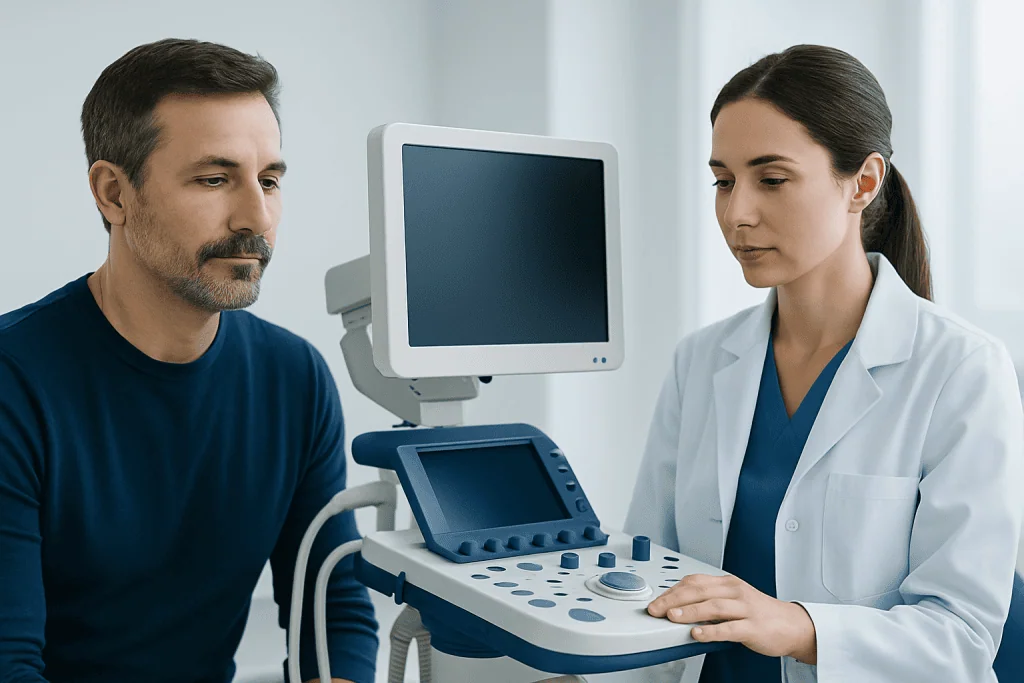
Creatinine is commonly measured with a blood test called serum creatinine. Typical adult reference ranges often fall roughly around 0.6 to 1.3 mg/dL, but the exact limits vary by laboratory. Many labs also note that average values tend to be slightly lower in women and slightly higher in men because muscle mass differs on average between individuals.
Age also matters. Children usually have lower creatinine levels because they have less muscle mass than adults. In older adults, a “normal” creatinine may still require careful interpretation because kidney function can decline with age even when the number does not appear dramatically abnormal. Pregnancy can lower serum creatinine as well because kidney filtration naturally increases.
Context is especially important for athletes, people with very high or very low muscle mass, and those following special diets or taking creatine supplements. Hydration status can also affect the result. A person who is dehydrated may have a temporarily higher creatinine, while someone with lower muscle mass may have a lower value that does not necessarily reflect stronger kidney function.
- Muscle mass and body size
- Age and sex
- Hydration status
- Pregnancy
- Diet, supplements, and recent intense exercise
- Laboratory methods and reference ranges
What can raise or lower creatinine

A high creatinine result can happen for several reasons. Kidney-related causes include acute kidney injury, chronic kidney disease, reduced blood flow to the kidneys, urinary blockage, and complications from certain medical conditions such as diabetes or high blood pressure. It may also rise with severe dehydration, very strenuous exercise, or use of medications that affect the kidneys or interfere with how creatinine is handled in the body.
Some medicines can change creatinine values without meaning there is major kidney damage, while others may truly affect kidney function. That is one reason clinicians ask about prescription drugs, over-the-counter pain relievers, herbal supplements, and contrast dye used in imaging tests. If there is concern about a sustained elevation, a doctor may assess for kidney failure or earlier stages of chronic kidney disease.
Low creatinine is usually less concerning and is often linked to lower muscle mass, older age, poor nutrition, pregnancy, or certain chronic illnesses. By itself, a low value usually does not indicate kidney disease. However, it still has meaning when interpreted alongside body composition, overall health, and other laboratory tests.
How doctors interpret your result
The most useful question is often not just whether the result is inside the reference range, but what it means for that individual person. Doctors look at the absolute number, how quickly it changed, and whether it fits the person’s age, body size, and medical history. A small rise from a usual baseline can be important even if the number still appears near the normal range.
Creatinine is commonly used to calculate eGFR, an estimate of how well the kidneys are filtering. eGFR often provides more clinical meaning than creatinine alone because it adjusts for factors that influence the result. Urine tests may also be done to check for protein, blood, or signs of inflammation or infection, especially if there is concern about kidney diseases.
If a result is unexpectedly abnormal, the doctor may repeat the test to confirm it, review medications, ask about fluid intake and exercise, and look for symptoms such as swelling, fatigue, foamy urine, reduced urination, nausea, or high blood pressure. In some cases, imaging or specialist evaluation is needed. A more complete workup may include urine studies, blood pressure assessment, and nephrology consultation when kidney function needs expert review.
When a deviation is medically meaningful
Not every abnormal creatinine result signals a serious problem. A single mildly high value may reflect dehydration, recent heavy exercise, temporary illness, or medication effects. What matters most is whether the value stays abnormal, rises over time, or is accompanied by a lower eGFR, abnormal urine findings, or symptoms.
A sudden rise can be medically meaningful because it may suggest acute kidney injury, especially in the setting of infection, vomiting, diarrhea, low blood pressure, urinary obstruction, or exposure to nephrotoxic drugs. Persistently elevated values can point to chronic kidney disease and should not be ignored, even when symptoms are absent. Kidney disease can develop gradually and may not cause noticeable symptoms early on.
Doctors also consider whether a result is proportionate to a person’s muscle mass and overall health. For example, a value that seems modestly elevated in a very muscular person may be less concerning than the same value in an older adult with reduced muscle mass. If kidney disease is suspected, treatment may focus on the underlying cause, blood pressure control, diabetes management, and in selected cases dialysis if kidney function becomes severely impaired.
How to support kidney health and prepare for testing
Good preparation can help make a creatinine result easier to interpret. Before testing, it is usually sensible to stay normally hydrated unless a doctor has given different instructions. It may also help to avoid unusually intense exercise immediately before the test, since strenuous activity can temporarily raise creatinine in some people.
Long-term kidney health depends on managing the conditions that most often affect filtration. Blood pressure and diabetes control are especially important. Avoiding unnecessary use of nonsteroidal anti-inflammatory drugs, discussing supplements with a clinician, and having regular follow-up when there is known kidney disease can also reduce risk.
Simple supportive steps include:
- Drink fluids normally unless on a fluid restriction
- Keep blood pressure and blood sugar in target range
- Avoid overuse of pain medicines that can affect the kidneys
- Review supplements and medications with a doctor
- Attend regular testing if advised
- Follow treatment for related conditions such as urinary obstruction or infection
If kidney stones, blockage, or structural urinary problems are suspected, a doctor may also recommend imaging or urology assessment. In more complex cases, a coordinated approach can help identify the cause and protect kidney function over time.
When to seek medical care
Medical review is appropriate if creatinine is above the lab’s reference range, if eGFR is reduced, or if the result has risen compared with previous tests. It is also wise to seek advice if there are symptoms such as swelling in the legs or around the eyes, reduced urination, persistent fatigue, shortness of breath, nausea, confusion, or new high blood pressure. Even without symptoms, repeat abnormalities should be discussed with a qualified doctor.
Urgent care may be needed if a person has a sudden drop in urine output, severe dehydration, chest pain, significant weakness, or rapid swelling, especially after an illness, medication change, or contrast study. These situations can point to acute kidney problems that need prompt assessment. When needed, care may involve blood tests, urine tests, imaging, and support from specialists in kidney medicine.
For international patients who need further evaluation, Acibadem International’s multidisciplinary specialists and JCI-accredited hospitals diagnose and treat kidney-related conditions with coordinated care. The right next step depends on the cause, so a personalized medical opinion is important rather than relying on one test result alone.
Frequently asked questions
What is considered a normal creatinine level?
A normal creatinine level depends on the laboratory and the person being tested. In adults, reference ranges often fall roughly around 0.6 to 1.3 mg/dL, but age, sex, muscle mass, and pregnancy can change what is expected. The lab’s own range and the person’s previous results are important for interpretation.
Can creatinine be normal even if there is kidney disease?
Yes, especially in early kidney disease or in people with lower muscle mass. A creatinine value may still look near normal while eGFR or urine tests show a problem. That is why doctors often use several tests together rather than relying on one number.
What causes a temporary increase in creatinine?
Common temporary causes include dehydration, recent intense exercise, some medications, and acute illness. In some cases, the level returns toward baseline once the trigger is corrected. A repeat test may help confirm whether the change is temporary or persistent.
Is low creatinine a problem?
Low creatinine is usually less concerning than high creatinine. It is often related to lower muscle mass, older age, pregnancy, or nutritional factors rather than kidney disease. Even so, a doctor may consider it in the context of overall health and body composition.
Why is eGFR often reported with creatinine?
eGFR is an estimate of how well the kidneys filter blood, calculated using the creatinine result and other factors. It often gives a clearer picture of kidney function than creatinine alone. Doctors use it to help detect, stage, and monitor kidney disease.
Should a person fast before a creatinine test?
Many creatinine blood tests do not require fasting, but instructions may differ depending on what other tests are ordered at the same time. It is best to follow the laboratory or doctor’s directions. Staying normally hydrated is often helpful unless a clinician advises otherwise.
References
- National Kidney Foundation
- National Institute of Diabetes and Digestive and Kidney Diseases
- MedlinePlus
- Mayo Clinic
- Kidney Disease: Improving Global Outcomes
This article is for general information only and is not a substitute for professional medical advice. Please consult a qualified doctor about your individual situation.
Medical weight-loss options in Turkey — costs & eligibility
JCI-accredited · board-certified surgeons · reply within 24h
Add us as a Preferred Source to see more of our trusted health content across Google Search, AI Overviews and Discover.
Check your numbers in seconds
BMI, calories, due date, blood pressure and 30+ more clinical calculators — free, instant, doctor-reviewed ranges.