Nyctophobia: An Evidence-Based Guide for Patients

Nyctophobia is a type of specific phobia involving excessive fear of darkness or dark places. It can cause anxiety, avoidance, sleep disruption, and physical symptoms such as rapid heartbeat or sweating.
Key Takeaways
- Nyctophobia is a type of specific phobia involving excessive fear of darkness or dark places.
- It can cause anxiety, avoidance, sleep disruption, and physical symptoms such as rapid heartbeat or sweating.
- Diagnosis is based on symptoms, triggers, and how much the fear affects daily life.
- Treatment often includes cognitive behavioral therapy and gradual exposure, with medication used selectively.
- Children and adults can both experience nyctophobia, and support from a qualified clinician can help.
Nyctophobia is an intense, persistent fear of darkness that goes beyond ordinary discomfort in low light. It can affect sleep, routines, and emotional well-being, but effective treatment and practical coping strategies are available.
What is nyctophobia?
Nyctophobia is an intense fear of darkness or dark environments. Many people feel somewhat uneasy in the dark at times, especially in unfamiliar places, but nyctophobia is more than a normal preference for light. The fear is strong, persistent, and difficult to control, and it may interfere with sleep, home routines, travel, or social activities.
Clinically, nyctophobia is considered a form of specific phobia. This means the fear is linked to a particular trigger—in this case, darkness, nighttime, or situations where visibility is reduced. Some people fear what might be hidden in the dark, while others mainly react to the sense of vulnerability or loss of control that darkness creates.
Nyctophobia can occur in children, teenagers, and adults. In children, fear of the dark can be part of normal development, but if it becomes severe, long-lasting, or disruptive, it may need professional attention. In adults, the condition may begin in childhood and continue, or it may appear later after stress, trauma, or other anxiety-related difficulties.
How nyctophobia can affect daily life
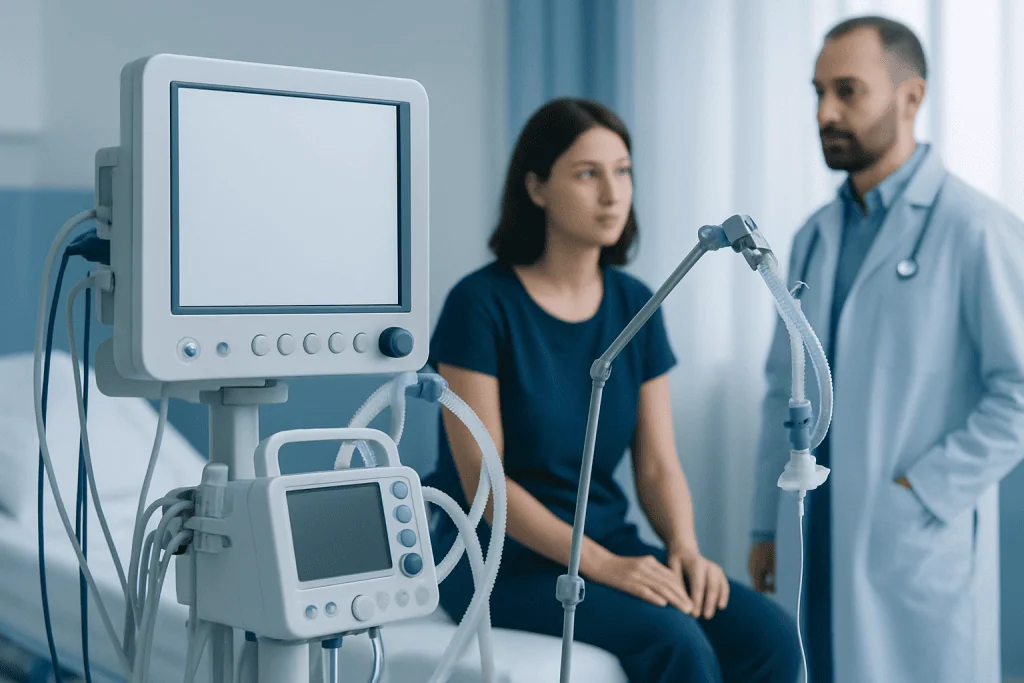
Nyctophobia can shape behavior in subtle or very noticeable ways. A person may avoid turning off lights, refuse to sleep alone, postpone travel after sunset, or avoid dark rooms, cinemas, tunnels, or outdoor activities at night. Some individuals rely heavily on nightlights, checking routines, or reassurance from family members in order to feel safe.
Sleep is often affected. Someone with nyctophobia may delay bedtime, keep multiple lights on, wake repeatedly during the night, or have trouble returning to sleep after noticing darkness. Over time, poor sleep can contribute to fatigue, irritability, concentration problems, and reduced quality of life.
The emotional impact can also be significant. People sometimes feel embarrassed by their fear, especially if they believe they should have outgrown it. This can lead to isolation or reluctance to seek help. In reality, phobias are recognized mental health conditions, and seeking assessment is a practical step, not a sign of weakness.
Because phobias may overlap with broader anxiety concerns, some people with nyctophobia may also experience symptoms linked to anxiety disorders or panic. Identifying the full picture helps guide the most appropriate treatment plan.
Symptoms and signs to recognize

The main feature of nyctophobia is a strong fear response when darkness is anticipated or experienced. This reaction may begin before nighttime arrives, for example when someone knows they will need to sleep in a dark room or walk through a poorly lit area. The fear is usually out of proportion to the actual situation, even when the person recognizes that intellectually.
Emotional and physical symptoms can include:
- Intense fear, dread, or panic in the dark
- A rapid heartbeat or feeling that the heart is pounding
- Sweating, trembling, or shakiness
- Shortness of breath or chest tightness
- Nausea, dizziness, or a sense of unreality
- Strong urge to escape or seek light immediately
- Avoidance of bedrooms, hallways, outdoor spaces, or nighttime activities
Children may express nyctophobia differently from adults. They may cry, cling to a parent, refuse bedtime, insist on sleeping with others, or complain of stomachaches and nightmares. Adults may be more likely to describe anticipatory anxiety, embarrassment, or difficulty functioning independently after dark.
If fear is repeatedly triggering episodes of intense bodily distress, a clinician may also evaluate for panic symptoms or related conditions. In some cases, assessment helps distinguish nyctophobia from sleep difficulties, trauma-related symptoms, or other causes of nighttime fear.
Why nyctophobia happens: causes and risk factors
There is no single cause of nyctophobia. It usually develops through a mix of personal temperament, life experiences, learned behavior, and underlying anxiety sensitivity. Some people are naturally more reactive to uncertainty or physical sensations of fear, which can make phobias more likely to develop.
A frightening experience in darkness can play a role. Examples include getting lost at night, seeing a distressing event, experiencing a burglary, or having repeated nightmares. In other cases, no clear triggering event is identified. The fear may build gradually, especially if avoidance makes the person feel temporarily safer and therefore reinforces the pattern.
Risk factors can include:
- Childhood anxiety or a family history of anxiety disorders
- Traumatic or highly stressful experiences
- Other specific phobias or panic symptoms
- Sleep-related fears or chronic insomnia
- Learning fearful responses from family or environment
Nyctophobia may also coexist with other mental health concerns, including depression or generalized anxiety. That does not mean every person with fear of the dark has another diagnosis, but it is one reason a full clinical evaluation can be useful when symptoms are severe or persistent.
How doctors diagnose nyctophobia
Diagnosis is usually based on a clinical interview rather than a laboratory test or scan. A doctor, psychologist, or psychiatrist asks about the fear itself, how long it has been present, what situations trigger it, how the body reacts, and whether it causes avoidance or distress. The goal is to understand both the symptom pattern and its effect on daily life.
To meet the general pattern of a specific phobia, the fear is typically persistent, excessive, and linked to a clear trigger. It often causes significant distress or interferes with normal functioning. The clinician will also consider whether the symptoms are better explained by another condition, such as trauma-related symptoms, obsessive fears, panic disorder, or sleep disturbance.
In children, assessment may also include discussion with parents or caregivers. This helps clarify whether the fear is part of a temporary developmental phase or whether it is impairing sleep, school performance, or family routines. Open, nonjudgmental reporting is important because embarrassment may lead some people to minimize symptoms.
If sleep problems are prominent, clinicians may also explore general sleep habits and related conditions. In selected cases, support from specialists in sleep medicine or mental health may help create a more complete care plan.
Treatment options that can help
Nyctophobia is treatable, and many people improve with structured therapy. The most commonly recommended approach is cognitive behavioral therapy, which helps a person identify fearful thoughts, understand avoidance patterns, and gradually respond differently to the trigger. A key part of treatment may be exposure-based work, introduced carefully and step by step.
Gradual exposure does not mean forcing someone into a frightening situation all at once. Instead, treatment may begin with imagining a dim room, practicing relaxation in low light, or spending short periods in progressively darker environments while using coping techniques. Over time, the brain can learn that darkness itself is not dangerous, and the fear response may lessen.
In some cases, medication may be considered, especially if nyctophobia occurs alongside broader anxiety or panic symptoms. Medication is usually not the only treatment and should be discussed with a qualified doctor who can weigh benefits, limitations, and individual needs. People with severe or complex symptoms may benefit from psychiatric evaluation as part of their care.
Additional support may include relaxation training, breathing exercises, sleep-focused strategies, and family guidance for children. If fear is linked to a traumatic memory or other psychological concerns, referral for psychological support can be helpful. Treatment plans work best when they are individualized rather than rushed.
Self-care and practical coping strategies
Self-care does not replace professional treatment when nyctophobia is severe, but it can support progress. The most useful strategies are usually gentle, consistent, and realistic. The aim is not to eliminate fear overnight, but to reduce avoidance and build confidence over time.
Helpful approaches may include:
- Keeping a steady sleep schedule to reduce nighttime stress
- Using a gradual dimming plan instead of abruptly turning off all lights
- Practicing slow breathing or grounding exercises before bed
- Limiting stimulating media or frightening content at night
- Tracking triggers, thoughts, and physical reactions in a journal
- Reducing reliance on repeated checking or reassurance where possible
For children, calm routines are especially important. Caregivers can validate the child’s feelings without reinforcing the fear. For example, it can help to stay predictable, offer brief reassurance, and avoid creating elaborate rituals around bedtime that may unintentionally strengthen anxiety.
Adults may benefit from setting small exposure goals, such as spending a few extra minutes in a dim room each evening. If self-guided efforts increase distress or lead to worsening sleep, professional guidance is advisable. At Acibadem International, multidisciplinary specialists in JCI-accredited hospitals diagnose and treat anxiety-related conditions for international patients.
When to seek medical care
It is reasonable to seek medical care if fear of the dark is persistent, causes significant distress, or interferes with sleep, school, work, travel, or relationships. Professional assessment is also appropriate if the person begins avoiding many situations, relies heavily on others to cope, or feels ashamed yet unable to change the pattern.
Prompt evaluation is especially important if symptoms include panic attacks, severe insomnia, trauma-related memories, depression, or thoughts of self-harm. In children, parents should seek help if fear of darkness is intense, lasts beyond a typical developmental phase, or regularly disrupts the household and the child’s well-being.
A primary care doctor, pediatrician, psychologist, or psychiatrist can often begin the assessment. Early support may prevent the fear from becoming more entrenched. Care is usually most effective when it is compassionate, structured, and tailored to the person’s age, symptoms, and daily challenges.
Frequently asked questions
Is nyctophobia the same as being afraid of the dark?
Not exactly. Many people dislike darkness or feel uneasy in unfamiliar dark places, but nyctophobia is a more intense and persistent fear that causes distress or avoidance. The difference is mainly in severity, duration, and impact on daily life.
Can adults have nyctophobia?
Yes. Although fear of the dark is often associated with childhood, adults can also experience nyctophobia. In some people it continues from childhood, while in others it develops later in response to stress, trauma, or anxiety.
Does nyctophobia go away on its own?
Mild fears may lessen over time, especially in children, but significant phobias often persist without treatment. Avoidance can keep the fear active because the person never has a chance to learn that the trigger is manageable. If the fear is affecting sleep or functioning, professional help is a sensible step.
What is the best treatment for nyctophobia?
Treatment is usually individualized, but cognitive behavioral therapy with gradual exposure is commonly effective. It helps people understand their fear response and slowly build tolerance to darkness in a controlled way. Medication may be considered in selected cases, especially if other anxiety symptoms are present.
How can parents help a child with nyctophobia?
Parents can help by keeping bedtime routines calm and predictable, listening without ridicule, and avoiding harsh pressure to “just get over it.” Gentle, gradual steps are usually more helpful than forcing a child to stay in the dark. If fear is intense or ongoing, a pediatrician or mental health professional should be consulted.
When should someone be worried about nyctophobia?
Concern is warranted when the fear leads to major sleep problems, panic symptoms, avoidance, dependence on others, or emotional distress. It should also be evaluated if it appears alongside trauma symptoms, depression, or broader anxiety problems. Early assessment can make treatment more straightforward and effective.
This article is for general information only and is not a substitute for professional medical advice. Please consult a qualified doctor about your individual situation.
Explore treatments in Turkey — costs, top hospitals & a free quote
JCI-accredited · board-certified surgeons · reply within 24h
Add us as a Preferred Source to see more of our trusted health content across Google Search, AI Overviews and Discover.

More from the Health Library

Prolapsed Umbilical Cord: What Patients Need to Know
Soreness Doms: What Patients Need to Know

Everyday Health Habits That Matter Most: Sleep, Food, Exercise, and Stress

Versed Drug: A Complete Medical Overview

Phenazopyridine: A Complete Medical Overview