Oatmeal Bath for Babies: An Evidence-Based Guide for Patients
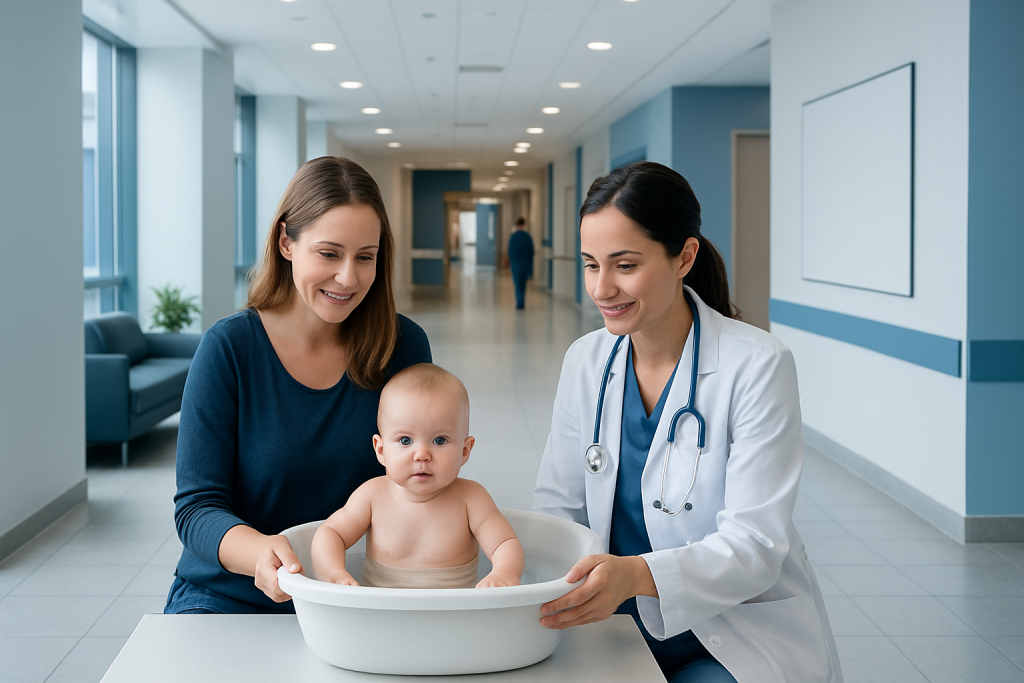
Colloidal oatmeal baths may help soothe itching, dryness, and mild skin irritation in babies. A lukewarm bath for about 10 minutes is usually enough; hot water can worsen dryness.
Key Takeaways
- Colloidal oatmeal baths may help soothe itching, dryness, and mild skin irritation in babies.
- A lukewarm bath for about 10 minutes is usually enough; hot water can worsen dryness.
- Oatmeal baths support the skin barrier but do not replace medical treatment when eczema or rash is significant.
- Babies should be rinsed gently if needed, patted dry, and moisturized right after bathing.
- Medical care is important if a baby has fever, open sores, swelling, worsening rash, or signs of infection.
An oatmeal bath for babies can be a gentle way to calm dry, itchy, or mildly irritated skin, especially when colloidal oatmeal is used and the bath is kept lukewarm and brief. It is a supportive skin-care measure, not a cure, and parents should seek medical advice if symptoms are severe, persistent, or accompanied by signs of infection.
Overview: Can an oatmeal bath help babies?
An oatmeal bath for babies can help soothe dry, itchy, or mildly inflamed skin. When finely ground oatmeal, especially colloidal oatmeal, is mixed into bathwater, it forms a milky, soothing suspension that can reduce discomfort and support the skin’s natural barrier. For many families, it is a simple home-care step used alongside fragrance-free cleansers and moisturizers.
This approach is most often considered when a baby has dry skin, mild irritation, or eczema-prone skin. It may also be used after minor skin exposure that leaves the skin feeling itchy or uncomfortable, as long as there are no signs of infection or a more serious rash. An oatmeal bath does not treat the underlying cause of every rash, so the overall skin picture still matters.
Evidence supports colloidal oatmeal as a skin protectant and soothing ingredient in dermatology care. Even so, parents should view it as supportive care rather than a cure. If a baby’s symptoms are frequent, severe, or linked to conditions such as eczema, medical assessment can help guide a complete treatment plan.
How oatmeal works on a baby’s skin
Oatmeal contains compounds that help calm the skin surface. Colloidal oatmeal is known to act as an emollient, meaning it helps soften and moisturize skin. It also supports the skin barrier, which is important because babies with dry or eczema-prone skin often lose moisture more easily and are more sensitive to irritants.
Oatmeal also has anti-irritant and antioxidant properties. In practical terms, this means it may reduce the sensation of itching and help the skin feel less tight or uncomfortable. These effects are why colloidal oatmeal is commonly included in skin-care products designed for sensitive skin.
For babies, the main benefit is comfort. A short oatmeal bath may make it easier for a baby to settle, scratch less, and tolerate follow-up moisturizing. It works best as one part of a broader gentle-skin routine that includes avoiding fragranced products, harsh detergents, and overheating.
When an oatmeal bath may be useful

Parents often ask whether oatmeal baths are appropriate for all rashes. They are usually most helpful for dry, itchy, mildly irritated skin. This can include skin that feels rough, flaky, or uncomfortable in babies who are prone to dryness, especially in colder weather or after frequent washing.
They may also support comfort in babies with mild flare-ups of atopic dermatitis, commonly called eczema. In this setting, oatmeal baths are not a replacement for prescribed care, but they can be part of a home routine along with regular moisturizing and, when needed, doctor-recommended eczema treatment.
Oatmeal baths are less appropriate when the rash is unexplained, rapidly spreading, blistering, or associated with fever. They are also not the right first step for skin that looks infected, such as areas with pus, increasing redness, warmth, or crusting. When the diagnosis is uncertain, a pediatrician or dermatologist can help determine whether the problem is simple irritation, diaper rash, allergy, infection, or another skin condition.
- Most helpful for: dry skin, itch, mild irritation, eczema-prone skin
- Less suitable for: open wounds, severe rash, suspected infection, unexplained widespread rash
- Best used with: fragrance-free moisturizer applied soon after the bath
How to prepare and give an oatmeal bath safely
The safest choice is plain colloidal oatmeal made for bathing, because it is finely milled and mixes well in water. If a parent uses plain, unflavored oats at home, they should be ground into a very fine powder first. Coarse pieces can be messy, may not disperse evenly, and are more likely to clog the drain.
Bathwater should be lukewarm, not hot. A brief bath of around 10 minutes is usually enough. The oatmeal should disperse so the water looks cloudy and feels silky rather than lumpy. During the bath, the baby should always be held securely or supervised closely, since oatmeal can make the tub slippery.
After the bath, the skin should be patted dry gently, not rubbed. While the skin is still slightly damp, a fragrance-free moisturizer or emollient can be applied to help lock in moisture. This “soak and seal” approach is often more important than the bath itself for ongoing dryness control and may be part of a broader dermatology care plan when skin symptoms keep returning.
- Use lukewarm water
- Keep the bath short
- Do not add fragrance, essential oils, or bubble bath
- Pat the skin dry gently
- Apply moisturizer right away
Safety, risks, and common mistakes
Oatmeal baths are generally well tolerated, but “natural” does not always mean risk-free. A baby who has a known oat allergy should not use an oatmeal bath unless a clinician advises otherwise. If redness, hives, swelling, or worsening irritation appears after contact with oatmeal, the bath should be stopped and medical advice sought.
One common mistake is using very hot water, which can strip the skin of moisture and worsen itching. Another is bathing for too long or too often. Long baths and excessive washing may aggravate dryness, especially in babies with sensitive skin. Strong soaps, scented products, and scrubbing can undo the soothing effect.
Parents should also remember that not every itchy rash is eczema or simple dryness. Conditions such as infections, allergic reactions, seborrheic dermatitis, or heat rash can look similar at first. If symptoms are recurrent or difficult to control, a clinician may recommend assessment and, in some cases, targeted allergy testing or specialist review to understand triggers and choose the most suitable treatment.
What else helps dry or itchy baby skin?
An oatmeal bath works best as part of a gentle skin-care routine rather than a stand-alone remedy. Daily or frequent moisturizing with a fragrance-free cream or ointment is one of the most effective ways to support a baby’s skin barrier. Thick moisturizers are often preferred over thin lotions for very dry skin.
It can also help to use mild, fragrance-free cleansers only where needed and to avoid overbathing. Soft cotton clothing, fragrance-free laundry products, and keeping the room from becoming too hot may reduce irritation. Short fingernails or baby mittens may help limit scratching when itch is bothersome.
If a doctor has prescribed a medicated cream or ointment, parents should use it as directed. Home measures such as oatmeal baths can complement prescribed care, but they should not delay treatment when symptoms are significant. When a child has frequent flares, input from pediatric or skin specialists can help families build a practical daily routine.
When to seek medical care
Parents should seek medical advice if a baby’s rash is severe, painful, blistering, widespread, or does not improve with basic skin care. The same applies if the baby seems unusually uncomfortable, is scratching constantly, or sleep and feeding are being affected. Babies can become distressed by skin symptoms even when the cause is not serious, so persistent concerns deserve attention.
Urgent assessment is important if there are signs of infection, such as pus, yellow crusting, increasing redness, warmth, swelling, or fever. Medical care is also needed if the baby has trouble breathing, swelling of the lips or face, or a sudden widespread rash after a new food, medicine, or skin product, as these may suggest an allergic reaction.
For families needing specialist evaluation, Acibadem International’s multidisciplinary specialists and JCI-accredited hospitals diagnose and treat skin conditions in children and adults, including persistent eczema and related concerns. A clinician can help decide whether an oatmeal bath is appropriate and what additional treatment, if any, is needed.
Frequently asked questions
Is an oatmeal bath safe for babies?
An oatmeal bath is generally safe for babies when plain colloidal oatmeal is used in lukewarm water and the baby is supervised closely. It should be avoided in babies with a known oat allergy or if the skin is severely broken, infected, or the rash is unexplained and worsening.
What kind of oatmeal should be used for a baby bath?
Colloidal oatmeal is usually the best option because it is finely milled and made to disperse evenly in water. If plain oats are used at home, they should be ground into a very fine powder and must not contain added flavors, sugar, or other ingredients.
How often can a baby have an oatmeal bath?
Frequency depends on the baby’s skin and the advice of a clinician. For many babies, occasional use during periods of dryness or itch is reasonable, but daily long baths may worsen dryness if moisturizing is not done properly afterward.
Can an oatmeal bath treat baby eczema?
An oatmeal bath can help soothe itching and dryness linked to eczema, but it does not cure eczema on its own. Babies with eczema often also need regular moisturizers and sometimes prescribed treatments to control inflammation and protect the skin barrier.
Should a baby be rinsed after an oatmeal bath?
A full rinse is not always necessary if colloidal oatmeal was used and the skin tolerates it well. What matters most is gently patting the skin dry and applying a fragrance-free moisturizer right away to help seal in moisture.
Can oatmeal baths help diaper rash?
They may soothe skin around the diaper area if irritation is mild, but diaper rash has different causes and often improves most with frequent diaper changes, gentle cleansing, and barrier creams. If the rash is persistent, very red, blistered, or involves skin folds, a clinician should assess it.
References
- American Academy of Pediatrics
- American Academy of Dermatology
- National Eczema Association
- U.S. Food and Drug Administration
- National Health Service
This article is for general information only and is not a substitute for professional medical advice. Please consult a qualified doctor about your individual situation.
Explore treatments in Turkey — costs, top hospitals & a free quote
JCI-accredited · board-certified surgeons · reply within 24h
Add us as a Preferred Source to see more of our trusted health content across Google Search, AI Overviews and Discover.

More from the Health Library



Related Specialists

Prof. Dr. İsmet Tamer
Check Up & Wellness Center
Dr. Mehmet Fatih Korkmaz
General Surgery
Dr. Cansu Hemşinlioğlu
Inpatient Clinic Physicians Clinical Service
Dt. Yeliz Çavuşoğlu Yüce
Oral & Dental Health