Occupational Therapy Stroke Interventions: How It Works, Results and What to Expect
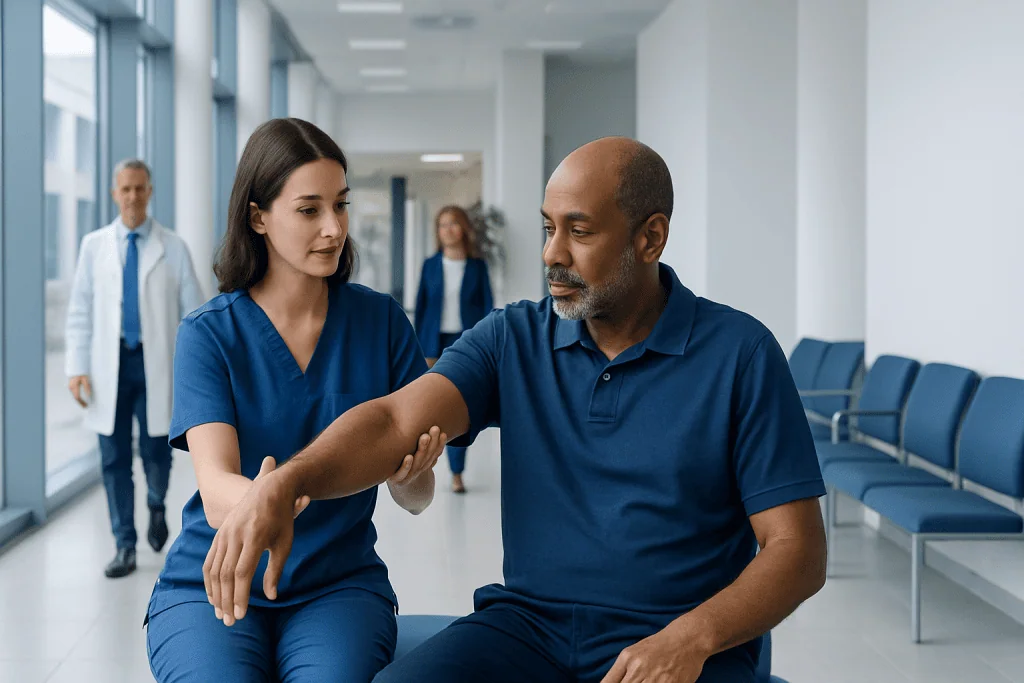
Occupational therapy helps stroke survivors return to daily activities as safely and independently as possible. Treatment plans are based on the person’s symptoms, goals, home environment and stage of recovery.
Key Takeaways
- Occupational therapy helps stroke survivors return to daily activities as safely and independently as possible.
- Treatment plans are based on the person’s symptoms, goals, home environment and stage of recovery.
- Sessions may include task practice, arm and hand rehabilitation, cognitive strategies, equipment training and caregiver education.
- Recovery varies widely; therapy can support progress in the early weeks as well as later stages after stroke.
- New or sudden stroke symptoms require emergency medical assessment rather than a therapy appointment.
Occupational therapy stroke interventions are personalised rehabilitation strategies that help people practise everyday tasks affected by stroke, such as dressing, bathing, eating, using the hand and managing home routines. Therapy focuses on meaningful goals, safety and gradual independence while working alongside medical, physical therapy and speech-language teams.
Overview: How Occupational Therapy Stroke Interventions Work
Occupational therapy stroke interventions help a person regain or adapt the skills needed for everyday life after a stroke. The word “occupation” refers to meaningful daily activities, including washing, dressing, preparing meals, working, caring for family, moving around the home and taking part in hobbies. An occupational therapist, often called an OT, assesses how stroke-related changes affect these activities and creates a practical rehabilitation plan.
A stroke can affect movement, sensation, vision, attention, memory, communication, mood and fatigue. Occupational therapy addresses the combined effect of these changes on daily functioning. Rather than focusing only on a single muscle or task, the therapist considers what matters most to the individual and identifies safe, achievable ways to build independence.
Occupational therapy is usually one part of a wider stroke care plan. Depending on the person’s needs, rehabilitation may also involve neurologists, rehabilitation physicians, physiotherapists, speech and language therapists, nurses, psychologists, dietitians and social workers. The intensity, setting and duration of therapy are individualised.
What Does an OT Do for Stroke Patients?
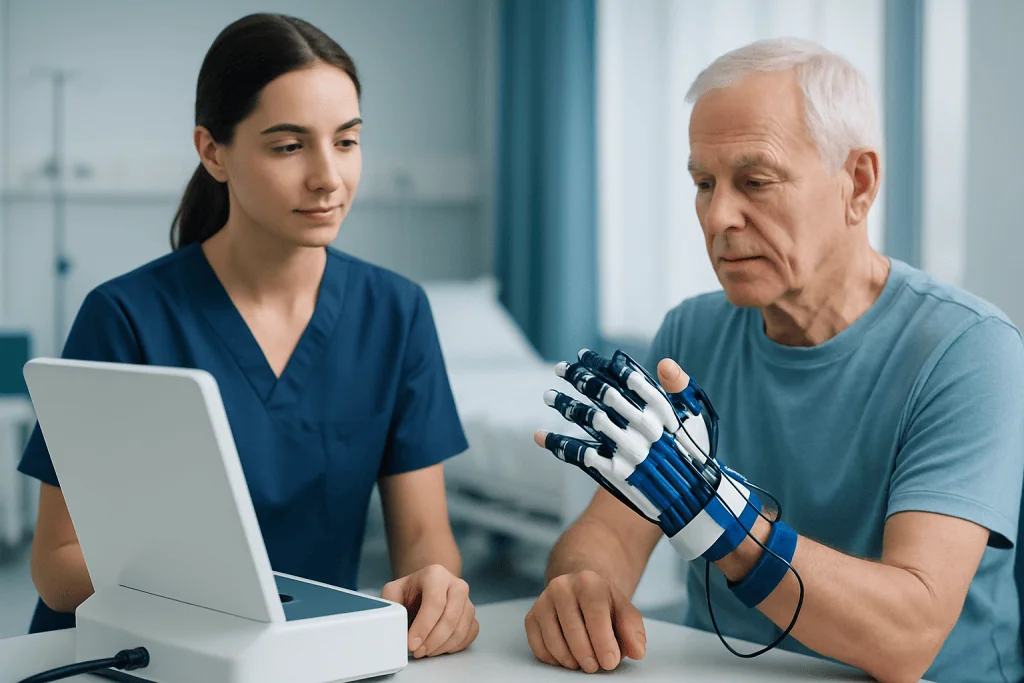
An OT evaluates how a stroke has changed the person’s ability to perform activities of daily living. This includes basic tasks such as getting in and out of bed, toileting, bathing, dressing and eating, as well as more complex activities such as cooking, shopping, medication routines, using transport, handling finances or returning to work.
The assessment may include arm and hand movement, balance during tasks, sensation, pain, muscle tone, coordination, vision, visual attention, thinking skills and awareness of safety risks. The therapist also asks about the person’s previous routines, responsibilities, interests and priorities. A goal may be as practical as fastening buttons independently, making a hot drink safely or returning to a valued hobby.
OTs teach techniques that support recovery and adaptation. This may include practising a task in manageable steps, strengthening problem-solving skills, trying adaptive equipment, modifying the home environment and training relatives or caregivers. They also help people understand fatigue and pace activities so that effort is balanced with rest.
Candidacy and the 7 D's of Stroke Care
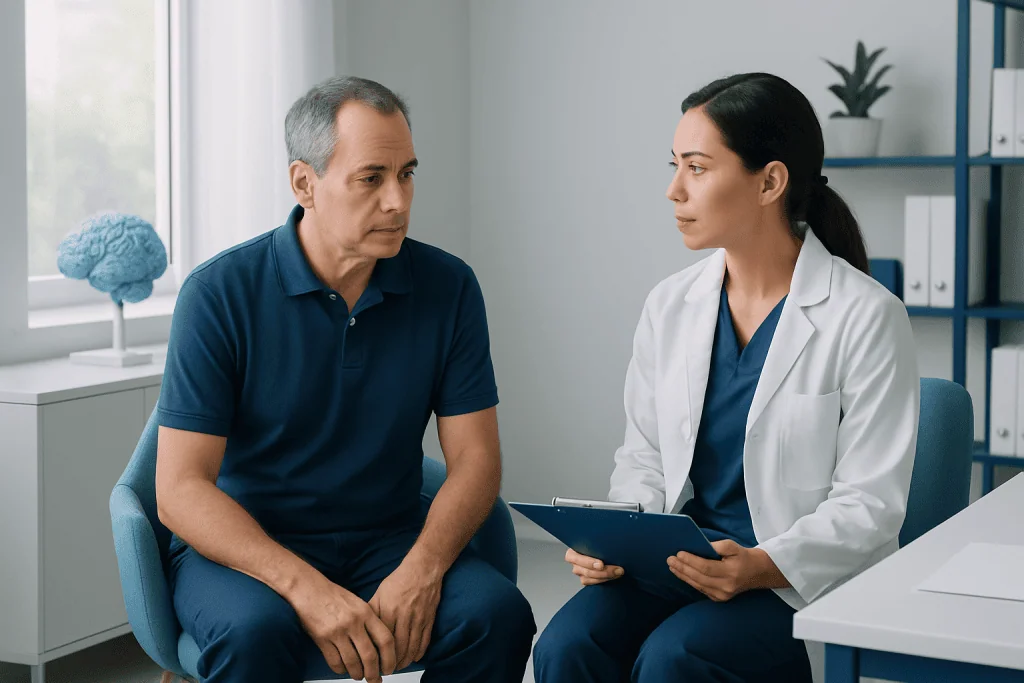
Most people who have had a stroke may benefit from an occupational therapy assessment, whether they are in hospital, an inpatient rehabilitation programme, an outpatient clinic or receiving therapy at home. Therapy is particularly relevant when stroke affects self-care, hand use, mobility during daily tasks, cognition, vision, safety awareness or participation in family, social and work roles.
The plan is adjusted to the person’s medical stability, alertness, endurance and goals. Someone with severe weakness may initially focus on safe positioning, basic self-care and caregiver guidance. Someone with milder physical symptoms may need support with attention, fatigue, driving assessment, workplace demands or more complex household activities. Therapy remains useful even when full recovery is not possible, because adaptations can improve daily safety and participation.
The “7 D’s of stroke care” commonly refer to the chain of early stroke recognition and emergency response: Detection of symptoms, Dispatch of emergency services, Delivery to an appropriate hospital, Door assessment on arrival, Data collection such as imaging and blood tests, Decision about treatment, and Drug or other urgent stroke treatment when appropriate. The exact wording may vary among health systems, but the central message is that suspected stroke needs immediate emergency assessment.
Step by Step: What Happens During Occupational Therapy?
The first appointment generally begins with a discussion of the stroke, current symptoms, home situation and activities that matter most to the person. The OT may observe how the person completes selected tasks, such as sitting up, reaching for an item, washing, putting on clothing or using the affected hand. Input from family members can be helpful, especially when cognitive or communication changes are present.
Next, the therapist agrees on realistic goals and creates a programme. Sessions often combine guided task practice with education and problem-solving. The therapist may use graded activities, meaning that a task is made easier or more challenging as skills change. Repetition is important, but activities should be purposeful, safe and matched to the person’s energy level.
Home recommendations may include removing trip hazards, improving lighting, using shower seating or grab rails, organising frequently used items within easy reach, or using adapted tools. The therapist may provide a home exercise or activity plan and explain how relatives can support practice without taking over tasks the person can do safely.
For people needing coordinated rehabilitation, stroke rehabilitation can bring together therapies that address mobility, communication, cognition, swallowing, emotional wellbeing and everyday function. The team reviews progress over time and updates goals as needs change.
What Are Some Examples of Occupational Therapy Activities for Stroke Patients?
Occupational therapy activities are selected according to the person’s symptoms and priorities. For upper-limb recovery, examples may include reaching for objects, sorting or moving items, opening containers, handling coins, folding laundry, practising utensil use or performing grooming tasks. The focus is not simply exercise; it is using movement within a meaningful activity whenever possible.
For self-care, an OT may practise dressing using one-handed techniques, safe bathing transfers, putting on footwear, grooming or preparing a simple meal. Adaptive equipment, such as dressing aids, long-handled reachers or modified kitchen tools, may be introduced when it improves safety or reduces unnecessary strain. The therapist checks that any equipment is suitable for the person and their home.
Cognitive and visual interventions may include using written routines, calendars, medication organisers, labelled storage, scanning strategies for visual neglect, or structured practice for attention and planning. If a person has reduced awareness of one side of the body or environment, therapy may teach systematic ways to check that side during reading, eating, walking and daily tasks.
Activities should only be practised at home when the treatment team considers them safe. Tasks involving cooking, stairs, driving, sharp tools, heat or unsupervised transfers may require specific assessment, supervision or modifications first.
Benefits, Limits and Possible Challenges
The potential benefits of occupational therapy include greater independence in daily routines, improved confidence with practical tasks, safer movement at home and better participation in valued roles. Repeated, goal-directed practice may support recovery of function, while compensatory strategies can help a person manage ongoing difficulties. Education for family members can also reduce uncertainty and support safer care.
Results vary because strokes differ in location, severity and associated complications. Progress can be affected by fatigue, pain, depression, sleep problems, other health conditions, cognitive changes and access to ongoing support. Improvement may be quickest in the early period after stroke, but meaningful gains can still occur later with appropriate goals and practice.
Occupational therapy itself is generally low risk, but rehabilitation can be tiring or frustrating. There may be a temporary increase in muscle soreness or fatigue after activity. Therapists monitor tolerance, modify tasks and encourage rest when needed. Any new neurological symptoms, severe pain, chest pain, fainting or sudden breathlessness should be reported promptly to a healthcare professional.
Recovery Timeline and What Happens After Occupational Therapy
There is no single recovery timeline after stroke. Some people begin occupational therapy in hospital within days of becoming medically stable, while others start later in an inpatient rehabilitation unit, outpatient setting or at home. Therapy frequency depends on clinical needs, endurance, local services and rehabilitation goals. The plan is reviewed regularly rather than following a fixed schedule.
After occupational therapy, the person may continue practising selected activities at home, use recommended strategies or equipment, and attend follow-up sessions if additional goals arise. The therapist may provide a discharge plan that outlines safe routines, remaining challenges, caregiver recommendations and signs that reassessment could be helpful. Community rehabilitation, vocational rehabilitation or specialist hand therapy may be considered where appropriate.
Returning to activities such as work, driving, travel or independent caregiving should be discussed with the clinical team. Readiness depends on physical function, vision, thinking skills, fatigue, medication effects and local legal requirements. A formal driving assessment may be necessary in some cases.
Acibadem International’s multidisciplinary specialists and JCI-accredited hospitals support assessment and rehabilitation planning for international patients recovering from stroke. Care is tailored to clinical needs and coordinated with the person’s wider medical team.
When to Seek Medical Care
New or sudden symptoms that may indicate a stroke require emergency care immediately. These include facial drooping, weakness or numbness of an arm or leg, difficulty speaking or understanding speech, sudden confusion, sudden loss of balance, severe new headache, loss of vision or sudden visual changes. Emergency services should be contacted without waiting to see whether symptoms improve.
A person already recovering from stroke should contact their healthcare team if function declines unexpectedly, falls become frequent, pain or swelling develops, mood symptoms interfere with rehabilitation, or new problems with swallowing, breathing, confusion or severe fatigue occur. Therapy plans sometimes need adjustment as health and daily demands change.
Regular follow-up can help identify needs that are not obvious during the first phase of recovery. Questions about returning to work, sexual health, sleep, caregiver strain, continence, home safety and emotional wellbeing are appropriate to raise with the rehabilitation team.
Frequently asked questions
What does an OT do for stroke patients?
An occupational therapist helps a stroke survivor practise and adapt daily activities such as washing, dressing, eating, preparing food and managing home routines. The therapist also assesses hand function, cognition, vision, safety and fatigue, then develops goals and strategies that fit the person’s needs.
What are the 7 D's of stroke care?
The 7 D’s commonly describe key steps in urgent stroke care: Detection, Dispatch, Delivery, Door, Data, Decision and Drug. Terminology can vary, but the purpose is to emphasise rapid recognition, emergency transport, assessment and treatment for possible stroke.
What are some examples of occupational therapy activities for stroke patients?
Examples include practising dressing, grooming, using utensils, reaching for household items, preparing simple food and using the affected hand during meaningful tasks. Therapy may also include visual scanning exercises, memory aids, home-safety training and learning to use adaptive equipment.
What happens after occupational therapy?
After a course of therapy, the person may continue a tailored home activity plan and use learned strategies or equipment in daily life. The therapist may recommend follow-up, community rehabilitation, caregiver support or further assessment for work, driving or home safety.
How long is occupational therapy needed after a stroke?
The duration varies widely and depends on stroke severity, goals, medical recovery, fatigue and the person’s daily challenges. Some people need short-term support, while others benefit from rehabilitation over a longer period or from reassessment when new goals arise.
Can occupational therapy help months or years after a stroke?
Yes. Although recovery can be most rapid in the early months, therapy may still help later by supporting new goals, practising skills, improving safety and identifying useful adaptations. A healthcare professional can advise whether reassessment is appropriate.
References
- World Health Organization
- American Stroke Association
- American Occupational Therapy Association
- National Institute of Neurological Disorders and Stroke
- National Institute for Health and Care Excellence
This article is for general information only and is not a substitute for professional medical advice. Please consult a qualified doctor about your individual situation.
Explore treatments in Turkey — costs, top hospitals & a free quote
JCI-accredited · board-certified surgeons · reply within 24h
Add us as a Preferred Source to see more of our trusted health content across Google Search, AI Overviews and Discover.