Open Book Pelvic Fracture: An Evidence-Based Guide for Patients

An open book pelvic fracture is a type of pelvic ring injury where the pelvis opens at the front, usually at the pubic symphysis. It commonly results from high-energy trauma and may occur with internal bleeding or injuries to the bladder, urethra, nerves, or blood vessels.
Key Takeaways
- An open book pelvic fracture is a type of pelvic ring injury where the pelvis opens at the front, usually at the pubic symphysis.
- It commonly results from high-energy trauma and may occur with internal bleeding or injuries to the bladder, urethra, nerves, or blood vessels.
- Diagnosis usually involves a physical examination plus imaging such as X-rays and CT scans.
- Treatment focuses first on emergency stabilization, bleeding control, and care of associated injuries, then on surgical or non-surgical repair.
- Recovery often includes pain control, guided rehabilitation, and follow-up to restore safe movement and daily function.
An open book pelvic fracture is a serious injury in which the front of the pelvis separates, often after high-energy trauma such as a road accident or a major fall. Prompt emergency care is important because this injury can affect stability, bleeding, nearby organs, and long-term mobility.
Overview
An open book pelvic fracture is a serious injury in which the pelvic ring is forced apart, most often at the pubic symphysis, the joint at the front of the pelvis. The name describes the way the pelvis can open outward, like a book. This usually happens after major trauma, such as a motor vehicle collision, a crush injury, or a fall from height.
The pelvis helps support body weight, protect organs, and provide attachment for muscles and ligaments. When the pelvic ring is disrupted, the body may lose stability, and important nearby structures can also be injured. These include blood vessels, the bladder, the urethra, nerves, and parts of the lower abdomen.
Because of these risks, an open book pelvic fracture is considered a medical emergency. Some people have severe pain and cannot stand or walk, while others may also show signs of blood loss or shock. Treatment is aimed not only at the broken bones but also at stabilizing the whole person and identifying any internal injuries as early as possible.
How this injury happens and why it matters
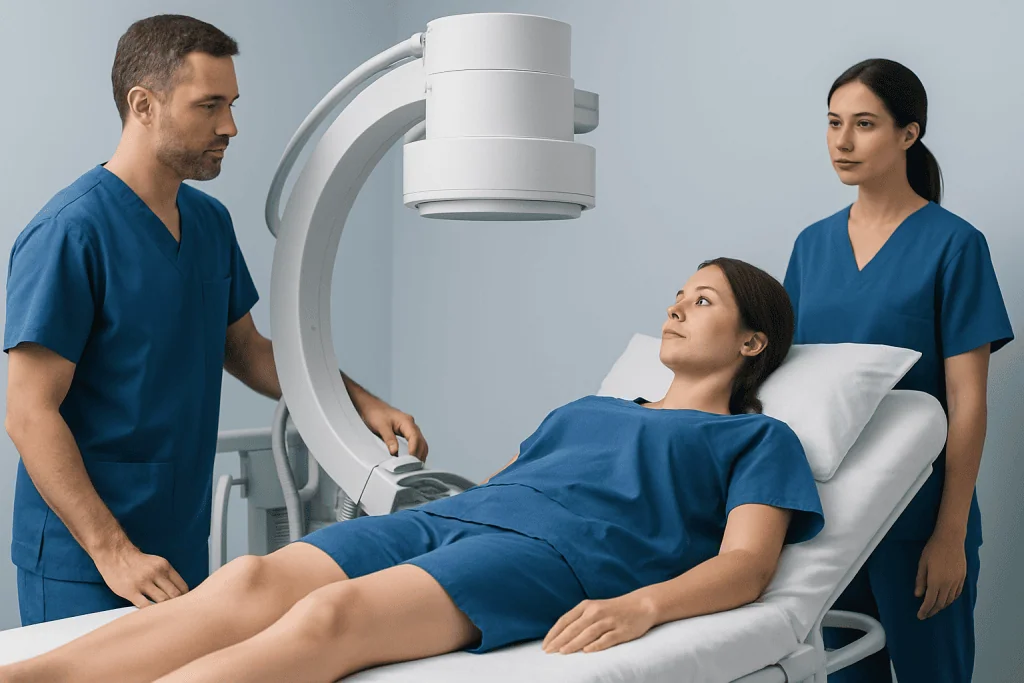
The pelvis is a ring made up of several bones and strong ligaments. In an open book pelvic fracture, force applied from the front or side can tear the ligaments that hold the pelvis together and separate the bones at the front. In more severe injuries, the back of the pelvic ring may also be disrupted, which can make the pelvis very unstable.
This matters because the pelvis contains a rich network of blood vessels. When the ring opens, bleeding may occur from broken bone surfaces, torn veins, or injured arteries. Even when the skin is not broken, blood loss can be significant inside the pelvis. This is one reason emergency teams treat this injury urgently.
Open book pelvic fractures also differ in severity. Some involve mainly ligament strain and a smaller amount of widening at the front of the pelvis, while others include major instability of both the front and back of the pelvic ring. Doctors use examination findings and imaging to understand the pattern of injury and to plan the safest treatment.
In many cases, an open book injury may occur alongside other trauma-related problems such as pelvic fracture patterns affecting different parts of the ring, abdominal injuries, chest injuries, or head trauma. This is why treatment is usually coordinated by a multidisciplinary trauma team.
Symptoms and possible complications
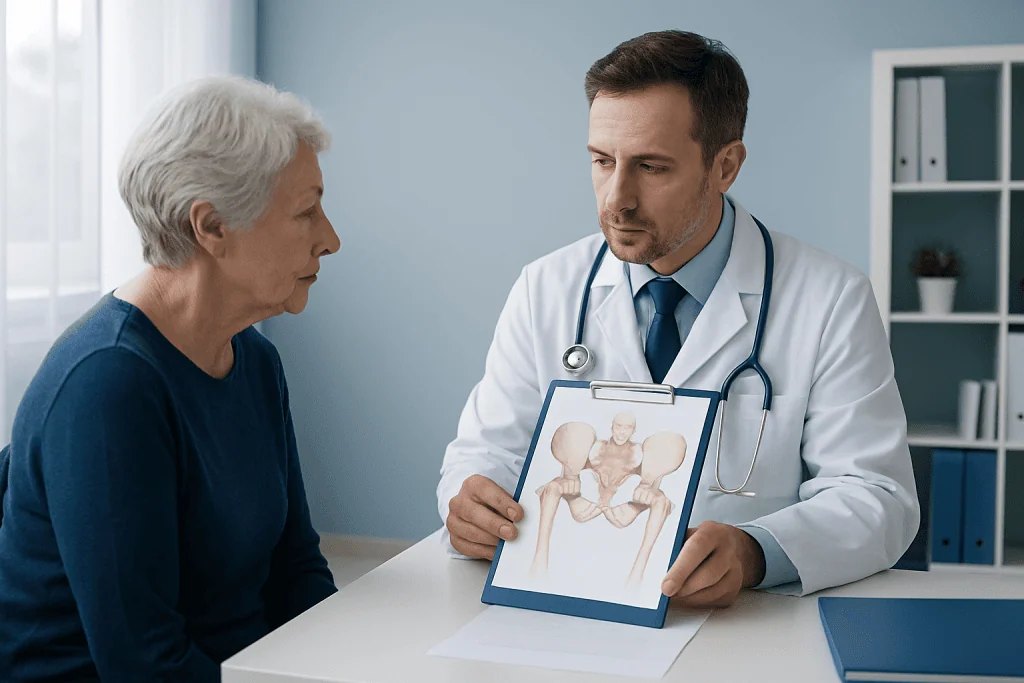
The most common symptom is severe pain in the pelvis, groin, hips, or lower back after trauma. The person may find it difficult or impossible to stand, walk, or move the legs comfortably. Bruising, swelling, or tenderness around the pelvis can occur, although the outside appearance does not always show how serious the internal injury is.
Some symptoms suggest a more urgent problem. These include dizziness, faintness, pale skin, a fast heartbeat, low blood pressure, increasing abdominal pain, or confusion, which may indicate blood loss and shock. Numbness, weakness, or tingling in the legs may point to nerve involvement.
Because the bladder and urethra lie close to the pelvis, urinary symptoms can also appear. A person may have trouble passing urine, pelvic pressure, blood in the urine, or signs of bladder injury. In some cases, bowel or sexual function may also be affected depending on the injury pattern and the structures involved.
- Severe pelvic or groin pain after trauma
- Difficulty standing or walking
- Pelvic swelling, tenderness, or bruising
- Blood in the urine or trouble urinating
- Dizziness, weakness, or signs of shock
- Numbness or weakness in the legs
Causes, risk factors, and who is affected
The usual cause of an open book pelvic fracture is high-energy trauma. Common examples include road traffic collisions, being struck as a pedestrian, motorcycle crashes, industrial accidents, and falls from a significant height. The mechanism often involves a force that pushes the pelvis apart from the front.
Although this injury is less common than many other fractures, it is more likely in situations where the body experiences major impact. People who take part in high-risk travel, heavy manual work, or extreme sports may have greater exposure to the kinds of trauma that can cause it. Older adults can also sustain pelvic injuries after falls, though the classic open book pattern is more often linked to higher-energy events.
Risk is influenced not only by the force of impact but also by associated health factors. Bone weakness, reduced muscle protection, and delayed access to emergency care can affect outcomes. In complex trauma, doctors also check for related injuries such as hip fracture or damage to the spine and abdominal organs, since these can change both treatment and recovery planning.
Diagnosis and emergency evaluation
Diagnosis begins with emergency assessment. Doctors first make sure the airway, breathing, and circulation are stable. If an open book pelvic fracture is suspected, the pelvis may be stabilized early with a sheet, binder, or another device to reduce motion and help limit bleeding while the person is evaluated.
The physical examination focuses on pain, stability, bruising, leg movement, pulses, nerve function, and signs of abdominal or urinary tract injury. In modern trauma care, repeated forceful examination of the pelvis is generally avoided because unnecessary movement can worsen pain or bleeding. The exam is combined with continuous monitoring of blood pressure, heart rate, and other signs of shock.
Imaging is central to diagnosis. A pelvic X-ray may quickly show widening of the pubic symphysis or other disruptions of the ring. A CT scan gives more detail about the exact fracture pattern, the back of the pelvic ring, and any associated injuries. Depending on symptoms, additional studies may be needed to assess the bladder, urethra, abdomen, or blood vessels.
In some cases, advanced imaging helps guide specialist care in orthopedics, trauma surgery, or interventional radiology. Imaging pathways may include MRI in selected follow-up situations or CT scanning in the acute setting when detailed assessment is needed.
Treatment options and hospital care
Treatment depends on how unstable the pelvis is, whether there is active bleeding, and whether other organs are injured. The first priorities are emergency stabilization, pain relief, fluid or blood replacement when needed, and rapid identification of life-threatening complications. A pelvic binder is often used early to help close the pelvis and reduce movement.
If bleeding is ongoing, treatment may involve procedures to control it. These can include surgery, external fixation to stabilize the pelvis, or catheter-based treatment to block a bleeding vessel. In suitable cases, doctors may use embolization to help control arterial bleeding. Associated bladder, urethral, abdominal, or soft tissue injuries are treated at the same time by the appropriate specialists.
Definitive treatment may be non-surgical or surgical. Less unstable injuries may be managed with close monitoring, protected weight-bearing, pain control, and rehabilitation. More severe or unstable injuries often need internal fixation with plates, screws, or other techniques to restore alignment and stability. When rehabilitation starts, a structured program similar to physical therapy and rehabilitation can support safe movement, strength, and function.
Near the end of the care pathway, patients may also seek a specialist review of recovery goals, pain, walking ability, and return to daily activities. Acibadem International’s multidisciplinary specialists in JCI-accredited hospitals diagnose and treat complex pelvic injuries for international patients when advanced trauma, orthopedic, and rehabilitation care is needed.
Recovery, self-care, and rehabilitation
Recovery time varies widely. It depends on the severity of the fracture, whether surgery was needed, the person’s age and general health, and whether there were injuries to nerves, blood vessels, or internal organs. Some people recover steadily over weeks to months, while others need a longer rehabilitation period.
Pain control, safe movement, and prevention of complications are important in the early phase. Doctors may advise limits on walking or weight-bearing until the pelvis is stable enough to heal. Gradual exercises can help maintain joint mobility, improve muscle strength, and reduce the risk of deconditioning. Follow-up visits are used to check healing, alignment, and function.
Self-care usually includes taking medicines exactly as directed, using walking aids correctly, keeping follow-up appointments, and reporting new symptoms promptly. Nutrition, hydration, and smoking cessation can support general healing. People recovering from major trauma may also benefit from emotional support, since a sudden injury can affect confidence, sleep, and return to normal routines.
- Follow weight-bearing instructions carefully
- Attend all imaging and follow-up appointments
- Use mobility aids as instructed
- Report fever, worsening pain, numbness, or urinary problems
- Ask about rehabilitation goals for walking, work, and daily activities
When to seek medical care
An open book pelvic fracture requires urgent medical attention right away after a major injury. Emergency care is especially important if there is severe pelvic pain, inability to stand, heavy bruising, blood in the urine, or any sign of shock such as faintness, cold skin, confusion, or rapid breathing. These symptoms should not be observed at home.
After diagnosis or treatment, prompt medical review is also important if pain suddenly worsens, swelling increases, the legs become numb or weak, fever develops, or there are problems passing urine or stool. New shortness of breath, chest pain, or calf swelling also needs urgent assessment because these may indicate serious complications unrelated to the pelvis alone.
Even after discharge, regular follow-up matters. A doctor can monitor healing, guide return to activity, and address ongoing pain, mobility limits, or concerns about bladder, bowel, or sexual function. Early communication often helps prevent setbacks and supports a safer recovery.
Frequently asked questions
What is an open book pelvic fracture?
It is a type of pelvic ring injury in which the front of the pelvis separates, often at the pubic symphysis. This can happen when strong trauma forces the pelvis outward, creating instability and sometimes internal bleeding.
Is an open book pelvic fracture an emergency?
Yes. It can be associated with major bleeding and injury to nearby organs such as the bladder or urethra. Emergency evaluation is important even if the skin is not broken and the person is fully awake.
How is an open book pelvic fracture diagnosed?
Doctors diagnose it using a trauma assessment, physical examination, and imaging. Pelvic X-rays and CT scans are commonly used to show how much the pelvic ring has opened and whether the back of the pelvis is also injured.
Does every open book pelvic fracture need surgery?
No. Some less unstable injuries can be managed without surgery using stabilization, pain control, activity restrictions, and close follow-up. More severe or unstable injuries often need surgical fixation or procedures to control bleeding.
How long does recovery take?
Recovery varies from person to person and depends on the severity of the injury and whether there were other traumatic injuries. Some people improve over several weeks, while others need months of rehabilitation before returning to normal daily activities.
Can this injury cause long-term problems?
It can, especially if the injury is severe or involves nerves, joints, or nearby organs. Some people may have ongoing pain, walking difficulty, or bladder, bowel, or sexual function concerns, which is why follow-up care is important.
References
- American Academy of Orthopaedic Surgeons
- Orthopaedic Trauma Association
- National Institute for Health and Care Excellence
- American College of Surgeons
- MedlinePlus
This article is for general information only and is not a substitute for professional medical advice. Please consult a qualified doctor about your individual situation.
Joint and spine care in Turkey — expert assessment & treatment
JCI-accredited · board-certified surgeons · reply within 24h
Add us as a Preferred Source to see more of our trusted health content across Google Search, AI Overviews and Discover.
Check your numbers in seconds
BMI, calories, due date, blood pressure and 30+ more clinical calculators — free, instant, doctor-reviewed ranges.

More from the Health Library



Related Specialists

Dr. Büşra Nükhet Pehlivanoğlu
Pediatrics
Dt. Müge Tiralı Türkkan
Oral & Dental Health
Assoc. Prof. Dr. İlker Özgür Koska
Radiology
Assoc. Prof. Dr. Recep Kurnaz
Orthopedic Surgery & Traumatology