Operation to Remove Appendix: Procedure, Recovery and Results

An appendectomy removes an inflamed, infected, or perforated appendix, most often because of appendicitis. Laparoscopic surgery uses several small incisions and is commonly associated with less wound pain and a shorter recovery than open surgery.
Key Takeaways
- An appendectomy removes an inflamed, infected, or perforated appendix, most often because of appendicitis.
- Laparoscopic surgery uses several small incisions and is commonly associated with less wound pain and a shorter recovery than open surgery.
- Recovery varies with the type of operation and whether the appendix had ruptured; many people return gradually to usual daily activities within 1 to 3 weeks after uncomplicated laparoscopic surgery.
- Pain, fatigue, bowel changes, and reduced appetite can occur temporarily after surgery, but lasting body changes are not expected.
- Fever, worsening abdominal pain, vomiting, wound redness or drainage, and breathing problems require prompt medical advice.
An operation to remove the appendix is called an appendectomy. It is usually performed urgently for appendicitis to prevent rupture and infection, and most people make a full recovery with appropriate surgical and follow-up care.
Overview: what is an operation to remove the appendix?
An operation to remove appendix is called an appendectomy. It removes the appendix, a small pouch attached to the beginning of the large intestine. The procedure is most commonly recommended when appendicitis is suspected or confirmed, because an inflamed appendix can rupture and cause a more serious infection in the abdomen.
Appendectomy may be performed using keyhole, or laparoscopic, surgery or through one larger incision, called open surgery. The approach depends on the person’s condition, imaging results, prior operations, the surgeon’s assessment, and whether there is perforation, an abscess, or widespread infection. For more information about the underlying condition, see appendicitis.
The appendix does not have an essential role in everyday digestion. Removing it does not usually require long-term dietary restrictions or change a person’s ability to live normally. In many cases, surgery is urgent rather than planned, but the surgical team will explain the reason for the procedure, expected recovery, and alternatives where appropriate.
Why appendectomy is recommended and who may need it
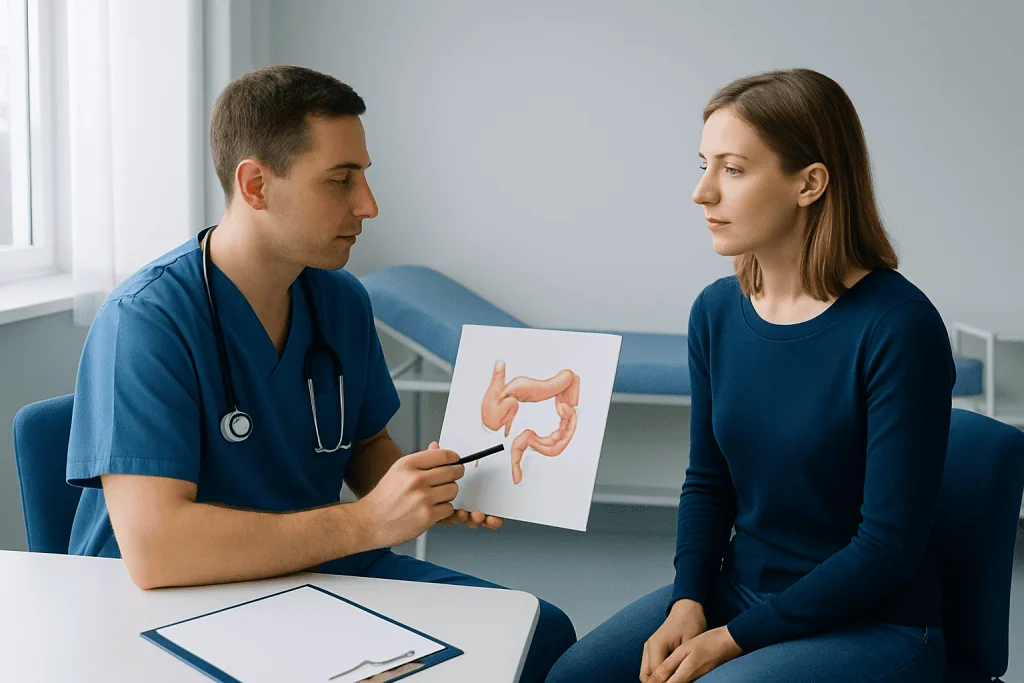
Appendectomy is most often used to treat acute appendicitis. Symptoms can begin with discomfort around the belly button and later move to the lower-right abdomen. They may occur with loss of appetite, nausea, vomiting, fever, or pain that worsens with movement. However, symptoms vary, particularly in children, older adults, and pregnant people, so an examination and tests are important.
Some uncomplicated cases of appendicitis may be managed initially with antibiotics in carefully selected patients. This decision depends on scan findings, the likelihood of recurrence, access to follow-up, and the individual’s overall health. Surgery remains a common and definitive option, particularly when there is concern for perforation, a collection of pus called an abscess, a blockage, or failure to improve with non-surgical treatment.
Before surgery, clinicians review medical history, medications, allergies, pregnancy status, and anesthesia risks. Blood tests and imaging, often ultrasound or CT, may help clarify the diagnosis. People who take blood thinners, have diabetes, or have significant heart, lung, kidney, or immune conditions may need tailored preparation and monitoring.
How the procedure works: step by step
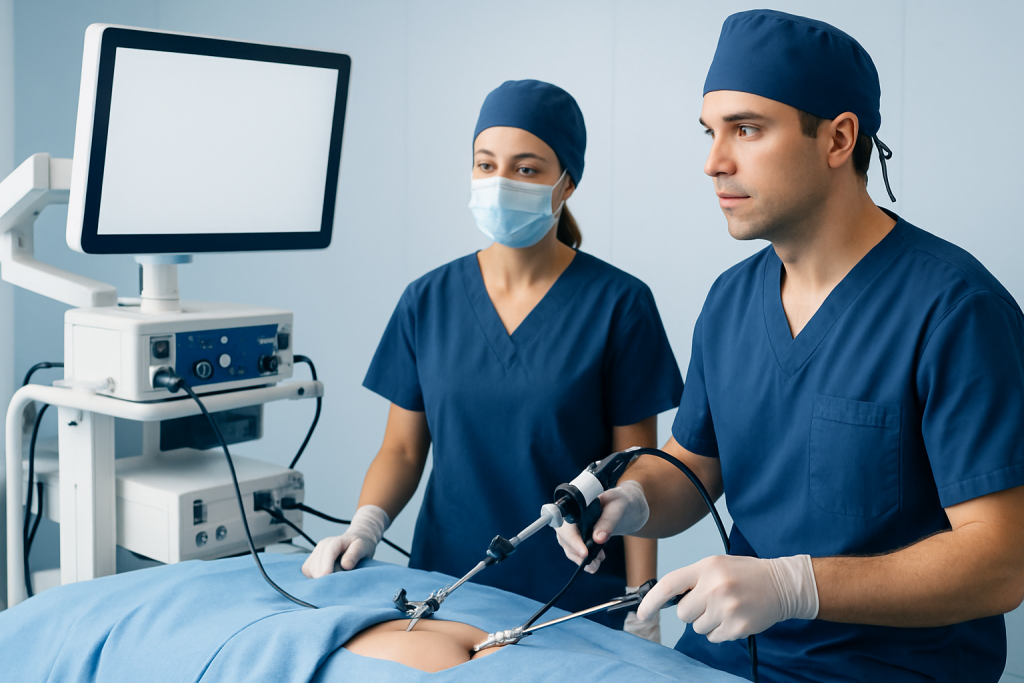
An appendectomy is performed under general anesthesia, meaning the patient is asleep and does not feel the operation. The care team places monitoring equipment and may give intravenous fluids, antibiotics, and medication to help prevent nausea or blood clots when indicated. The abdomen is cleaned with antiseptic solution before the operation begins.
In a laparoscopic appendectomy, the surgeon makes a few small incisions and inserts a camera and fine surgical instruments. Carbon dioxide gas gently expands the abdomen to create working space. The appendix is identified, separated from its blood supply, removed, and sent for laboratory examination when appropriate. The small incisions are then closed.
During an open appendectomy, the surgeon makes a larger incision in the lower-right abdomen to remove the appendix directly. This may be the safest approach when the appendix has ruptured, infection is extensive, anatomy is difficult to assess, or laparoscopic surgery needs to be converted to an open procedure. If contamination or an abscess is present, the surgeon may wash the abdominal cavity and occasionally place a temporary drain.
The operation itself often takes about an hour, though timing can vary. The total hospital stay depends more on the severity of appendicitis, surgical approach, pain control, ability to eat and walk, and whether complications such as perforation were present.
Benefits, risks and possible complications
The principal benefit of appendix removal is that it treats the immediate source of appendicitis and reduces the risk of rupture or recurrent appendicitis. Prompt treatment can prevent or limit peritonitis, an infection of the abdominal lining, and bloodstream infection. When appendicitis is uncomplicated, laparoscopic surgery often supports an earlier return to eating, walking, and usual activities.
Appendectomy is a common operation, but all surgery carries some risk. Potential complications include bleeding, reactions to anesthesia, wound infection, urinary retention, blood clots, injury to nearby bowel or organs, and scar-related bowel blockage later in life. Infection inside the abdomen or an abscess is more likely when the appendix has already perforated.
Temporary shoulder-tip discomfort can occur after laparoscopic surgery because of the gas used during the procedure. Some people also experience constipation from anesthesia, reduced movement, or opioid pain medicines. The surgical team provides individualized guidance on pain relief, wound care, activity, and warning signs before discharge.
Benefits and risks should be discussed in the context of the individual’s clinical situation. A surgeon can explain whether laparoscopic or open surgery is appropriate and whether antibiotics, drainage of an abscess, or additional treatment may be needed.
Recovery timeline and practical aftercare
After an uncomplicated laparoscopic appendectomy, many patients go home the same day or after an overnight stay. Open surgery, a ruptured appendix, or abdominal infection may require a longer stay, intravenous antibiotics, or closer observation. It is normal to feel tired for several days as the body recovers from both the infection and anesthesia.
Early gentle walking is generally encouraged because it supports circulation, lung function, and bowel movement. Most people begin with fluids and light foods, progressing as nausea settles and appetite returns. Drinking enough fluid and including fiber-containing foods when tolerated may help prevent constipation. A clinician may recommend a stool-softening medicine if needed.
Wounds should be kept clean and cared for according to the discharge instructions. Showering may be allowed after a specified time, but soaking in a bath, swimming pool, or hot tub is usually delayed until wounds have healed. Avoid driving while taking sedating pain medication or until braking and turning are comfortable.
Follow-up may occur in person, by telephone, or through a digital service, depending on the procedure and recovery. If tissue was sent to pathology, results are reviewed when relevant. Acibadem International’s multidisciplinary specialists and JCI-accredited hospitals provide assessment and surgical care for international patients who need appendectomy planning or follow-up.
How long should you rest after having your appendix removed?
Rest needs vary, but most people need several days of reduced activity after laparoscopic appendix removal and should increase activity gradually as comfort and energy improve. Many can return to desk-based work or school within about 1 to 2 weeks after an uncomplicated laparoscopic procedure. Recovery may take 2 to 4 weeks or longer after open surgery, rupture, abscess, or a physically demanding job.
Rest does not mean remaining in bed all day. Short, regular walks are usually helpful, while heavy lifting, vigorous exercise, abdominal straining, and contact sports should wait until the surgeon says they are safe. The timeline for lifting restrictions differs between patients and surgical approaches.
Fatigue can persist after the wound appears healed, especially if appendicitis was severe. A person should follow their own recovery pace, attend follow-up as advised, and seek guidance before resuming strenuous work, gym training, or travel.
How painful is appendix removal recovery?
Pain after appendix removal is usually manageable and tends to improve steadily over the first several days. Laparoscopic surgery commonly causes soreness around the small incisions, abdominal tenderness, and sometimes shoulder discomfort from the surgical gas. Open surgery can cause more incision-related pain because the cut is larger.
Clinicians often use a combination of pain-control approaches, which may include non-opioid medicines and, when necessary, short-term stronger medication. Taking pain relief as directed can make it easier to walk, breathe deeply, sleep, and resume gentle daily activity. Medicines should never be combined with alcohol or other sedating substances unless a clinician confirms this is safe.
Increasing pain rather than gradual improvement should be assessed, particularly if it occurs with fever, vomiting, swelling, wound discharge, or a rigid or increasingly bloated abdomen. These symptoms do not always mean a complication, but they should not be ignored after abdominal surgery.
Is removing your appendix a serious operation? Does your body change afterward?
Removing the appendix is a real abdominal operation performed under general anesthesia, so it should be taken seriously. However, it is a well-established procedure, and uncomplicated laparoscopic appendectomy is commonly associated with a relatively short recovery. The urgency and potential seriousness usually relate to the appendicitis itself, particularly if the appendix has ruptured or infection has spread.
Most people do not experience lasting changes after the appendix is removed. The appendix may have minor immune-related functions, especially earlier in life, but it is not necessary for normal digestion or health. People can usually eat a normal balanced diet and return to exercise, work, pregnancy planning, and other usual activities once fully recovered.
Short-term changes may include altered appetite, constipation, loose stools after antibiotics, or low energy. These generally settle as healing progresses. Persistent bowel symptoms, unintentional weight loss, fever, or ongoing abdominal pain should be discussed with a doctor rather than assumed to be a normal consequence of surgery.
When to seek medical care
Urgent medical assessment is important for new or worsening abdominal pain, especially pain that becomes focused in the lower-right abdomen or is accompanied by fever, vomiting, loss of appetite, or pain with walking or coughing. Appendicitis can be difficult to diagnose based on symptoms alone, and early evaluation helps clinicians rule out other causes and provide timely treatment.
After appendectomy, contact the surgical team promptly for fever, chills, worsening pain, repeated vomiting, inability to drink fluids, increasing abdominal swelling, redness spreading around an incision, pus-like drainage, or separation of the wound edges. Seek emergency care for chest pain, shortness of breath, fainting, confusion, or one-sided leg swelling.
Patients should also contact a clinician if they are uncertain about returning to work, exercise, driving, or travel. Individual advice is especially important after a perforated appendix, open surgery, pregnancy, or treatment for other medical conditions.
Frequently asked questions
What is the operation to remove appendix called?
The operation to remove the appendix is called an appendectomy. It is most often performed to treat appendicitis, which is inflammation and infection of the appendix. The operation may be laparoscopic or open, depending on the clinical situation.
Can appendicitis be treated without surgery?
In selected cases of uncomplicated appendicitis, antibiotics may be considered instead of immediate surgery. This is not suitable for everyone, particularly if there is rupture, an abscess, or concern about more severe infection. A surgical team can explain the expected benefits and limitations of each approach.
How long does appendix removal surgery take?
An uncomplicated appendectomy often takes around an hour, but this can vary. Preparation for anesthesia, recovery immediately after surgery, and the severity of infection all affect the total time spent in hospital. More complex cases may take longer.
When can someone eat after an appendectomy?
Many people start with small amounts of fluid after surgery and advance to light food as nausea improves. The timing depends on alertness after anesthesia, bowel function, and the extent of infection or surgery. The care team will provide individualized instructions.
Will there be a scar after appendix removal?
Yes, appendectomy leaves scars, although laparoscopic scars are usually small and placed at several incision sites. Open surgery leaves one larger scar in the lower abdomen. Scars often fade over time, but their final appearance varies between individuals.
Can appendicitis happen again after the appendix is removed?
Once the appendix has been completely removed, typical appendicitis cannot recur. Rarely, inflammation can occur in a small remaining piece of appendix tissue, called stump appendicitis. New abdominal pain after surgery should still be medically assessed.
References
- National Institute of Diabetes and Digestive and Kidney Diseases
- National Health Service
- American College of Surgeons
- Mayo Clinic
This article is for general information only and is not a substitute for professional medical advice. Please consult a qualified doctor about your individual situation.
Persistent digestive symptoms? Get evaluated in Turkey
JCI-accredited · board-certified surgeons · reply within 24h
Add us as a Preferred Source to see more of our trusted health content across Google Search, AI Overviews and Discover.